Division of Allergy/Immunology, Department of Pediatrics.
Division of Infectious Diseases, Department of Pediatrics, University of Pittsburgh School of Medicine, Pittsburgh, Pennsylvania.
Am J Respir Cell Mol Biol. 2024 Sep;71(3):294-306. doi: 10.1165/rcmb.2024-0004OC.
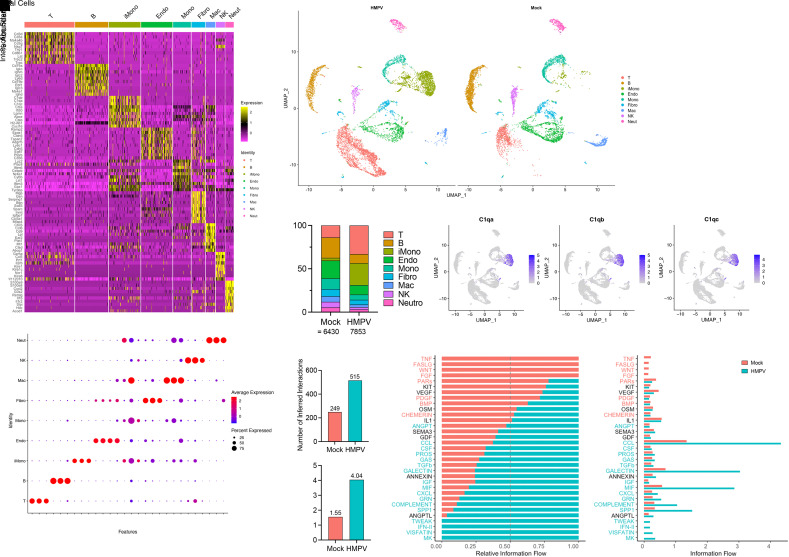
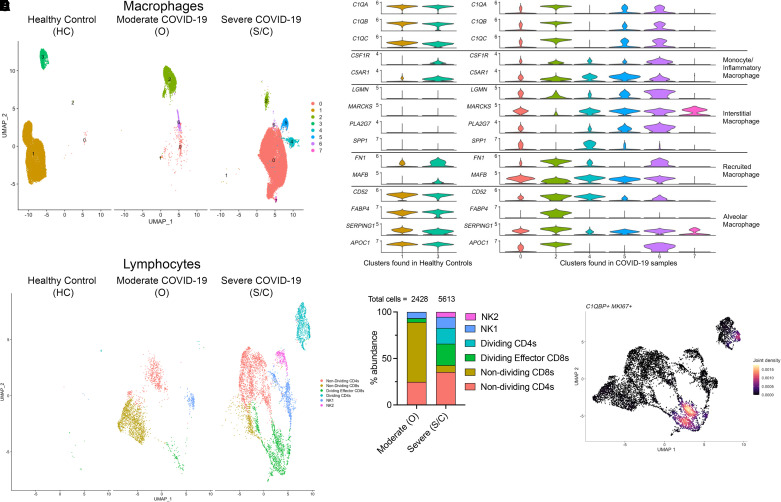
Respiratory viral infections remain a leading cause of morbidity and mortality. Using a murine model of human metapneumovirus, we identified recruitment of a C1q-expressing inflammatory monocyte population concomitant with viral clearance by adaptive immune cells. Genetic ablation of C1q led to reduced CD8 T-cell function. Production of C1q by a myeloid lineage was necessary to enhance CD8 T-cell function. Activated and dividing CD8 T cells expressed a C1q receptor, gC1qR. Perturbation of gC1qR signaling led to altered CD8 T-cell IFN-γ production, metabolic capacity, and cell proliferation. Autopsy specimens from fatal respiratory viral infections in children exhibited diffuse production of C1q by an interstitial population. Humans with severe coronavirus disease (COVID-19) infection also exhibited upregulation of gC1qR on activated and rapidly dividing CD8 T cells. Collectively, these studies implicate C1q production from monocytes as a critical regulator of CD8 T-cell function following respiratory viral infection.
呼吸道病毒感染仍然是发病率和死亡率的主要原因。我们使用人类偏肺病毒的小鼠模型,发现适应性免疫细胞清除病毒的同时伴有 C1q 表达的炎症性单核细胞群的募集。C1q 的基因缺失导致 CD8 T 细胞功能降低。髓系细胞产生 C1q 对于增强 CD8 T 细胞功能是必要的。活化和分裂的 CD8 T 细胞表达 C1q 受体 gC1qR。干扰 gC1qR 信号会导致 CD8 T 细胞 IFN-γ 产生、代谢能力和细胞增殖的改变。儿童致命呼吸道病毒感染的尸检标本显示间质细胞群广泛产生 C1q。严重冠状病毒病(COVID-19)感染的人类也表现出活化和快速分裂的 CD8 T 细胞上 gC1qR 的上调。总的来说,这些研究表明,呼吸道病毒感染后,单核细胞产生的 C1q 是 CD8 T 细胞功能的关键调节因子。