Center for Infectious Disease Control, National Institute for Public Health and the Environment (RIVM), P.O Box 1, 3720 BA, Bilthoven, The Netherlands.
Department of Infectious Diseases, Research and Prevention, Public Health Service of Amsterdam, Amsterdam, The Netherlands.
Arch Sex Behav. 2024 Jul;53(7):2777-2793. doi: 10.1007/s10508-024-02863-z. Epub 2024 May 6.
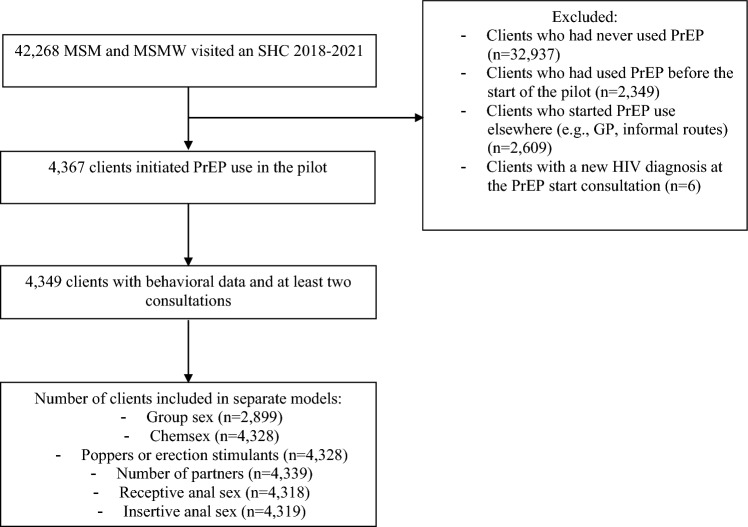
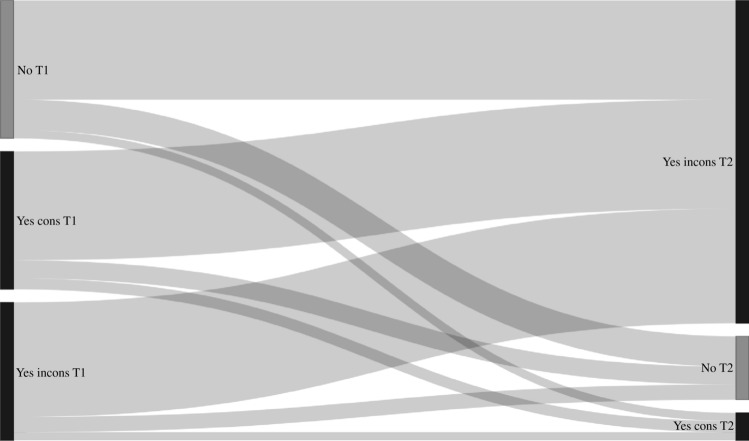
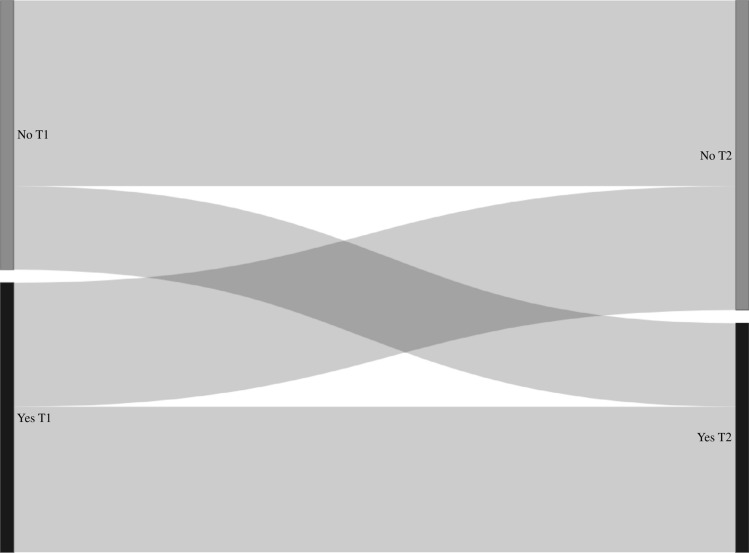
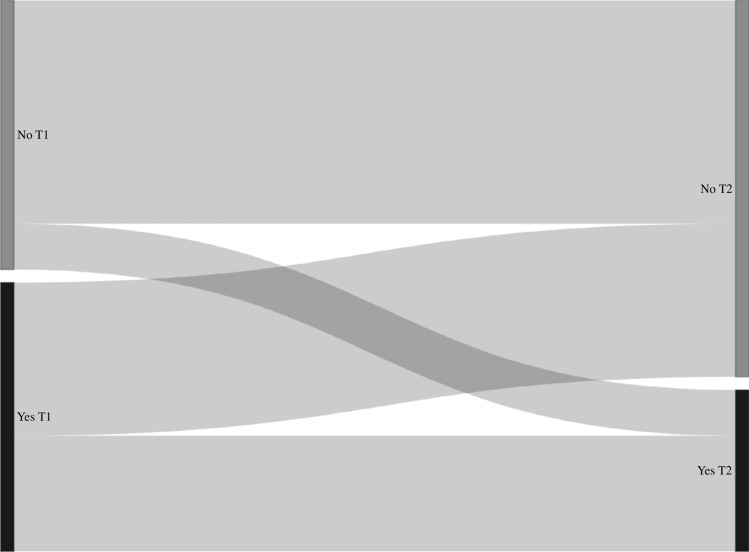
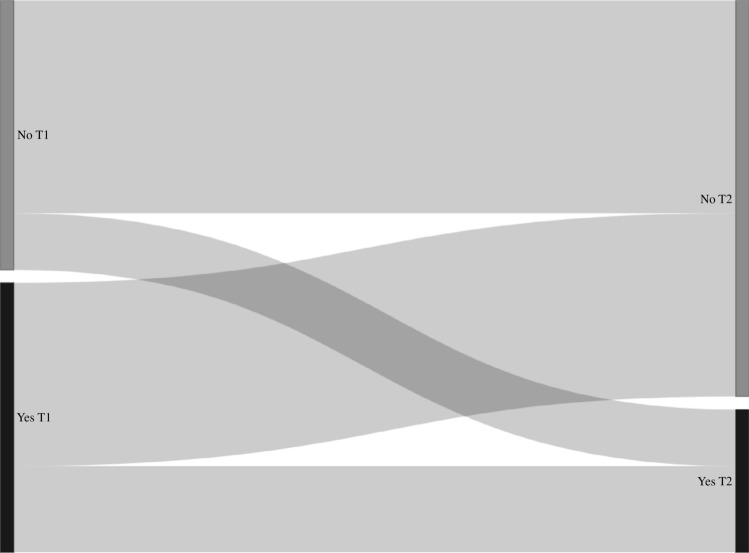
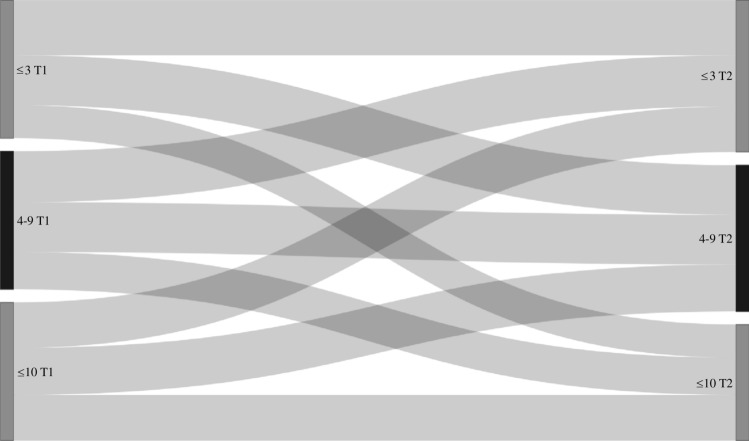
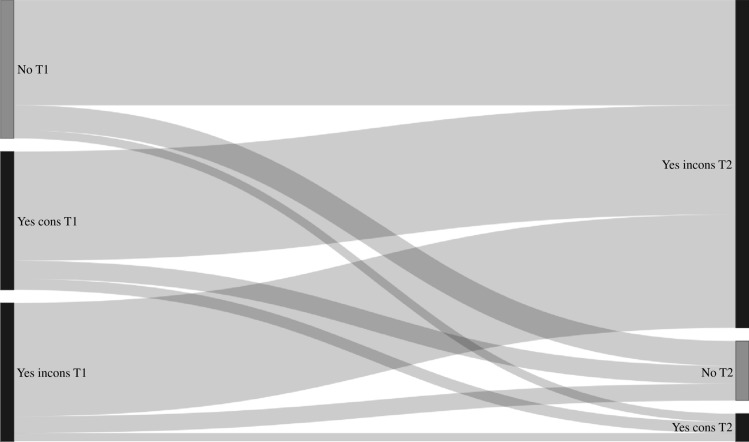
Pre-exposure prophylaxis (PrEP) use prevents HIV transmission, and may lead to changes in sexual behavior. We aimed to explore sexual behavior over time, and identify predictors of behavior change in men who have sex with men (MSM) using PrEP at sexual health centers (SHC) in the Netherlands. We used longitudinal data from the national STI surveillance database (January 2018-June 2021) of HIV-negative MSM who first initiated PrEP in the national PrEP pilot. We modelled behavior change after PrEP initiation, and identified predictors of behavior change using multi-state Markov models. The probability of stopping group sex, chemsex, use of poppers or erection stimulants, and having ≥ 10 partners in the past 6 months among included MSM (n = 4,349, n SHC visits = 21,820) was higher compared to the probability of starting with these behaviors after PrEP initiation. However, MSM who used condoms consistently during anal sex had a high probability of changing to inconsistent condom use (0.8) at the next visit, and inconsistent condom users mostly remained inconsistent (0.8). First visit, visiting the SHC more often (vs. regular), and STI diagnosis were predictors of starting or continuing with most of the behaviors associated with increased risk. Behavior change was less likely among older participants (> 34 compared to ≤ 34 years), and during COVID-19 lockdown and post-lockdown periods compared to pre-COVID-19. Although condom use decreased over time, transitions towards stopping with other behaviors associated with increased likelihood of acquiring an STI after PrEP initiation were common. This may suggest increased sexual empowerment, especially among younger MSM. Predictors of behavior change may help to identify MSM who are likely to start with or continue to engage in these behaviors in the near future and to provide suitable and timely counselling about behavior and PrEP adherence.
暴露前预防(PrEP)的使用可以预防 HIV 传播,并可能导致性行为发生变化。我们旨在探索性健康中心(SHC)使用 PrEP 的男男性行为者(MSM)随时间变化的性行为,并确定其行为变化的预测因素。我们使用了从全国性传播感染监测数据库(2018 年 1 月至 2021 年 6 月)获得的纵向数据,该数据库包括首次开始在国家 PrEP 试点中使用 PrEP 的 HIV 阴性 MSM。我们在 PrEP 启动后对行为变化进行建模,并使用多状态马尔可夫模型确定行为变化的预测因素。与 PrEP 启动后开始这些行为的概率相比,纳入的 MSM(n=4349,n SHC 就诊=21820)中停止群体性行为、化学性行为、使用催情剂或勃起刺激剂以及过去 6 个月内有≥10 个性伴侣的概率较高。然而,在肛交中始终使用避孕套的 MSM 在下一次就诊时改变为不规律使用避孕套的可能性较高(0.8),而不规律使用避孕套的人大多仍保持不规律(0.8)。首次就诊、更频繁地就诊 SHC(与常规就诊相比)和性传播感染诊断是开始或继续与增加风险相关的大多数行为的预测因素。年龄较大的参与者(>34 岁与≤34 岁)以及 COVID-19 封锁和封锁后期间与 COVID-19 前期间相比,行为变化的可能性较小。尽管避孕套的使用随时间减少,但在 PrEP 启动后,与增加获得性传播感染可能性相关的其他行为停止的转变较为常见。这可能表明性权力的增强,尤其是在年轻的 MSM 中。行为变化的预测因素可能有助于识别那些在不久的将来可能开始或继续从事这些行为的 MSM,并提供有关行为和 PrEP 依从性的适当和及时咨询。