Rathi Isha, Mavi Aarushi, Shannawaz Mohd, Saeed Shazina, Yadav Ankur, Hasan Shamimul
Epidemiology and Public Health, Amity Institute of Public Health & Hospital Administration, Amity University, Noida, IND.
Communication, National Institute of Health and Family Welfare, New Delhi, IND.
Cureus. 2024 Apr 6;16(4):e57730. doi: 10.7759/cureus.57730. eCollection 2024 Apr.
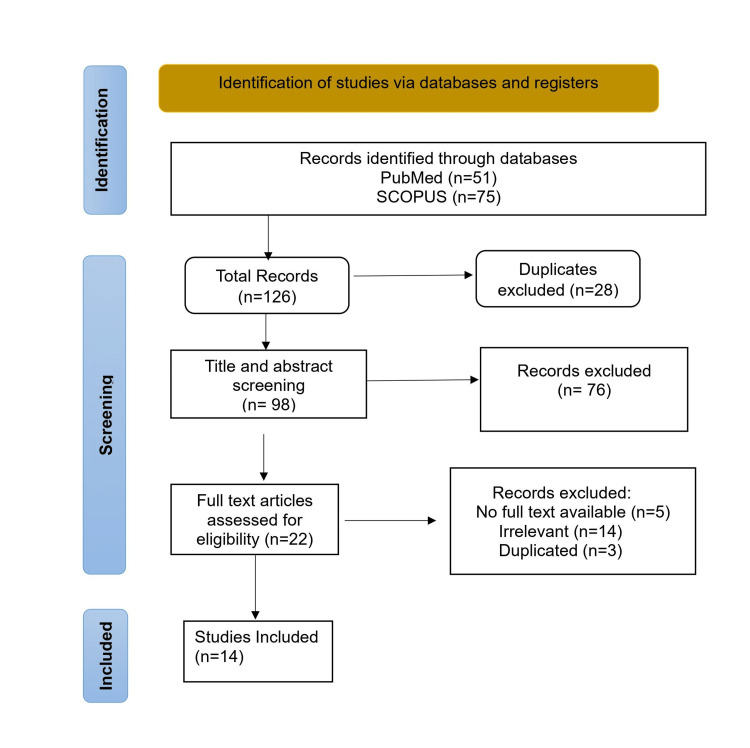
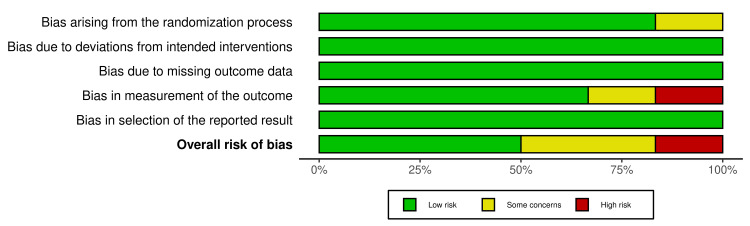
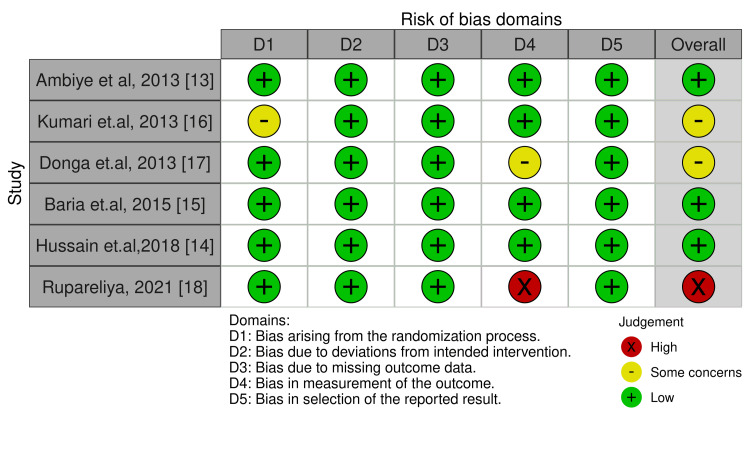
Infertility is encountered as a stressful condition by couples worldwide, impacting not just their physical and mental well-being but also placing financial strain on them. Ayurvedic management provides a promising, cost-effective avenue for addressing infertility disorders and enhances the success rates of in vitro fertilization (IVF), especially after previous unsuccessful attempts. This study aims to enhance clinical evidence and expand the scope of Ayurvedic approaches for managing infertility. A systematic literature search was conducted in PubMed and Scopus search engines for studies evaluating Ayurveda treatment modalities in infertility. Articles were searched using a combination of Medical Subject Heading (MeSH) terms, and the risk of bias was assessed using Robvis and the Joanna Briggs Institute (JBI) Critical Appraisal Tool. The review followed Preferred Reporting Items for Systematic Reviews and Meta-Analysis (PRISMA) guidelines. A total of 14 studies were considered in this systematic review, involving 248 patients. Among them, 84 were males and 164 were females. Of the 14 included studies, six were original studies, whereas eight were case reports. Our research contributes to addressing a notable research gap by conducting a comprehensive analysis of Ayurvedic treatments for infertility or medical conditions that lead to infertility. However, the limited sample size and lack of standardized protocols highlight the need for rigorous experimental research to establish the efficacy and safety of Ayurvedic treatments for infertility.
不孕不育是世界各地夫妻都会面临的一种压力状况,不仅影响他们的身心健康,还会给他们带来经济压力。阿育吠陀疗法为解决不孕不育问题提供了一条有前景且经济高效的途径,并提高了体外受精(IVF)的成功率,尤其是在之前尝试失败之后。本研究旨在加强临床证据,并扩大阿育吠陀疗法在治疗不孕不育方面的应用范围。我们在PubMed和Scopus搜索引擎中进行了系统的文献检索,以查找评估阿育吠陀疗法治疗不孕不育效果的研究。文章检索使用了医学主题词(MeSH)的组合,并使用Robvis和乔安娜·布里格斯研究所(JBI)的批判性评价工具评估偏倚风险。该综述遵循系统评价和Meta分析的首选报告项目(PRISMA)指南。本系统评价共纳入14项研究,涉及248例患者。其中,男性84例,女性164例。在纳入的14项研究中,6项为原创研究,8项为病例报告。我们的研究通过对阿育吠陀疗法治疗不孕不育或导致不孕不育的医学状况进行全面分析,有助于填补一个显著的研究空白。然而,样本量有限和缺乏标准化方案凸显了开展严格实验研究以确定阿育吠陀疗法治疗不孕不育的有效性和安全性的必要性。