Biotechnology and Life Science Department, University of Insubria, Via Dunant 3, 21100, Varese, Italy.
Department of Biology, University of Bari "Aldo Moro", Piazza Umberto I, 70121, Bari, Italy.
Plant Cell Rep. 2024 May 7;43(6):137. doi: 10.1007/s00299-024-03213-y.
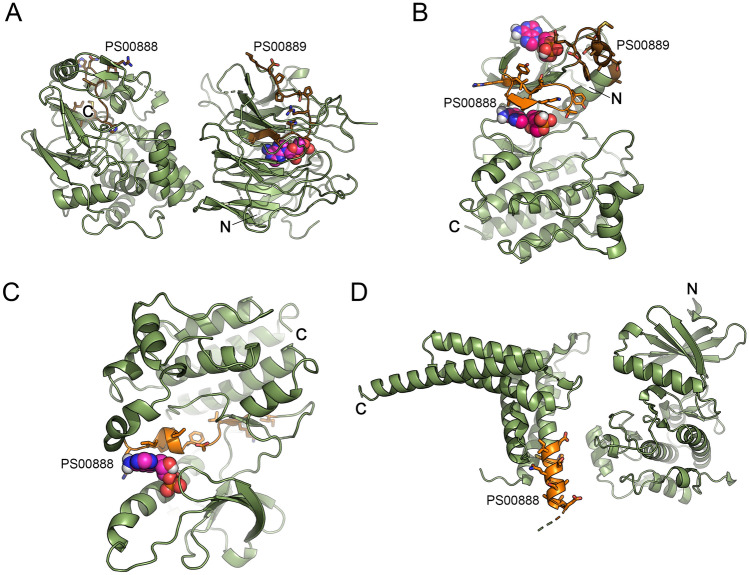
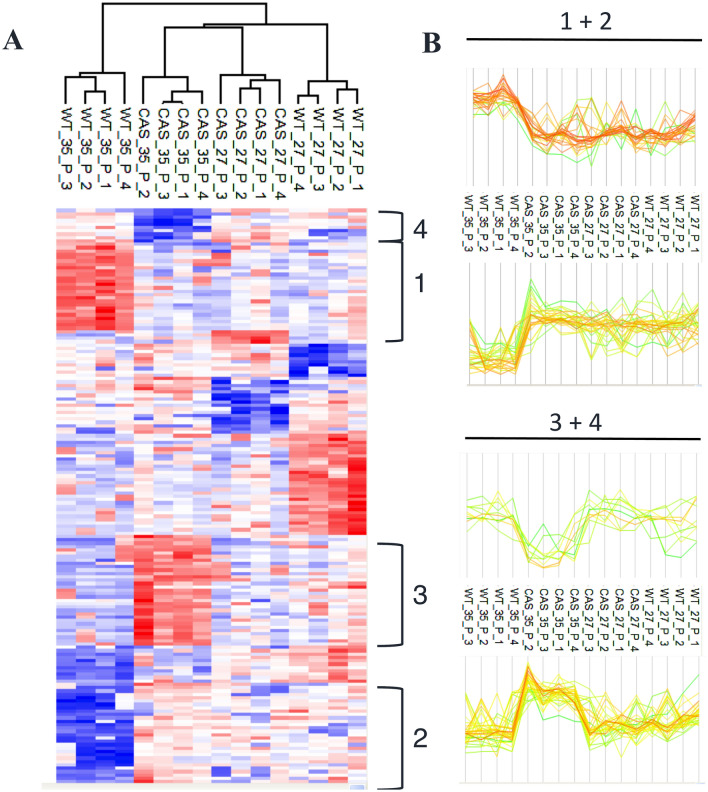
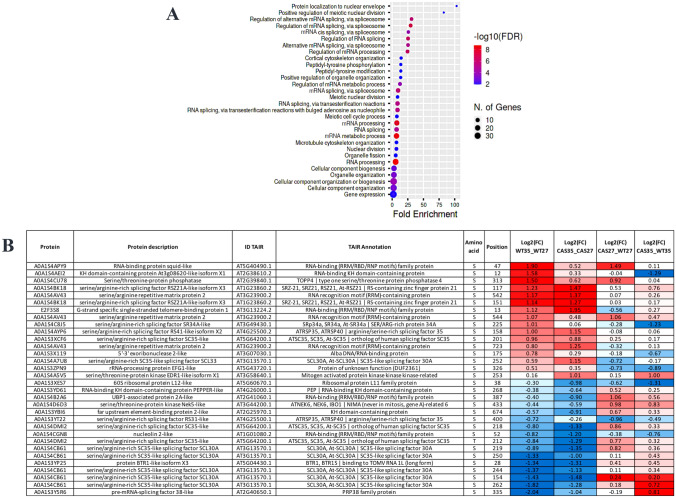
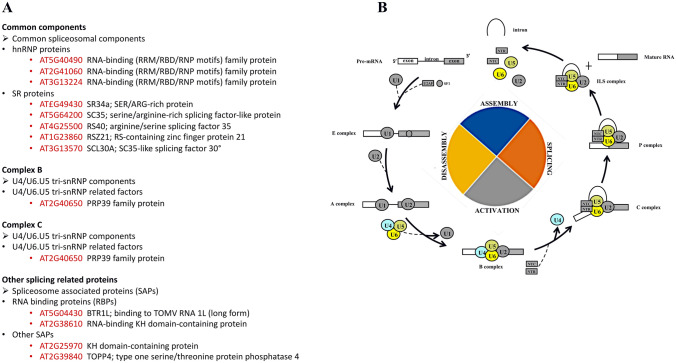
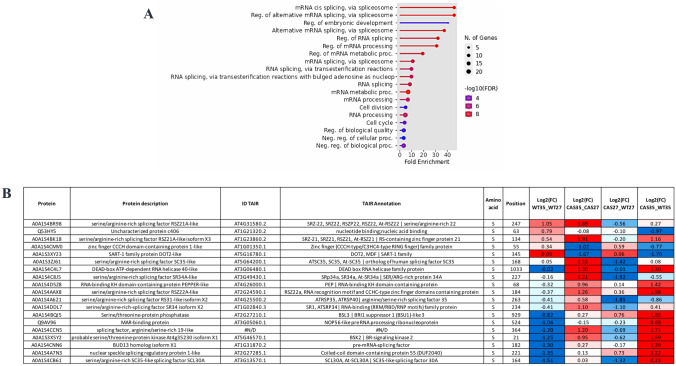
cAMP modulates the phosphorylation status of highly conserved phosphosites in RNA-binding proteins crucial for mRNA metabolism and reprogramming in response to heat stress. In plants, 3',5'-cyclic adenosine monophosphate (3',5'-cAMP) is a second messenger that modulates multiple cellular targets, thereby participating in plant developmental and adaptive processes. Although its role in ameliorating heat-related damage has been demonstrated, mechanisms that govern cAMP-dependent responses to heat have remained elusive. Here we analyze the role cAMP-dependent phosphorylation during prolonged heat stress (HS) with a view to gain insight into processes that govern plant responses to HS. To do so, we performed quantitative phosphoproteomic analyses in Nicotiana tabacum Bright Yellow-2 cells grown at 27 °C or 35 °C for 3 days overexpressing a molecular "sponge" that reduces free intracellular cAMP levels. Our phosphorylation data and analyses reveal that the presence of cAMP is an essential factor that governs specific protein phosphorylation events that occur during prolonged HS in BY-2 cells. Notably, cAMP modulates HS-dependent phosphorylation of proteins that functions in mRNA processing, transcriptional control, vesicular trafficking, and cell cycle regulation and this is indicative for a systemic role of the messenger. In particular, changes of cAMP levels affect the phosphorylation status of highly conserved phosphosites in 19 RNA-binding proteins that are crucial during the reprogramming of the mRNA metabolism in response to HS. Furthermore, phosphorylation site motifs and molecular docking suggest that some proteins, including kinases and phosphatases, are conceivably able to directly interact with cAMP thus further supporting a regulatory role of cAMP in plant HS responses.
cAMP 调节 RNA 结合蛋白中高度保守的磷酸化位点的磷酸化状态,这些蛋白对于 mRNA 代谢和对热应激的重编程至关重要。在植物中,3',5'-环腺苷单磷酸(3',5'-cAMP)是一种第二信使,可调节多种细胞靶标,从而参与植物发育和适应过程。尽管已经证明其在减轻与热相关的损伤中的作用,但调控 cAMP 依赖性对热应激反应的机制仍不清楚。在这里,我们分析了在长时间热应激(HS)期间 cAMP 依赖性磷酸化的作用,以期深入了解调控植物对 HS 反应的过程。为此,我们在过量表达分子“海绵”的烟草 Bright Yellow-2 细胞中进行了定量磷酸蛋白质组学分析,该分子可降低细胞内游离 cAMP 水平。我们的磷酸化数据分析和分析表明,cAMP 的存在是一种必需因素,它调控在 BY-2 细胞中长时间 HS 期间发生的特定蛋白质磷酸化事件。值得注意的是,cAMP 调节 HSP 依赖性磷酸化的蛋白在 mRNA 处理、转录控制、囊泡运输和细胞周期调节中起作用,这表明信使具有系统作用。特别是,cAMP 水平的变化会影响 19 种 RNA 结合蛋白中高度保守的磷酸化位点的磷酸化状态,这些蛋白在响应 HS 时重编程 mRNA 代谢中至关重要。此外,磷酸化位点基序和分子对接表明,一些蛋白质,包括激酶和磷酸酶,可能能够直接与 cAMP 相互作用,从而进一步支持 cAMP 在植物 HS 反应中的调节作用。