Peacock Hanna M, van Walle Lien, Silversmit Geert, Neven Patrick, Han Sileny N, Van Damme Nancy
Research Department, Belgian Cancer Registry, Koningsstraat 215 bus 7, Brussels, 1210, Belgium.
Department of Gynecological Oncology and Multidisciplinary Breast Centre, University Hospitals Leuven, Leuven, Belgium.
Arch Public Health. 2024 May 7;82(1):66. doi: 10.1186/s13690-024-01296-3.
The first COVID-19 wave in 2020 necessitated temporary suspension of non-essential medical services including organized cancer screening programs in Belgium. This study assessed the impact of the pandemic on breast cancer (BC) incidence, stage at diagnosis, and management in Belgium in 2020.
All Belgian residents diagnosed with in situ or invasive BC in 2015-2020 in the nationwide, population-based cancer registry database were included. Incidence trends for 2015-2019 were extrapolated to predict incidence and stage distribution for 2020 and compared with the observed values. National healthcare reimbursement data were used to examine treatment strategies. Exact tumor diameter and nodal involvement, extracted from pathology reports, were analyzed for 2019 and 2020.
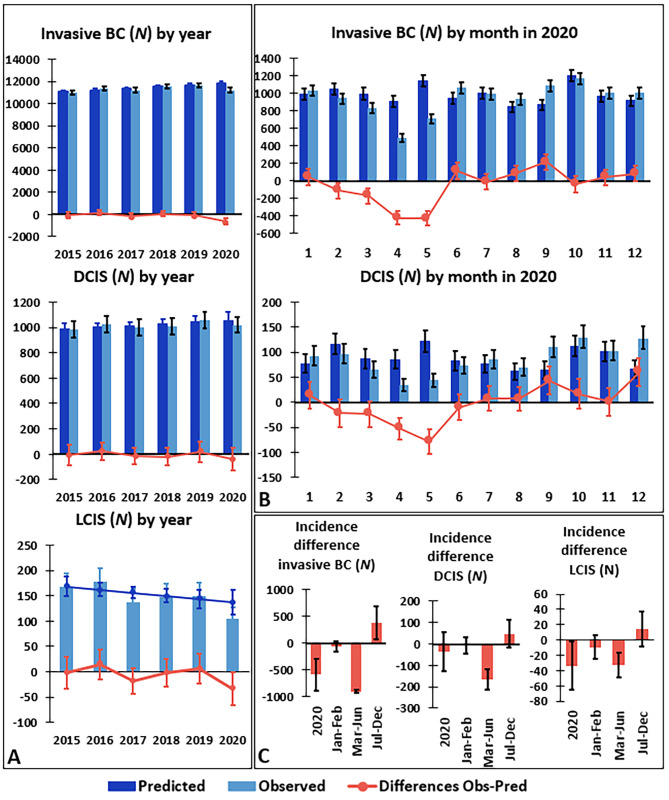
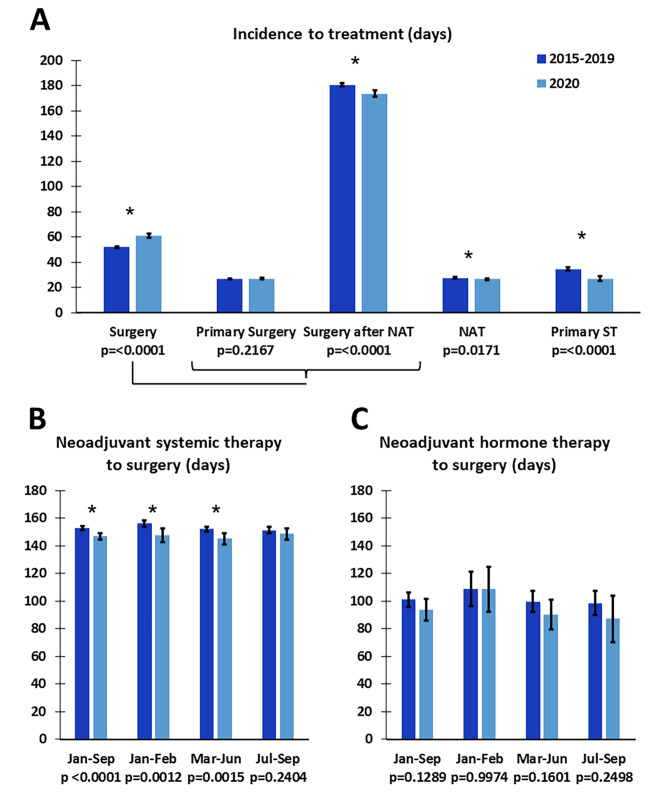
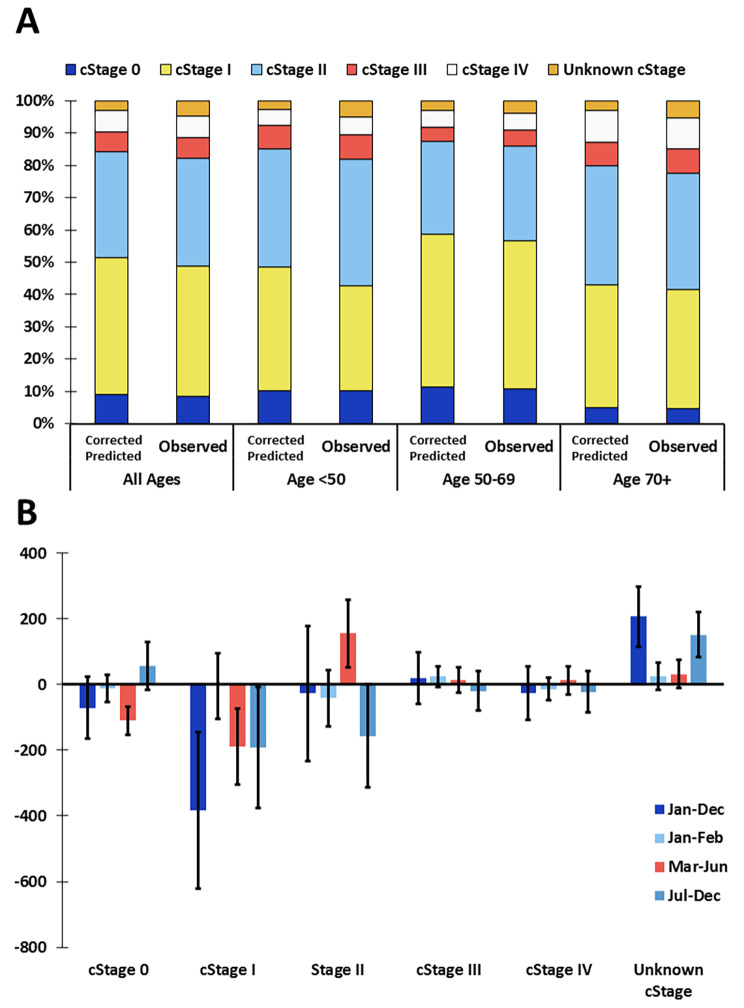
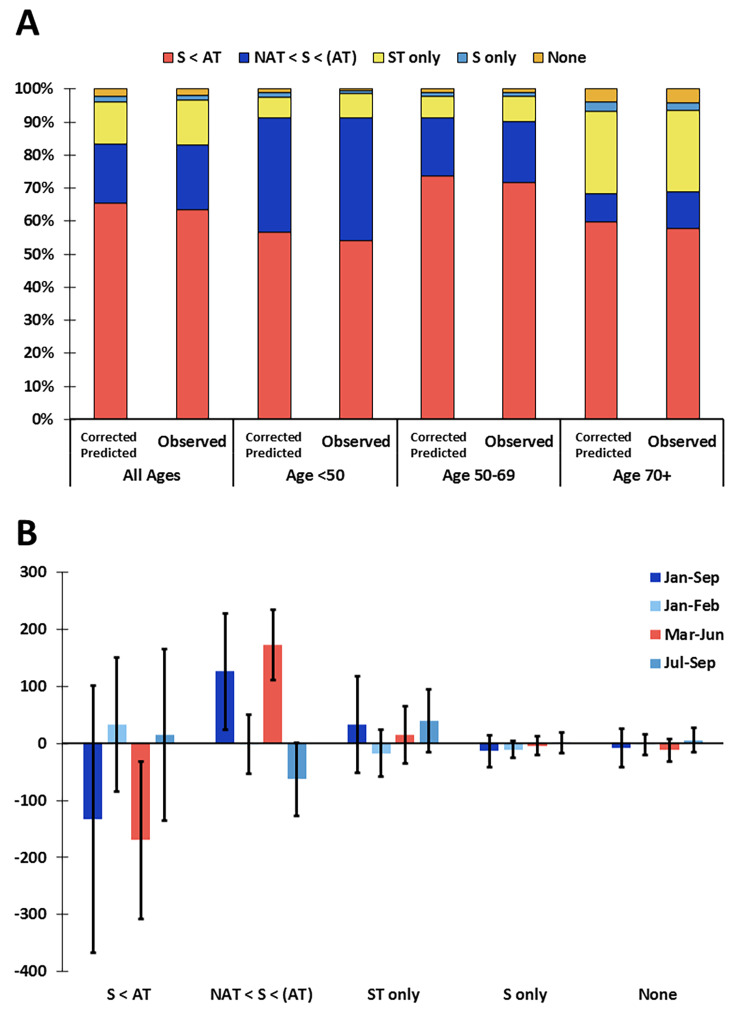
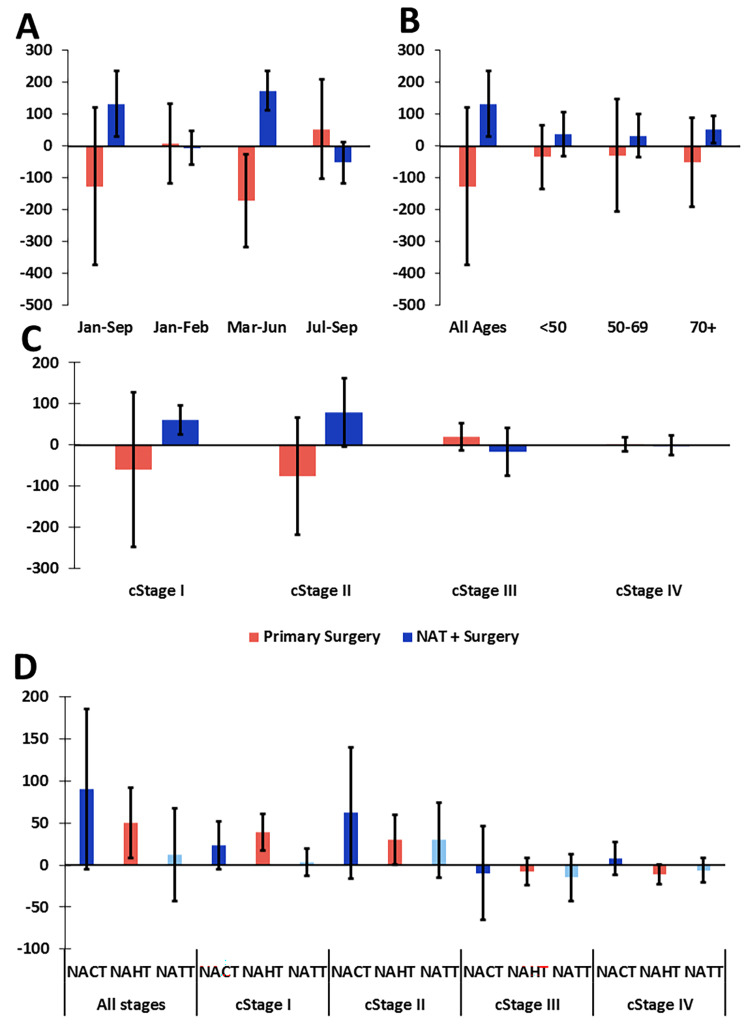
74,975 tumors were selected for analysis of incidence and clinical stage. Invasive BC incidence declined by -5.0% in 2020, with a drop during the first COVID-19 wave (Mar-Jun; -23%) followed by a rebound (Jul-Dec; +7%). Predicted and observed incidence (in situ + invasive) was not different in patients < 50 years. In the 50-69 and 70 + age groups, significant declines of -4.1% and - 8.4% respectively were found. Excess declines were seen in clinical stage 0 and I in Mar-Jun, without excess increases in clinical stage II-IV tumors in Jul-Dec. There was no increase in average tumor diameter or nodal involvement in 2020. Patients diagnosed in Mar-Jun received significantly more neoadjuvant therapy, particularly neoadjuvant hormonal therapy for patients with clinical stage I-II BC.
BC incidence decline in 2020 in Belgium was largely restricted to very early-stage BC and patients aged 50 and over. Delayed diagnosis did not result in an overall progression to higher stage at diagnosis in 2020. Observed treatment adaptations in Belgium were successful in prioritizing patients for surgery while preventing tumor progression in those with surgical delay. Continuation of monitoring BC incidence and stage in the future is crucial.
2020年第一波新冠疫情使得比利时的非必要医疗服务,包括有组织的癌症筛查项目被迫暂时中止。本研究评估了2020年疫情对比利时乳腺癌(BC)发病率、诊断时的分期及治疗的影响。
纳入在全国性、基于人群的癌症登记数据库中于2015 - 2020年被诊断为原位或浸润性乳腺癌的所有比利时居民。外推2015 - 2019年的发病率趋势以预测2020年的发病率和分期分布,并与观察值进行比较。利用国家医疗保健报销数据来研究治疗策略。分析了从病理报告中提取的2019年和2020年的精确肿瘤直径和淋巴结受累情况。
选取74,975例肿瘤用于发病率和临床分期分析。2020年浸润性乳腺癌发病率下降了5.0%,在第一波新冠疫情期间(3月至6月)下降了23%,随后出现反弹(7月至12月)上升了7%。年龄小于50岁的患者中,预测发病率与观察发病率(原位癌 + 浸润性癌)无差异。在50 - 69岁和70岁及以上年龄组中,分别显著下降了4.1%和8.4%。3月至6月期间,0期和I期临床分期出现过度下降,7月至12月期间II - IV期肿瘤临床分期未出现过度上升。2020年平均肿瘤直径或淋巴结受累情况没有增加。3月至6月期间确诊的患者接受新辅助治疗的比例显著更高,尤其是临床I - II期乳腺癌患者接受新辅助激素治疗的比例更高。
2020年比利时乳腺癌发病率下降主要局限于极早期乳腺癌和50岁及以上患者。延迟诊断在2020年并未导致诊断时总体进展到更高分期。比利时观察到的治疗调整成功地优先安排患者进行手术,同时防止了手术延迟患者的肿瘤进展。未来持续监测乳腺癌发病率和分期至关重要。