Orthodontic Department, Dental School, Shiraz University of Medical Sciences, Shiraz, Iran.
Student Research Center, Dental School, Shiraz University of Medical Sciences, Shiraz, Iran.
BMC Oral Health. 2024 May 9;24(1):501. doi: 10.1186/s12903-024-04242-5.
Releasing of metal ions might implicate in allergic reaction as a negative subsequent of the corrosion of Stainless Steel (SS304) orthodontic wires. The aim of this study was to evaluate the corrosion resistance of zinc-coated (Zn-coated) SS orthodontic wires.
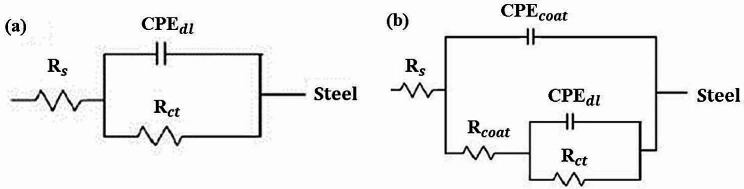
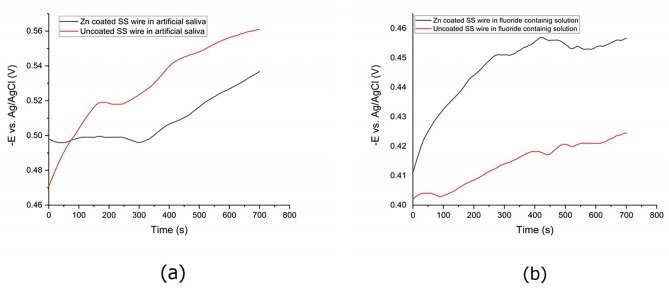
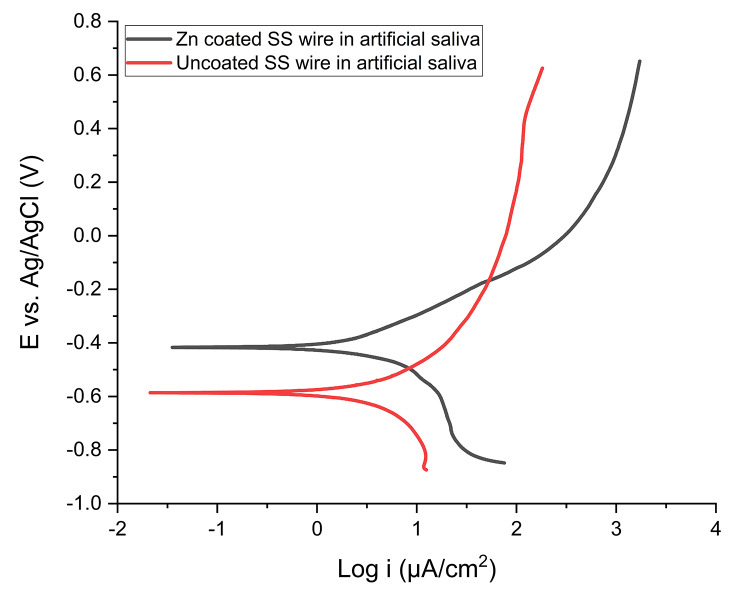
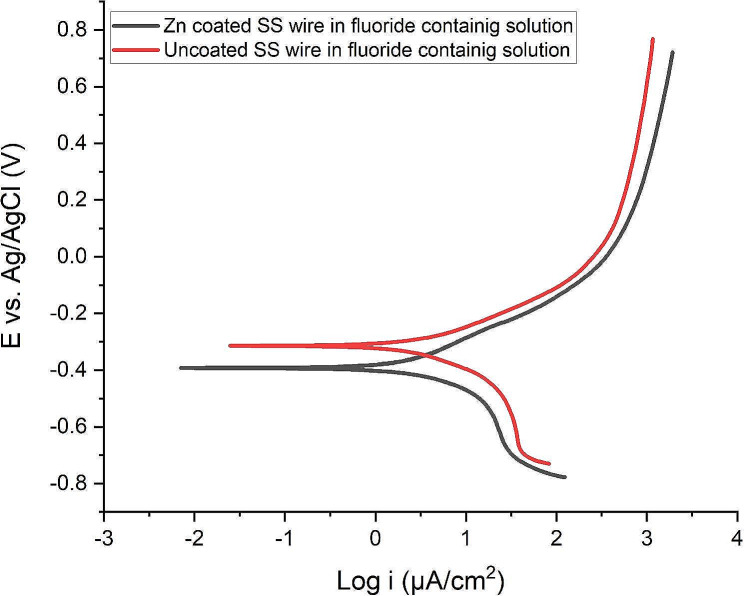
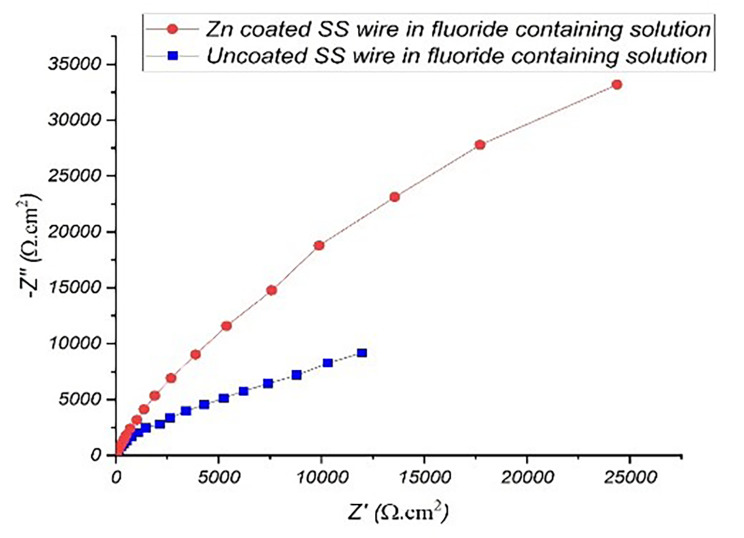
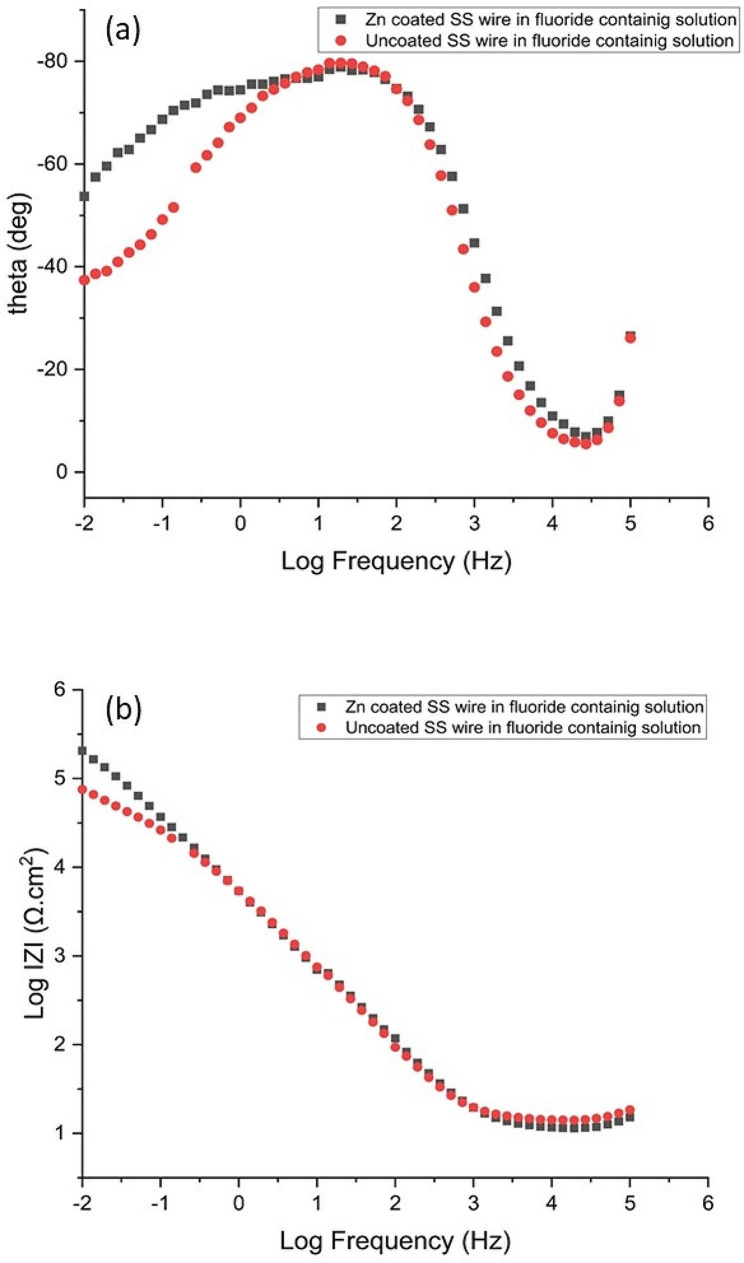
Zinc coating was applied on SS wires by PVD method. Electrochemical impedance spectroscopy (EIS), Potentiodynamic polarization tests and Tafel analysis methods were used to predict the corrosion behavior of Zn-coated and uncoated SS wires in both neutral and acidic environments.
The values of E ,i and Rwhich were the electrochemical corrosion characteristics, reported better corrosion behavior of Zn-coated SS wires against uncoated ones in both artificial saliva and fluoride-containing environments. Experimental results of the Tafel plot analyses were consistent with that of electrochemical impedance spectroscopy analyses for both biological solutions.
Applying Zn coating on bare SS orthodontic wire by PVD method might increase the corrosion resistance of the underlying stainless-steel substrate.
金属离子的释放可能与不锈钢(SS304)正畸丝的腐蚀有关,从而引发过敏反应。本研究旨在评估镀锌(Zn 涂层)SS 正畸丝的耐腐蚀性。
采用 PVD 法在 SS 丝上进行镀锌处理。采用电化学阻抗谱(EIS)、动电位极化试验和 Tafel 分析方法预测 Zn 涂层和未涂层 SS 丝在中性和酸性环境中的腐蚀行为。
E、i 和 R 值是电化学腐蚀特性的指标,表明在人工唾液和含氟环境中,Zn 涂层 SS 丝的腐蚀行为优于未涂层 SS 丝。两种生物溶液的 Tafel 图谱分析结果与电化学阻抗谱分析结果一致。
采用 PVD 法在 SS 正畸丝表面镀锌可以提高不锈钢基底的耐腐蚀性。