Laboratory of Natural Products, Department of Pharmacy, Faculty of Health Sciences, University of Brasilia, Brasilia 70910-900, Brazil.
inSiliTox, Department of Pharmacy, Faculty of Health Sciences, University of Brasilia, Brasilia 70910-900, Brazil.
Int J Mol Sci. 2024 Apr 27;25(9):4788. doi: 10.3390/ijms25094788.
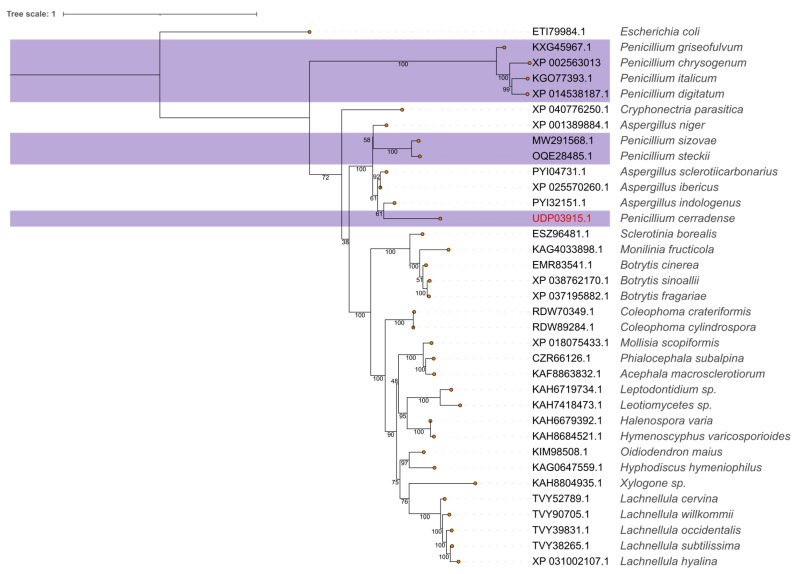
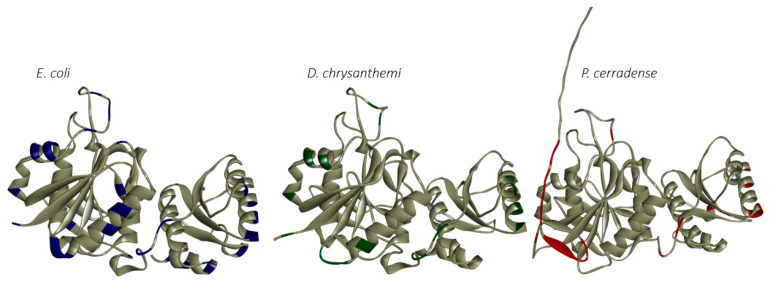
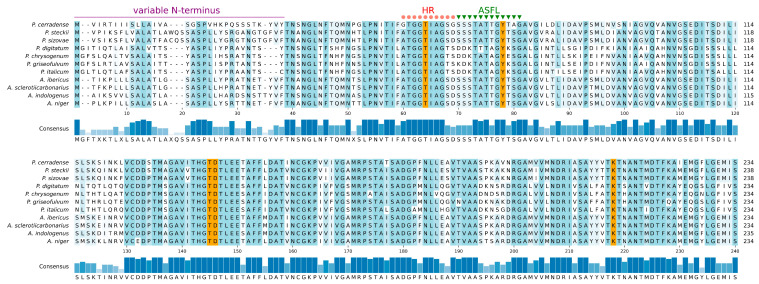
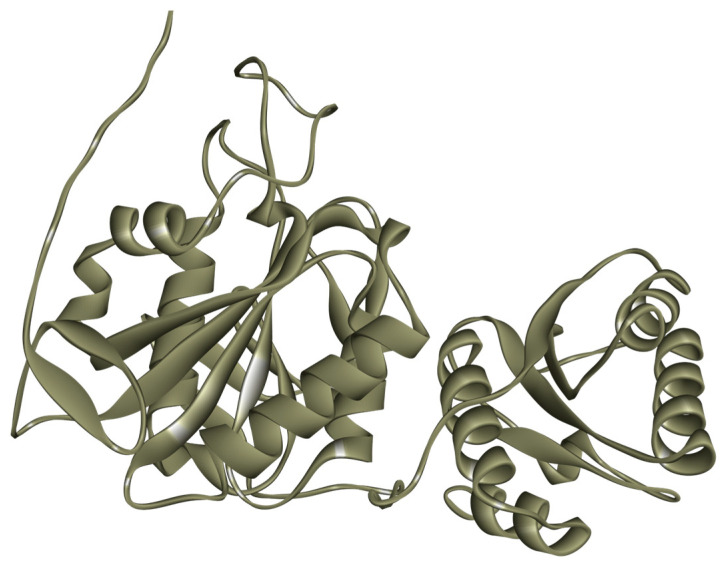
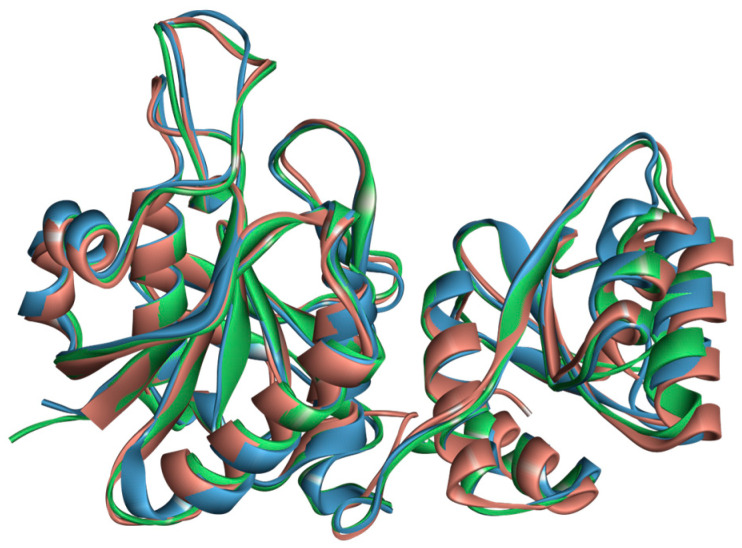
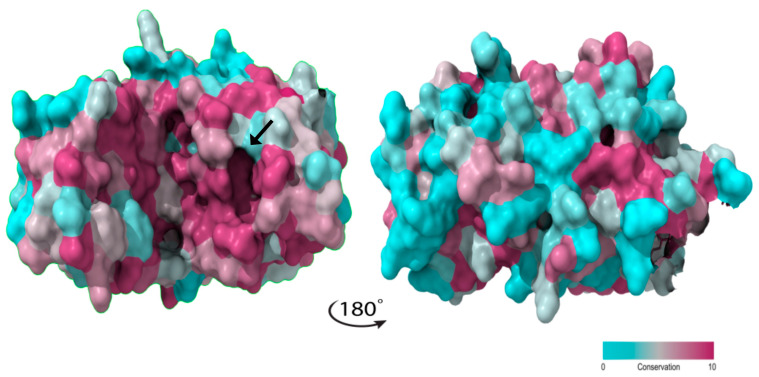
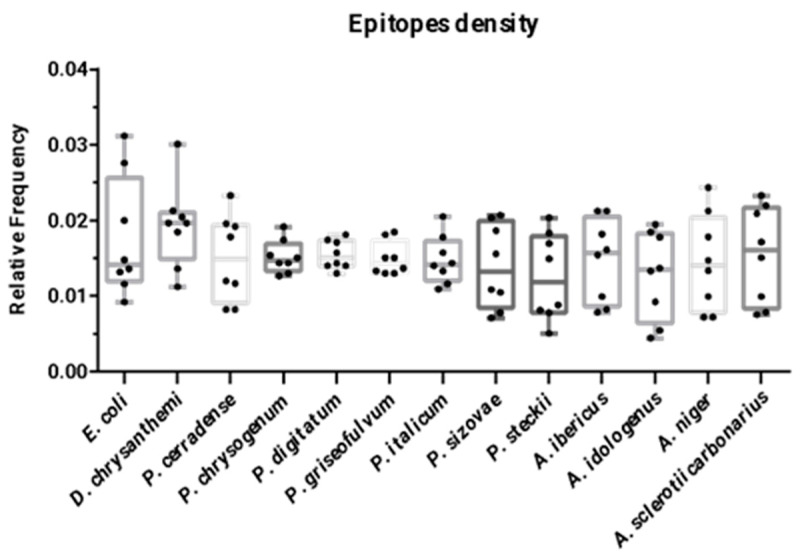
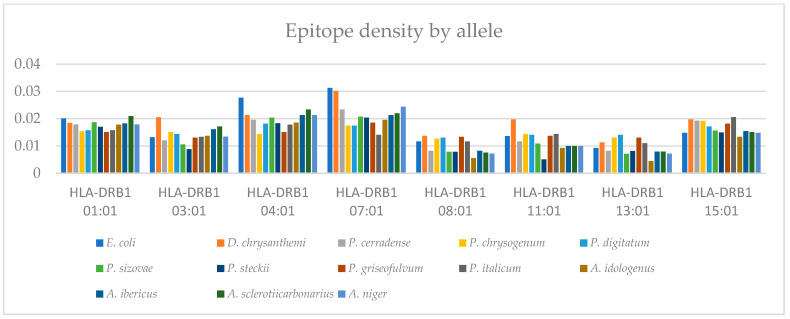
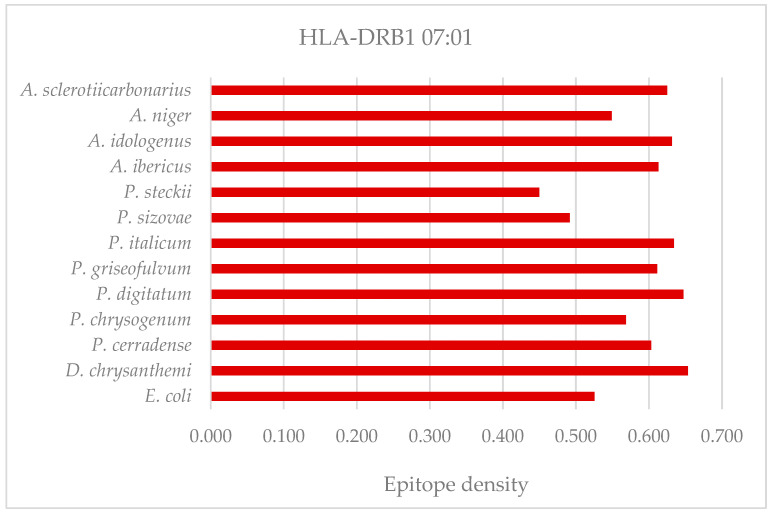
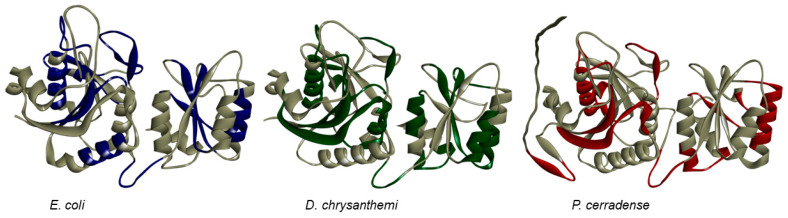
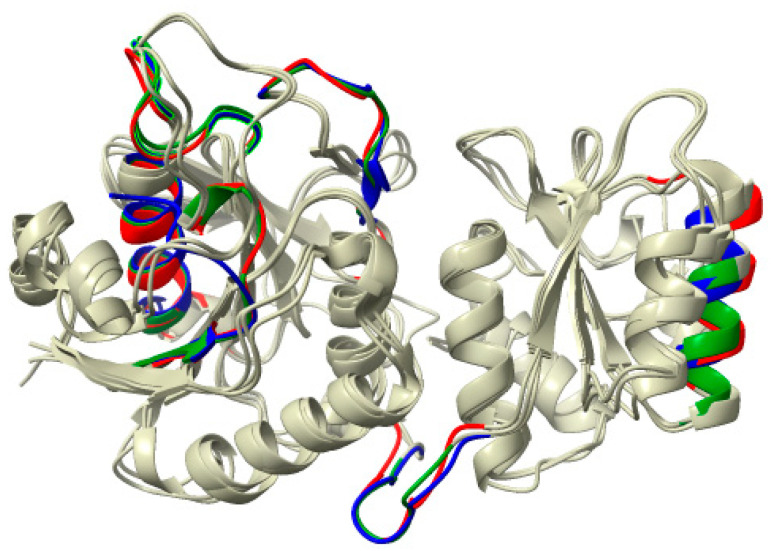
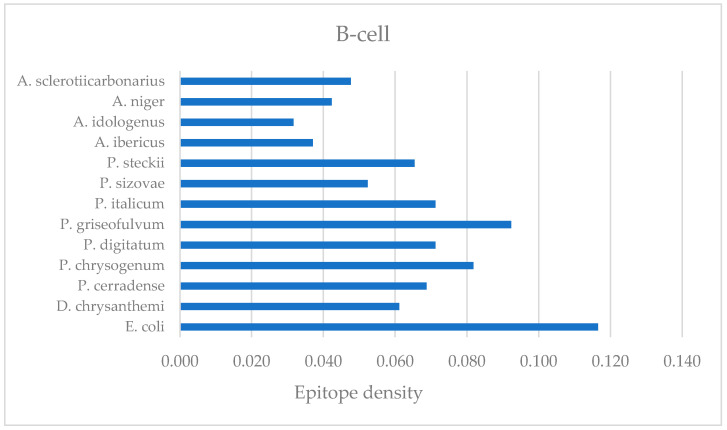
L-asparaginase is an essential drug used to treat acute lymphoid leukemia (ALL), a cancer of high prevalence in children. Several adverse reactions associated with L-asparaginase have been observed, mainly caused by immunogenicity and allergenicity. Some strategies have been adopted, such as searching for new microorganisms that produce the enzyme and applying protein engineering. Therefore, this work aimed to elucidate the molecular structure and predict the immunogenic profile of L-asparaginase from , recently revealed as a new fungus of the genus and producer of the enzyme, as a motivation to search for alternatives to bacterial L-asparaginase. In the evolutionary relationship, L-asparaginase from closely matches species. Using in silico tools, we characterized the enzyme as a protein fragment of 378 amino acids (39 kDa), including a signal peptide containing 17 amino acids, and the isoelectric point at 5.13. The oligomeric state was predicted to be a homotetramer. Also, this L-asparaginase presented a similar immunogenicity response (T- and B-cell epitopes) compared to and enzymes. These results suggest a potentially useful L-asparaginase, with insights that can drive strategies to improve enzyme production.
L-天冬酰胺酶是一种用于治疗急性淋巴细胞白血病(ALL)的重要药物,ALL 是一种在儿童中高发的癌症。已经观察到与 L-天冬酰胺酶相关的几种不良反应,主要是由免疫原性和变应原性引起的。已经采取了一些策略,例如寻找产生该酶的新微生物,并应用蛋白质工程。因此,这项工作旨在阐明 L-天冬酰胺酶的分子结构,并预测最近被揭示为新真菌属和该酶生产者的 的免疫原性特征,以寻找替代细菌 L-天冬酰胺酶的方法。在进化关系中, 中的 L-天冬酰胺酶与 种密切匹配。我们使用计算工具将该酶表征为 378 个氨基酸(39 kDa)的蛋白质片段,包括含有 17 个氨基酸的信号肽,等电点为 5.13。预测寡聚状态为同源四聚体。此外,与 和 酶相比,这种 L-天冬酰胺酶表现出相似的免疫原性反应(T 细胞和 B 细胞表位)。这些结果表明,这种 L-天冬酰胺酶具有潜在的用途,并为提高酶产量的策略提供了思路。