Department of Pharmacology, Institute of Health Sciences, College of Medicine, Gyeongsang National University, Jinju 52727, Republic of Korea.
Department of Pharmacology, Institute of Health Sciences, College of Medicine, Gyeongsang National University, Jinju 52727, Republic of Korea; Department of Convergence Medical Science, College of Medicine, Gyeongsang National University, Jinju 52727, Republic of Korea.
Cell Rep Med. 2024 May 21;5(5):101570. doi: 10.1016/j.xcrm.2024.101570. Epub 2024 May 14.
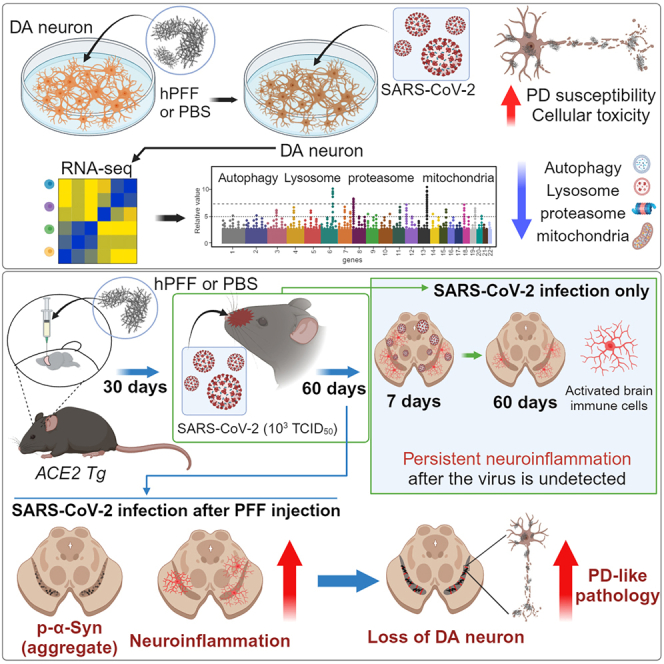
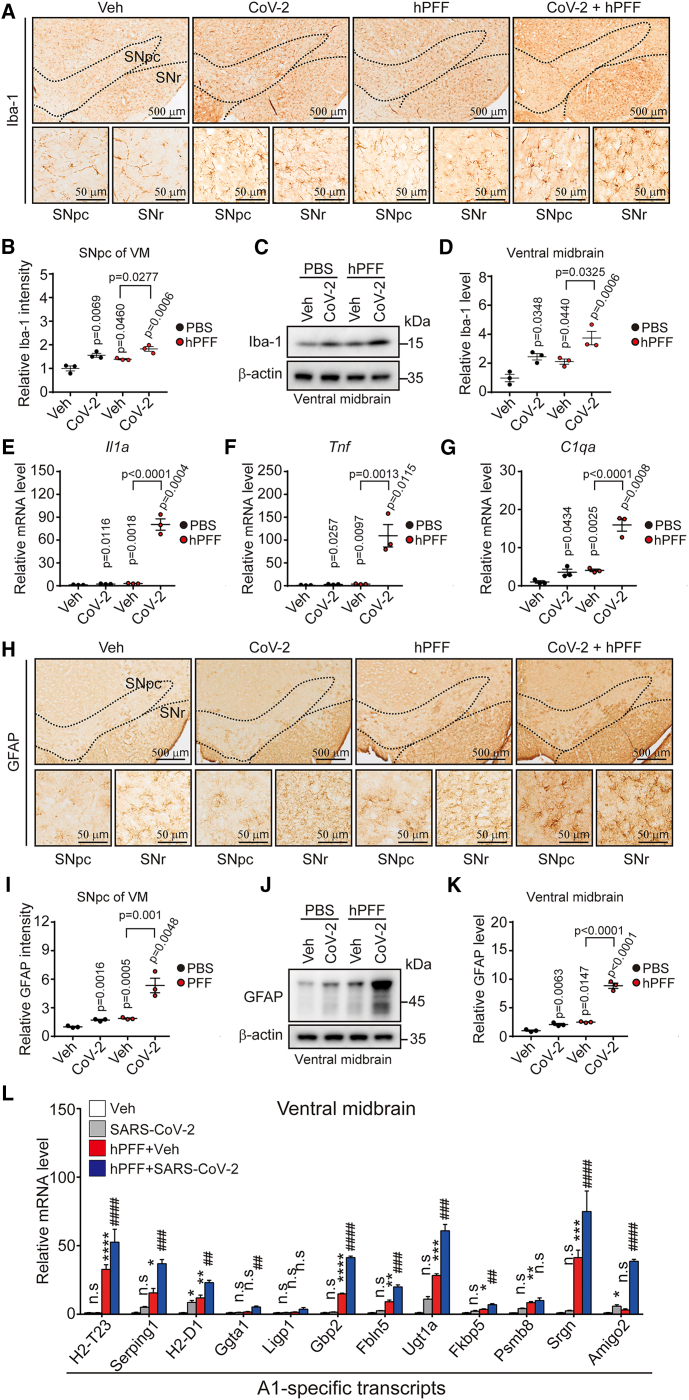
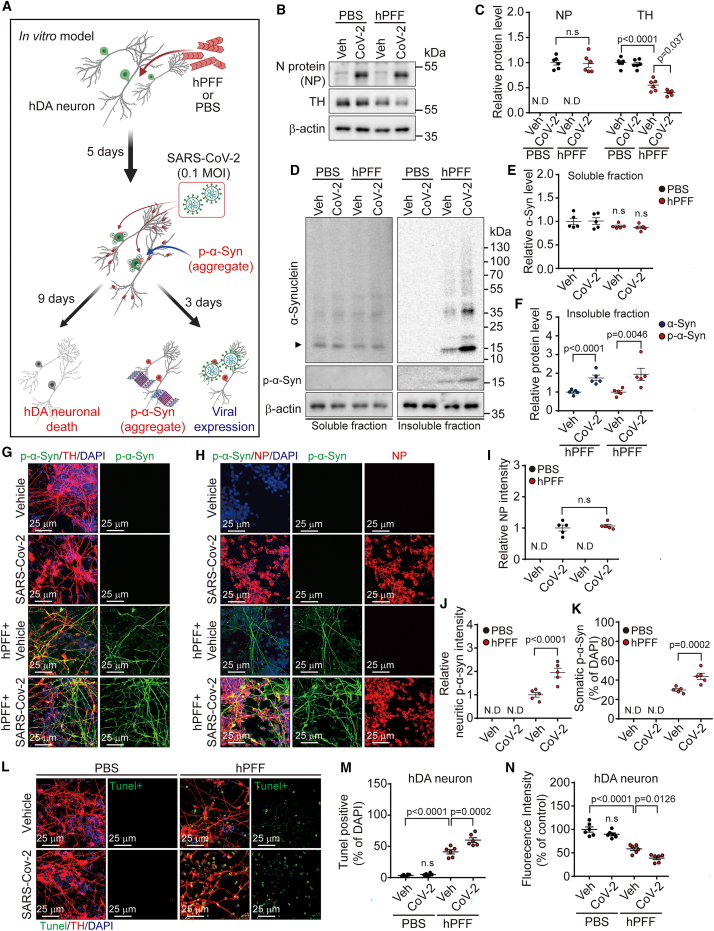
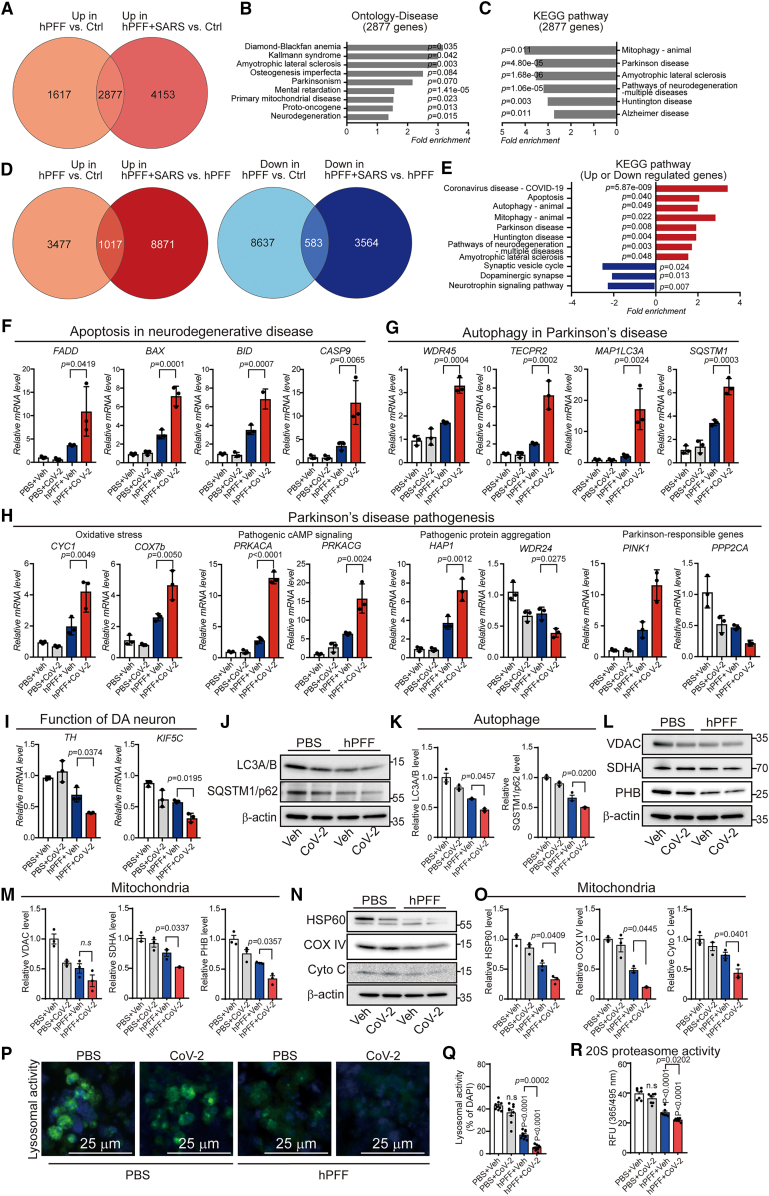
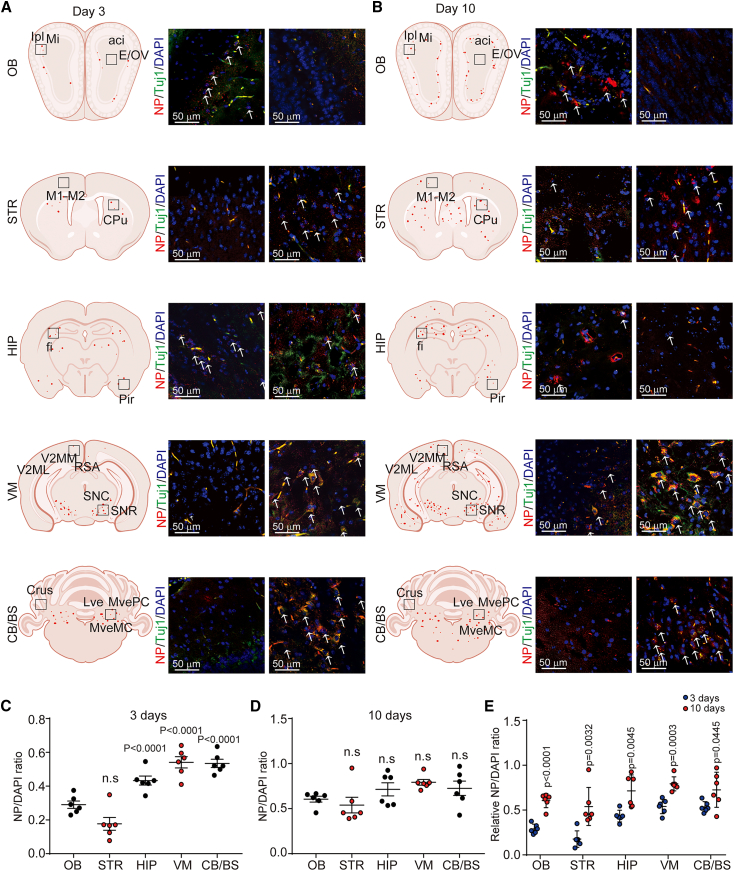
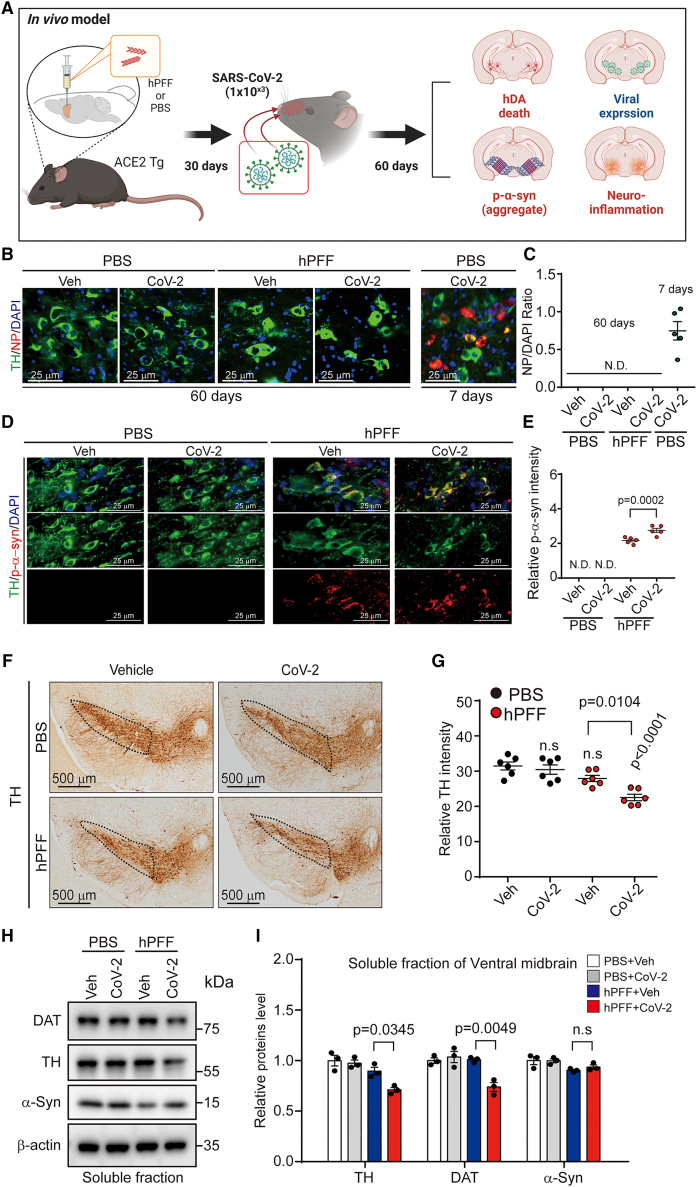
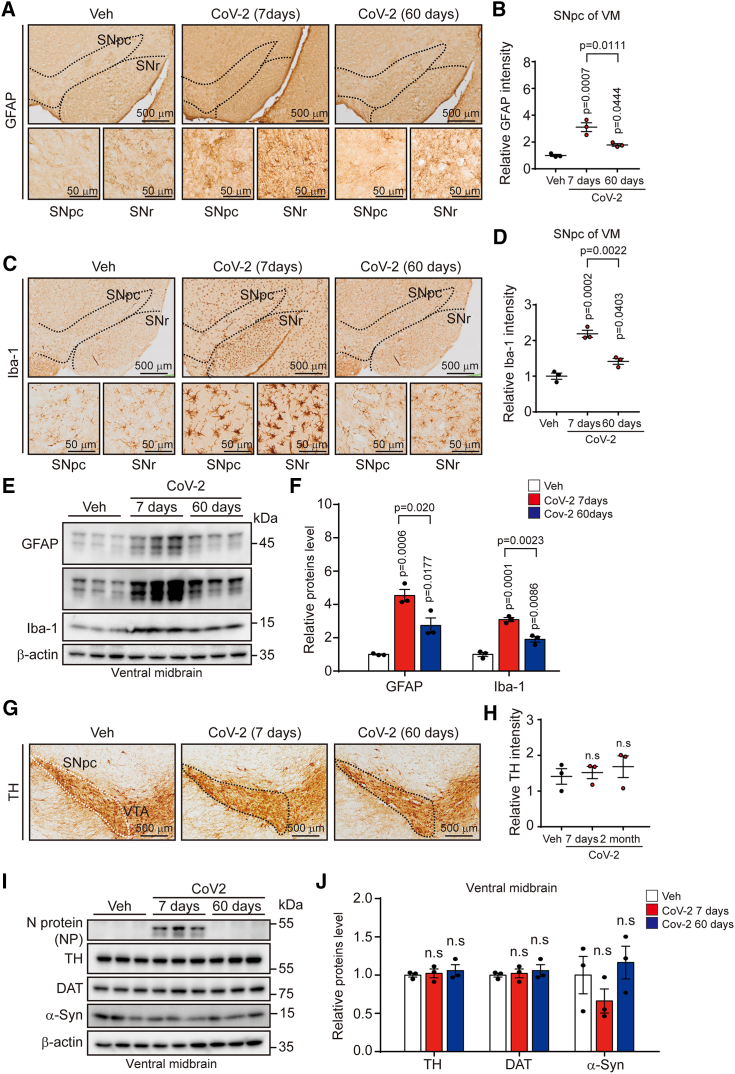
While an association between Parkinson's disease (PD) and viral infections has been recognized, the impact of severe acute respiratory syndrome coronavirus 2 (SARS-CoV-2) on PD progression remains unclear. Here, we demonstrate that SARS-CoV-2 infection heightens the risk of PD using human embryonic stem cell (hESC)-derived dopaminergic (DA) neurons and a human angiotensin-converting enzyme 2 (hACE2) transgenic (Tg) mouse model. Our findings reveal that SARS-CoV-2 infection exacerbates PD susceptibility and cellular toxicity in DA neurons pre-treated with human preformed fibrils (hPFFs). Additionally, nasally delivered SARS-CoV-2 infects DA neurons in hACE2 Tg mice, aggravating the damage initiated by hPFFs. Mice infected with SARS-CoV-2 display persisting neuroinflammation even after the virus is no longer detectable in the brain. A comprehensive analysis suggests that the inflammatory response mediated by astrocytes and microglia could contribute to increased PD susceptibility associated with SARS-CoV-2. These findings advance our understanding of the potential long-term effects of SARS-CoV-2 infection on the progression of PD.
虽然帕金森病 (PD) 与病毒感染之间存在关联,但严重急性呼吸综合征冠状病毒 2 (SARS-CoV-2) 对 PD 进展的影响尚不清楚。在这里,我们使用人胚胎干细胞 (hESC) 衍生的多巴胺能 (DA) 神经元和人血管紧张素转换酶 2 (hACE2) 转基因 (Tg) 小鼠模型证明了 SARS-CoV-2 感染会增加 PD 的风险。我们的研究结果表明,SARS-CoV-2 感染会加剧预先用人类原纤维 (hPFF) 预处理的 DA 神经元中的 PD 易感性和细胞毒性。此外,鼻内递送的 SARS-CoV-2 感染 hACE2 Tg 小鼠中的 DA 神经元,加剧了 hPFF 引发的损伤。即使在大脑中不再检测到 SARS-CoV-2 后,感染 SARS-CoV-2 的小鼠仍会持续出现神经炎症。全面分析表明,星形胶质细胞和小胶质细胞介导的炎症反应可能导致与 SARS-CoV-2 相关的 PD 易感性增加。这些发现增进了我们对 SARS-CoV-2 感染对 PD 进展的潜在长期影响的理解。