Rodrigues Valerie J, Jouanneau Diane, Fernandez-Fuentes Narcis, Onime Lucy A, Huws Sharon A, Odaneth Annamma A, Adams Jessica M M
Institute of Biological, Environmental and Rural Sciences, Aberystwyth University, Gogerddan, Aberystwyth, SY23 3EE United Kingdom.
DBT-ICT Centre for Energy Biosciences, Institute of Chemical Technology, Nathalal Parekh Marg, Matunga (East), Mumbai, 400019 Maharashtra India.
J Appl Phycol. 2024;36(2):697-711. doi: 10.1007/s10811-023-03136-3. Epub 2023 Dec 7.
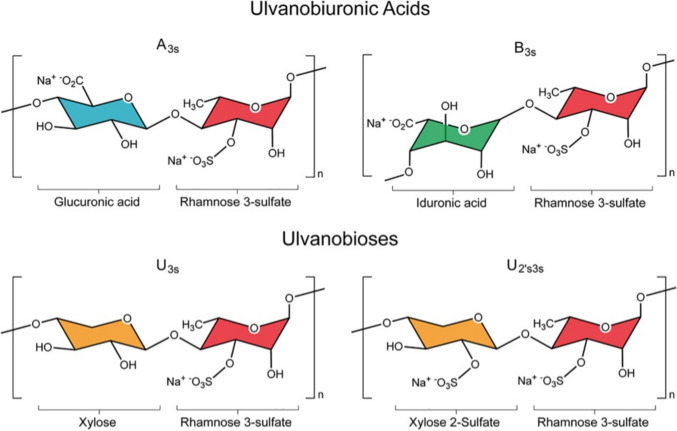
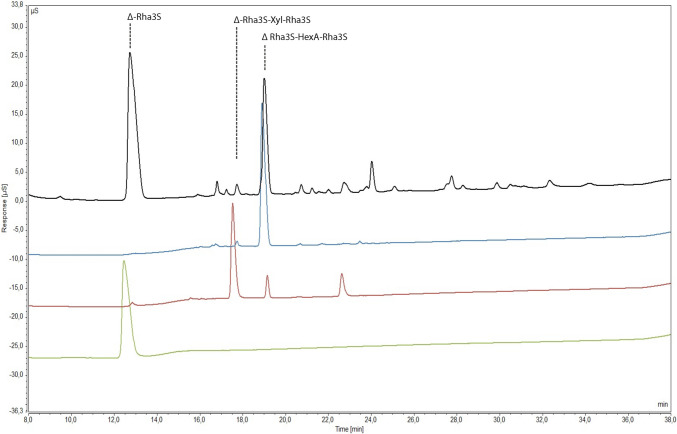
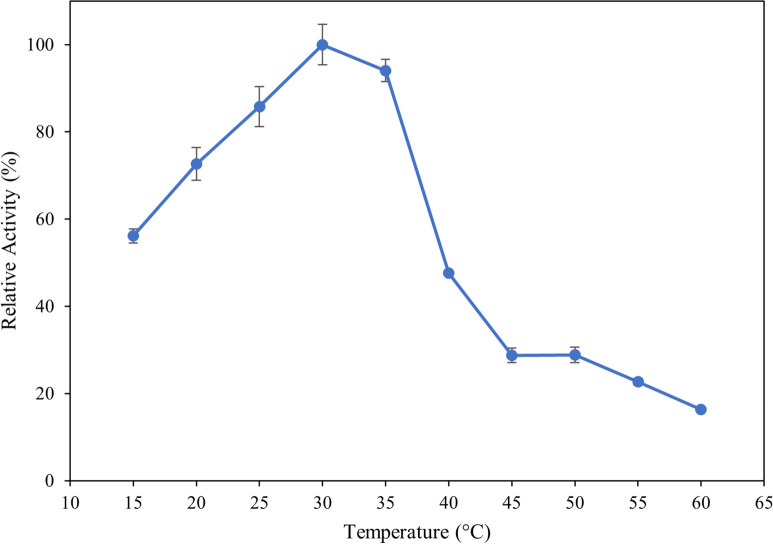
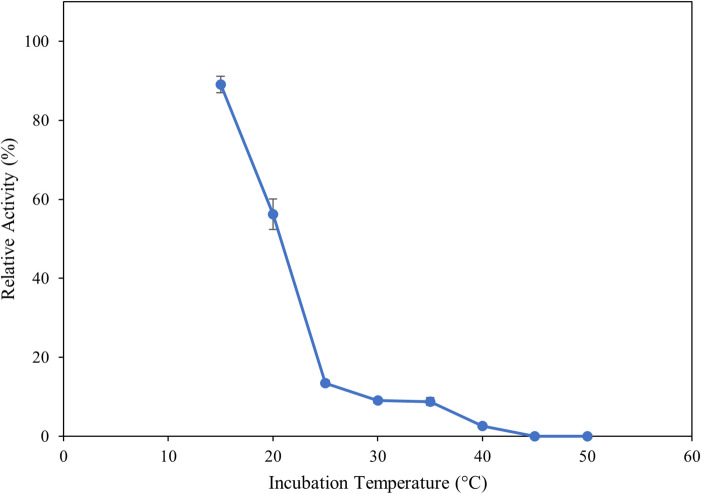
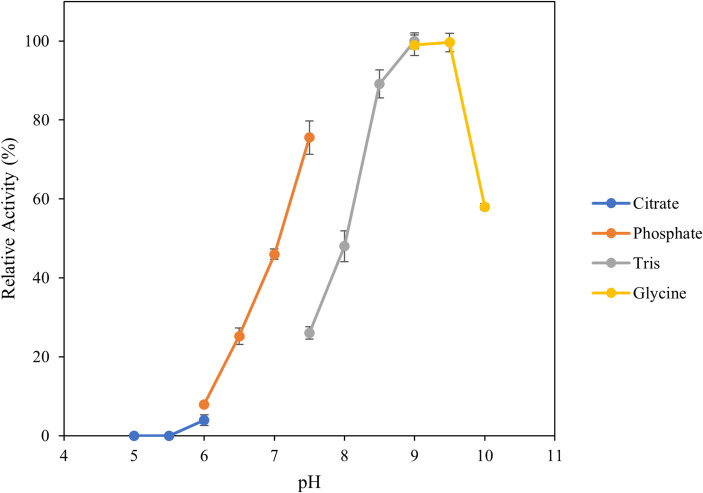
Ulvan is a green macroalgal cell wall polysaccharide that has tremendous potential for valorisation due to its unique composition of sulphated rhamnose, glucuronic acid, iduronic acid and xylose. Several potential applications such as production of biofuels, bioplastics and other value-added products necessitate the breakdown of the polysaccharide to oligomers or monomers. Research on ulvan saccharifying enzymes has been continually increasing over the last decade, with the increasing focus on valorisation of seaweed biomass for a biobased economy. Lyases are the first of several enzymes that are involved in saccharifying the polysaccharide and several ulvan lyases have been structurally and biochemically characterised to enable their effective use in the valorisation processes. This study investigates the whole genome of sp FNV38, an ulvan metabolising organism and biochemical characteristics of a PL24 ulvan lyase that it possesses. The genome of sp FNV38 has a diverse CAZy profile with several genes involved in the metabolism of ulvan, cellulose, agar, and alginate. The enzyme exhibits optimal activity at pH 8.5 in 100 mM Tris-HCl buffer and 30 °C. However, its thermal stability is poor with significant loss of activity after 2 h of incubation at temperatures above 25 °C. Breakdown product analysis reveals that the enzyme depolymerised the polysaccharide predominantly to disaccharides and tetrasaccharides.
The online version contains supplementary material available at 10.1007/s10811-023-03136-3.
岩藻聚糖是一种绿色大型藻类细胞壁多糖,由于其独特的硫酸化鼠李糖、葡萄糖醛酸、艾杜糖醛酸和木糖组成,具有巨大的增值潜力。生物燃料、生物塑料和其他增值产品等多种潜在应用需要将多糖分解为低聚物或单体。在过去十年中,对岩藻聚糖糖化酶的研究不断增加,随着人们越来越关注以生物基经济为目标的海藻生物质增值利用。裂解酶是参与多糖糖化的几种酶中的第一种,并且已经对几种岩藻聚糖裂解酶进行了结构和生化表征,以使其能够有效地用于增值过程。本研究调查了岩藻聚糖代谢生物sp FNV38的全基因组及其所拥有的一种PL24岩藻聚糖裂解酶的生化特性。sp FNV38的基因组具有多样的碳水化合物活性酶谱,有几个基因参与岩藻聚糖、纤维素、琼脂和藻酸盐的代谢。该酶在100 mM Tris-HCl缓冲液中pH 8.5和30°C时表现出最佳活性。然而,其热稳定性较差,在高于25°C的温度下孵育2小时后活性会显著丧失。分解产物分析表明,该酶将多糖主要解聚为二糖和四糖。
在线版本包含可在10.1007/s10811-023-03136-3获取的补充材料。