Hawman David W, Leventhal Shanna S, Meade-White Kimberly, Khandhar Amit, Murray Justin, Lovaglio Jamie, Shaia Carl, Saturday Greg, Hinkley Troy, Erasmus Jesse, Feldmann Heinz
Laboratory of Virology, Division of Intramural Research, National Institute of Allergy and Infectious Diseases, National Institutes of Health, Rocky Mountain Laboratories, Hamilton, MT, 59840, USA.
HDT Bio, Seattle, WA, 98102, USA.
NPJ Vaccines. 2024 May 20;9(1):86. doi: 10.1038/s41541-024-00887-z.
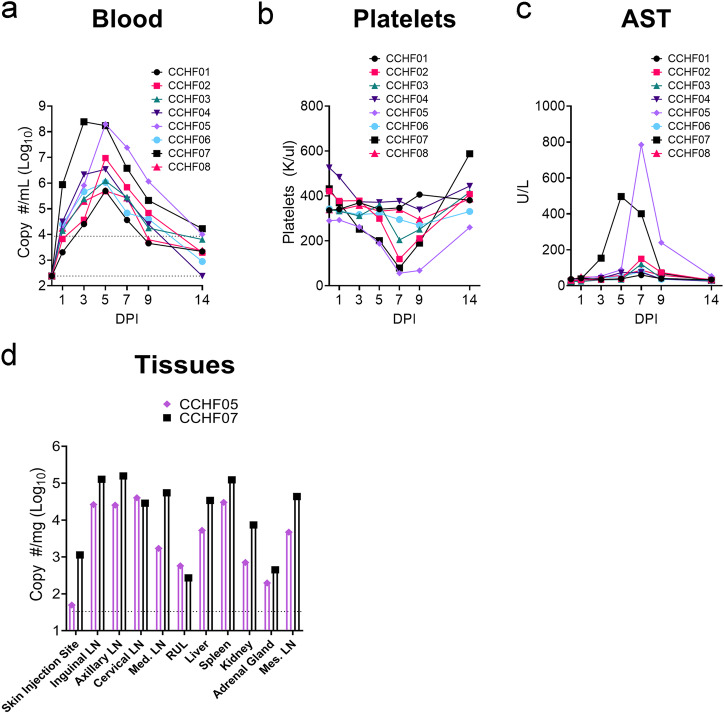
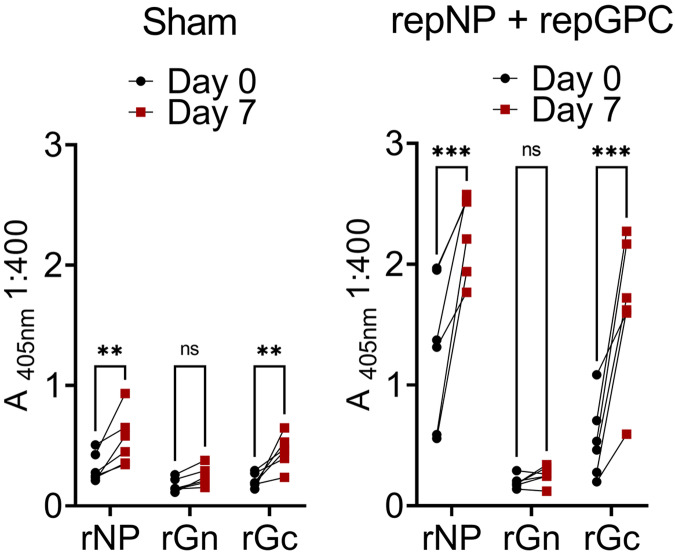
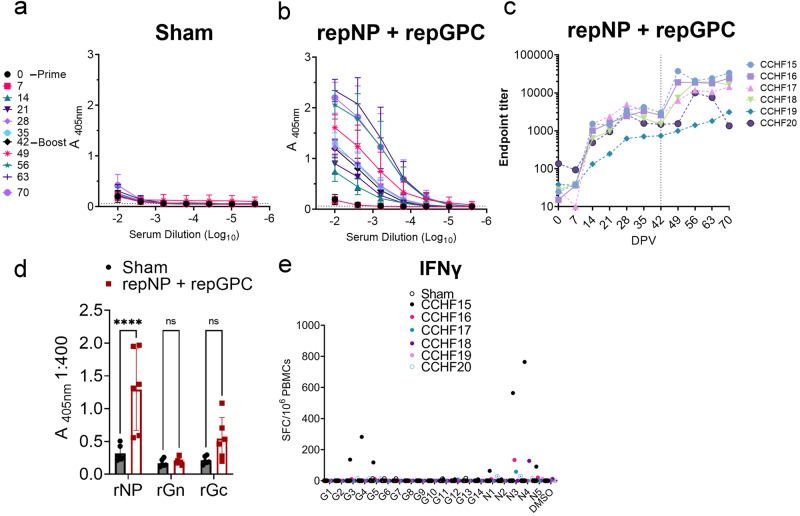
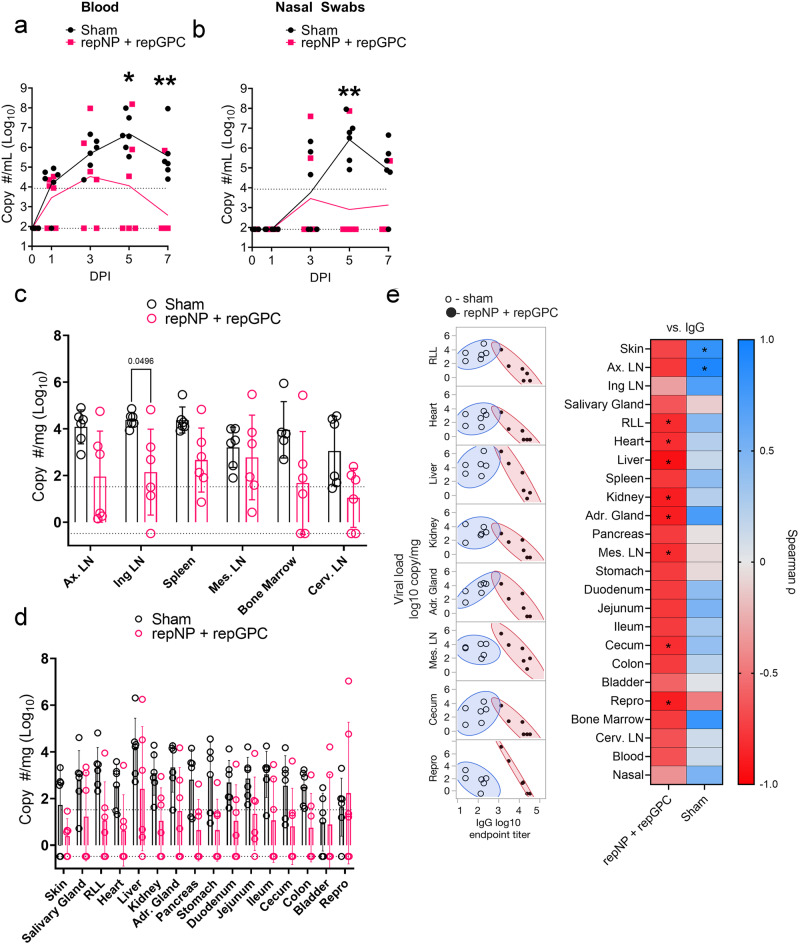
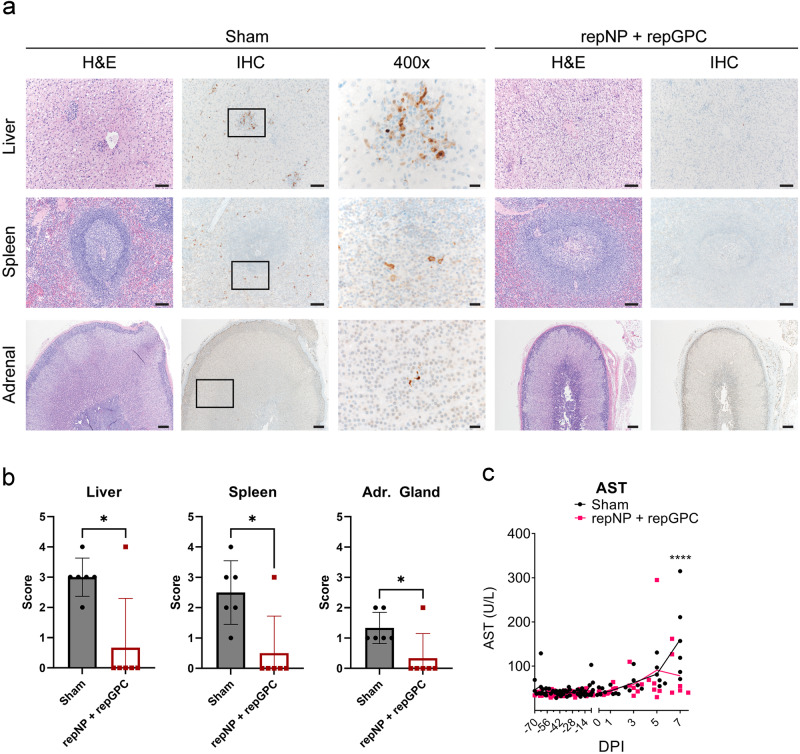
Crimean-Congo hemorrhagic fever (CCHF) is a tick-borne febrile illness with a wide geographic distribution. In recent years the geographic range of Crimean-Congo hemorrhagic fever virus (CCHFV) and its tick vector have increased, placing an increasing number of people at risk of CCHFV infection. Currently, there are no widely available vaccines, and although the World Health Organization recommends ribavirin for treatment, its efficacy is unclear. Here we evaluate a promising replicating RNA vaccine in a rhesus macaque (Macaca mulatta) model of CCHF. This model provides an alternative to the established cynomolgus macaque model and recapitulates mild-to-moderate human disease. Rhesus macaques infected with CCHFV consistently exhibit viremia, detectable viral RNA in a multitude of tissues, and moderate pathology in the liver and spleen. We used this model to evaluate the immunogenicity and protective efficacy of a replicating RNA vaccine. Rhesus macaques vaccinated with RNAs expressing the CCHFV nucleoprotein and glycoprotein precursor developed robust non-neutralizing humoral immunity against the CCHFV nucleoprotein and had significant protection against the CCHFV challenge. Together, our data report a model of CCHF using rhesus macaques and demonstrate that our replicating RNA vaccine is immunogenic and protective in non-human primates after a prime-boost immunization.
克里米亚-刚果出血热(CCHF)是一种由蜱传播的发热性疾病,地理分布广泛。近年来,克里米亚-刚果出血热病毒(CCHFV)及其蜱传播媒介的地理范围有所扩大,使越来越多的人面临感染CCHFV的风险。目前,尚无广泛可用的疫苗,尽管世界卫生组织推荐使用利巴韦林进行治疗,但其疗效尚不清楚。在此,我们在CCHF的恒河猴(猕猴)模型中评估了一种有前景的复制型RNA疫苗。该模型为已建立的食蟹猴模型提供了一种替代方案,并概括了轻度至中度的人类疾病。感染CCHFV的恒河猴始终表现出病毒血症、在多种组织中可检测到病毒RNA,以及肝脏和脾脏出现中度病理变化。我们使用该模型评估了一种复制型RNA疫苗的免疫原性和保护效果。接种表达CCHFV核蛋白和糖蛋白前体的RNA的恒河猴产生了针对CCHFV核蛋白的强大非中和性体液免疫,并对CCHFV攻击具有显著保护作用。总之,我们的数据报告了一种使用恒河猴的CCHF模型,并证明我们的复制型RNA疫苗在初次加强免疫后在非人灵长类动物中具有免疫原性和保护作用。