Lin Jinping, Chen Shuwei, Butt Usman Dawood, Yan Min, Wu Bin
Second Affiliated Hospital, School of Medicine, Zhejiang University, Hangzhou 310000, China.
Fuyang People's Hospital, Hangzhou 311400, China.
Heliyon. 2024 May 11;10(10):e31105. doi: 10.1016/j.heliyon.2024.e31105. eCollection 2024 May 30.
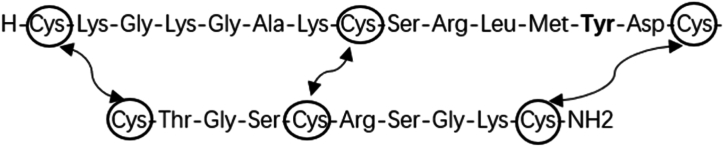
Managing severe chronic pain is a challenging task, given the limited effectiveness of available pharmacological and non-pharmacological treatments. This issue continues to be a significant public health concern, requiring a substantial therapeutic response. Ziconotide, a synthetic peptide initially isolated from in 1982 and approved by the US Food and Drug Administration and the European Medicines Agency in 2004, is the first-line intrathecal method for individuals experiencing severe chronic pain refractory to other therapeutic measures. Ziconotide produces powerful analgesia by blocking N-type calcium channels in the spinal cord, which inhibits the release of pain-relevant neurotransmitters from the central terminals of primary afferent neurons. However, despite possessing many favorable qualities, including the absence of tolerance development, respiratory depression, and withdrawal symptoms (largely due to the absence of a G-protein mediation mechanism), ziconotide's application is limited due to factors such as intrathecal administration and a narrow therapeutic window resulting from significant dose-related undesired effects of the central nervous system. This review aims to provide a comprehensive and clinically relevant summary of the literatures concerning the pharmacokinetics and metabolism of intrathecal ziconotide. It will also describe strategies intended to enhance clinical efficacy while reducing the incidence of side effects. Additionally, the review will explore the current efforts to refine the structure of ziconotide for better clinical outcomes. Lastly, it will prospect potential developments in the new class of selective N-type voltage-sensitive calcium-channel blockers.
鉴于现有药物和非药物治疗方法的有效性有限,管理严重慢性疼痛是一项具有挑战性的任务。这个问题仍然是一个重大的公共卫生问题,需要大量的治疗应对措施。齐考诺肽是一种合成肽,最初于1982年分离出来,并于2004年获得美国食品药品监督管理局和欧洲药品管理局的批准,是对其他治疗措施难治的严重慢性疼痛患者的一线鞘内用药方法。齐考诺肽通过阻断脊髓中的N型钙通道产生强大的镇痛作用,这抑制了初级传入神经元中枢终末释放与疼痛相关的神经递质。然而,尽管齐考诺肽具有许多有利特性,包括不存在耐受性发展、呼吸抑制和戒断症状(很大程度上是由于缺乏G蛋白介导机制),但其应用因鞘内给药以及中枢神经系统显著的剂量相关不良效应导致的治疗窗狭窄等因素而受到限制。本综述旨在提供有关鞘内注射齐考诺肽的药代动力学和代谢的文献的全面且与临床相关的总结。它还将描述旨在提高临床疗效同时降低副作用发生率的策略。此外,综述将探讨目前为优化齐考诺肽结构以获得更好临床结果所做的努力。最后,它将展望新型选择性N型电压敏感钙通道阻滞剂的潜在发展。