Wang Yuling, Xing Longzhu, He Hong-Ju, Zhang Jie, Chew Kit Wayne, Ou Xingqi
School of Agriculture, Henan Institute of Science and Technology, Xinxiang 453003, China.
School of Food Science, Henan Institute of Science and Technology, Xinxiang 453003, China.
Food Chem X. 2024 May 7;22:101449. doi: 10.1016/j.fochx.2024.101449. eCollection 2024 Jun 30.
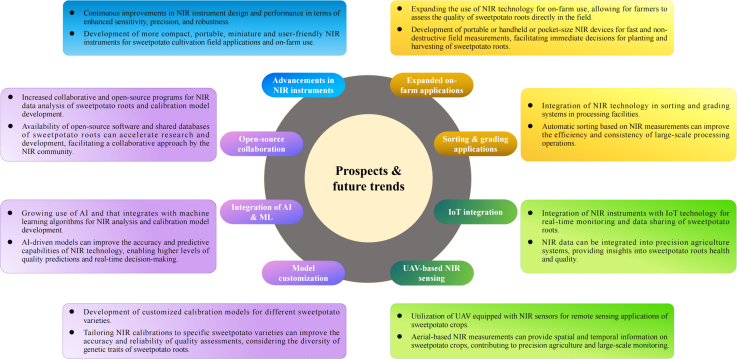
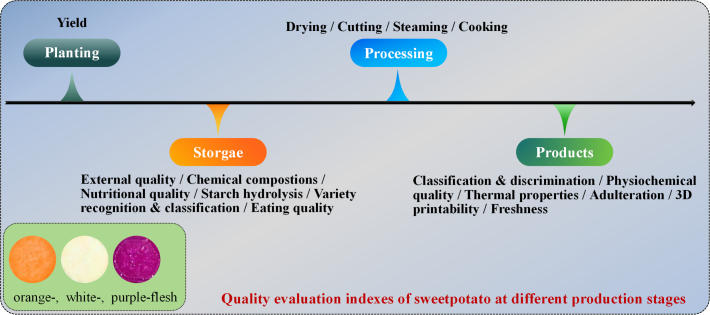
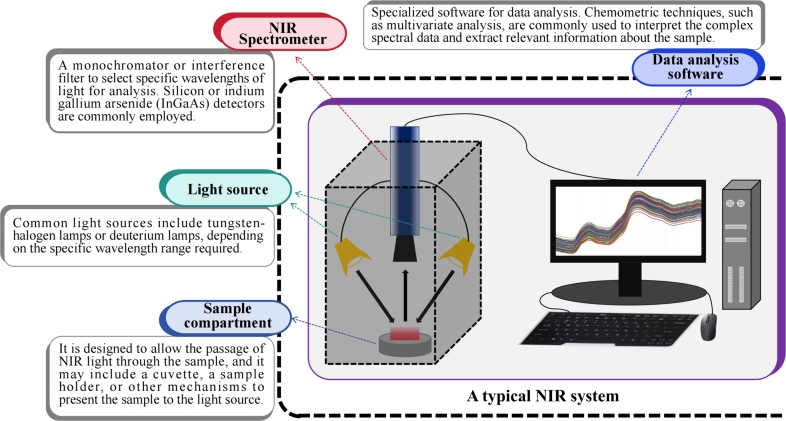
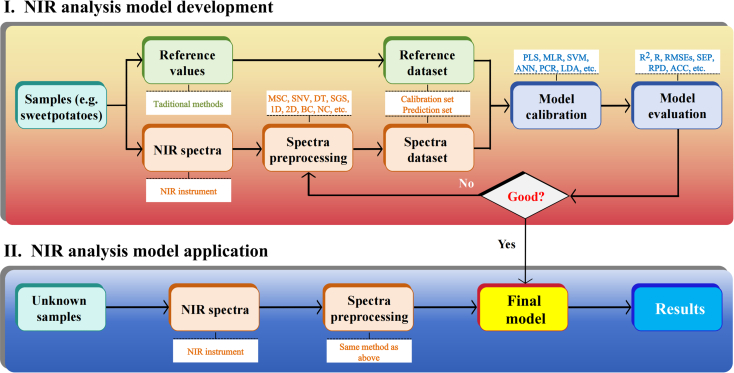
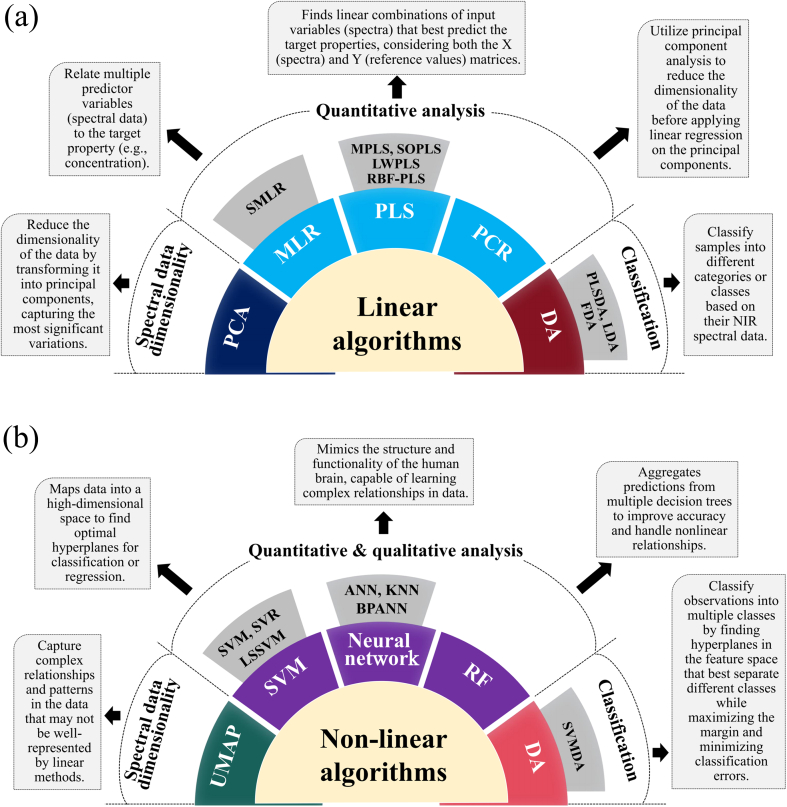
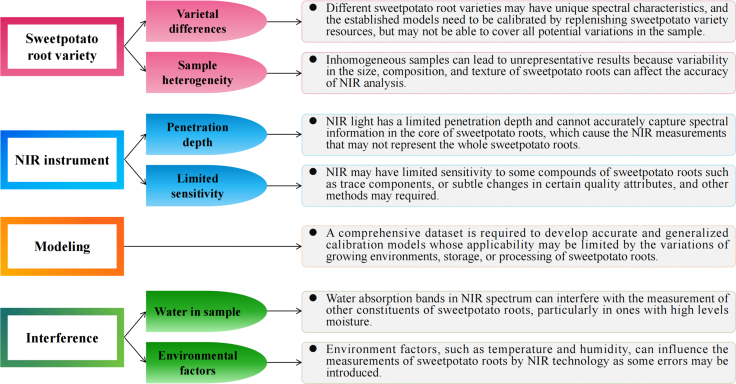
NIR sensors, in conjunction with advanced chemometric algorithms, have proven to be a powerful and efficient tool for intelligent quality evaluation of sweetpotato roots throughout the entire supply chain. By leveraging NIR data in different wavelength ranges, the physicochemical, nutritional and antioxidant compositions, as well as variety classification of sweetpotato roots during the different stages were adequately evaluated, and all findings involving quantitative and qualitative investigations from the beginning to the present were summarized and analyzed comprehensively. All chemometric algorithms including both linear and nonlinear employed in NIR analysis of sweetpotato roots were introduced in detail and their calibration performances in terms of regression and classification were assessed and discussed. The challenges and limitations of current NIR application in quality evaluation of sweetpotato roots are emphasized. The prospects and trends covering the ongoing advancements in software and hardware are suggested to support the sustainable and efficient sweetpotato processing and utilization.
近红外(NIR)传感器与先进的化学计量学算法相结合,已被证明是一种在整个供应链中对甘薯根进行智能品质评估的强大而高效的工具。通过利用不同波长范围内的近红外数据,对甘薯根在不同阶段的物理化学、营养和抗氧化成分以及品种分类进行了充分评估,并对从开始到现在涉及定量和定性研究的所有结果进行了全面总结和分析。详细介绍了在甘薯根近红外分析中使用的所有化学计量学算法,包括线性和非线性算法,并对其在回归和分类方面的校准性能进行了评估和讨论。强调了当前近红外技术在甘薯根品质评估应用中的挑战和局限性。提出了涵盖软硬件持续进步的前景和趋势,以支持可持续和高效的甘薯加工与利用。