Shyalika Chathurangi, Roy Kaushik, Prasad Renjith, Kalach Fadi El, Zi Yuxin, Mittal Priya, Narayanan Vignesh, Harik Ramy, Sheth Amit
Artificial Intelligence Institute, College of Engineering and Computing, University of South Carolina, Columbia, SC 29208, USA.
McNair Center for Aerospace Innovation and Research, Department of Mechanical Engineering, College of Engineering and Computing, University of South Carolina, Columbia, SC 29201, USA.
Sensors (Basel). 2024 May 20;24(10):3244. doi: 10.3390/s24103244.
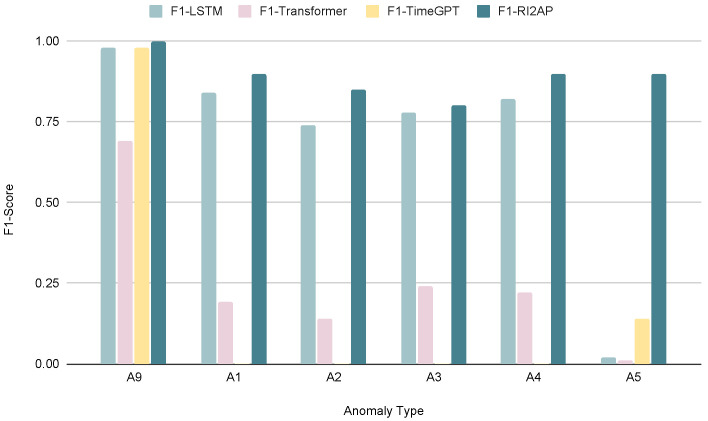
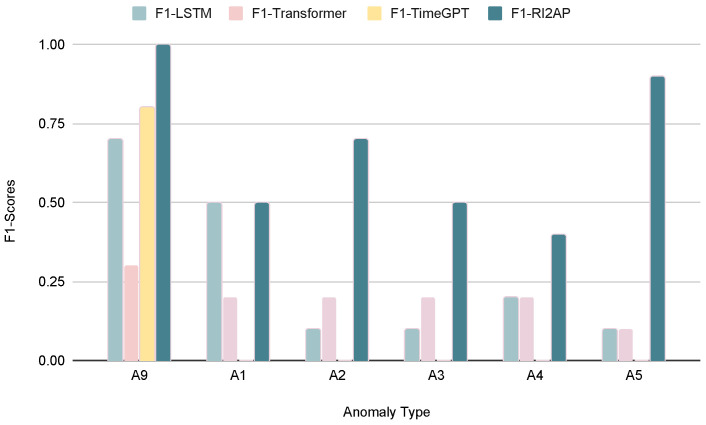
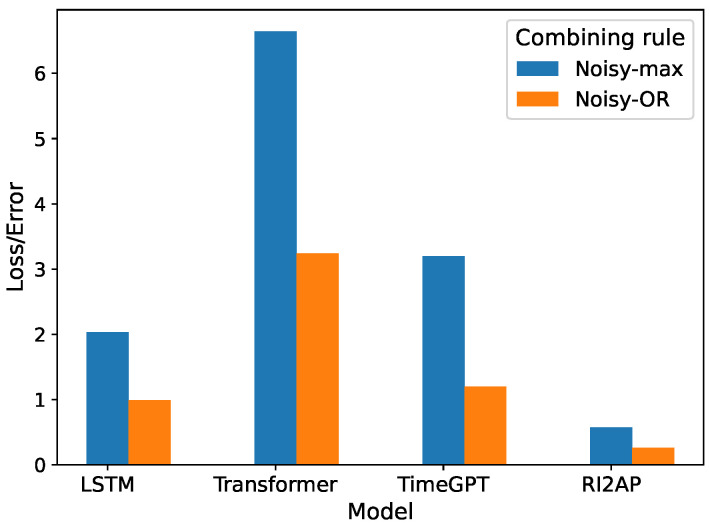
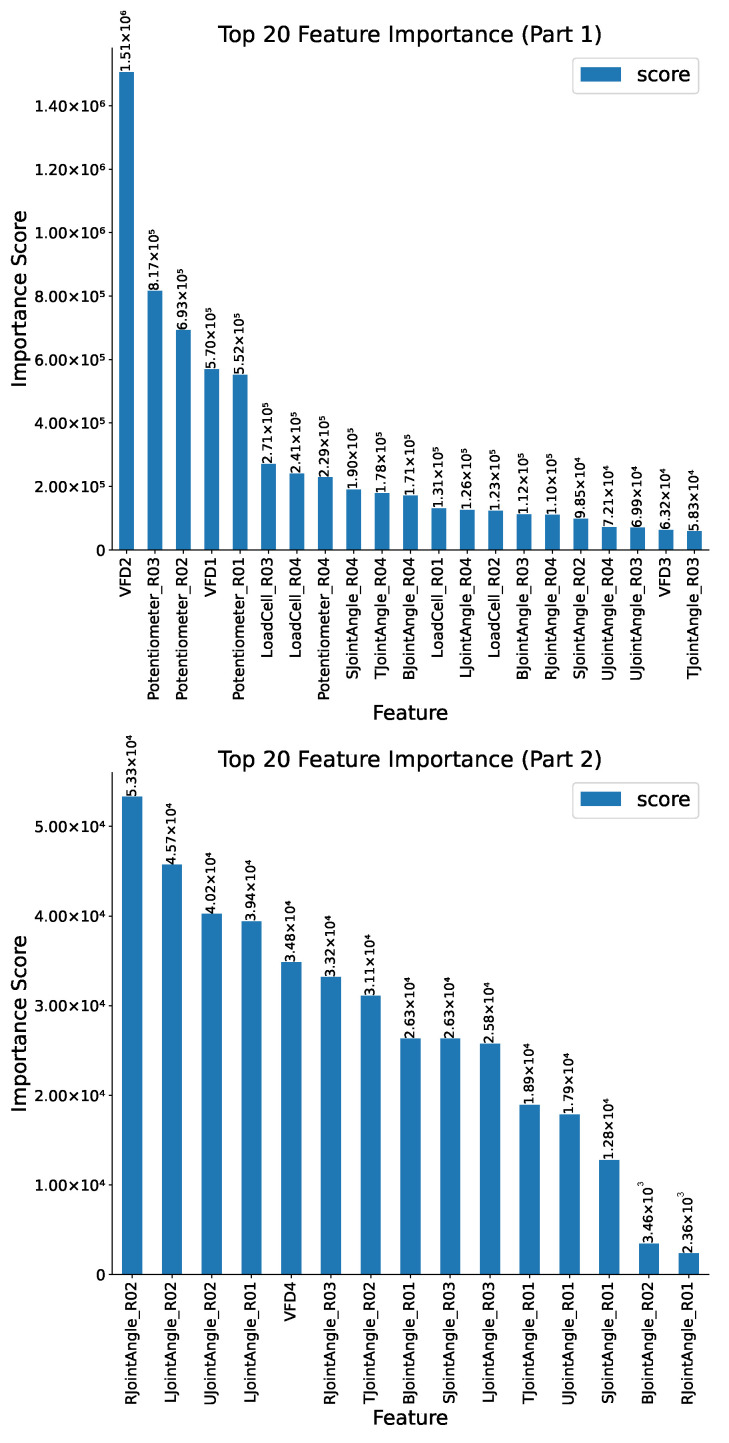
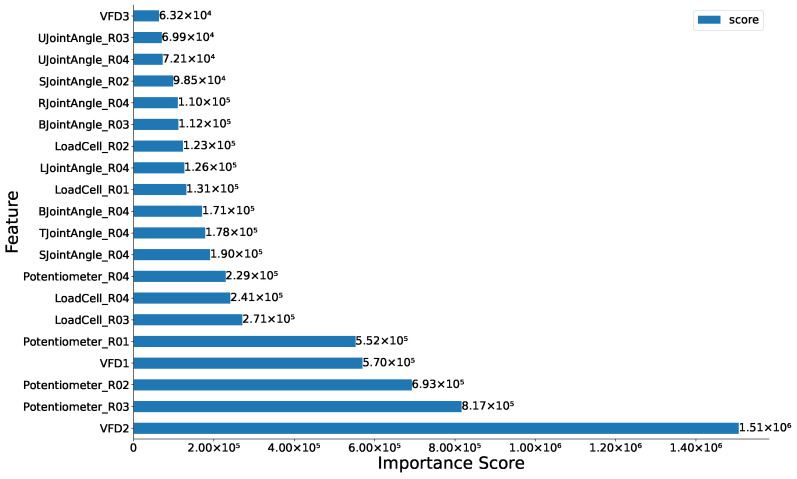
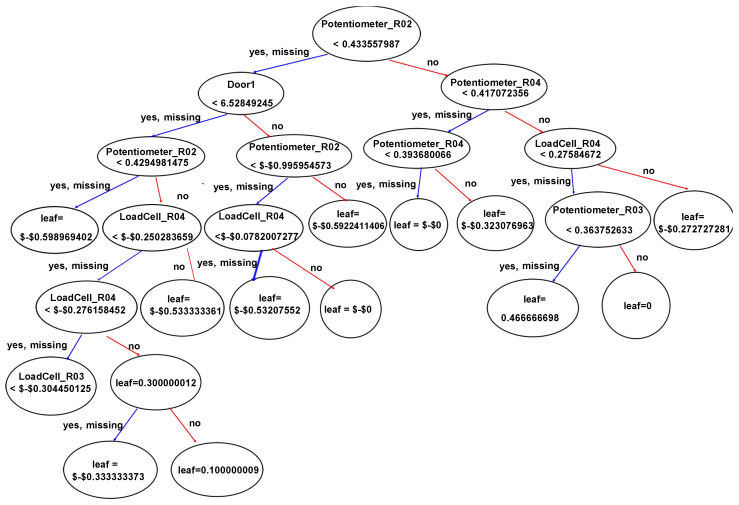
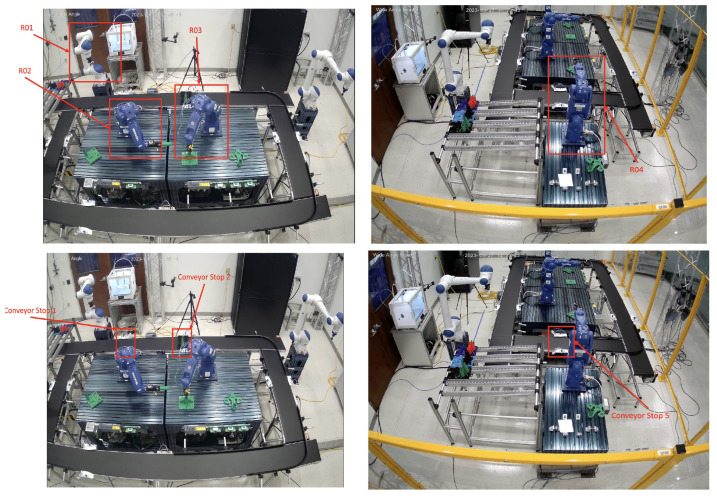
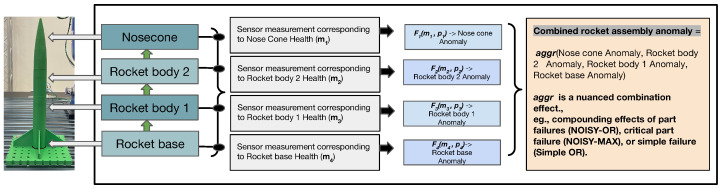
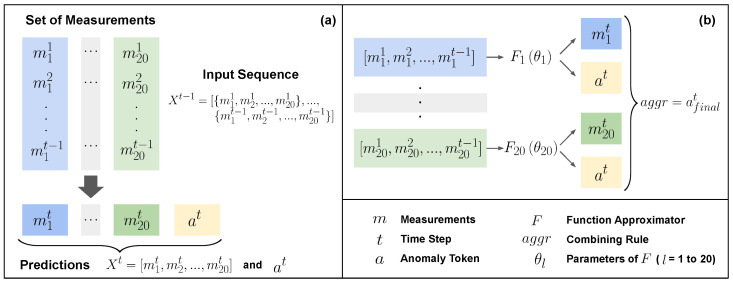
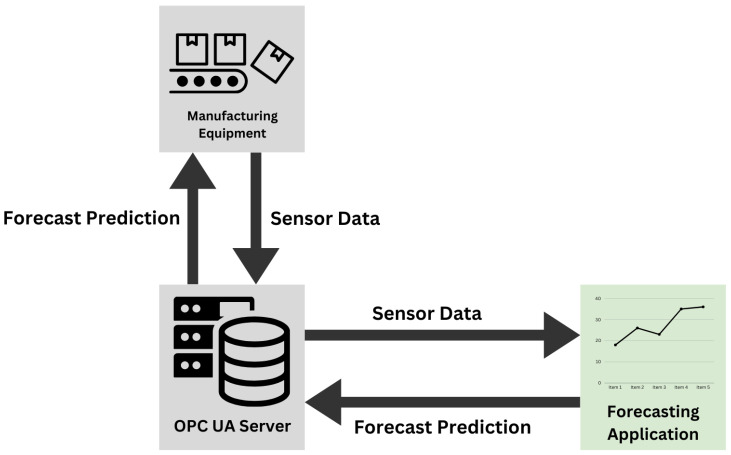
Predicting anomalies in manufacturing assembly lines is crucial for reducing time and labor costs and improving processes. For instance, in rocket assembly, premature part failures can lead to significant financial losses and labor inefficiencies. With the abundance of sensor data in the Industry 4.0 era, machine learning (ML) offers potential for early anomaly detection. However, current ML methods for anomaly prediction have limitations, with F1 measure scores of only 50% and 66% for prediction and detection, respectively. This is due to challenges like the rarity of anomalous events, scarcity of high-fidelity simulation data (actual data are expensive), and the complex relationships between anomalies not easily captured using traditional ML approaches. Specifically, these challenges relate to two dimensions of anomaly prediction: predicting when anomalies will occur and understanding the dependencies between them. This paper introduces a new method called Robust and Interpretable 2D Anomaly Prediction (RI2AP) designed to address both dimensions effectively. RI2AP is demonstrated on a rocket assembly simulation, showing up to a 30-point improvement in F1 measure compared to current ML methods. This highlights its potential to enhance automated anomaly prediction in manufacturing. Additionally, RI2AP includes a novel interpretation mechanism inspired by a causal-influence framework, providing domain experts with valuable insights into sensor readings and their impact on predictions. Finally, the RI2AP model was deployed in a real manufacturing setting for assembling rocket parts. Results and insights from this deployment demonstrate the promise of RI2AP for anomaly prediction in manufacturing assembly pipelines.
预测制造装配线中的异常情况对于降低时间和劳动力成本以及改进流程至关重要。例如,在火箭装配中,零部件过早失效可能导致重大的财务损失和劳动力效率低下。在工业4.0时代,由于传感器数据丰富,机器学习(ML)为早期异常检测提供了潜力。然而,当前用于异常预测的ML方法存在局限性,预测和检测的F1度量分数分别仅为50%和66%。这是由于异常事件罕见、高保真模拟数据稀缺(实际数据成本高昂)以及异常之间的复杂关系难以用传统ML方法捕捉等挑战所致。具体而言,这些挑战涉及异常预测的两个维度:预测异常何时会发生以及理解它们之间的依赖性。本文介绍了一种名为稳健且可解释的二维异常预测(RI2AP)的新方法,旨在有效解决这两个维度的问题。RI2AP在火箭装配模拟中得到了验证,与当前的ML方法相比,F1度量提高了多达30个百分点。这凸显了其在增强制造中的自动异常预测方面的潜力。此外,RI2AP包括一种受因果影响框架启发的新颖解释机制,为领域专家提供了关于传感器读数及其对预测影响的宝贵见解。最后,RI2AP模型被部署在一个用于组装火箭部件的实际制造环境中。此次部署的结果和见解证明了RI2AP在制造装配管道异常预测方面的前景。