The University of Virginia's College at Wise, Wise, VA, USA.
The Aquatic Wildlife Conservation Center, Virginia Department of Wildlife Resources, Marion, VA, USA.
Sci Rep. 2024 May 25;14(1):11958. doi: 10.1038/s41598-024-62245-2.
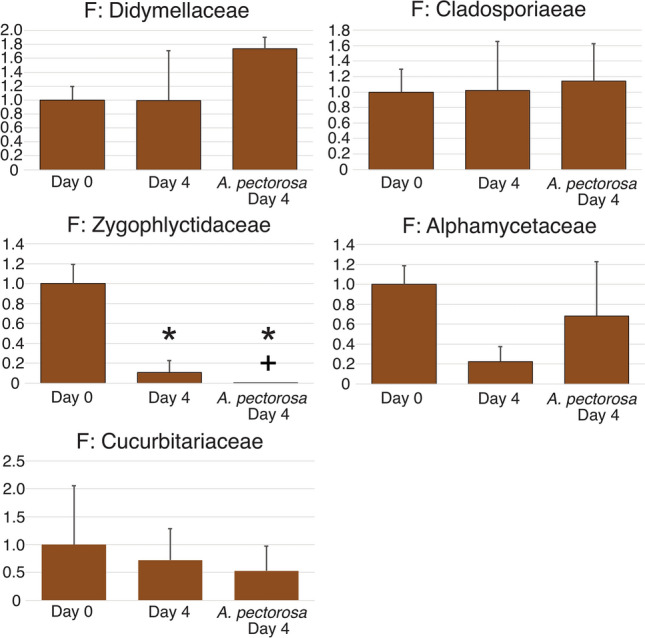
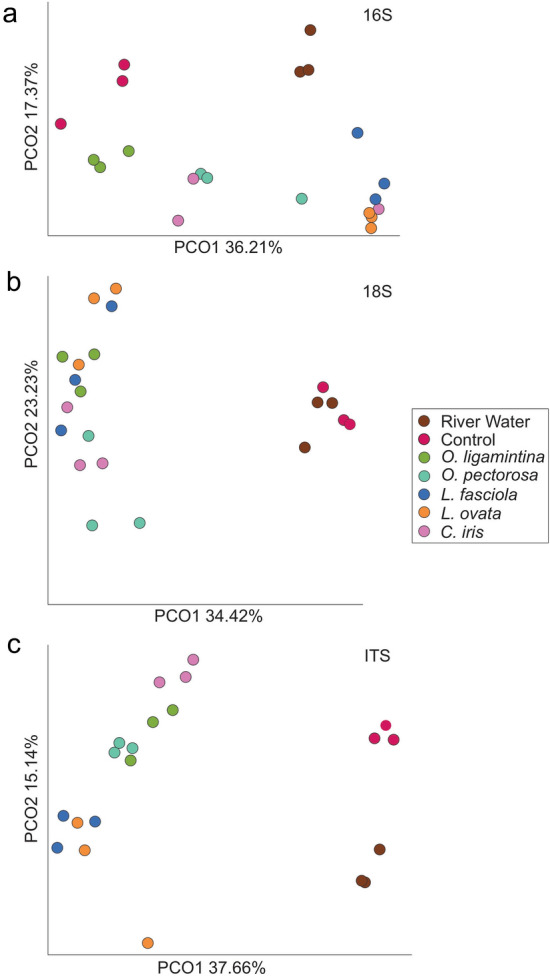
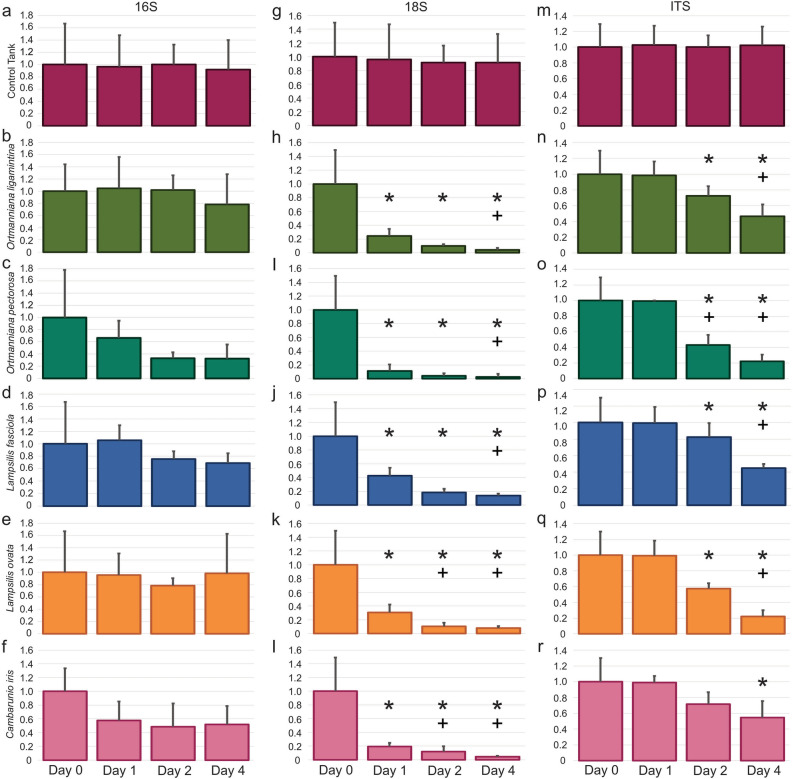
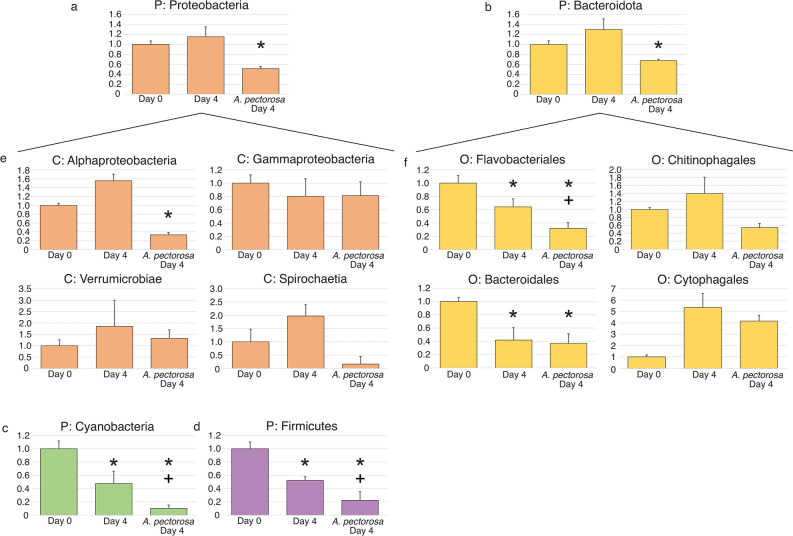
Freshwater mussels (Mollusca: Unionidae) play a crucial role in freshwater river environments where they live in multi-species aggregations and often serve as long-lived benthic ecosystem engineers. Many of these species are imperiled and it is imperative that we understand their basic needs to aid in the reestablishment and maintenance of mussel beds in rivers. In an effort to expand our knowledge of the diet of these organisms, five species of mussel were introduced into enclosed systems in two experiments. In the first, mussels were incubated in water from the Clinch River (Virginia, USA) and in the second, water from a manmade pond at the Commonwealth of Virginia's Aquatic Wildlife Conservation Center in Marion, VA. Quantitative PCR and eDNA metabarcoding were used to determine which planktonic microbes were present before and after the introduction of mussels into each experimental system. It was found that all five species preferentially consumed microeukaryotes over bacteria. Most microeukaryotic taxa, including Stramenopiles and Chlorophytes were quickly consumed by all five mussel species. We also found that they consumed fungi but not as quickly as the microalgae, and that one species of mussel, Ortmanniana pectorosa, consumed bacteria but only after preferred food sources were depleted. Our results provide evidence that siphon feeding Unionid mussels can select preferred microbes from mixed plankton, and mussel species exhibit dietary niche differentiation.
淡水贻贝(软体动物:贻贝科)在淡水河流环境中发挥着至关重要的作用,它们生活在多物种聚集区,通常是长寿命的底栖生态系统工程师。这些物种中的许多都受到威胁,我们必须了解它们的基本需求,以帮助在河流中重新建立和维护贻贝床。为了扩大对这些生物饮食的了解,将五种贻贝引入了两个封闭系统的实验中。在第一个实验中,贻贝在弗吉尼亚州克林奇河(美国)的水中孵化;在第二个实验中,贻贝在弗吉尼亚州马里恩市英联邦水产野生动物保护中心的人工池塘中孵化。使用定量 PCR 和 eDNA 代谢组学来确定在将贻贝引入每个实验系统前后存在哪些浮游微生物。结果发现,所有五个物种都优先消耗微真核生物而不是细菌。大多数微真核生物类群,包括鞭毛藻和绿藻,很快就被所有五种贻贝物种消耗掉了。我们还发现它们消耗真菌,但不如微藻类快,并且有一种贻贝,Ortmanniana pectorosa,消耗细菌,但只有在优先食物源耗尽后才消耗细菌。我们的研究结果表明,虹吸式进食的贻贝可以从混合浮游生物中选择优先的微生物,并且贻贝物种表现出饮食生态位分化。