Forensic Medicine and Clinical Toxicology Department, Faculty of Medicine, Minia University, Minya, Egypt.
Histology and Cell Biology Department, Faculty of Medicine, Minia University, Minya, Egypt.
Int J Legal Med. 2024 Sep;138(5):2021-2036. doi: 10.1007/s00414-024-03249-5. Epub 2024 May 27.
Finding a dead body in water raises an issue concerning determining the cause of death as drowning because of the complex pathophysiology of drowning. In addition, the corpse may be submersed postmortem.
Evaluate the role of oxidative stress markers and NF-KB/iNOS inflammatory pathway as diagnostic biomarkers in drowning and whether they could differentiate freshwater from saltwater drowning.
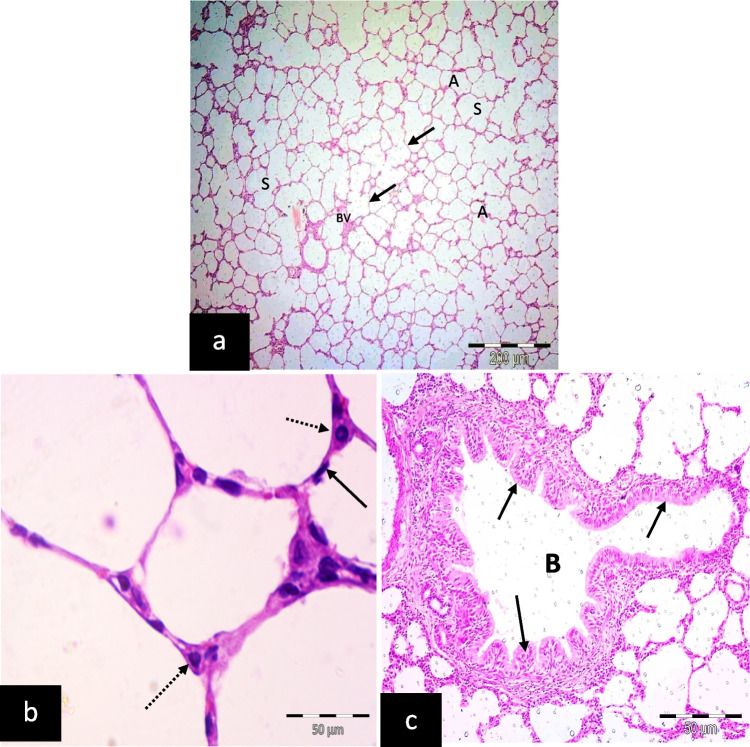
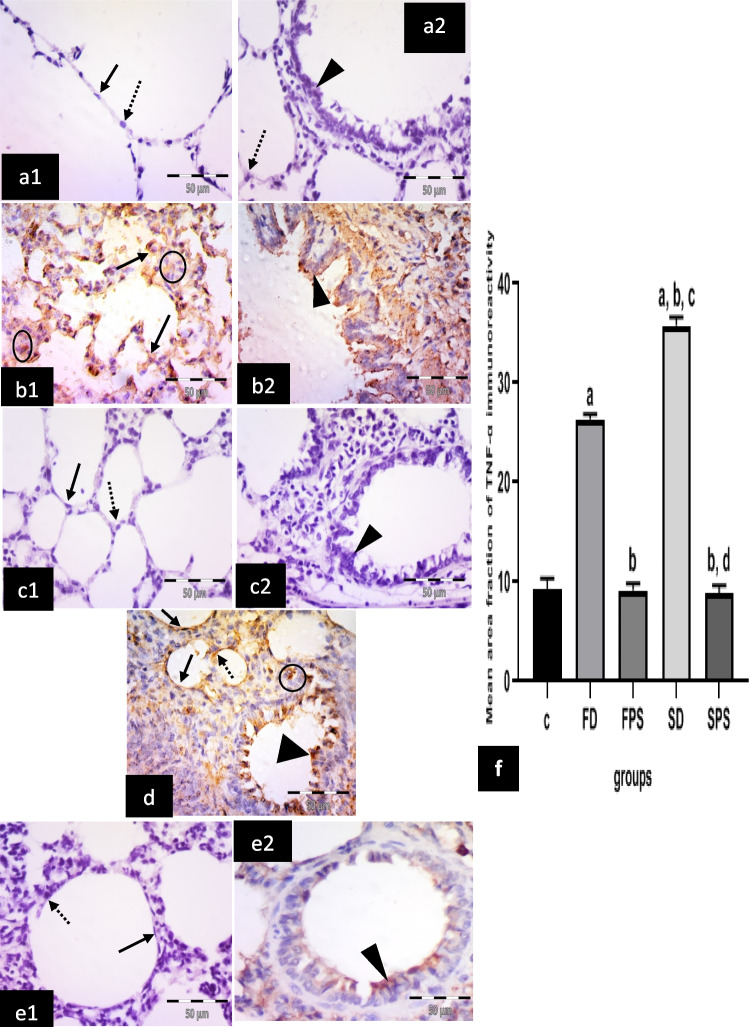
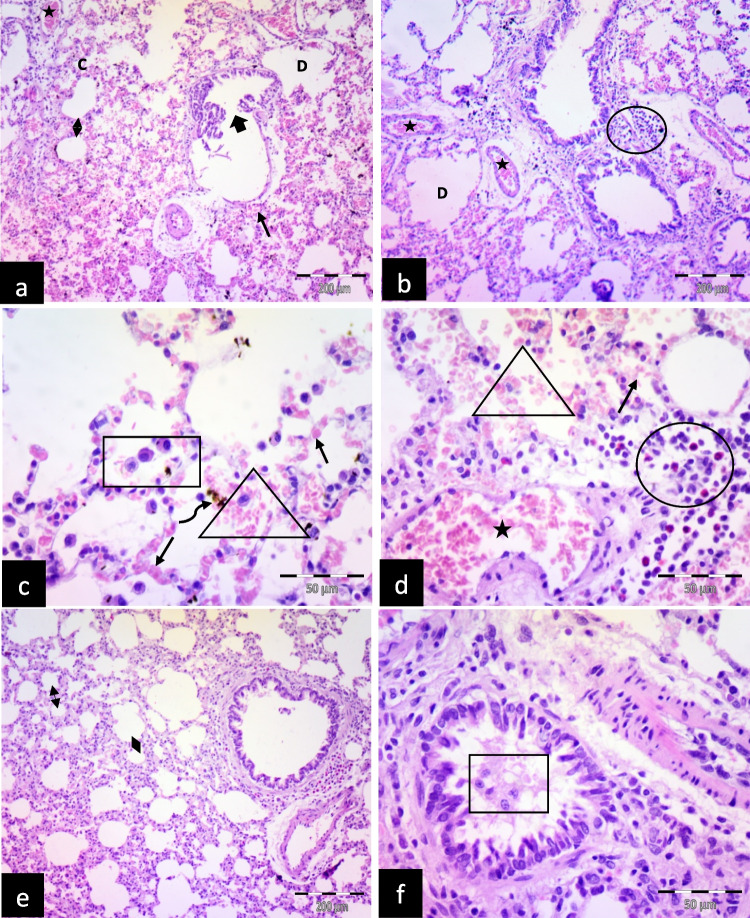
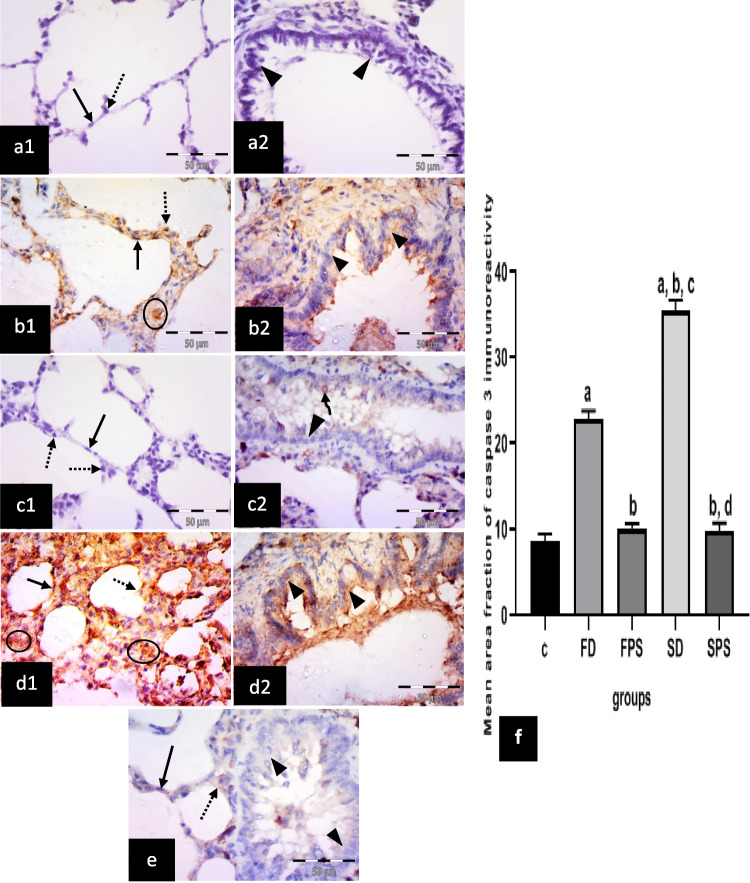
This study included forty-five adult male albino rats classified into five groups: control group (C), Freshwater-drowned group (FD), Freshwater postmortem submersion group (FPS), saltwater-drowned group (SD), and saltwater postmortem submersion group (SPS). After the autopsy, the rats' lungs in each group were prepared for histological, immunohistochemical (caspase 3, TNF-α, NF-kB, COX-2 & iNOS), biochemical studies; MDA, NOx, SOD, GSH, VCAM-1, COX-2; and RT-PCR for the relative quantification of NF-kB and iNOS genes expression.
Lung oxidative markers were significantly affected in drowned groups than in postmortem submersion groups. Inflammatory pathway markers were also significantly increased in the drowned groups, with concern that all markers were significantly affected more in saltwater than in freshwater drowned group.
It is concluded that the tested markers can be used accurately in diagnosing drowning and differentiating it from postmortem submersion with a better understanding of the mechanism of death in drowning as both mechanisms, inflammatory and oxidative stress, were revealed and involved.
在水中发现尸体时,由于溺水的复杂病理生理学,会引发死因是否为溺水的问题。此外,尸体可能在死后被淹没。
评估氧化应激标志物和 NF-KB/iNOS 炎症途径作为溺水的诊断生物标志物的作用,以及它们是否可以区分淡水和咸水溺水。
本研究包括 45 只成年雄性白化大鼠,分为五组:对照组 (C)、淡水溺水组 (FD)、淡水死后浸泡组 (FPS)、咸水溺水组 (SD) 和咸水死后浸泡组 (SPS)。尸检后,每组大鼠的肺组织用于组织学、免疫组织化学(半胱天冬酶 3、TNF-α、NF-kB、COX-2 和 iNOS)、生化研究;MDA、NOx、SOD、GSH、VCAM-1、COX-2;以及 RT-PCR 用于 NF-kB 和 iNOS 基因表达的相对定量。
与死后浸泡组相比,溺水组的肺氧化标志物明显受到影响。炎症途径标志物也明显增加,所有标志物在咸水溺水组中受影响的程度明显大于淡水溺水组。
可以得出结论,这些测试的标志物可以准确用于诊断溺水,并将其与死后浸泡区分开来,更好地了解溺水的死亡机制,因为炎症和氧化应激这两种机制都被揭示并涉及其中。