Department of Thoracic Surgery, The First Affiliated Hospital of Xinxiang Medical University, Weihui, Henan, China.
Esophageal Cancer Institute of Xinxiang Medical University, Weihui, Henan, China.
Immun Inflamm Dis. 2024 May;12(5):e1266. doi: 10.1002/iid3.1266.
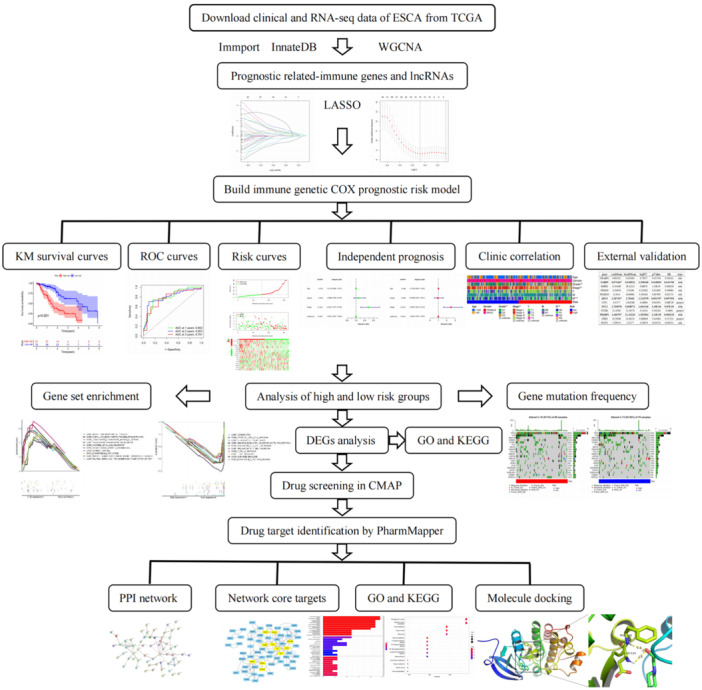
Esophageal cancer (ESCA) is a highly invasive malignant tumor with poor prognosis. This study aimed to discover a generalized and high-sensitivity immune prognostic signature that could stratify ESCA patients and predict their overall survival, and to discover potential therapeutic drugs by the connectivity map.
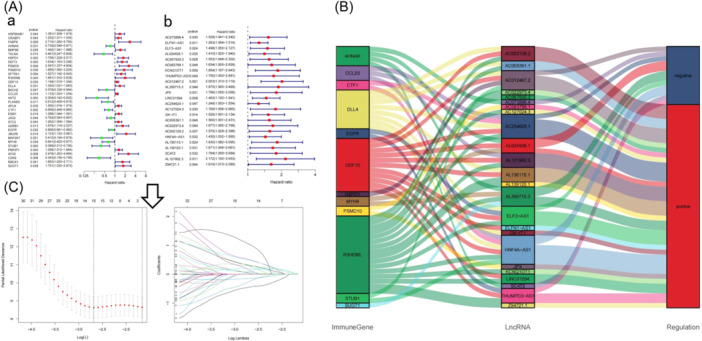
The key gene modules significantly related to clinical traits (survival time and state) of ESCA patients were selected by weighted gene coexpression network analysis (WCGNA), then the univariate and least absolute shrinkage and selection operator (LASSO) Cox regression analyses were used to construct a 15-immune-related gene prognostic signature.
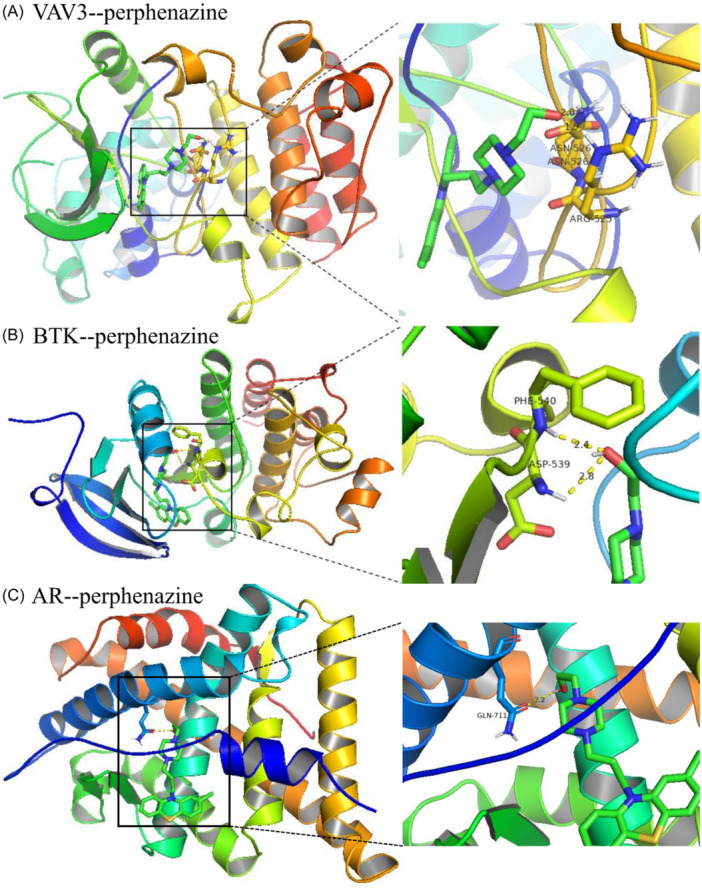
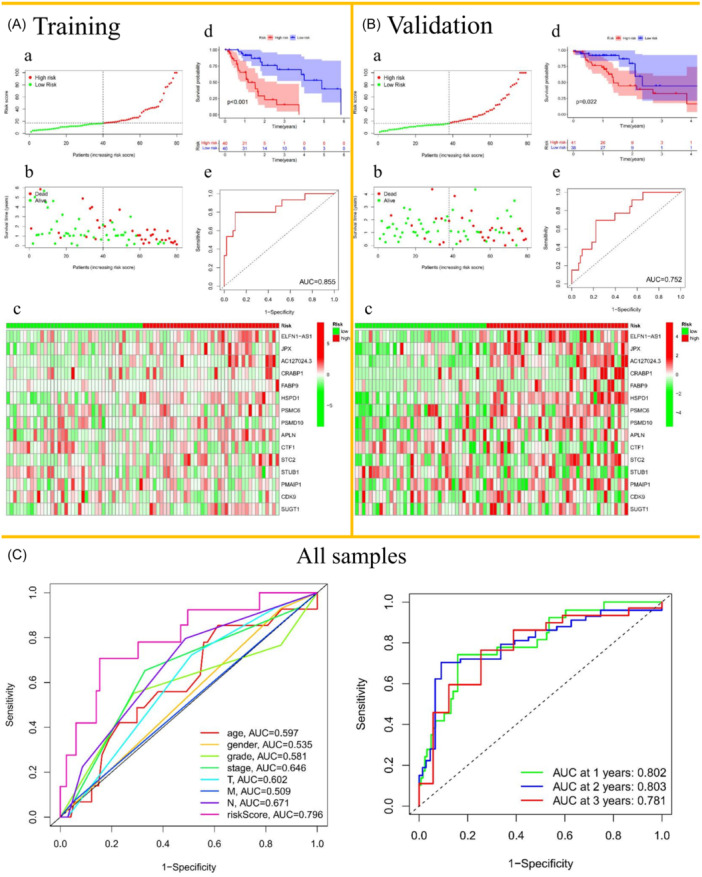
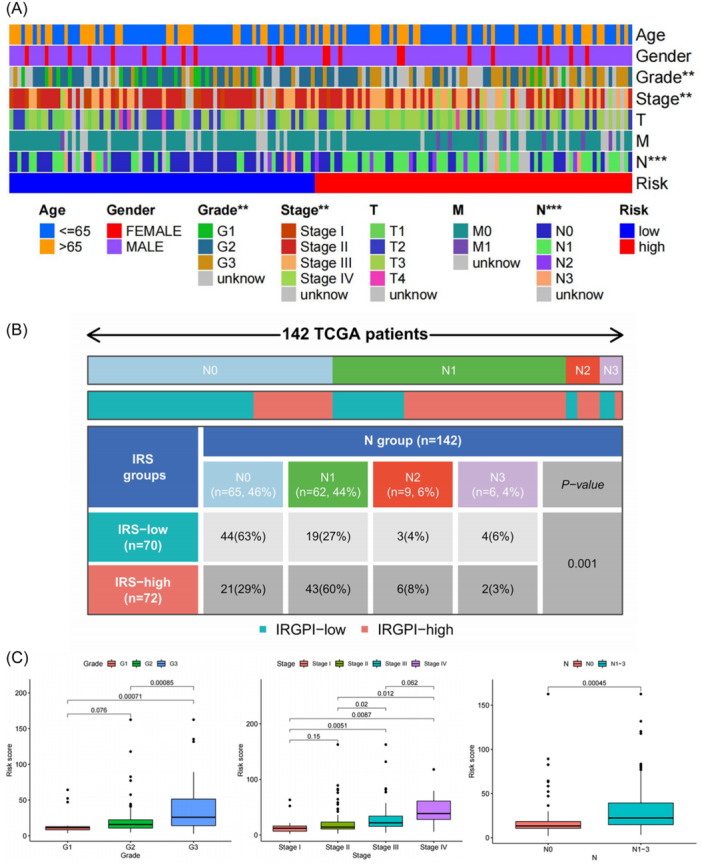
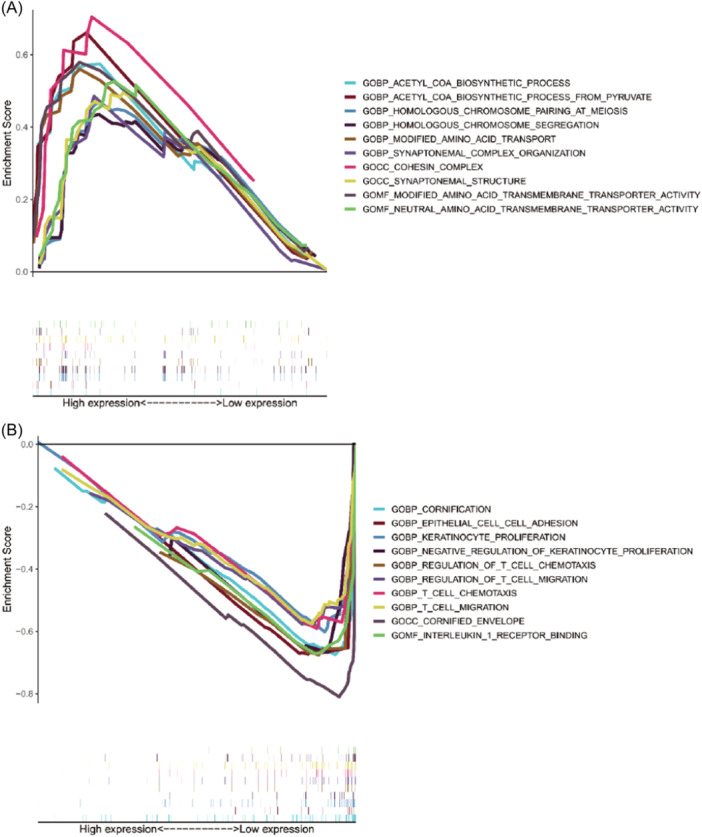
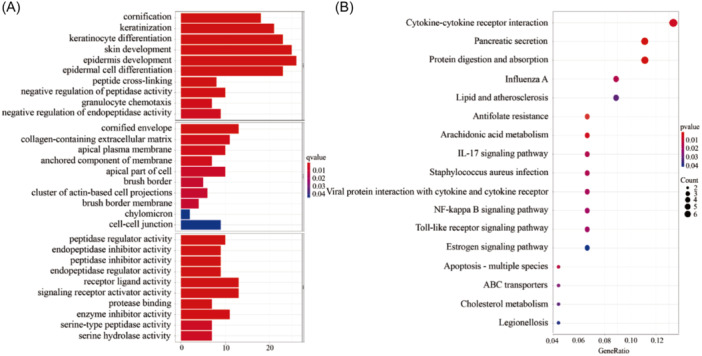
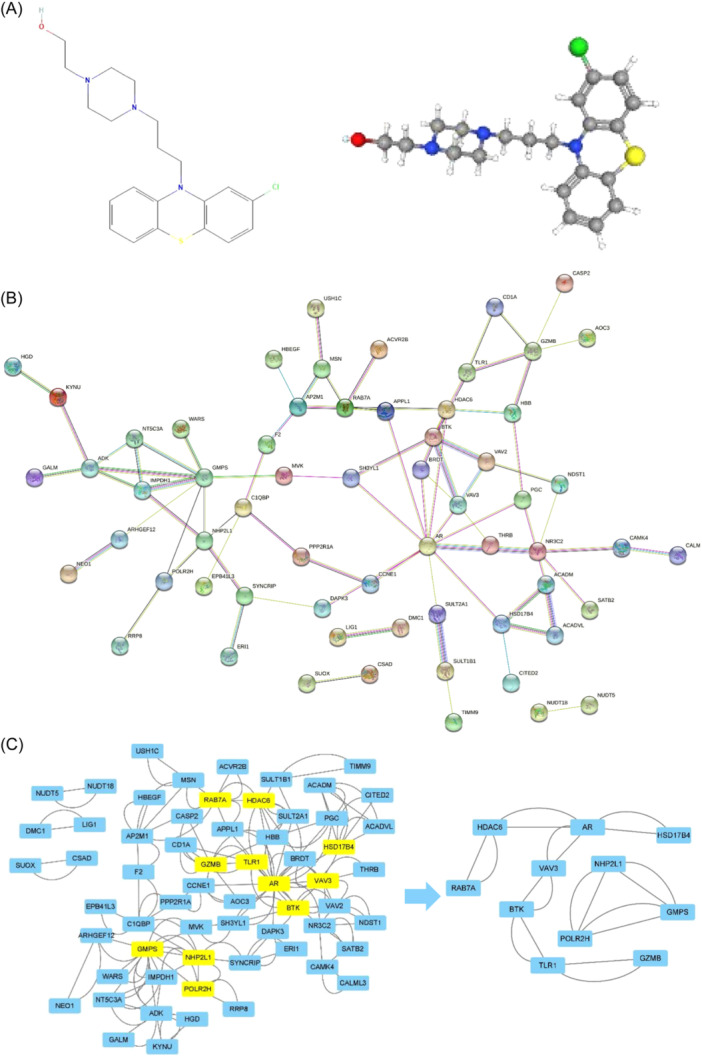
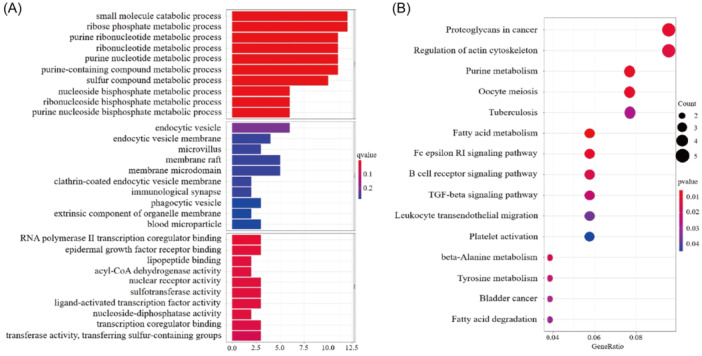
The immune-related risk model was related to clinical and pathologic factors and remained an effective independent prognostic factor. Enrichment analyses revealed that the differentially expressed genes (DEGs) of the high- and low-risk groups were associated with tumor cell proliferation and immune mechanisms. Based on the gathered data, a small molecule drug named perphenazine (PPZ) was elected. The pharmacological analysis indicates that PPZ could help in adjuvant therapy of ESCA through regulation of metabolic process and cellular proliferation, enhancement of immunologic functions, and inhibition of inflammatory reactions. Furthermore, molecular docking was performed to explore and verify the PPZ-core target interactions.
We succeed in structuring the immune-related prognostic model, which could be used to distinguish and predict patients' survival outcome, and screening a small molecule drug named PPZ. Prospective studies also are needed to further validate its analytical accuracy for estimating prognoses and confirm the potential use of PPZ for treating ESCA.
食管癌(ESCA)是一种侵袭性强、预后差的恶性肿瘤。本研究旨在发现一种通用的、高灵敏度的免疫预后特征,以对 ESCA 患者进行分层并预测其总生存期,并通过连接图谱发现潜在的治疗药物。
通过加权基因共表达网络分析(WCGNA)选择与 ESCA 患者临床特征(生存时间和状态)显著相关的关键基因模块,然后使用单变量和最小绝对收缩和选择算子(LASSO)Cox 回归分析构建 15 个免疫相关基因预后特征。
免疫相关风险模型与临床和病理因素相关,仍然是一种有效的独立预后因素。富集分析显示,高低风险组的差异表达基因(DEGs)与肿瘤细胞增殖和免疫机制有关。基于收集的数据,选择了一种名为奋乃静(PPZ)的小分子药物。药理分析表明,PPZ 通过调节代谢过程和细胞增殖、增强免疫功能和抑制炎症反应,有助于 ESCA 的辅助治疗。此外,还进行了分子对接以探索和验证 PPZ 的核心靶标相互作用。
我们成功构建了免疫相关的预后模型,可以用于区分和预测患者的生存结果,并筛选出一种名为 PPZ 的小分子药物。还需要进行前瞻性研究进一步验证其对估计预后的分析准确性,并确认 PPZ 治疗 ESCA 的潜在用途。