Beijing University of Chinese Medicine, Beijing, 100102, China.
Sci Rep. 2020 Jul 29;10(1):12745. doi: 10.1038/s41598-020-69708-2.
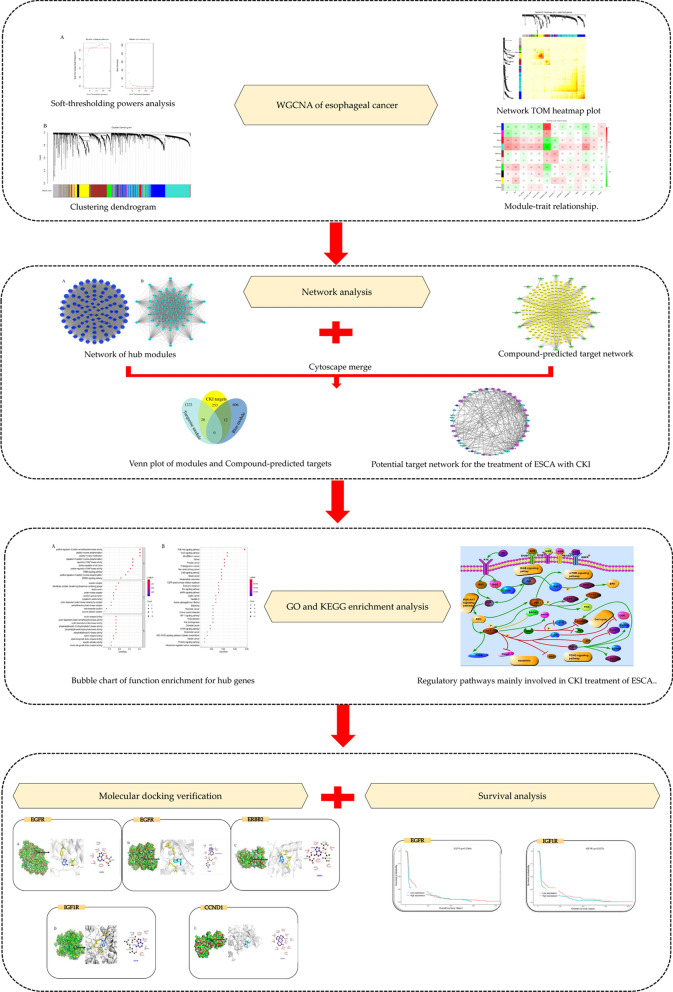
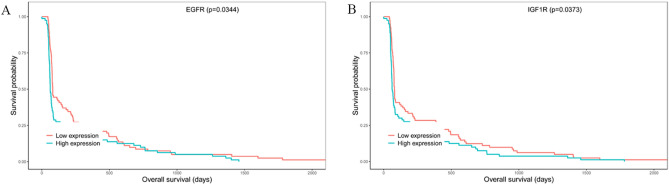
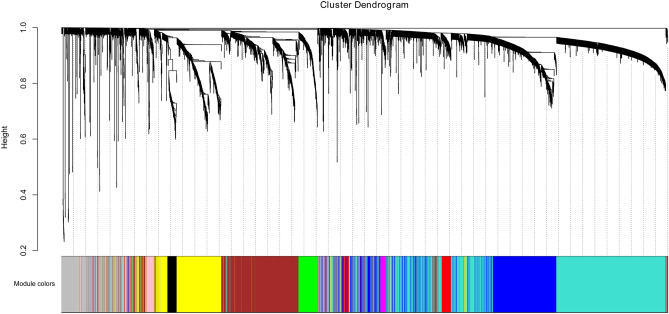
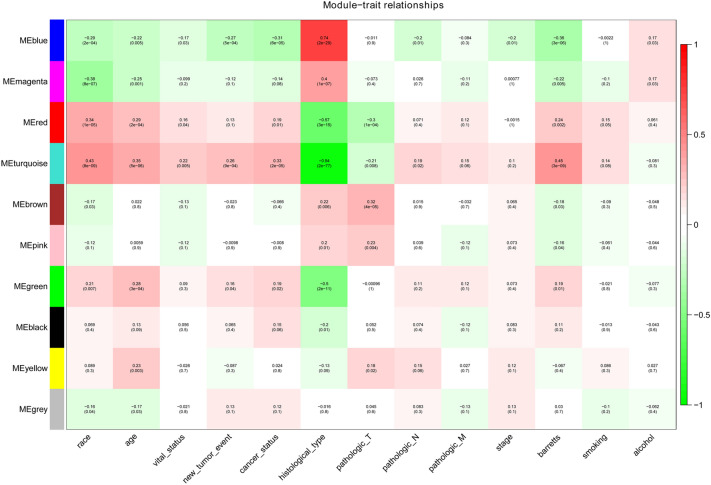
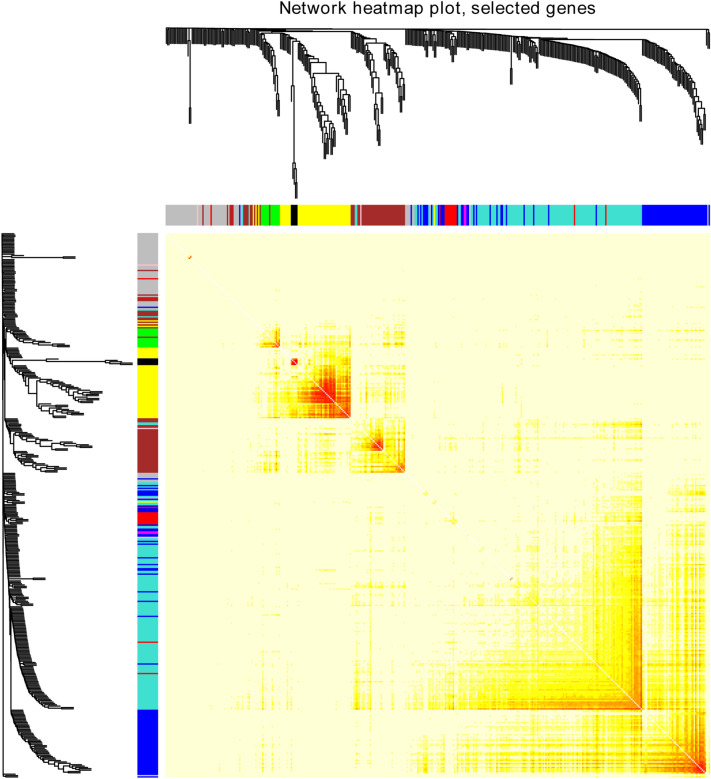
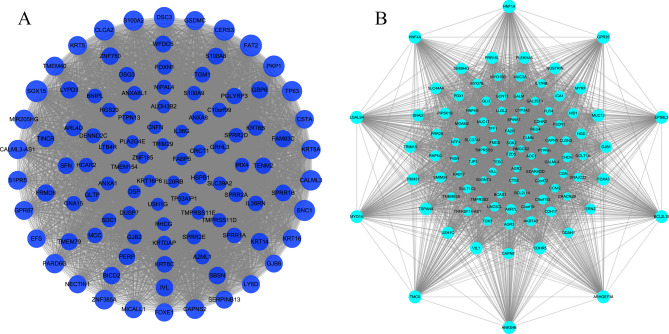
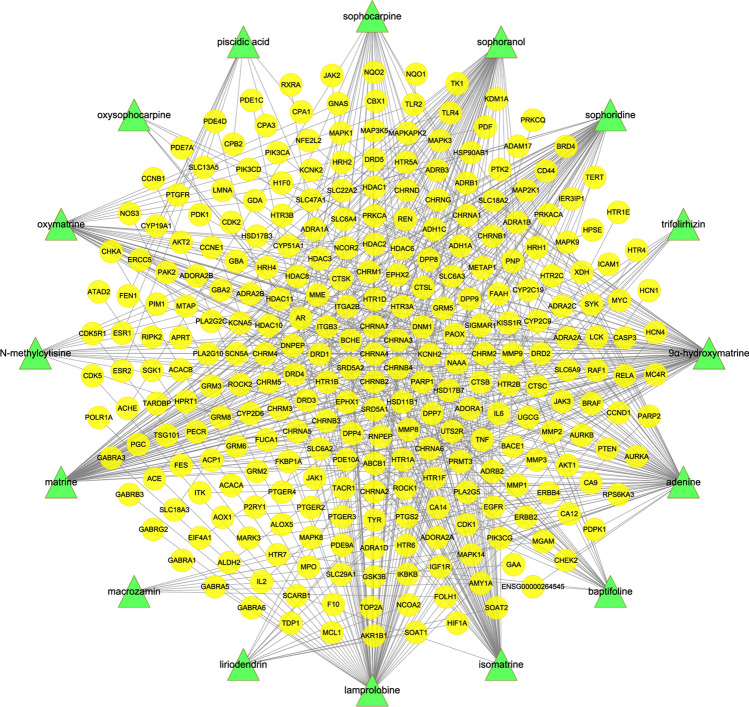
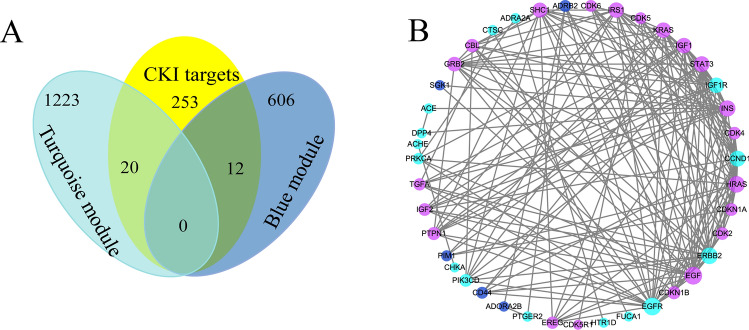
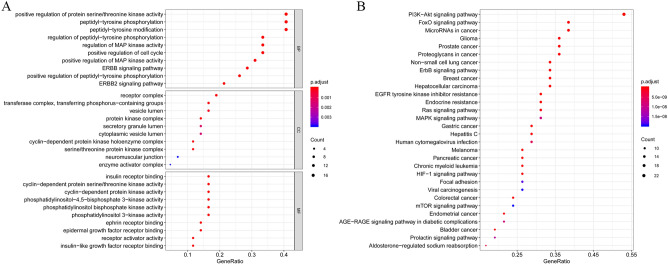
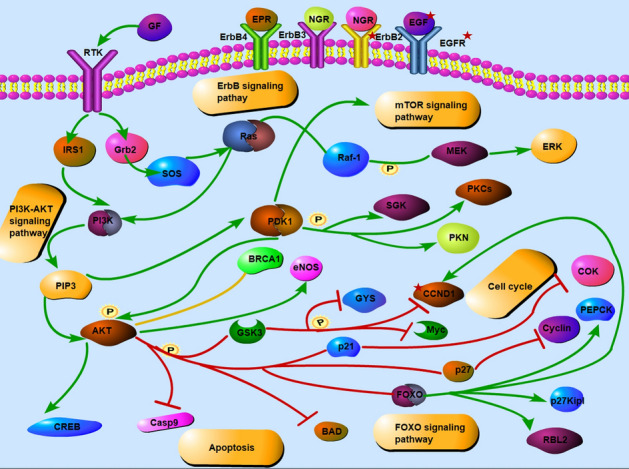
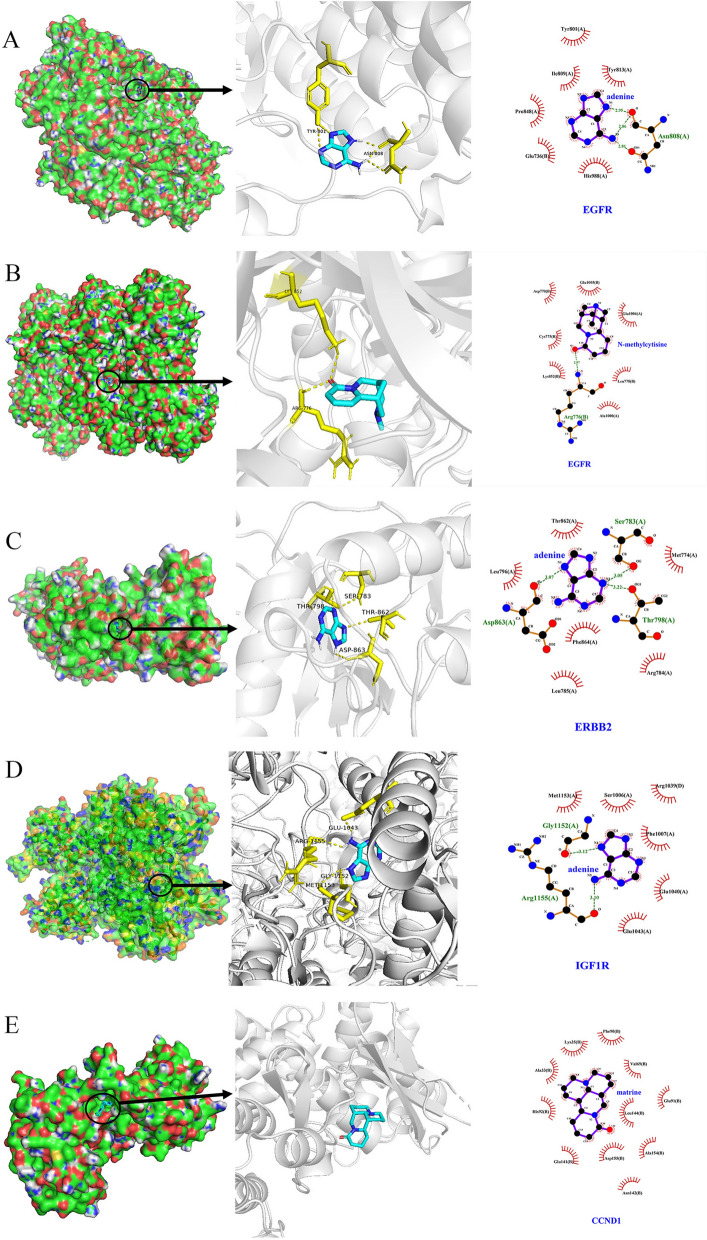
Compound Kushen injection (CKI), a medicine in widespread clinical use in China, has proven therapeutic effects on cancer. However, few molecular mechanism analyses have been carried out. To address this problem, bioinformatics approaches combining weighted gene co-expression network analysis with network pharmacology methods were undertaken to elucidate the underlying molecular mechanisms of CKI in the treatment of esophageal cancer (ESCA). First, the key gene modules related to the clinical traits of ESCA were analysed by WCGNA. Based on the results, the hub genes related to CKI treatment for ESCA were explored through network pharmacology. Molecular docking simulation was performed to recognize the binding activity of hub genes with CKI compounds. The results showed that the potential hub targets, including EGFR, ErbB2, CCND1 and IGF1R, are therapeutic targets of CKI for the treatment of ESCA. Moreover, these targets were significantly enriched in many pathways related to cancer and signalling pathways, such as the PI3K-Akt signalling pathway and ErbB signalling pathway. In conclusion, this research partially highlighted the molecular mechanism of CKI in the treatment of ESCA, offering great potential in the identification of the effective compounds in CKI and biomarkers for ESCA treatment.
复方苦参注射液(CKI)是一种在中国广泛临床应用的药物,已被证明对癌症具有治疗作用。然而,目前针对其作用机制的分子生物学分析较少。为解决这一问题,本研究采用生物信息学方法,将加权基因共表达网络分析与网络药理学方法相结合,探讨 CKI 治疗食管癌(ESCA)的潜在分子机制。首先,通过 WGCNA 分析与 ESCA 临床特征相关的关键基因模块。在此基础上,通过网络药理学方法探讨与 CKI 治疗 ESCA 相关的关键基因。采用分子对接模拟识别关键基因与 CKI 化合物的结合活性。结果表明,潜在的关键靶点,包括 EGFR、ErbB2、CCND1 和 IGF1R,是 CKI 治疗 ESCA 的治疗靶点。此外,这些靶点显著富集在与癌症和信号通路相关的许多途径中,如 PI3K-Akt 信号通路和 ErbB 信号通路。综上所述,本研究部分阐明了 CKI 治疗 ESCA 的分子机制,为鉴定 CKI 中的有效化合物和 ESCA 治疗的生物标志物提供了重要依据。