Laboratory of Modelling, Simulation, and Visualization (LMSV), Physics Department, University of Calabria (ITALY), Cubo 17/B, Ponte Bucci, 87036, Rende, CS, Italy.
Sci Rep. 2024 May 28;14(1):12250. doi: 10.1038/s41598-024-59782-1.
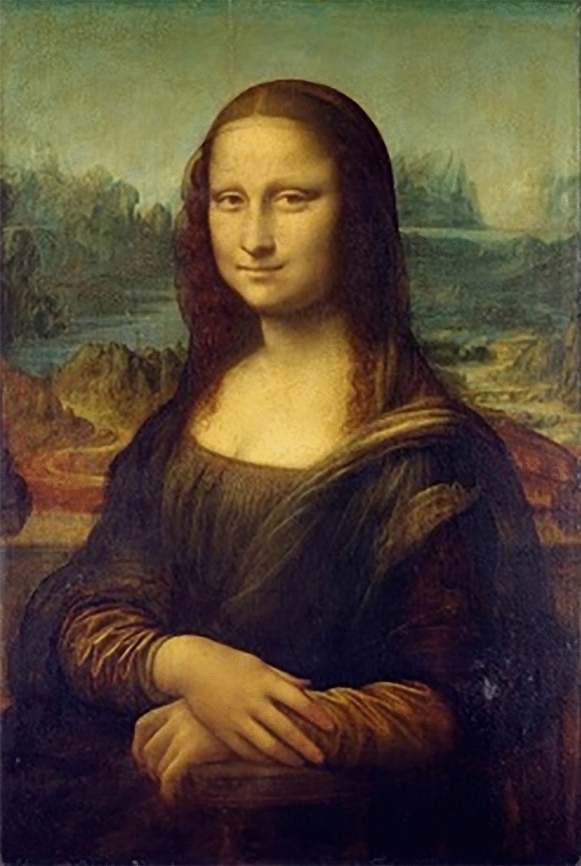
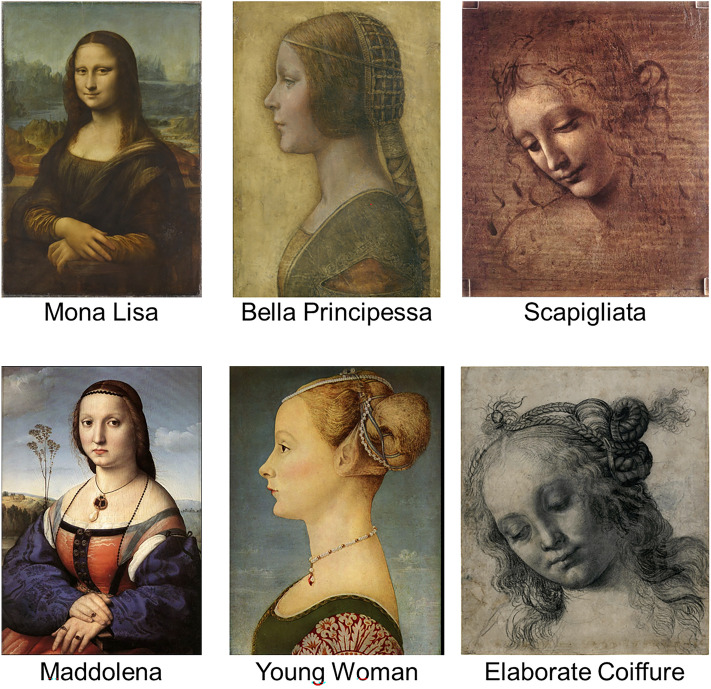
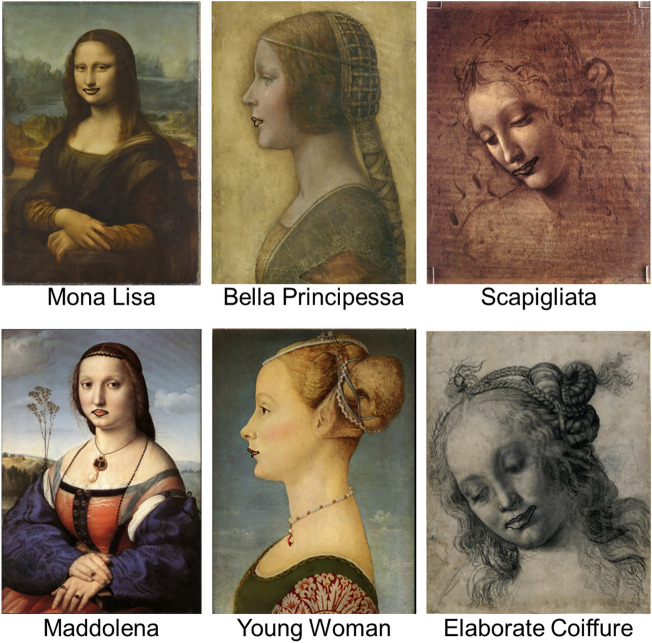
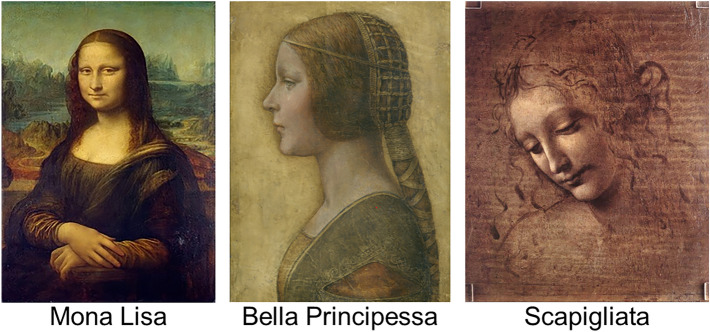
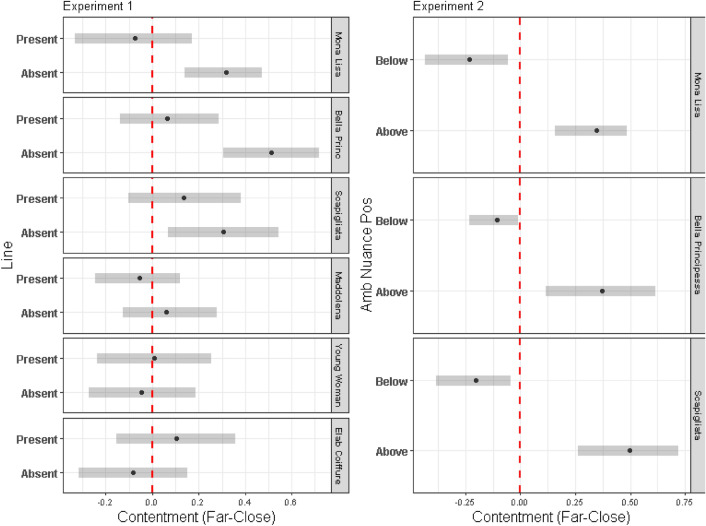
Mona Lisa's ambiguous expression, oscillating between melancholy and contentment, has captivated viewers for centuries, prompting diverse explanations. This article proposes a novel interpretation grounded in the psychological theory of perceptual organisation. Central to the investigation is the "Ambiguity-Nuance", a subtly shaded, blended region framing the upper part of the lips, hypothesised to influence perceived expression due to perceptual organization. Through carefully crafted artwork and systematic manipulations of Mona Lisa reproductions, experiments reveal how alterations in the perceptual relationships of the Ambiguity-Nuance yield significant shifts in perceived expression, explaining why Mona Lisa's appearance changes and under which conditions she looks content versus melancholic based on perceptual organization. These findings underscore the pivotal role of psychological principles in shaping ambiguous expressions in the Mona Lisa, and extend to other Leonardo's portraits, namely La Bella Principessa and Scapigliata. This study sheds light on the intersection of psychology and art, offering new perspectives on timeless masterpieces.
蒙娜丽莎那模棱两可的表情,在忧郁和满足之间摇摆不定,几个世纪以来一直吸引着观众,引发了各种解释。本文提出了一种基于感知组织心理学理论的新解释。研究的核心是“模糊-细微差别”,这是一个微妙的阴影区域,框住了嘴唇的上半部分,假设由于感知组织,它会影响感知到的表情。通过精心制作的艺术品和对蒙娜丽莎复制品的系统操作,实验揭示了模糊-细微差别感知关系的改变如何导致感知到的表情发生显著变化,解释了为什么蒙娜丽莎的外貌会发生变化,以及在什么条件下她看起来是忧郁的还是满足的,这都是基于感知组织。这些发现强调了心理学原理在塑造蒙娜丽莎的模糊表情中的关键作用,并扩展到了达芬奇的其他肖像画,即《美丽的公主》和《斯卡拉皮娅》。这项研究揭示了心理学和艺术的交汇点,为永恒的杰作提供了新的视角。