Savarino Edoardo Vincenzo, Barbara Giovanni, Bilò Maria Beatrice, De Bortoli Nicola, Di Sabatino Antonio, Oliva Salvatore, Penagini Roberto, Racca Francesca, Tortora Annalisa, Rumi Filippo, Cicchetti Americo
Department of Surgery, Oncology and Gastroenterology, University of Padua, Padua, Italy.
Gastroenterology Unit, Azienda Ospedale Università di Padova, Padua, Italy.
Therap Adv Gastroenterol. 2024 May 27;17:17562848241249570. doi: 10.1177/17562848241249570. eCollection 2024.
Eosinophilic esophagitis (EoE) is recognized as a chronic type 2 inflammatory disease characterized by the eosinophilic infiltration of the esophageal tissue, posing a significant disease burden and highlighting the necessity for novel management strategies to address unmet clinical needs.
To critically evaluate the existing literature on the epidemiology and management of EoE, identify evidence gaps, and assess the efficacy of current and emerging treatment modalities.
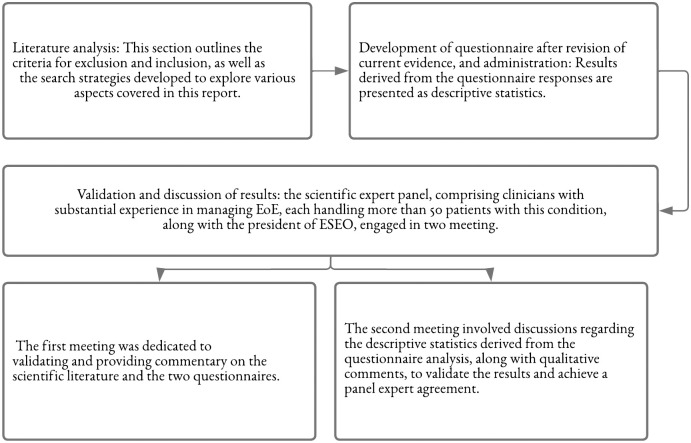
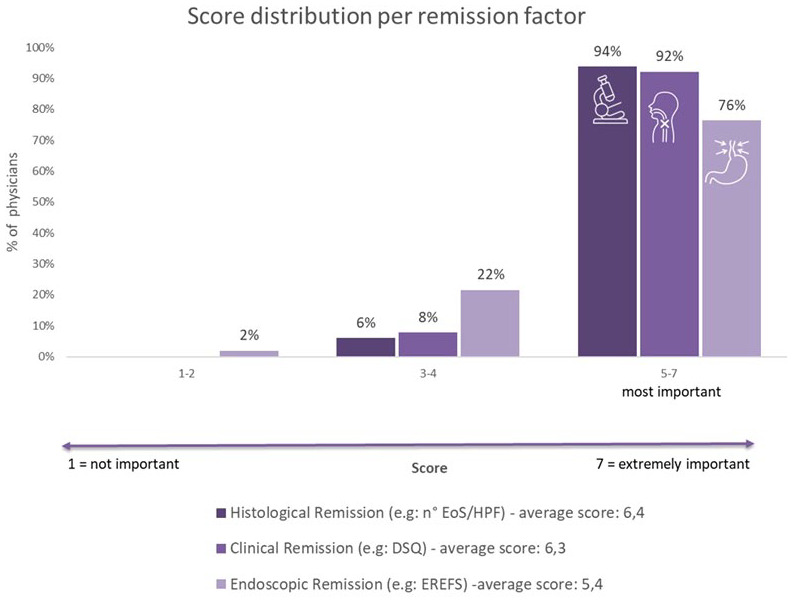
An extensive literature review was conducted, focusing on the epidemiological trends, diagnostic challenges, and therapeutic interventions for EoE. This was complemented by a survey among physicians and consultations with a scientific expert panel, including a patient's association (ESEO Italia), to enrich the study findings.
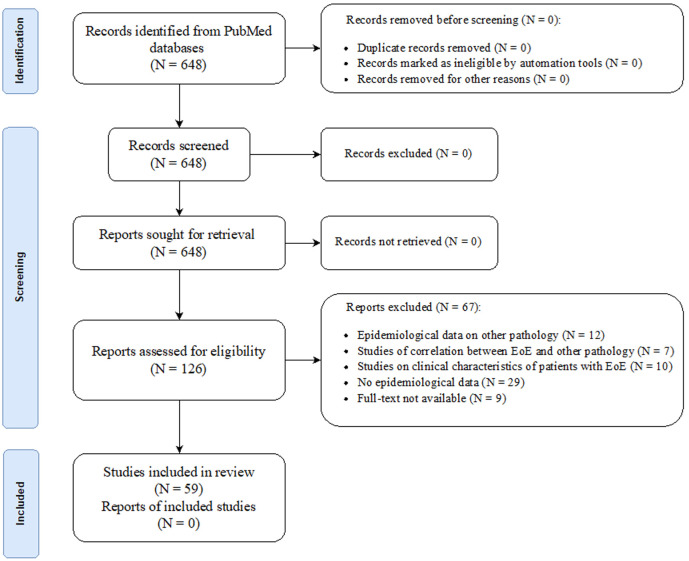
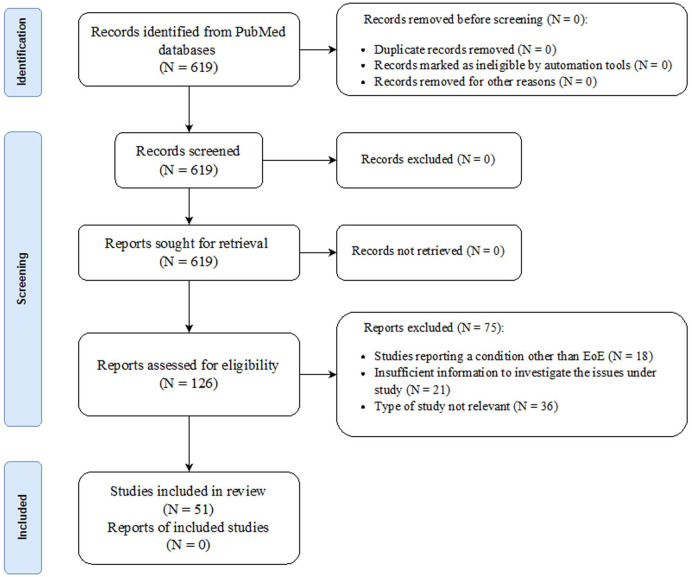
The review followed the Preferred Reporting Items for Systematic Reviews and Meta-Analyses (PRISMA) guidelines, scrutinizing epidemiological studies and management research to compile comprehensive insights into the disease's landscape. The physician survey and expert panel discussions aimed to bridge identified evidence gaps.
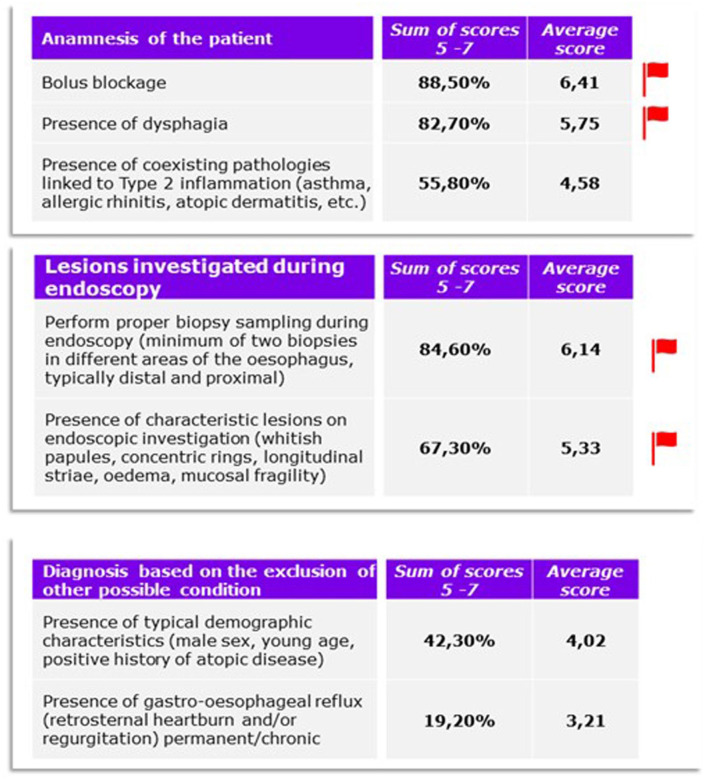
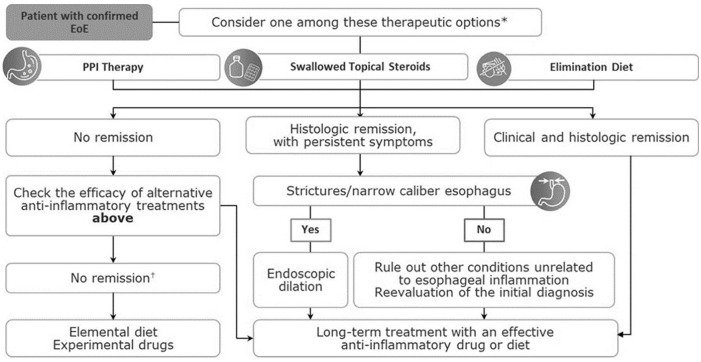
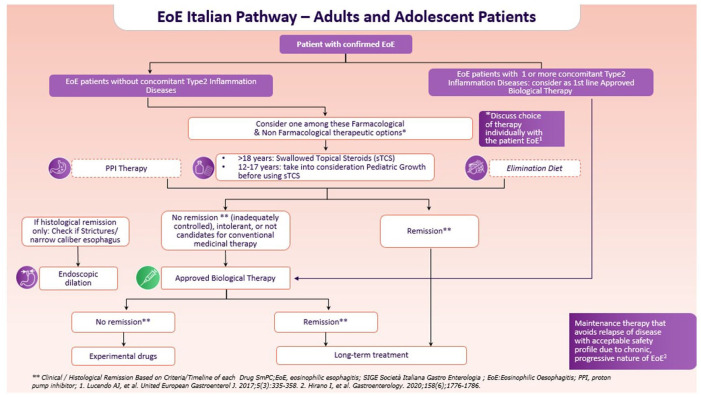
The review included 59 epidemiological and 51 management studies, uncovering variable incidence and prevalence rates of EoE globally, with an estimated diagnosed prevalence of 41 per 100,000 in Italy. Diagnostic challenges were identified, including nonspecific symptoms and the lack of definitive biomarkers, which complicate the use of endoscopy. Treatment options such as elimination diets, proton-pump inhibitors, and swallowed corticosteroids were found to have varying success rates, while Dupilumab, an emerging therapy targeting interleukin (IL)-4 and IL-13, shows promise.
Despite advancements in understanding and managing EoE, significant unmet clinical needs remain, particularly in biomarker identification, therapy personalization, and cost-effectiveness evaluation. A comprehensive, multidimensional approach to patient management is required, emphasizing the importance of early symptom recognition, accurate diagnosis, and tailored treatment strategies. Dupilumab offers potential as a novel treatment, underscoring the need for future research to explore the economic and social dimensions of EoE care pathways.
嗜酸性食管炎(EoE)是一种公认的慢性2型炎症性疾病,其特征为食管组织嗜酸性粒细胞浸润,造成重大疾病负担,并凸显了采用新的管理策略以满足未满足的临床需求的必要性。
严格评估关于EoE流行病学和管理的现有文献,识别证据空白,并评估当前及新兴治疗方式的疗效。
进行了广泛的文献综述,重点关注EoE的流行病学趋势、诊断挑战和治疗干预措施。通过对医生进行调查并与包括患者协会(意大利ESEO)在内的科学专家小组进行磋商,以丰富研究结果。
该综述遵循系统评价和Meta分析的首选报告项目(PRISMA)指南,审查流行病学研究和管理研究,以汇编对该疾病情况的全面见解。医生调查和专家小组讨论旨在弥合已识别的证据空白。
该综述纳入了59项流行病学研究和51项管理研究,发现全球EoE的发病率和患病率各不相同,意大利估计的确诊患病率为每10万人中有41例。确定了诊断挑战,包括非特异性症状和缺乏明确的生物标志物,这使得内镜检查的应用变得复杂。发现消除饮食、质子泵抑制剂和吞咽皮质类固醇等治疗选择的成功率各不相同,而针对白细胞介素(IL)-4和IL-13的新兴疗法度普利尤单抗显示出前景。
尽管在理解和管理EoE方面取得了进展,但仍存在重大未满足的临床需求,特别是在生物标志物识别、治疗个性化和成本效益评估方面。需要一种全面、多维度的患者管理方法,强调早期症状识别、准确诊断和量身定制的治疗策略的重要性。度普利尤单抗作为一种新型治疗方法具有潜力,这突出了未来研究探索EoE护理途径的经济和社会层面的必要性。