Department of Laboratory Medicine, Wujin Hospital Affiliated With Jiangsu University, Changzhou, 213017, China.
Department of Laboratory Medicine, School of Medicine, Jiangsu University, Zhenjiang, 212013, China.
Cell Mol Biol Lett. 2024 May 31;29(1):82. doi: 10.1186/s11658-024-00596-4.
Hepatic stellate cells (HSCs) play a crucial role in the development of fibrosis in non-alcoholic fatty liver disease (NAFLD). Small extracellular vesicles (sEV) act as mediators for intercellular information transfer, delivering various fibrotic factors that impact the function of HSCs in liver fibrosis. In this study, we investigated the role of lipotoxic hepatocyte derived sEV (LTH-sEV) in HSCs activation and its intrinsic mechanisms.
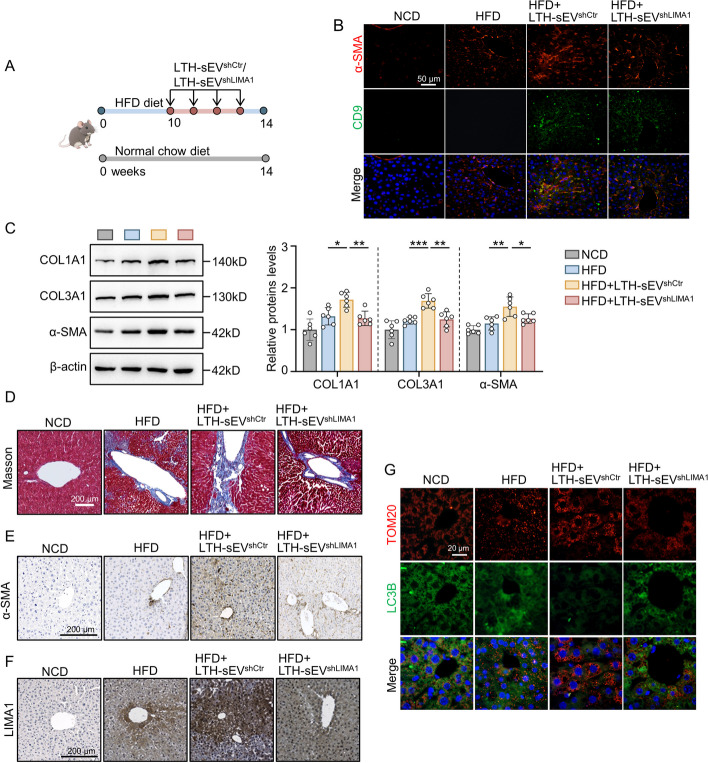
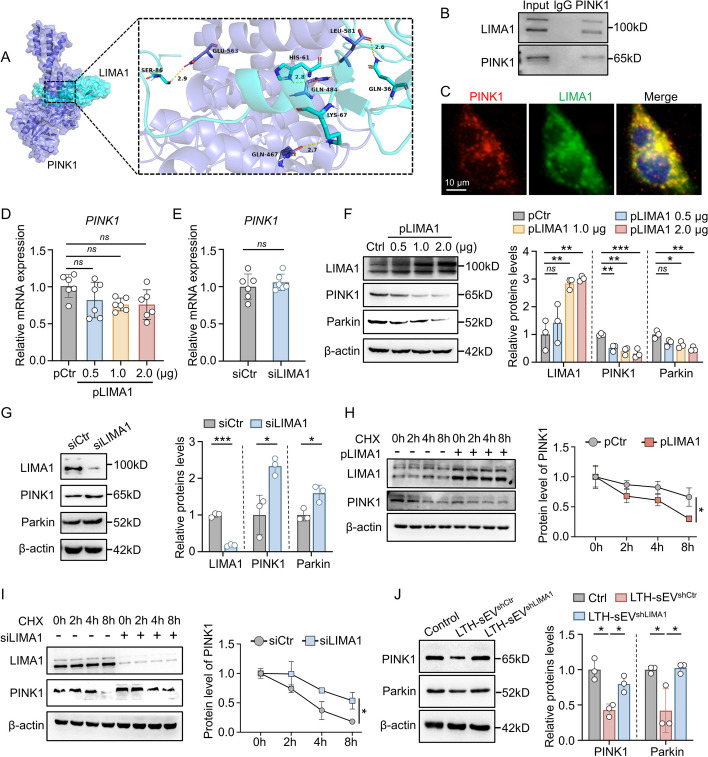
High-fat diet (HFD) mice model was constructed to confirm the expression of LIMA1. The relationship between LIMA1-enriched LTH-sEV and LX2 activation was evaluated by measurement of fibrotic markers and related genes. Levels of mitophagy were detected using mt-keima lentivirus. The interaction between LIMA1 and PINK1 was discovered through database prediction and molecular docking. Finally, sEV was injected to investigate whether LIMA1 can accelerate HFD induced liver fibrosis in mice.
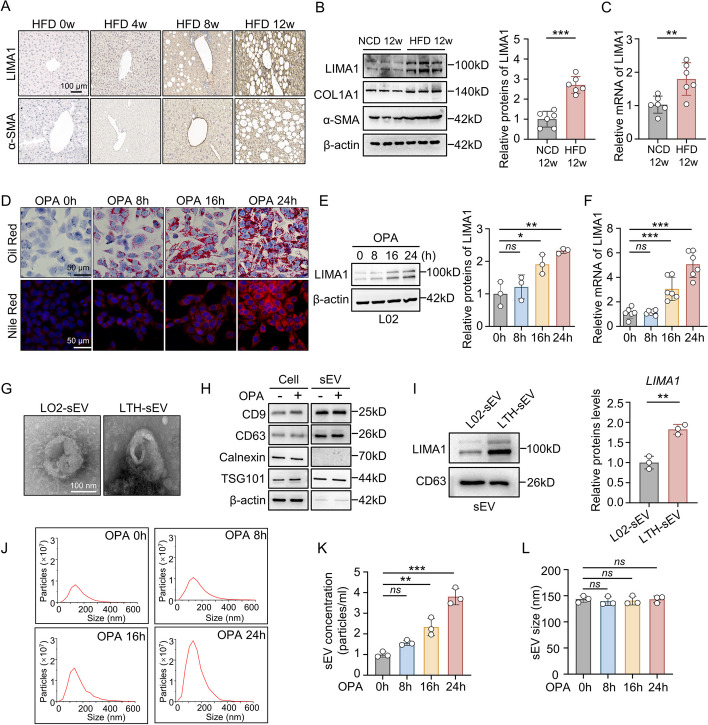
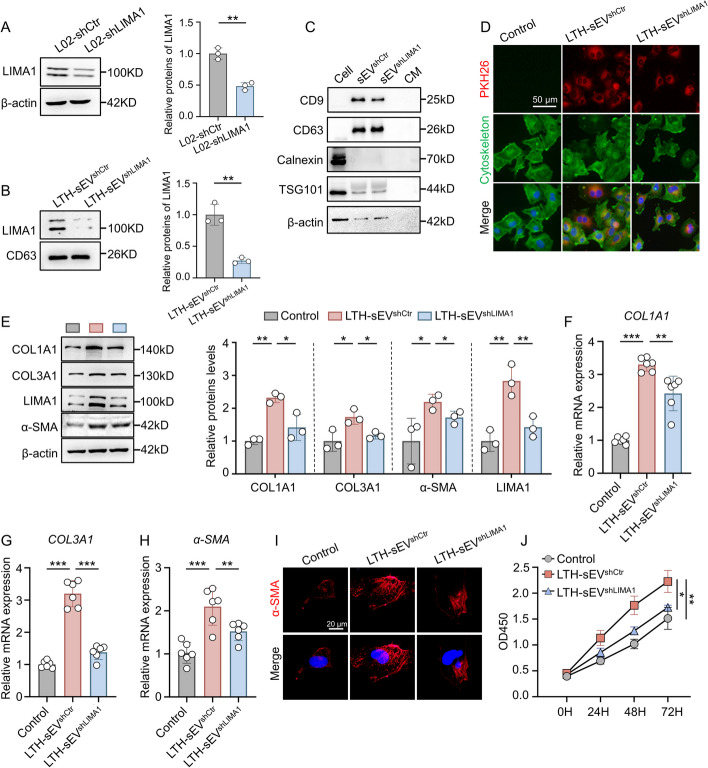
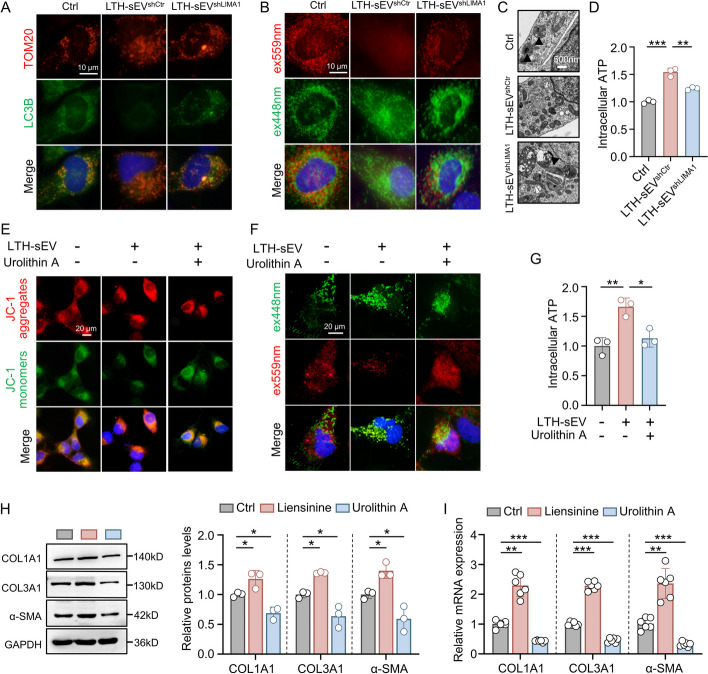
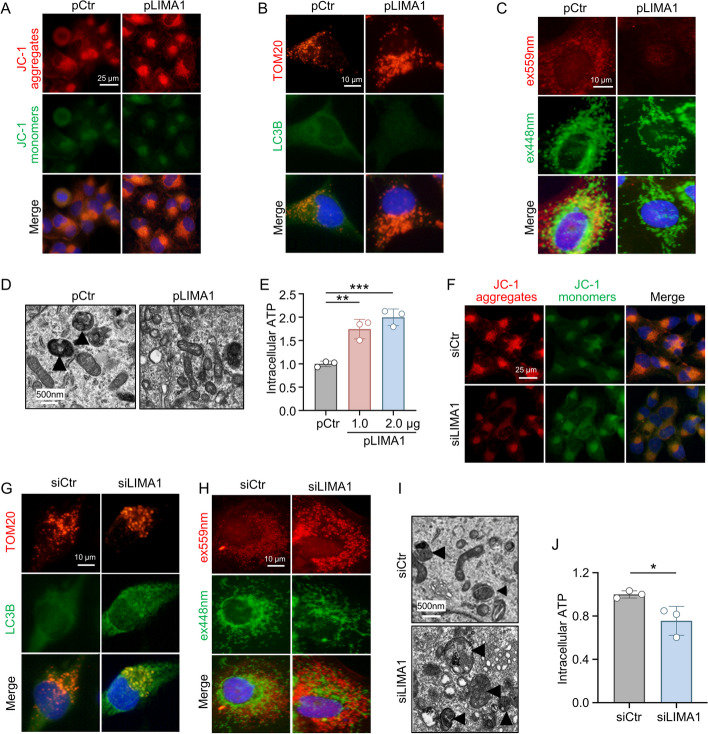
LIMA1 expression was upregulated in lipotoxic hepatocytes and was found to be positively associated with the expression of the HSCs activation marker α-SMA. Lipotoxicity induced by OPA led to an increase in both the level of LIMA1 protein in LTH-sEV and the release of LTH-sEV. When HSCs were treated with LTH-sEV, LIMA1 was observed to hinder LX2 mitophagy while facilitating LX2 activation. Further investigation revealed that LIMA1 derived from LTH-sEV may inhibit PINK1-Parkin-mediated mitophagy, consequently promoting HSCs activation. Knocking down LIMA1 significantly attenuates the inhibitory effects of LTH-sEV on mitophagy and the promotion of HSCs activation.
Lipotoxic hepatocyte-derived LIMA1-enriched sEVs play a crucial role in promoting HSCs activation in NAFLD-related liver fibrosis by negatively regulating PINK1 mediated mitophagy. These findings provide new insights into the pathological mechanisms involved in the development of fibrosis in NAFLD.
肝星状细胞(HSCs)在非酒精性脂肪性肝病(NAFLD)纤维化的发展中起着至关重要的作用。小细胞外囊泡(sEV)作为细胞间信息传递的介质,传递各种纤维化因子,影响 HSCs 在肝纤维化中的功能。在这项研究中,我们研究了脂毒性肝细胞来源的 sEV(LTH-sEV)在 HSCs 激活中的作用及其内在机制。
构建高脂肪饮食(HFD)小鼠模型,以证实 LIMA1 的表达。通过测量纤维化标志物和相关基因来评估富含 LIMA1 的 LTH-sEV 与 LX2 激活的关系。使用 mt-keima 慢病毒检测线粒体自噬水平。通过数据库预测和分子对接发现 LIMA1 与 PINK1 之间的相互作用。最后,通过注射 sEV 来研究 LIMA1 是否可以加速 HFD 诱导的小鼠肝纤维化。
LIMA1 在脂毒性肝细胞中表达上调,并且与 HSCs 激活标志物 α-SMA 的表达呈正相关。OPA 诱导的脂毒性导致 LTH-sEV 中 LIMA1 蛋白水平升高和 LTH-sEV 释放增加。当 HSCs 用 LTH-sEV 处理时,观察到 LIMA1 阻碍 LX2 线粒体自噬,同时促进 LX2 激活。进一步研究表明,LTH-sEV 衍生的 LIMA1 可能抑制 PINK1-Parkin 介导的线粒体自噬,从而促进 HSCs 激活。敲低 LIMA1 可显著减轻 LTH-sEV 对线粒体自噬的抑制作用和对 HSCs 激活的促进作用。
脂毒性肝细胞来源的富含 LIMA1 的 sEV 通过负向调节 PINK1 介导的线粒体自噬在促进 HSCs 激活中在 NAFLD 相关肝纤维化中起关键作用。这些发现为 NAFLD 纤维化发展中的病理机制提供了新的见解。