AlHumaid Ghena Abdullah, Alshehri Turki, Alwalmani Razan Mohammed, Alsubaie Reema Mohammed, Alshehri Abdulsalam Dhafer, Aljoghaiman Eman, Gaffar Balgis
College of Dentistry, Imam Abdulrahman Bin Faisal University, Dammam, Saudi Arabia.
College of Dentistry, King Saud University, Riyadh, Saudi Arabia.
Patient Prefer Adherence. 2024 May 27;18:1027-1038. doi: 10.2147/PPA.S456721. eCollection 2024.
Pregnant women witness many changes in the body as well as in the oral cavity with many factors influencing these changes. This study evaluated the relationship between oral health status, perceptions, and pregnancy outcomes.
A cross sectional study design was implemented to recruit a convenience sample of women attending Obstetrics and gynecology department in public hospitals in East and capital city of Saudi Arabia. To collect data, a validated self-administered questionnaire in English and Arabic was used. The questionnaire covered background information, perceived oral health status, and dental visits.
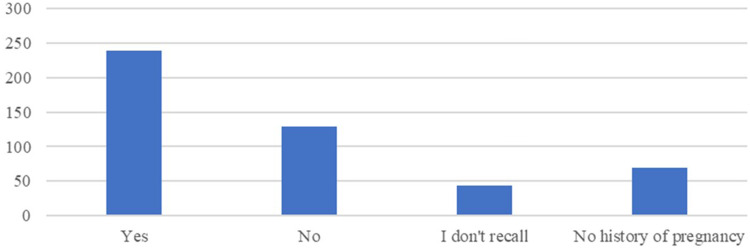
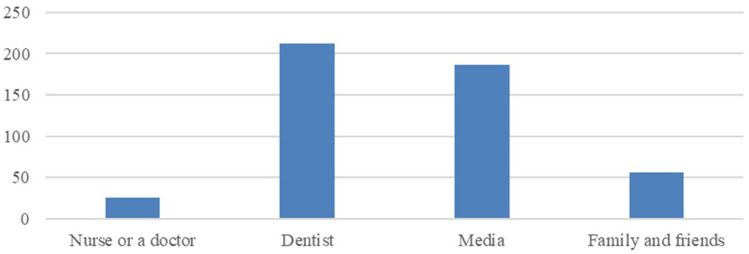
About 64.4% of the 481 women recruited had dental problems, 49.7% reported deterioration in their oral health during pregnancy, and 17.5% reported adverse pregnancy outcomes. Only 40.7% of pregnant women rated their oral health as good, and only 22% visited a dentist during their pregnancy. Dentists were the most common source of oral health information (44.1%), followed by social media (38.9%). Dental problems during pregnancy were significantly associated with adverse outcomes (P=0.007). Oral health perceptions of pregnant women, not visiting the dentist during pregnancy, and gingival problems were also significantly associated with adverse pregnancy outcomes (P=0.001). Those with fair to poor oral health were twice as likely to experience adverse pregnancy outcome. Those who intended to visit the dentist during their pregnancy but did not do so, as well as those who did not visit the dentist at all were 12 and 9 times more likely to experience adverse pregnancy outcomes respectively.
Dental complaints during pregnancy, oral health perceptions, and a lack of dental visits were all linked to increased likelihood of adverse pregnancy outcomes. There is a need for interprofessional collaboration to dispel myths and encourage oral health care and regular dental visits during pregnancy.
孕妇身体以及口腔会出现许多变化,且有多种因素影响这些变化。本研究评估了口腔健康状况、认知与妊娠结局之间的关系。
采用横断面研究设计,以便利抽样的方式招募沙特阿拉伯东部和首都城市公立医院妇产科就诊的女性。为收集数据,使用了一份经验证的英文和阿拉伯文自填式问卷。该问卷涵盖背景信息、感知的口腔健康状况和牙科就诊情况。
在招募的481名女性中,约64.4%有牙齿问题,49.7%报告孕期口腔健康恶化,17.5%报告有不良妊娠结局。只有40.7%的孕妇将自己的口腔健康评为良好,只有22%在孕期看过牙医。牙医是口腔健康信息的最常见来源(44.1%),其次是社交媒体(38.9%)。孕期牙齿问题与不良结局显著相关(P = 0.007)。孕妇的口腔健康认知、孕期未看牙医以及牙龈问题也与不良妊娠结局显著相关(P = 0.001)。口腔健康状况一般至较差的孕妇出现不良妊娠结局的可能性是其他人的两倍。那些打算在孕期看牙医但未去看的孕妇,以及那些根本未看牙医的孕妇,出现不良妊娠结局的可能性分别是其他人的12倍和9倍。
孕期的牙齿问题、口腔健康认知以及缺乏牙科就诊都与不良妊娠结局的可能性增加有关。需要跨专业合作来消除误解,并鼓励孕期的口腔保健和定期牙科就诊。