Ferreira Pedro D, Simoes Jose A, Velho Denise C
Family Medicine, ULS Santo António, USF Santa Maria, Porto, PRT.
Department of Medical Sciences, Faculty of Health Sciences, University of Beira Interior, Covilhã, PRT.
Cureus. 2024 May 2;16(5):e59532. doi: 10.7759/cureus.59532. eCollection 2024 May.
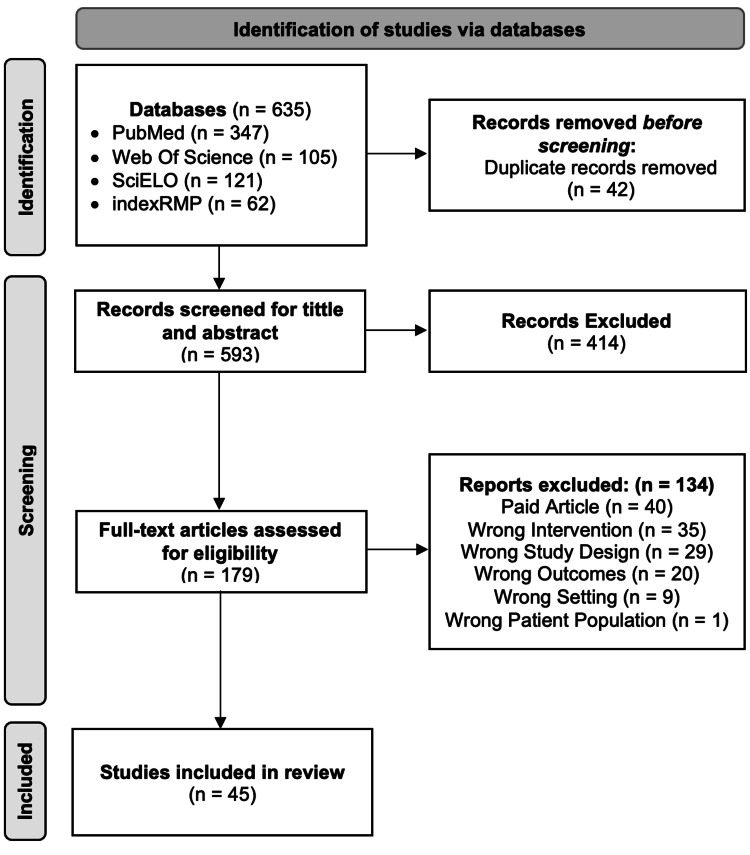
Hypertension is a globally prevalent condition, and low adherence to antihypertensive therapy is considered one of the main causes of poor blood pressure (BP) control. Non-adherence to antihypertensive treatment is a complex issue that can arise from various factors; however, gaining an understanding of this provides key targets for intervention strategies. This study aimed to provide an overview of the current status and recent developments regarding our understanding of the determinants of patients' adherence to antihypertensives. A systematic review was performed using the electronic databases MEDLINE/PubMed, Web of Science, Scientific Electronic Library Online (SciELO), and "Índex das Revistas Médicas Portuguesas", which included studies published between 2017 and 2021 following the PICOS model: (P) Adult patients with the diagnosis of primary hypertension, using at least one antihypertensive agent; (I) all interventions on both pharmacological and non-pharmacological level; (C) patient's adherence against their non-adherence; (O) changes in adherence to the therapeutic plan; and (S) any study design (except review articles) written in English, French, Spanish or Portuguese. Articles were reviewed by two researchers and their quality was assessed. Subsequently, determinants were classified according to their consistent or inconsistent association with adherence or non-adherence. Only 45 of the 635 reports identified met the inclusion criteria. Adherence was consistently associated with patient satisfaction with communication, patient-provider relationship, their treatment, and use of eHealth and mHealth strategies; a patient's mental and physical health, including depression, cognitive impairment, frailty, and disability, previous hospitalization, occurrence of vital events; drug treatment type and appearance; and unwillingness due to health literacy, self-efficacy, and both implicit and explicit attitudes towards treatment. There were discrepancies regarding the association of other factors to adherence, but these inconsistent factors should also be taken into account. In conclusion, the barriers to adherence are varied and often interconnected between socioeconomic, patient, therapy, condition, and healthcare system levels. Healthcare teams should invest in studying patients' non-adherence motives and tailoring interventions to individual levels, by using a multifaceted approach to assess adherence. Further research is needed to analyze the impact of implicit attitudes, the use of new technological approaches, and the influence of factors that are inconsistently associated with non-adherence, to understand their potential in implementing adherence strategies.
高血压是一种全球普遍存在的病症,对抗高血压治疗的低依从性被认为是血压控制不佳的主要原因之一。不坚持抗高血压治疗是一个复杂的问题,可能由多种因素引起;然而,了解这一点为干预策略提供了关键目标。本研究旨在概述目前关于患者对抗高血压药物依从性决定因素的认识现状和最新进展。使用电子数据库MEDLINE/PubMed、科学引文索引、科学电子图书馆在线(SciELO)和《葡萄牙医学杂志索引》进行了系统综述,其中包括2017年至2021年期间发表的遵循PICOS模型的研究:(P)诊断为原发性高血压的成年患者,使用至少一种抗高血压药物;(I)药理学和非药理学层面的所有干预措施;(C)患者的依从性与不依从性;(O)治疗计划依从性的变化;(S)以英语、法语、西班牙语或葡萄牙语撰写的任何研究设计(综述文章除外)。文章由两名研究人员进行评审并评估其质量。随后,根据与依从性或不依从性的一致或不一致关联对决定因素进行分类。在635份识别出的报告中,只有45份符合纳入标准。依从性始终与患者对沟通、医患关系、治疗以及电子健康和移动健康策略使用的满意度相关;患者的身心健康,包括抑郁、认知障碍、虚弱和残疾、既往住院史、重大事件的发生;药物治疗类型和外观;以及由于健康素养、自我效能感以及对治疗的隐性和显性态度而导致的不愿意。其他因素与依从性的关联存在差异,但这些不一致的因素也应予以考虑。总之,依从性的障碍多种多样,并且在社会经济、患者、治疗、病情和医疗保健系统层面之间往往相互关联。医疗团队应通过采用多方面方法评估依从性,投入研究患者不依从的动机并针对个体层面量身定制干预措施。需要进一步研究以分析隐性态度的影响、新技术方法的使用以及与不依从性不一致相关因素的影响,以了解它们在实施依从性策略中的潜力。