Karlin Justin, Vranis Neil, Dayan Erez, Parsa Kami
Aesthet Surg J Open Forum. 2023 Dec 3;5:ojad102. doi: 10.1093/asjof/ojad102. eCollection 2023.
Hyaluronic acid (HA) filler injections for facial augmentation are commonly administered but can lead to post-hyaluronic acid recurrent eyelid edema (PHAREE). The pathophysiology of this condition has not been fully understood.
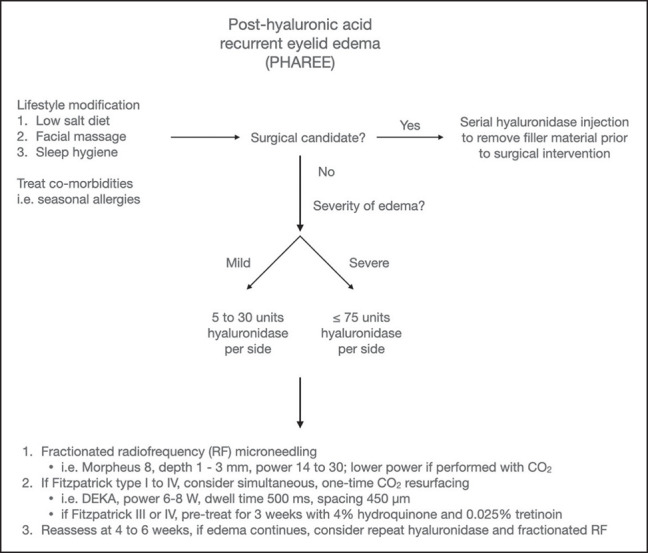
To report the successful treatment of PHAREE using serial hyaluronidase and fractionated radiofrequency microneedling, with additional carbon dioxide laser skin resurfacing in selected patients.
Five patients with PHAREE were treated with serial hyaluronidase injections and fractionated radiofrequency microneedling, with 2 patients receiving carbon dioxide laser treatment. The patients were followed up for a minimum of 24 months.
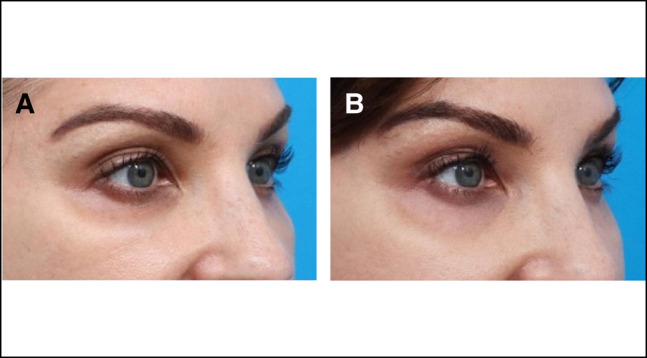
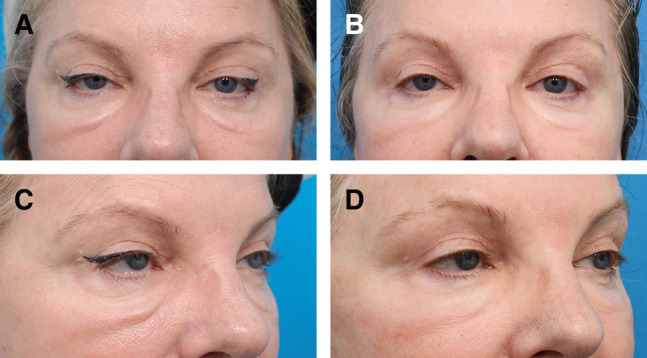
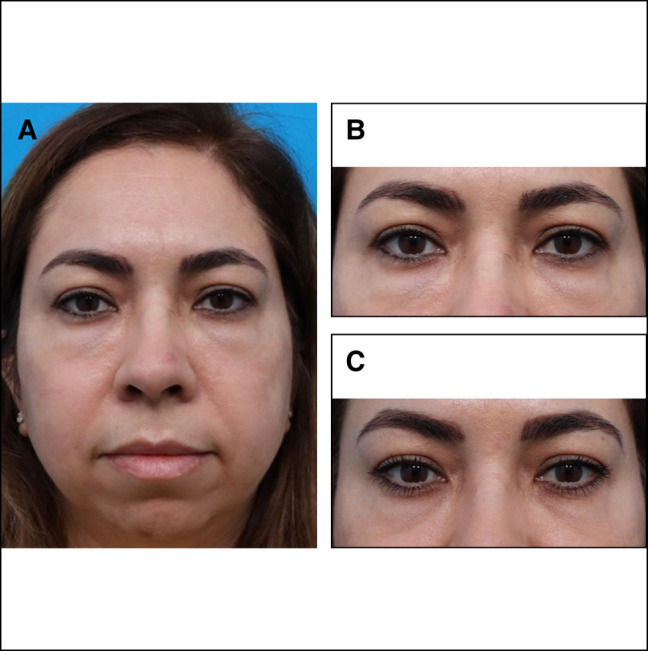
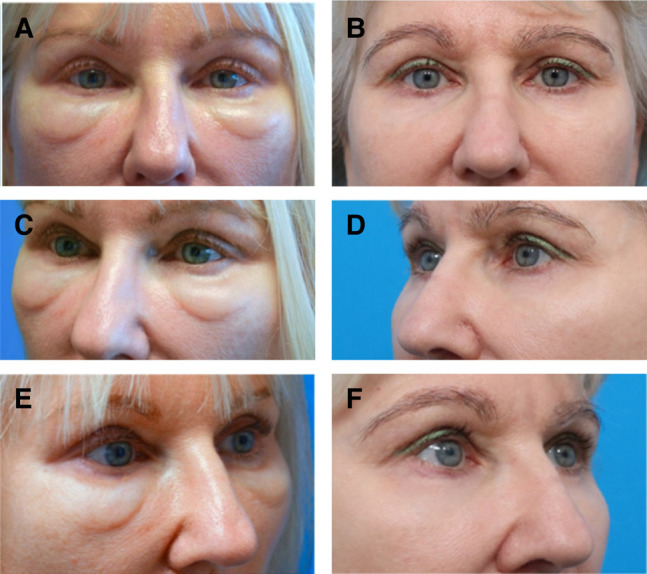
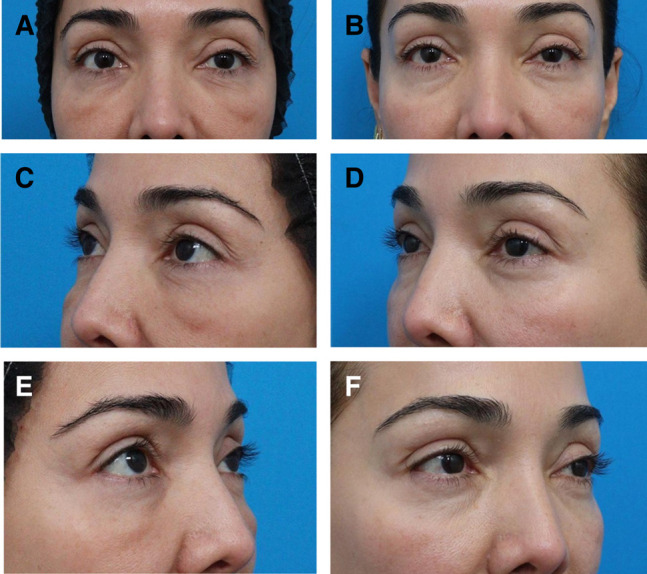
All patients reported a resolution of PHAREE signs/symptoms with no adverse effects or recurrence. One patient demonstrated complete resolution after a single treatment; 4 required a series of treatments.
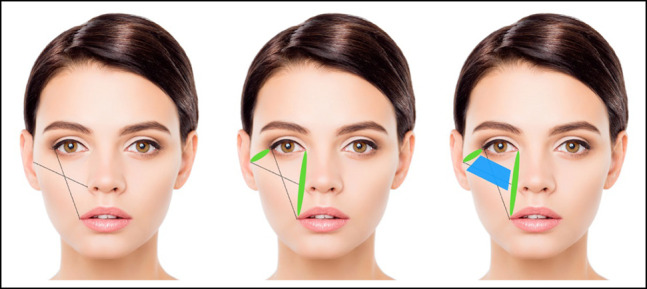
The proposed treatment protocol may provide advantages over hyaluronidase alone for PHAREE. The impermeable malar septum, vulnerable eyelid lymphatics, and potential immunogenicity of HA fragments likely contribute to PHAREE pathophysiology. Further research on pathophysiologic mechanisms is warranted.
用于面部填充的透明质酸(HA)注射很常见,但可能导致透明质酸注射后复发性眼睑水肿(PHAREE)。这种情况的病理生理机制尚未完全明确。
报告使用系列透明质酸酶和分次射频微针成功治疗PHAREE的情况,部分患者还额外接受了二氧化碳激光皮肤磨削术。
对5例PHAREE患者进行了系列透明质酸酶注射和分次射频微针治疗,2例患者接受了二氧化碳激光治疗。对患者进行了至少24个月的随访。
所有患者均报告PHAREE体征/症状消失,无不良反应或复发。1例患者单次治疗后完全缓解;4例需要一系列治疗。
对于PHAREE,所提出的治疗方案可能比单独使用透明质酸酶更具优势。不可渗透的颧隔膜、脆弱的眼睑淋巴管以及HA片段潜在的免疫原性可能是PHAREE病理生理机制的原因。有必要对病理生理机制进行进一步研究。