Santschi Linda, Bass Kristin M, Imondi Ralph
Coastal Marine Biolabs Integrative Biosciences Program, Ventura Harbor, CA.
Rockman et al Cooperative, Berkeley, CA.
J STEM Outreach. 2024 Mar;7(1). doi: 10.15695/jstem/v7i1.03. Epub 2024 Mar 6.
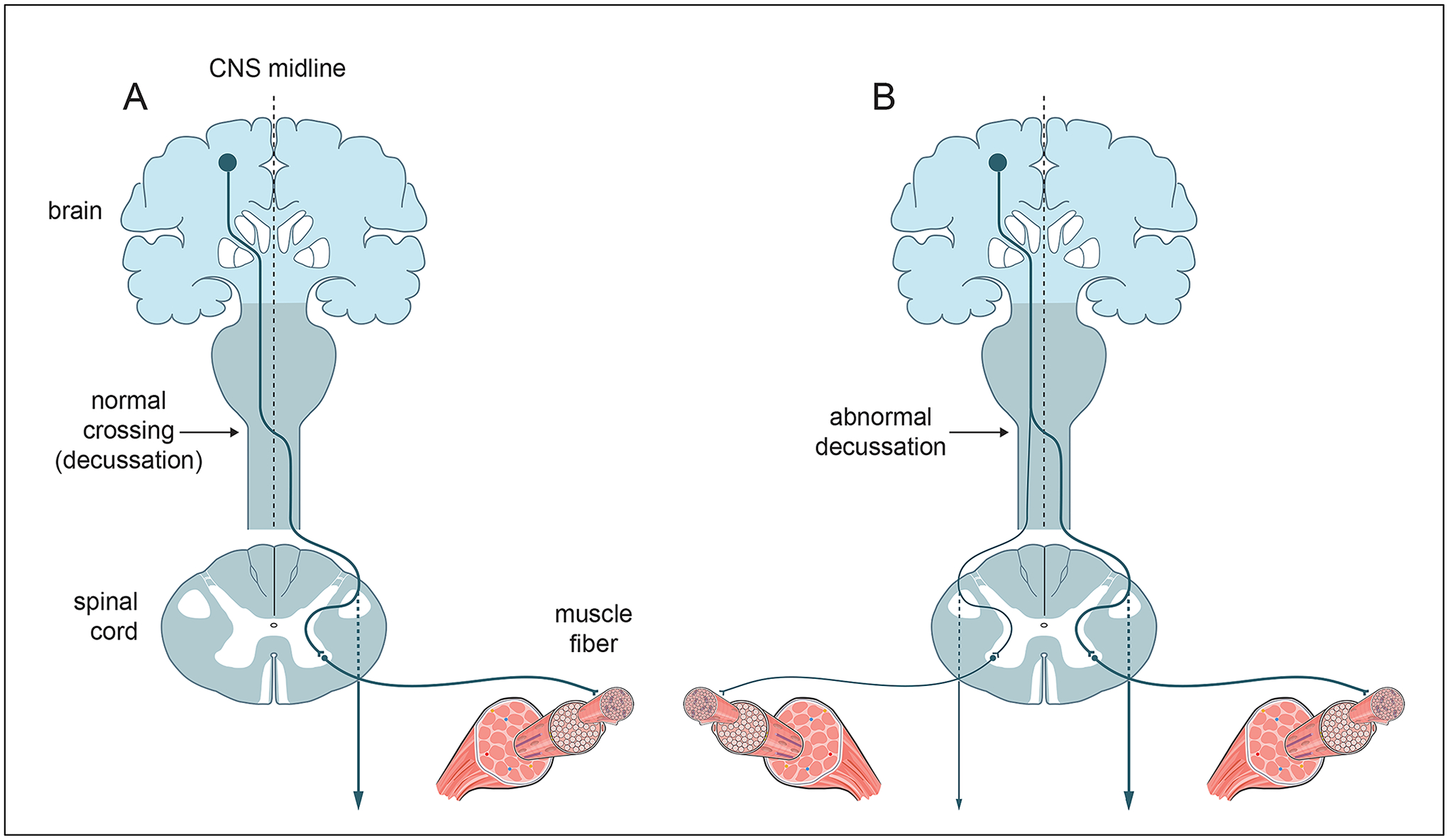
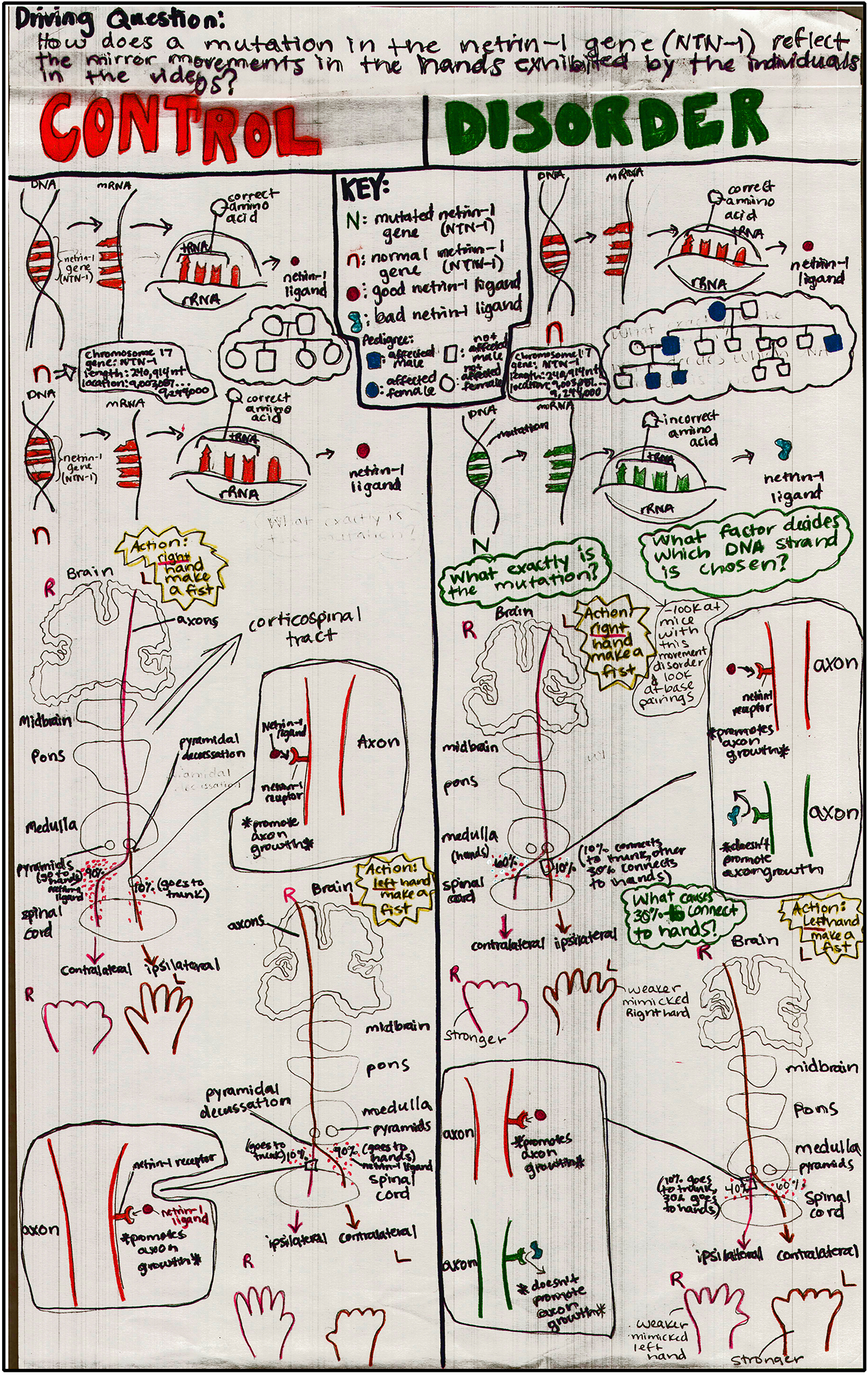
In this case study, we describe an alternative storyline design approach that we adopted to translate an informal, out-of-school summer science experience with a strong emphasis on developmental neuroscience and data literacy into a more inclusive, replicable, and scalable experience for formal high school science instruction. Combining elements of problem- and project-based learning, a storyline is a curriculum model that engages students in the application of investigative science and engineering practices to incrementally build conceptual models that explain an observable (anchoring) phenomenon. Published reports on the storyline design process describe procedures and tools that are well suited to the creation of novel instructional units. However, these design methods are difficult to apply to projects aimed at translating pre-existing science experiences and resources into classroom storyline units. In this descriptive case study, we discuss a series of alternative design procedures that we utilized to achieve this adaptation. Our overarching project goal was to create the resources necessary to engage high school students in the construction of a multidimensional explanatory model for an unusual movement disorder that assimilates converging lines of behavioral, neuroanatomical, neurophysiological, molecular genetic, developmental, and cellular data. The methods described in this case study establish a design template for other biomedical scientists who are interested in adopting a storyline approach to bring aspects of their work or educational projects into science classrooms and into closer alignment with a new vision for science teaching and learning articulated in the National Research Council's and the .
在本案例研究中,我们描述了一种替代性的故事情节设计方法,我们采用这种方法将一种强调发育神经科学和数据素养的非正式校外暑期科学体验转化为一种更具包容性、可复制且可扩展的正式高中科学教学体验。故事情节结合了基于问题和项目的学习元素,是一种课程模式,让学生参与应用探究性科学和工程实践,逐步构建解释可观察(锚定)现象的概念模型。已发表的关于故事情节设计过程的报告描述了非常适合创建新颖教学单元的程序和工具。然而,这些设计方法难以应用于旨在将现有的科学体验和资源转化为课堂故事情节单元的项目。在这个描述性案例研究中,我们讨论了一系列我们用来实现这种改编的替代性设计程序。我们的总体项目目标是创建必要的资源,让高中生参与构建一个针对一种不寻常运动障碍的多维解释模型,该模型整合行为、神经解剖、神经生理、分子遗传、发育和细胞等多方面的数据。本案例研究中描述的方法为其他生物医学科学家建立了一个设计模板,这些科学家有兴趣采用故事情节方法将他们工作或教育项目的各个方面引入科学课堂,并使其更符合美国国家研究委员会和美国科学促进会阐明的科学教学新愿景。