Shell Global Solutions International B.V., Carel van Bylandtlaan 16, 2596 HR, The Hague, The Netherlands.
BASF Personal Care and Nutrition GmbH, Henkelstrasse 67, 40589, Düsseldorf, Germany.
Arch Toxicol. 2024 Aug;98(8):2487-2539. doi: 10.1007/s00204-024-03761-y. Epub 2024 Jun 6.
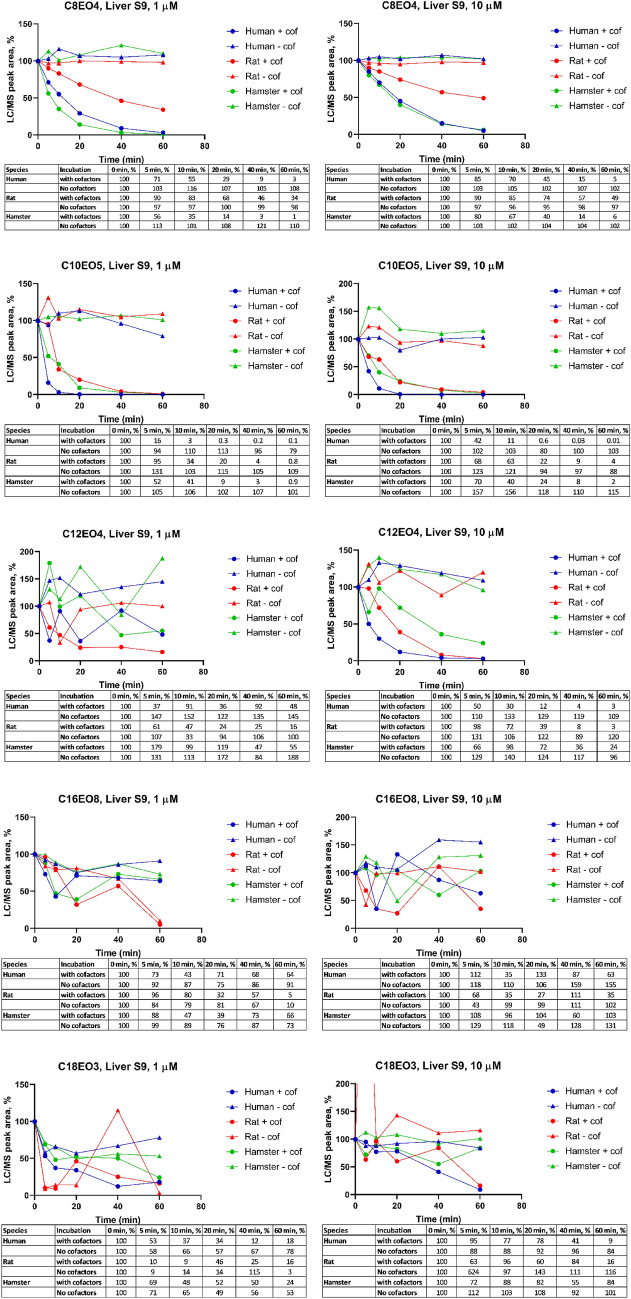
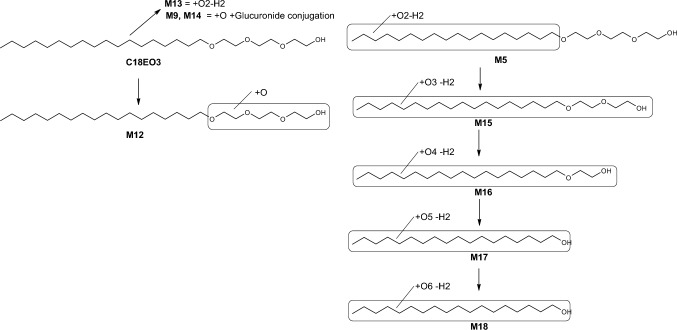
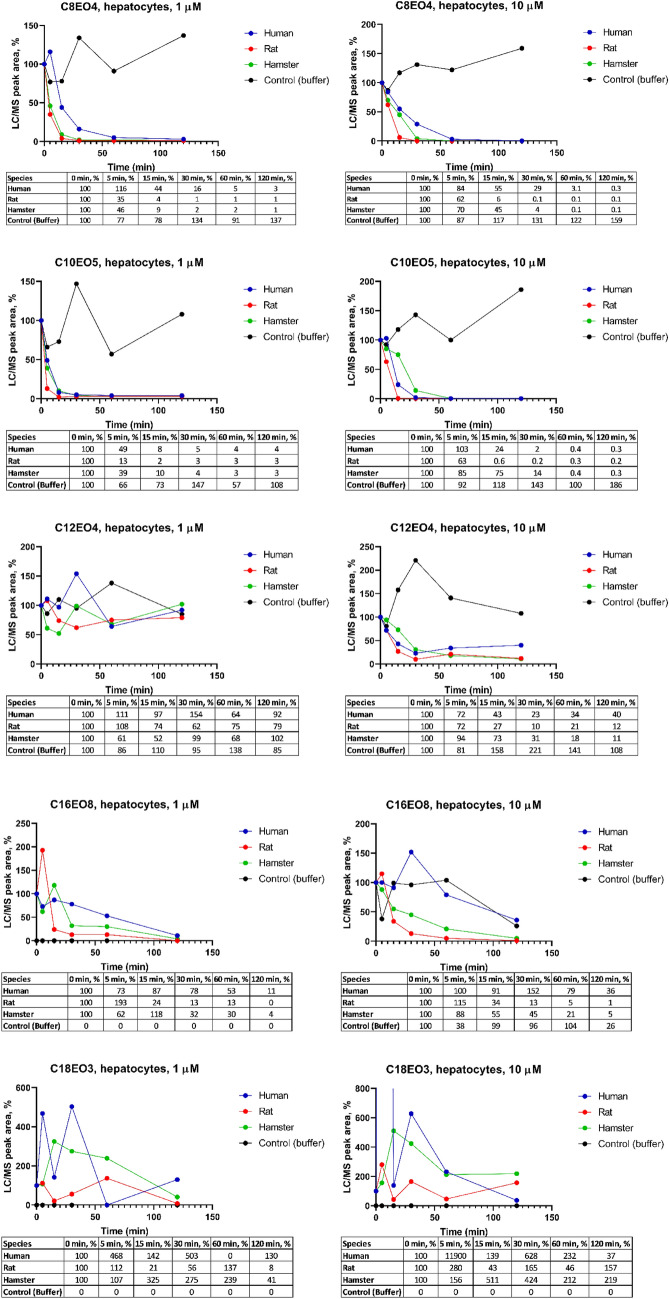
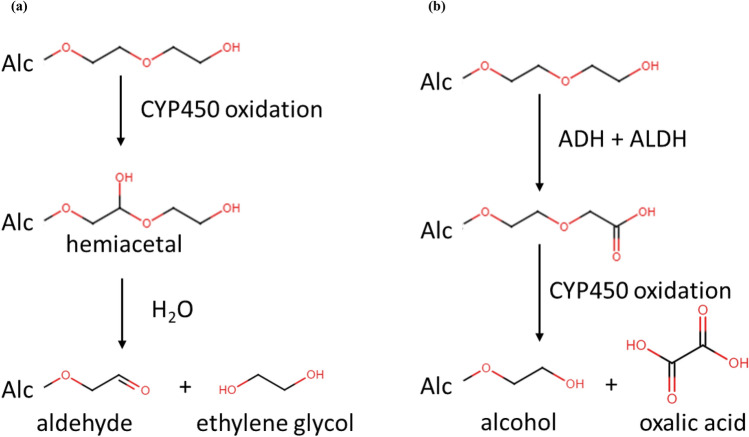
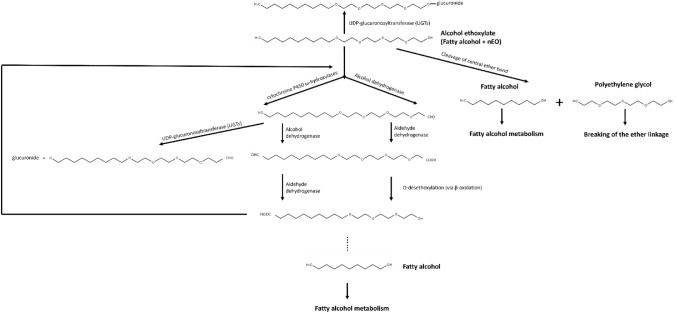
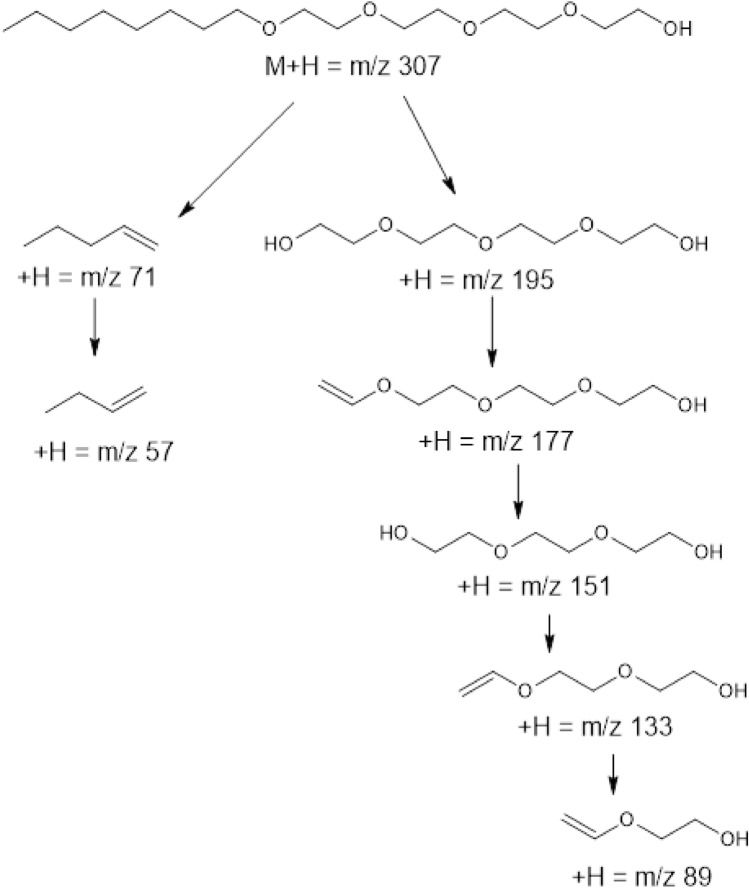
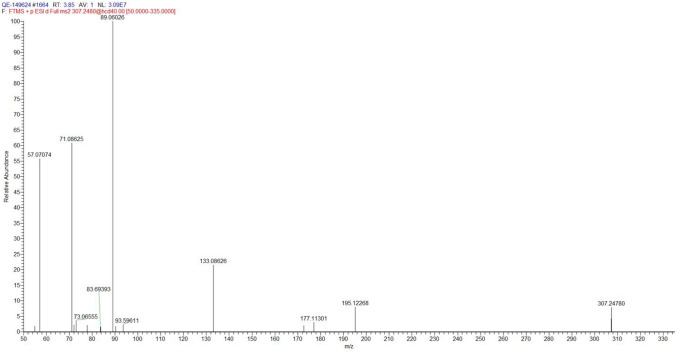
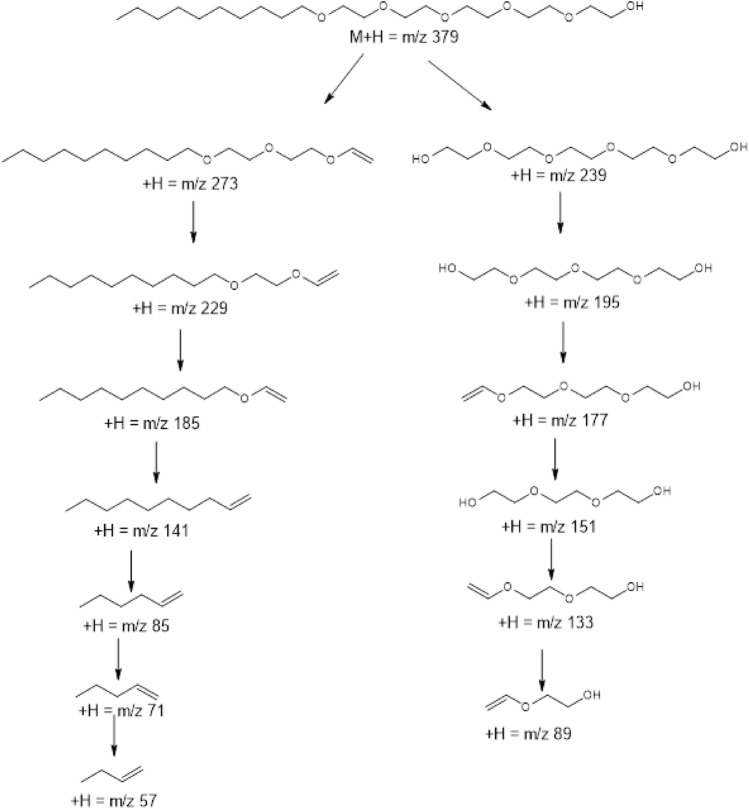
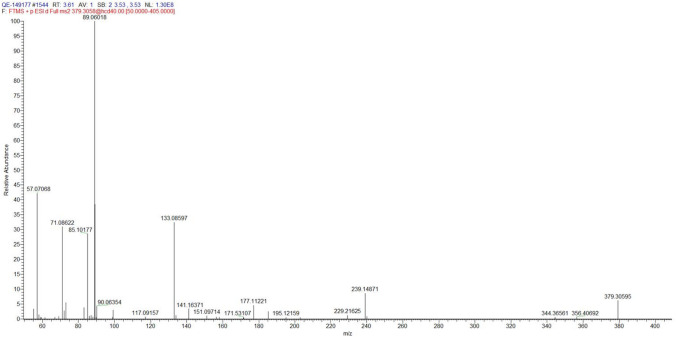
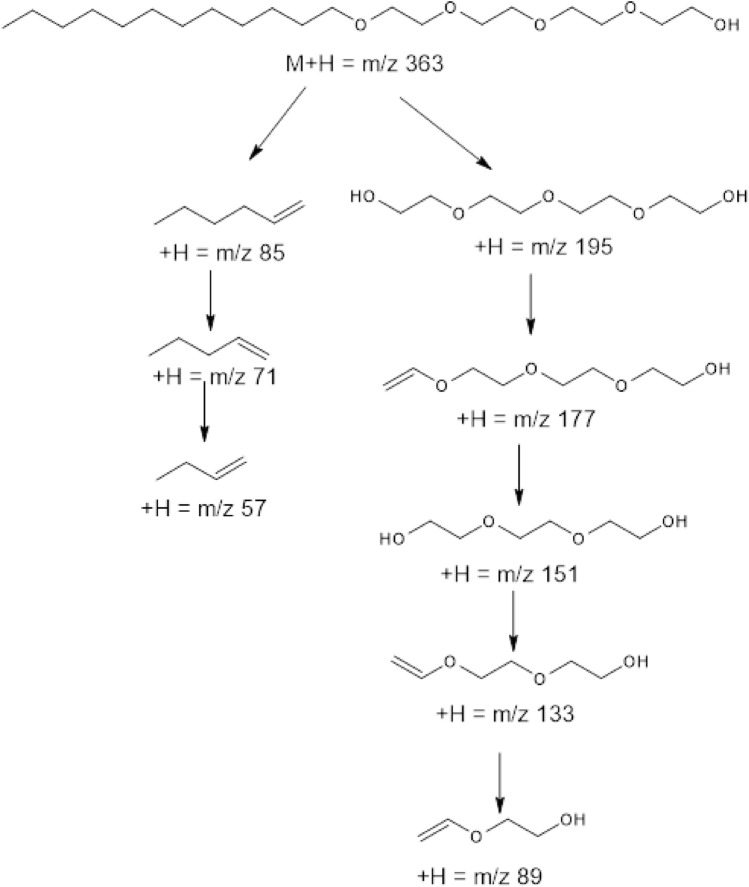
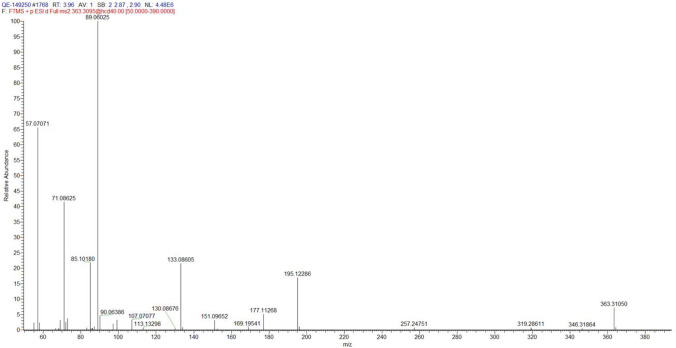
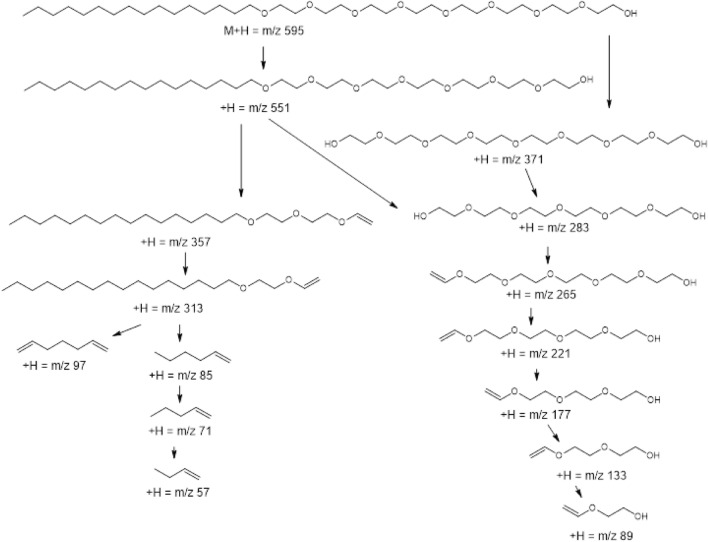
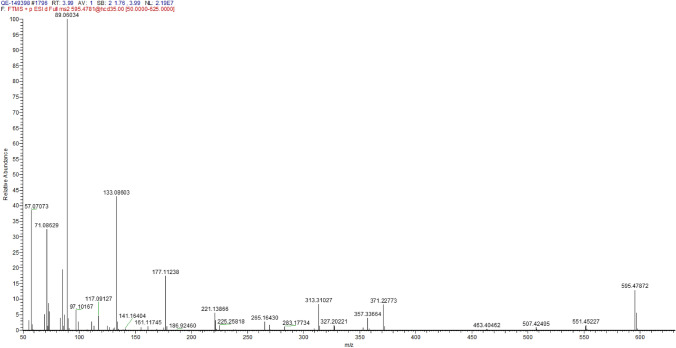
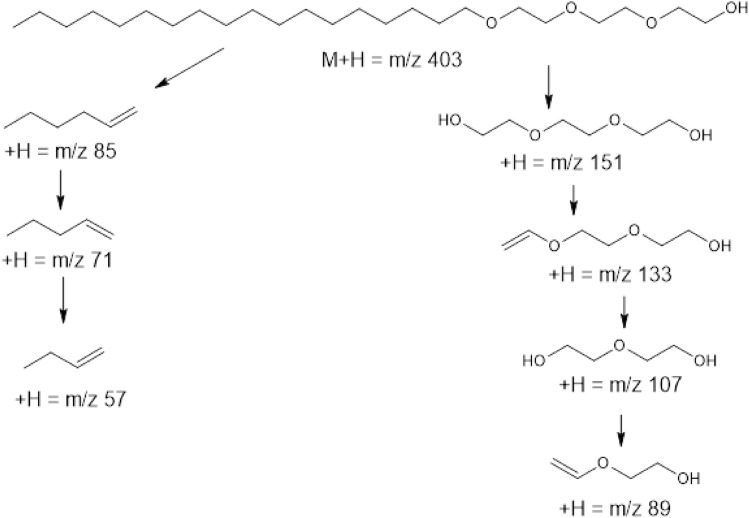
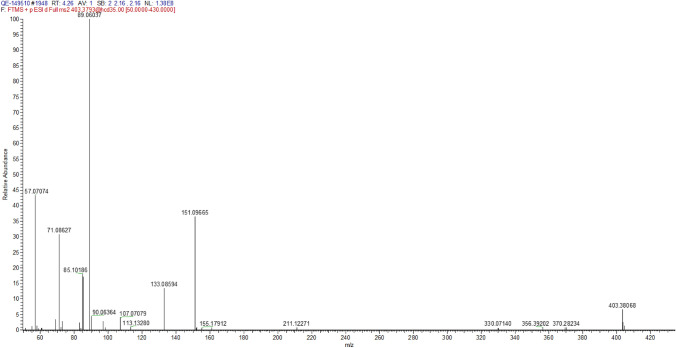
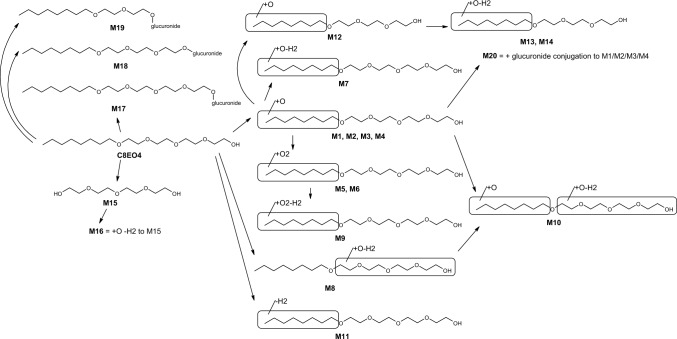
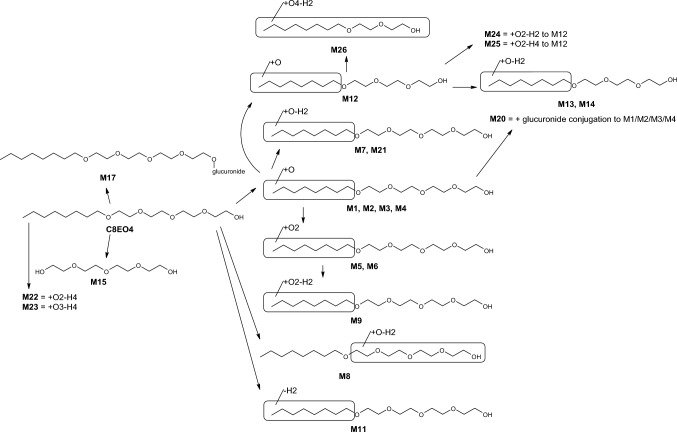
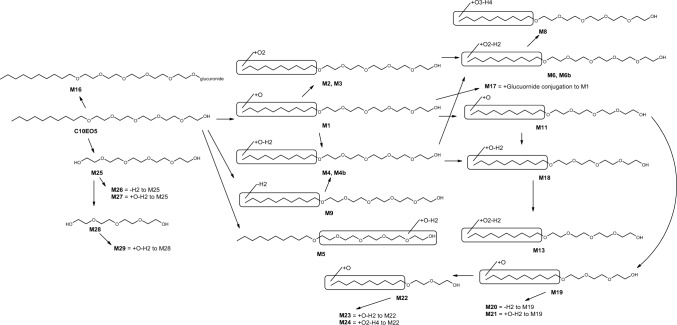
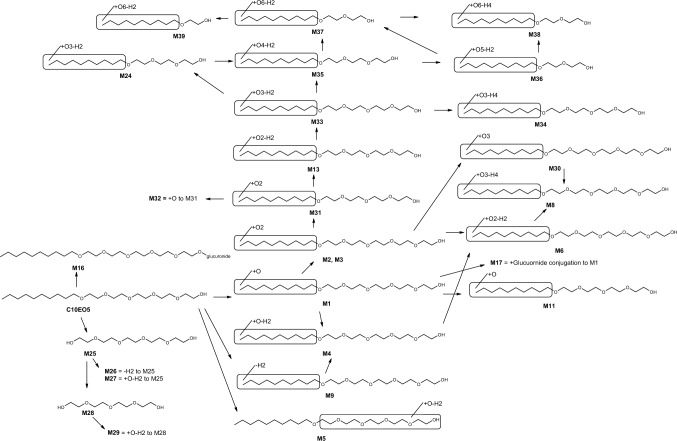
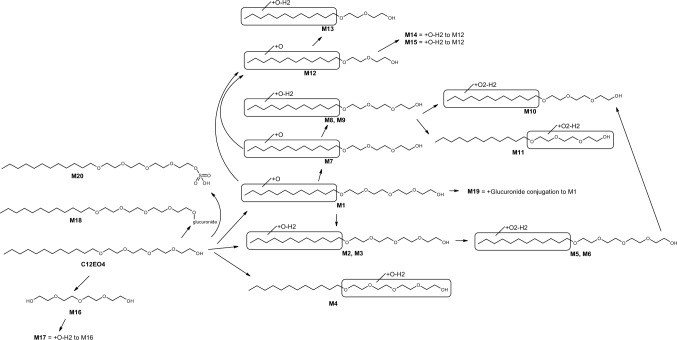
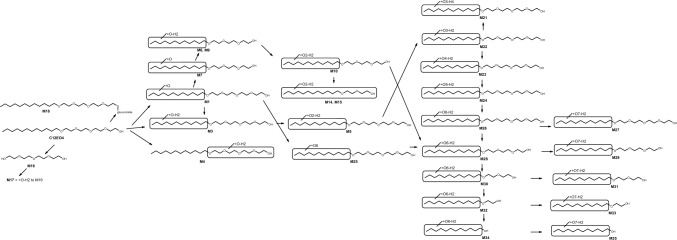
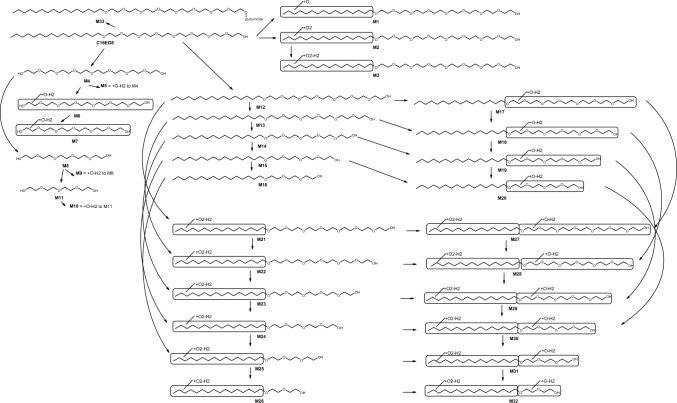
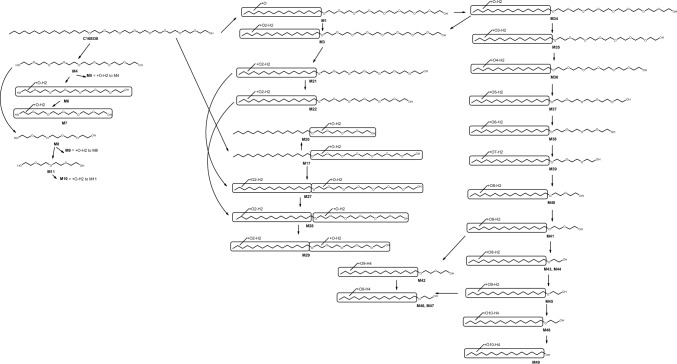
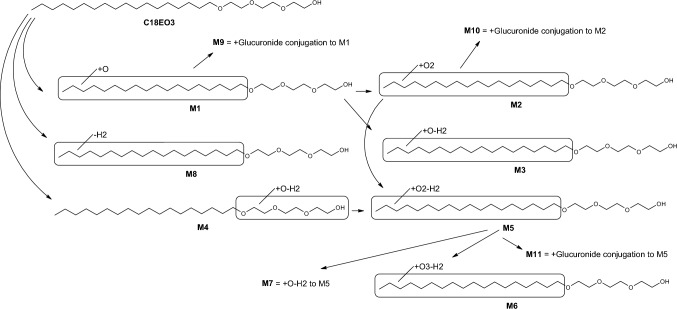
Alcohol ethoxylates (AEs) are a well-known class of non-ionic surfactants widely used by the personal care market. The aim of this study was to evaluate and characterize the in vitro metabolism of AEs and identify metabolites. Five selected individual homologue AEs (CEO, CEO, CEO, CEO, and CEO) were incubated using human, rat, and hamster liver S9 fraction and cryopreserved hepatocytes. LC-MS was used to identify metabolites following the incubation of AEs by liver S9 and hepatocytes of all three species. All AEs were metabolized in these systems with a half-life ranging from 2 to 139 min. In general, incubation of AE with human liver S9 showed a shorter half-life compared to rat liver S9. While rat hepatocytes metabolized AEs faster than human hepatocytes. Both hydrophobic alkyl chain and hydrophilic EO head group groups of AEs were found to be target sites of metabolism. Metabolites were identified that show primary hydroxylation and dehydrogenation, followed by O-dealkylation (shortening of EO head groups) and glucuronidation. Additionally, the detection of whole EO groups indicates the cleavage of the ether bond between the alkyl chain and the EO groups as a minor metabolic pathway in the current testing system. Furthermore, no difference in metabolic patterns of each individual homologue AE investigated was observed, regardless of alkyl chain length or the number of EO groups. Moreover, there is an excellent agreement between the in vitro experimental data and the metabolite profile simulations using in silico approaches (OECD QSAR Toolbox). Altogether, these data indicate fast metabolism of all AEs with a qualitatively similar metabolic pathway with some quantitative differences observed in the metabolite profiles. These metabolic studies using different species can provide important reference values for further safety evaluation.
醇醚(AE)是一类广为人知的非离子表面活性剂,被个人护理市场广泛应用。本研究旨在评估和表征 AE 的体外代谢,并鉴定代谢产物。选择了五种具有代表性的同系物 AE(C10EO、C12EO、C14EO、C16EO 和 C18EO),使用人、大鼠和仓鼠肝 S9 片段和冷冻保存的肝细胞进行孵育。孵育后,使用 LC-MS 鉴定 AE 在所有三种物种的肝 S9 和肝细胞中的代谢产物。所有 AE 在这些系统中都发生代谢,半衰期范围为 2 至 139 分钟。通常,与大鼠肝 S9 相比,AE 与人肝 S9 的孵育半衰期更短。而大鼠肝细胞比人肝细胞更快地代谢 AE。AE 的疏水性烷基链和亲水性 EO 头基均被发现是代谢的靶位。鉴定出的代谢产物主要发生羟化和脱氢反应,随后进行 O-去烷基化(EO 头基缩短)和葡萄糖醛酸化。此外,整个 EO 基团的检测表明,在当前测试系统中,醚键在烷基链和 EO 基团之间的断裂是一种次要的代谢途径。此外,无论烷基链长度或 EO 基团数量如何,研究的每种同系物 AE 的代谢模式均无差异。此外,体外实验数据与使用计算方法(OECD QSAR Toolbox)进行的代谢产物谱模拟之间具有极好的一致性。总的来说,这些数据表明所有 AE 的代谢速度都很快,代谢途径具有定性相似性,但代谢产物谱中观察到一些定量差异。这些使用不同物种进行的代谢研究可为进一步的安全评估提供重要的参考值。