Ainsworth James, Perumal Sounder, Pillai Suresh
Morriston Hospital, Swansea, SA6 6NL, UK.
MedEdPublish (2016). 2024 May 30;13:66. doi: 10.12688/mep.19719.2. eCollection 2023.
Simulation is an effective teaching method with increasing growth and recognition and refers to the artificial representation of a real-life scenario. The aim of this study was to compare simulation with and without the use of a simulated observations monitor and to investigate differences in students' impression of realism, engagement, learning, and enjoyment.
Simulation sessions were delivered to second and third-year Swansea University Medical Students, and a total of 15 students were included. Students carried out 2-3 scenarios each with and without the use of a simulated observations monitor. Data collection was conducted via student surveys and a joint interview.
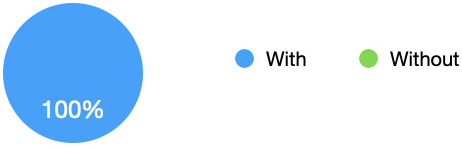
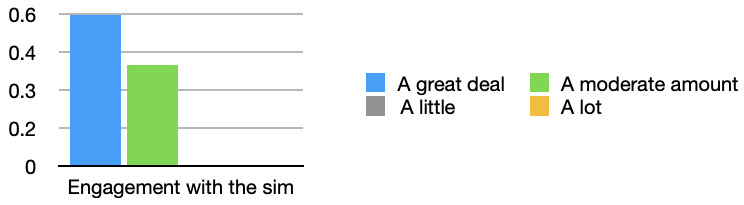
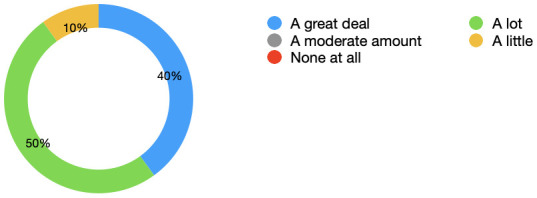
All students had an increased sense of realism with the use of the simulated observations monitor, feeling a closer resemblance to what would be experienced in clinical practice. They felt this improved their learning, making them more prepared for the real-life scenario. The monitor was more dynamic, responding to their interventions, helping them maintain focus and engagement throughout. A key theme was the reduction of interruptions or deviations from the scenario to communicate with the examiner or ask for observations. The visual and audible affects provided additional stimuli, adding to the realistic nature of the simulation.
Simulation has been shown to be a useful education tool, but there is less evidence to support the use of higher fidelity over lower fidelity simulation. The terms are often used inconsistently, and many factors affect the students' perceived sense of realism. This study shows that the addition of a simple device such as the simulated observations monitor can produce a higher level of fidelity, particularly in terms of the stimuli provided and student perceptions of realism, which may be effective in improving engagement with the simulation, learning, and aid recall when presented with similar scenarios in a real-life situation.
模拟是一种日益发展且得到认可的有效教学方法,指对现实生活场景的人工呈现。本研究的目的是比较使用和不使用模拟观察监测器的模拟情况,并调查学生在真实感、参与度、学习和乐趣方面的印象差异。
对斯旺西大学医学院二、三年级学生进行模拟课程,共纳入15名学生。学生分别在使用和不使用模拟观察监测器的情况下进行2 - 3个场景模拟。通过学生调查和联合访谈收集数据。
所有学生在使用模拟观察监测器时都有更强的真实感,感觉更接近临床实践中的体验。他们认为这有助于学习,使他们为现实生活场景做好更充分的准备。监测器更具动态性,能对他们的干预做出反应,帮助他们在整个过程中保持专注和参与度。一个关键主题是减少了为与考官沟通或询问观察结果而打断或偏离场景的情况。视觉和听觉效果提供了额外的刺激,增强了模拟的真实感。
模拟已被证明是一种有用的教育工具,但支持使用高保真模拟而非低保真模拟的证据较少。这些术语的使用往往不一致,许多因素会影响学生对真实感的感知。本研究表明,添加诸如模拟观察监测器这样的简单设备可以产生更高水平的保真度,特别是在提供的刺激以及学生对真实感的感知方面,这可能有效地提高对模拟的参与度、学习效果,并在现实生活中遇到类似场景时有助于记忆。