Reproductive Medicine Center & Department of Obstetrics and Gynecology, The First Affiliated Hospital of USTC, Division of Life Sciences and Medicine, University of Science and Technology of China, Hefei, China.
Wannan Medical College, Wuhu, China.
Cell Transplant. 2024 Jan-Dec;33:9636897241259552. doi: 10.1177/09636897241259552.
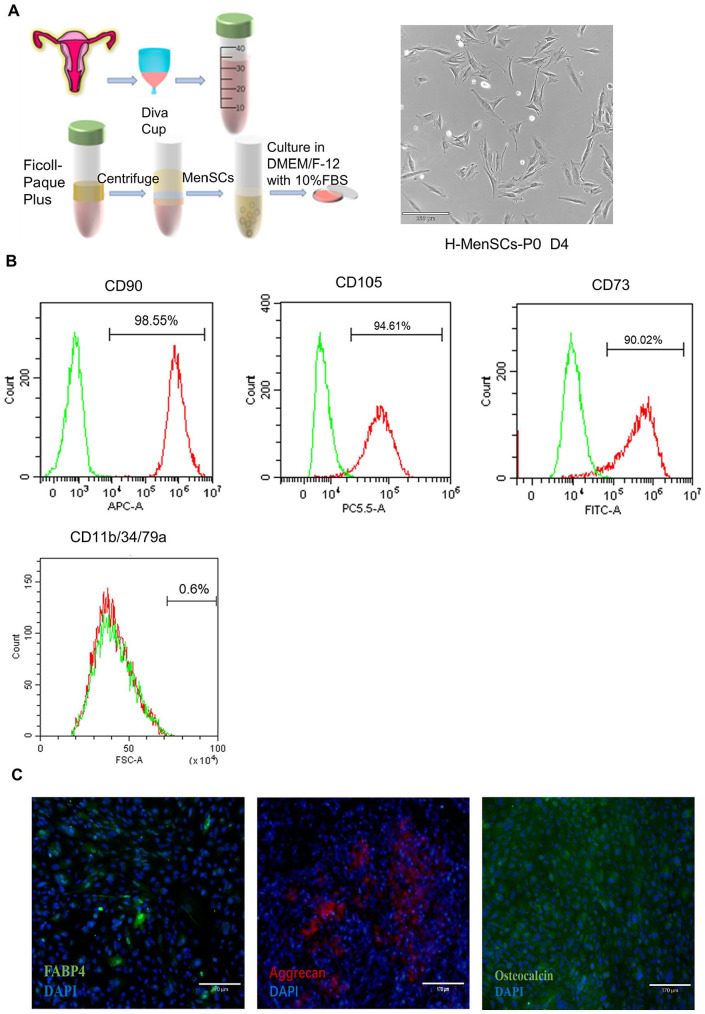
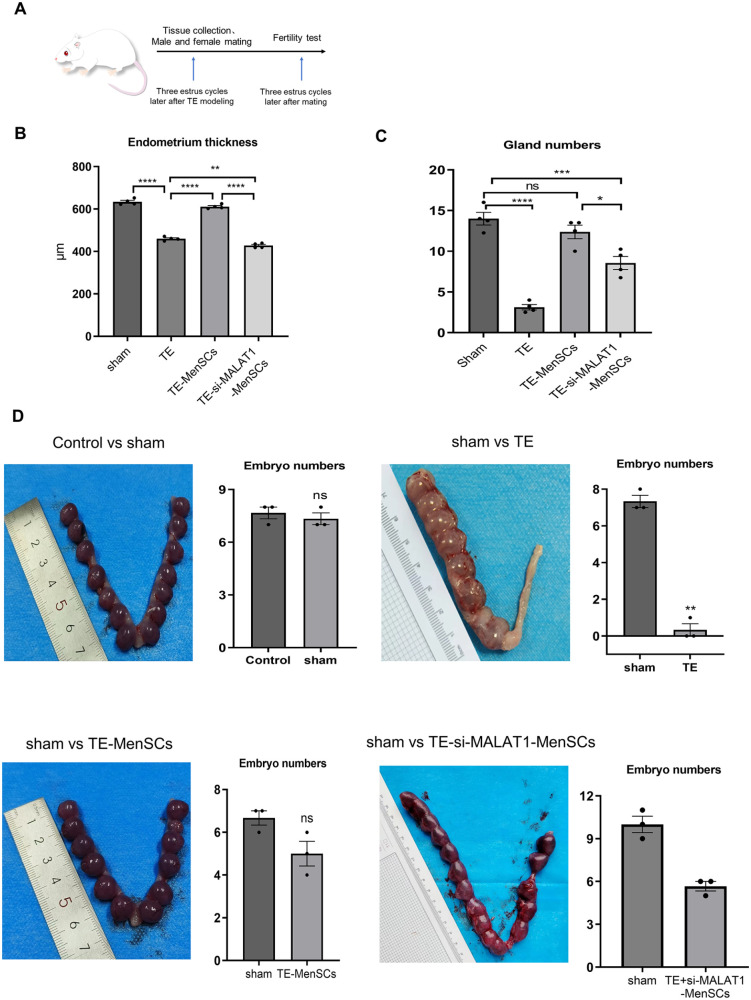
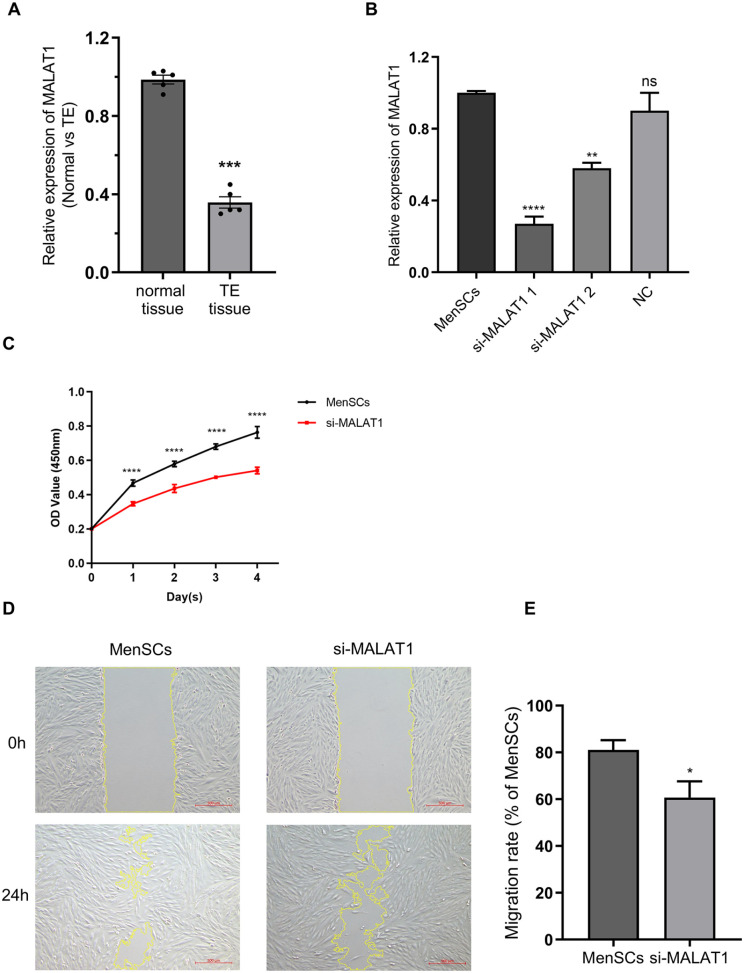
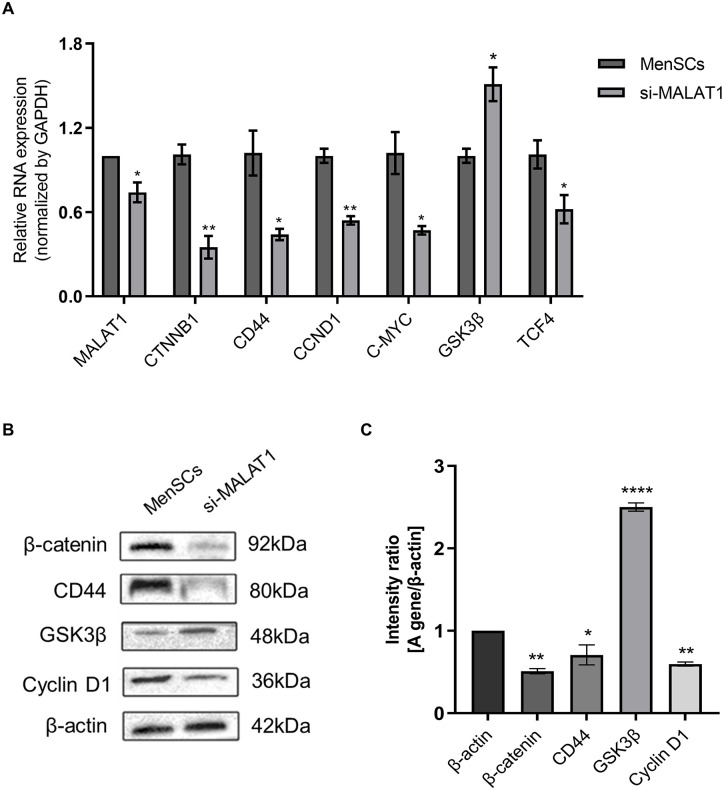
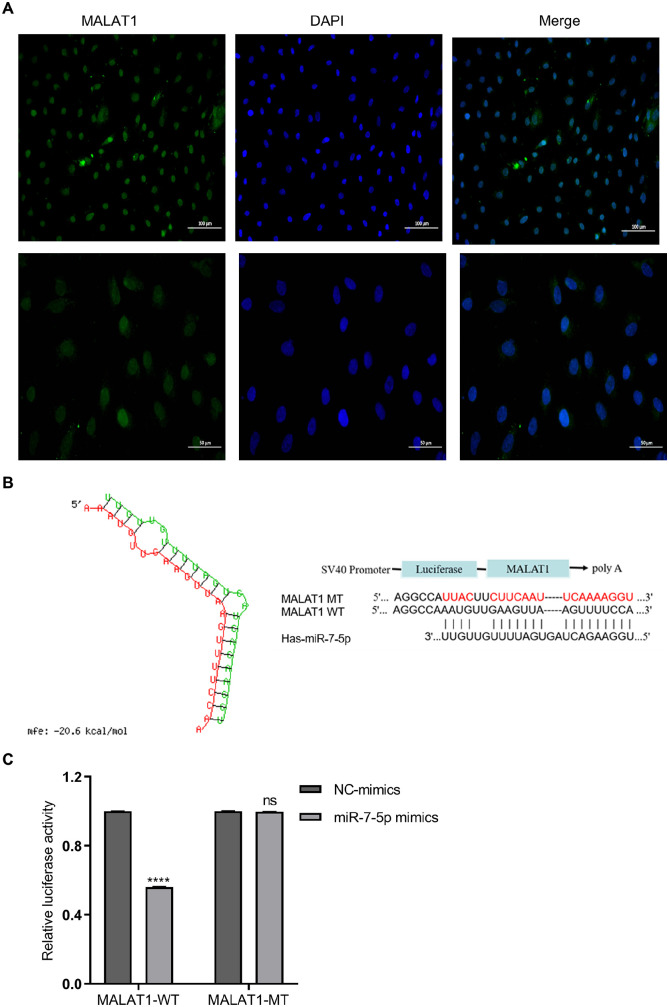
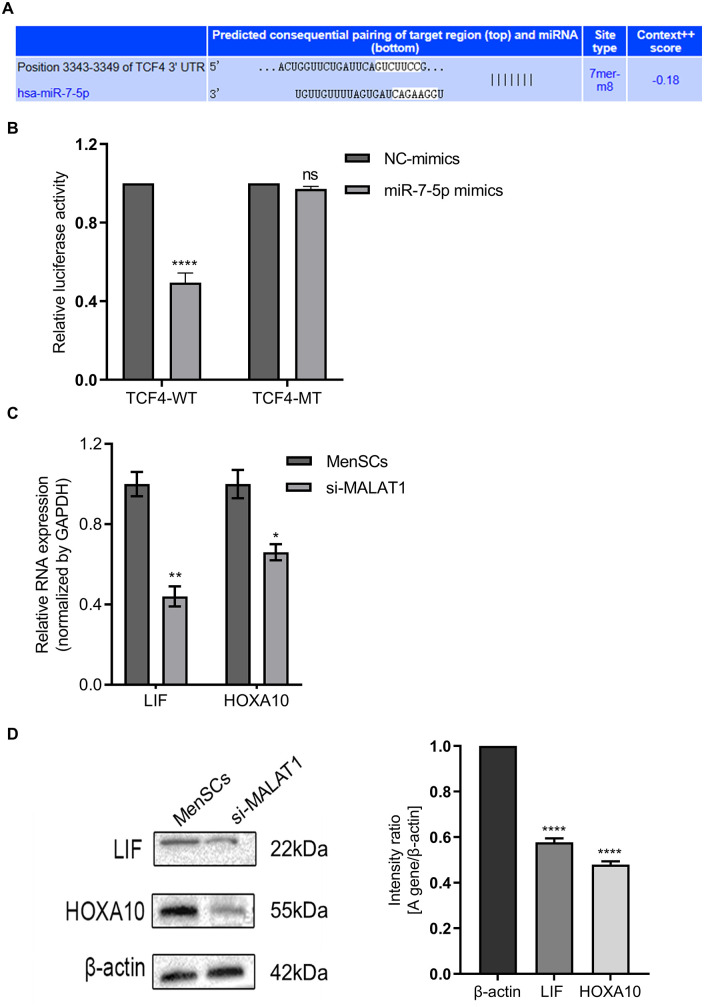
Thin endometrium (TE) is a significant factor contributing to fertility challenges, and addressing this condition remains a central challenge in reproductive medicine. Menstrual blood-derived mesenchymal stem cells (MenSCs) play a crucial role in tissue repair and regeneration, including that of TE. The Wnt signaling pathway, which is highly conserved and prevalent in eukaryotes, is essential for cell proliferation, tissue development, and reproductive functions. MALAT1 is implicated in various transcriptional and molecular functions, including cell proliferation and metastasis. However, the combined effects of the Wnt signaling pathway and the long non-coding RNA (lncRNA) MALAT1 on the regulation of MenSCs' regenerative capabilities in tissue engineering have not yet been explored. To elucidate the regulatory mechanism of MALAT1 in TE, we analyzed its expression levels in normal endometrium and TE tissues, finding that low expression of MALAT1 was associated with poor clinical prognosis. In addition, we conducted both and functional assays to examine the role of the MALAT1/miR-7-5p/TCF4 axis in cell proliferation and migration. Techniques such as dual-luciferase reporter assay, fluorescent hybridization, and immunoblot experiments were utilized to clarify the molecular mechanism. To corroborate these findings, we established a TE model and conducted pregnancy experiments, demonstrating a strong association between MALAT1 expression and endometrial fertility. In conclusion, our comprehensive study provides strong evidence supporting that lncRNA MALAT1 modulates TCF4 expression in the Wnt signaling pathway through interaction with miR-7-5p, thus enhancing MenSCs-mediated improvement of TE and improving fertility.
薄型子宫内膜(TE)是导致生育挑战的重要因素,解决这一问题仍然是生殖医学的核心挑战。月经血源性间充质干细胞(MenSCs)在组织修复和再生中发挥着关键作用,包括 TE。Wnt 信号通路在真核生物中高度保守且普遍存在,对细胞增殖、组织发育和生殖功能至关重要。MALAT1 参与多种转录和分子功能,包括细胞增殖和转移。然而,Wnt 信号通路和长链非编码 RNA(lncRNA)MALAT1 对 MenSCs 在组织工程中再生能力的调节的综合影响尚未得到探索。为了阐明 MALAT1 在 TE 中的调节机制,我们分析了其在正常子宫内膜和 TE 组织中的表达水平,发现 MALAT1 低表达与不良临床预后相关。此外,我们进行了和功能测定,以研究 MALAT1/miR-7-5p/TCF4 轴在细胞增殖和迁移中的作用。我们利用双荧光素酶报告基因测定、荧光原位杂交和免疫印迹实验等技术来阐明分子机制。为了验证这些发现,我们建立了 TE 模型并进行了妊娠实验,证明了 MALAT1 表达与子宫内膜生育能力之间存在很强的关联。总之,我们的综合研究提供了有力的证据支持 lncRNA MALAT1 通过与 miR-7-5p 相互作用来调节 Wnt 信号通路中的 TCF4 表达,从而增强 MenSCs 介导的 TE 改善和提高生育能力。