National Key Laboratory of Crop Genetics and Germplasm Enhancement and Utilization, Sanya Institute of Nanjing Agricultural University, College of Horticulture, Nanjing Agricultural University, Nanjing, Jiangsu 210095, China.
Pomology Institute, Shanxi Agricultural University, Taigu, Shanxi 030801, China.
Plant Commun. 2024 Oct 14;5(10):101000. doi: 10.1016/j.xplc.2024.101000. Epub 2024 Jun 10.
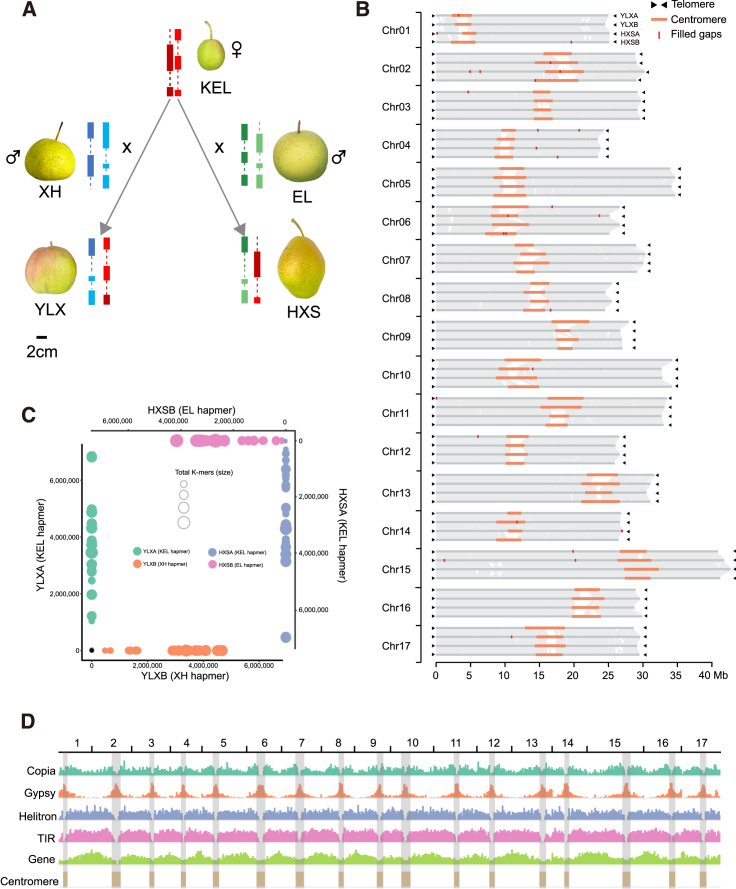
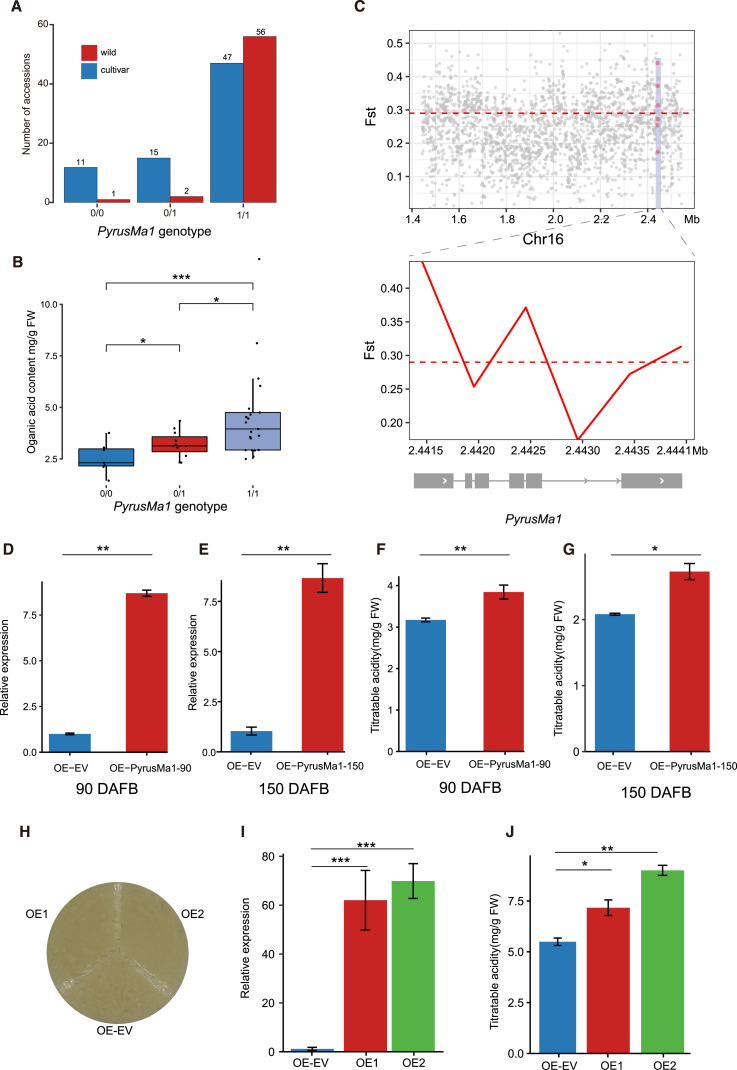
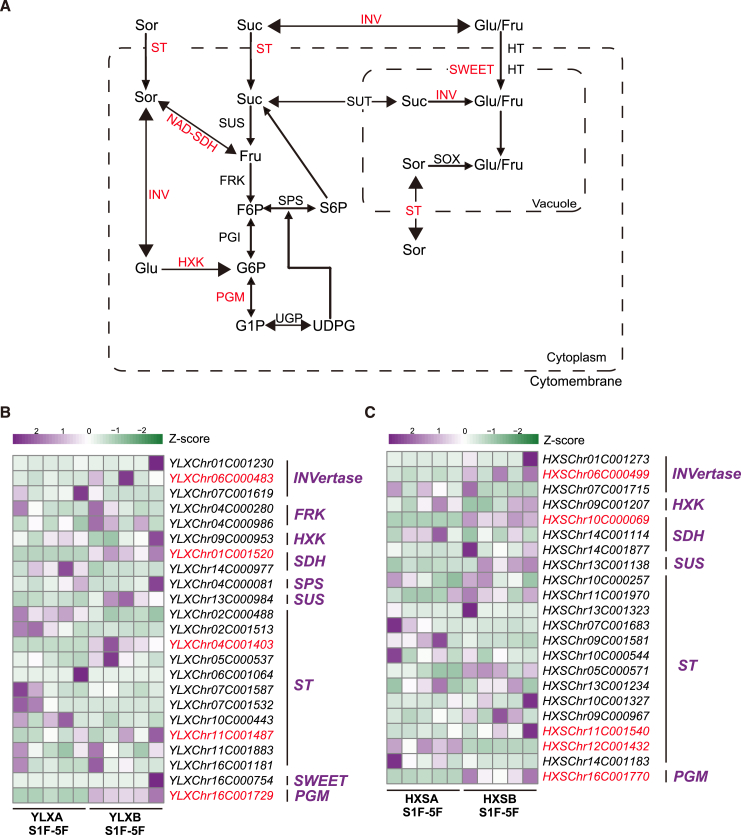
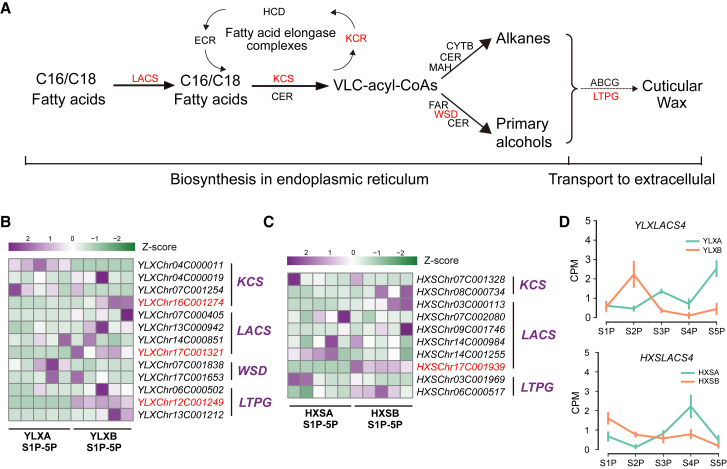
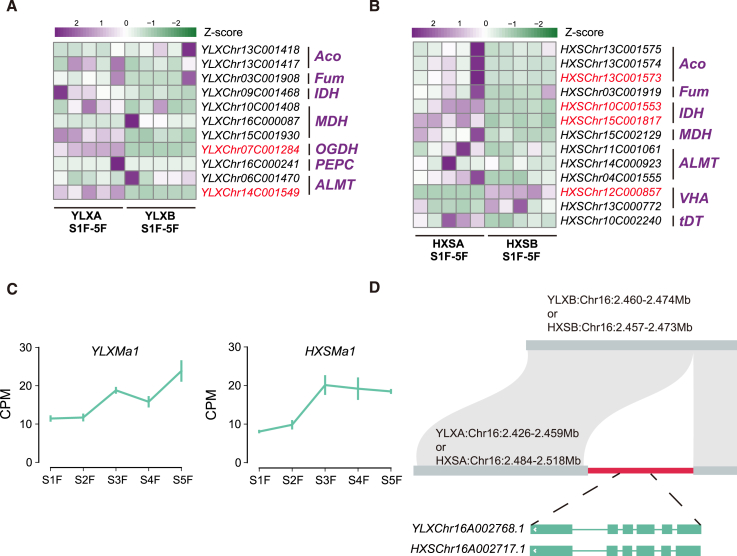
Hybrid crops often exhibit increased yield and greater resilience, yet the genomic mechanism(s) underlying hybrid vigor or heterosis remain unclear, hindering our ability to predict the expression of phenotypic traits in hybrid breeding. Here, we generated haplotype-resolved T2T genome assemblies of two pear hybrid varieties, 'Yuluxiang' (YLX) and 'Hongxiangsu' (HXS), which share the same maternal parent but differ in their paternal parents. We then used these assemblies to explore the genome-scale landscape of allele-specific expression (ASE) and create a pangenome graph for pear. ASE was observed for close to 6000 genes in both hybrid cultivars. A subset of ASE genes related to aspects of fruit quality such as sugars, organic acids, and cuticular wax were identified, suggesting their important contributions to heterosis. Specifically, Ma1, a gene regulating fruit acidity, is absent in the paternal haplotypes of HXS and YLX. A pangenome graph was built based on our assemblies and seven published pear genomes. Resequencing data for 139 cultivated pear genotypes (including 97 genotypes sequenced here) were subsequently aligned to the pangenome graph, revealing numerous structural variant hotspots and selective sweeps during pear diversification. As predicted, the Ma1 allele was found to be absent in varieties with low organic acid content, and this association was functionally validated by Ma1 overexpression in pear fruit and calli. Overall, these results reveal the contributions of ASE to fruit-quality heterosis and provide a robust pangenome reference for high-resolution allele discovery and association mapping.
杂种作物通常表现出更高的产量和更强的适应性,但杂种优势或杂种优势背后的基因组机制仍不清楚,这限制了我们预测杂种繁殖中表型特征表达的能力。在这里,我们生成了两个梨杂交品种 'Yuluxiang'(YLX)和 'Hongxiangsu'(HXS)的单倍型解析的 T2T 基因组组装,它们具有相同的母本,但父本不同。然后,我们使用这些组装来探索等位基因特异性表达(ASE)的全基因组景观,并为梨创建一个泛基因组图谱。在这两个杂交品种中,将近 6000 个基因都观察到了 ASE。鉴定出一组与果实品质相关的 ASE 基因,如糖、有机酸和角质层蜡,表明它们对杂种优势有重要贡献。具体来说,Ma1 是一个调节果实酸度的基因,在 HXS 和 YLX 的父本单倍型中缺失。我们基于组装和七个已发表的梨基因组构建了一个泛基因组图谱。随后,对 139 个栽培梨品种(包括这里测序的 97 个品种)的重测序数据进行了比对,揭示了梨多样化过程中的许多结构变异热点和选择清除。正如预测的那样,Ma1 等位基因在有机酸含量低的品种中缺失,通过在梨果实和愈伤组织中过表达 Ma1 对该关联进行了功能验证。总的来说,这些结果揭示了 ASE 对果实品质杂种优势的贡献,并为高分辨率等位基因发现和关联作图提供了一个强大的泛基因组参考。