Chen Jie, Liu Tongqiang, Shi Haifeng
Department of Security, Huaide College of Changzhou University, Jingjiang, Jiangsu, China.
Department of Nephrology, The Affiliated Changzhou No.2 People's Hospital of Nanjing Medical University, Changzhou, Jiangsu, China.
PLoS One. 2024 Jun 13;19(6):e0305079. doi: 10.1371/journal.pone.0305079. eCollection 2024.
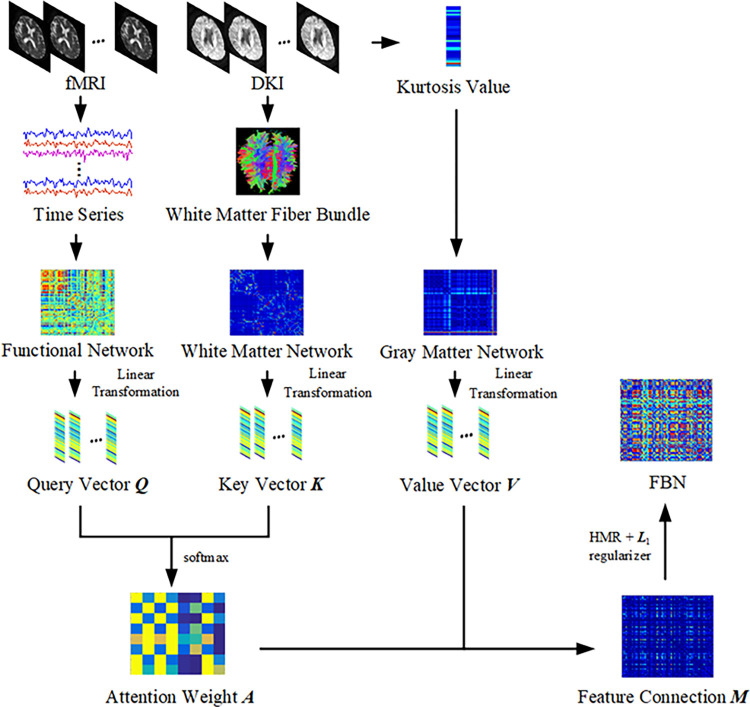
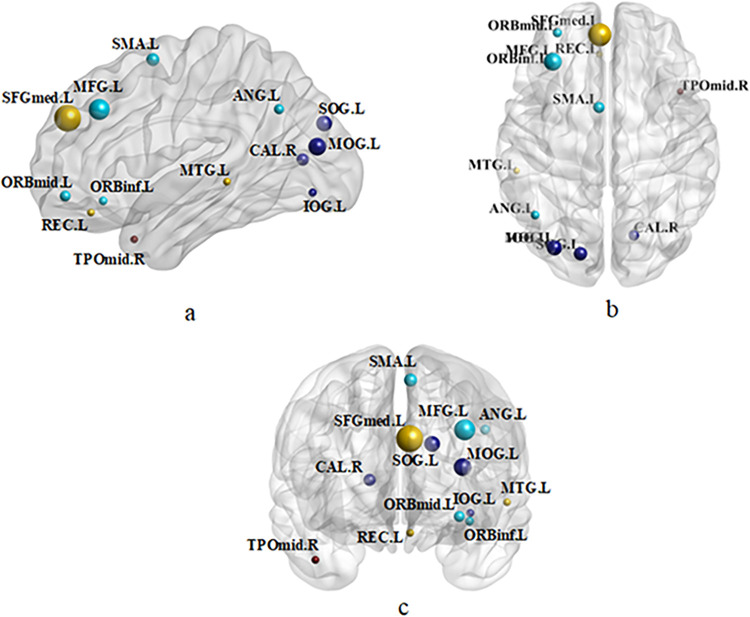
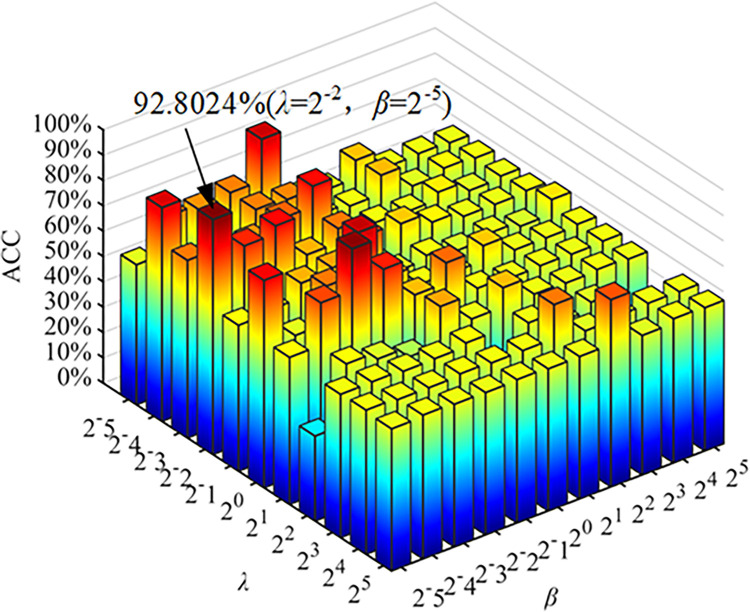
The function and structure of brain networks (BN) may undergo changes in patients with end-stage renal disease (ESRD), particularly in those accompanied by mild cognitive impairment (ESRDaMCI). Many existing methods for fusing BN focus on extracting interaction features between pairs of network nodes from each mode and combining them. This approach overlooks the correlation between different modal features during feature extraction and the potentially valuable information that may exist between more than two brain regions. To address this issue, we propose a model using a multi-head self-attention mechanism to fuse brain functional networks, white matter structural networks, and gray matter structural networks, which results in the construction of brain fusion networks (FBN). Initially, three networks are constructed: the brain function network, the white matter structure network, and the individual-based gray matter structure network. The multi-head self-attention mechanism is then applied to fuse the three types of networks, generating attention weights that are transformed into an optimized model. The optimized model introduces hypergraph popular regular term and L1 norm regular term, leading to the formation of FBN. Finally, FBN is employed in the diagnosis and prediction of ESRDaMCI to evaluate its classification performance and investigate the correlation between discriminative brain regions and cognitive dysfunction. Experimental results demonstrate that the optimal classification accuracy achieved is 92.80%, which is at least 3.63% higher than the accuracy attained using other methods. This outcome confirms the effectiveness of our proposed method. Additionally, the identification of brain regions significantly associated with scores on the Montreal cognitive assessment scale may shed light on the underlying pathogenesis of ESRDaMCI.
终末期肾病(ESRD)患者的脑网络(BN)功能和结构可能会发生变化,尤其是那些伴有轻度认知障碍的患者(ESRDaMCI)。许多现有的融合脑网络的方法侧重于从每种模式中提取网络节点对之间的交互特征并将它们组合起来。这种方法在特征提取过程中忽略了不同模态特征之间的相关性以及可能存在于两个以上脑区之间的潜在有价值信息。为了解决这个问题,我们提出了一种使用多头自注意力机制来融合脑功能网络、白质结构网络和灰质结构网络的模型,从而构建脑融合网络(FBN)。首先,构建三个网络:脑功能网络、白质结构网络和基于个体的灰质结构网络。然后应用多头自注意力机制来融合这三种类型的网络,生成注意力权重并将其转换为优化模型。优化模型引入超图流行正则项和L1范数正则项,从而形成FBN。最后将FBN用于ESRDaMCI的诊断和预测,以评估其分类性能并研究有鉴别力的脑区与认知功能障碍之间的相关性。实验结果表明,实现的最佳分类准确率为92.80%,比使用其他方法获得的准确率至少高3.63%。这一结果证实了我们提出的方法的有效性。此外,识别与蒙特利尔认知评估量表得分显著相关的脑区可能有助于揭示ESRDaMCI的潜在发病机制。