Department of Interventional Medicine, Wuhan Third Hospital (Tongren Hospital of Wuhan University), Wuhan, Hubei Province, China.
Department of Neurosurgery, Renmin Hospital of Wuhan University, Wuhan, Hubei Province, China.
Aging (Albany NY). 2024 Jun 13;16(12):10321-10347. doi: 10.18632/aging.205931.
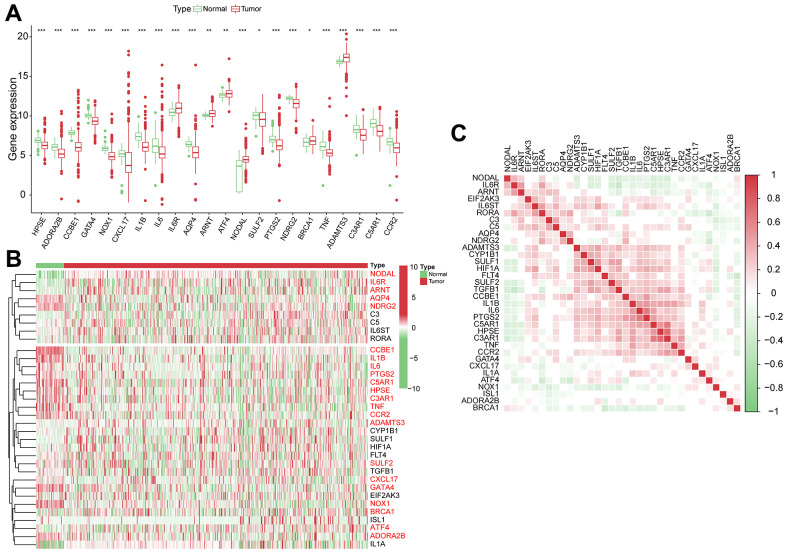
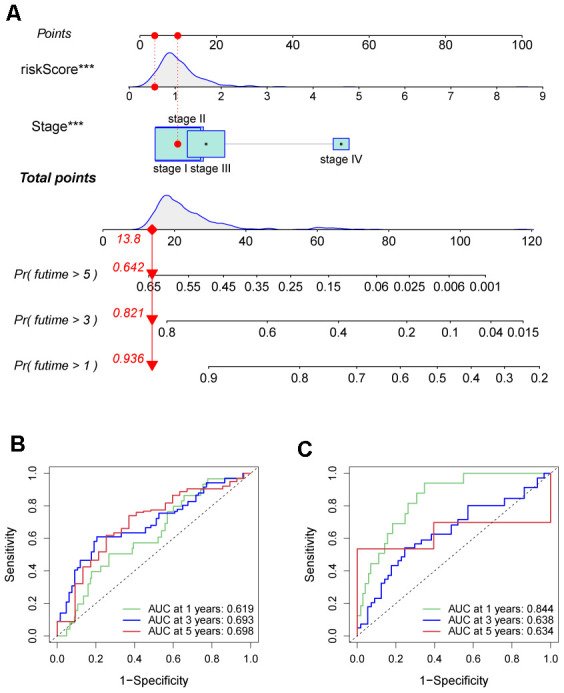
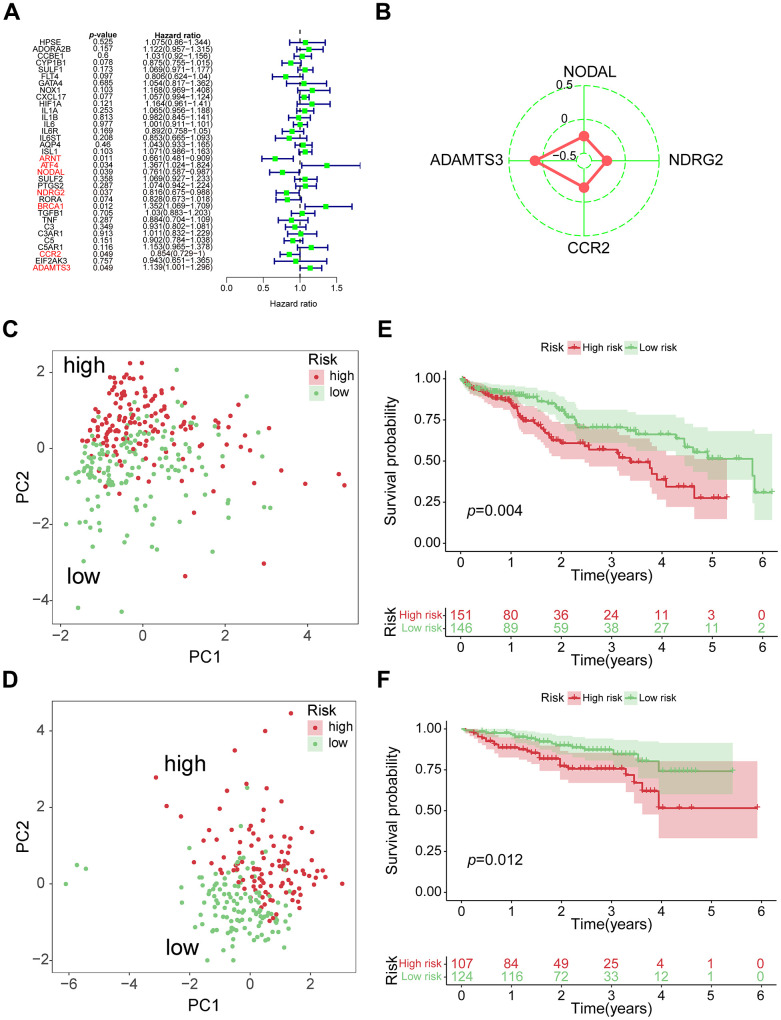
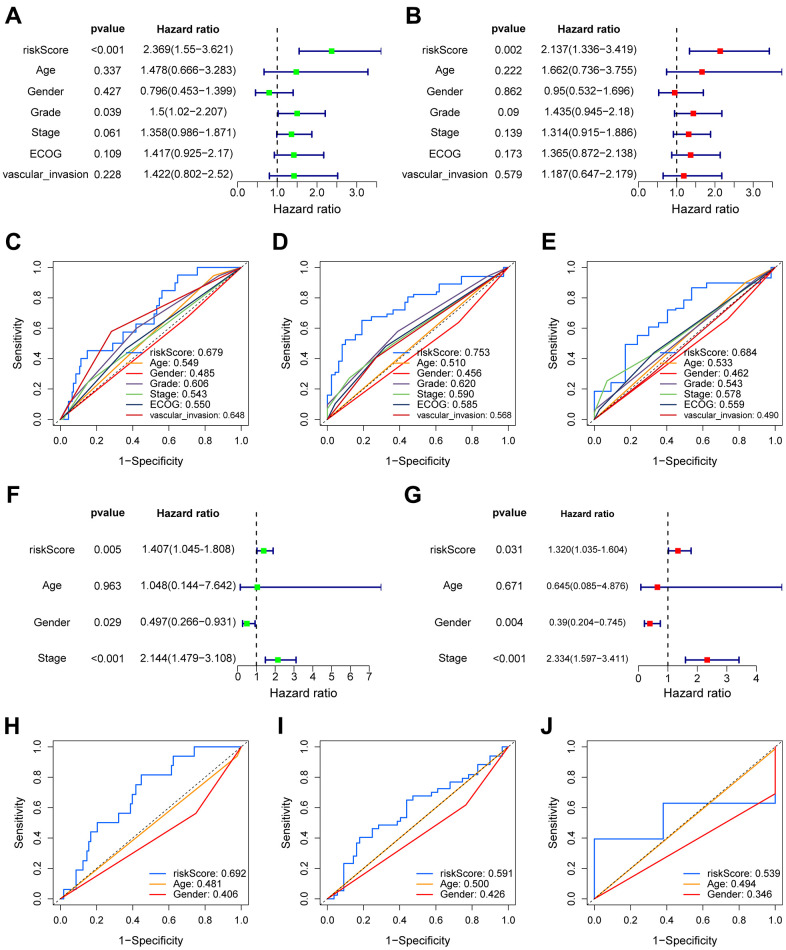
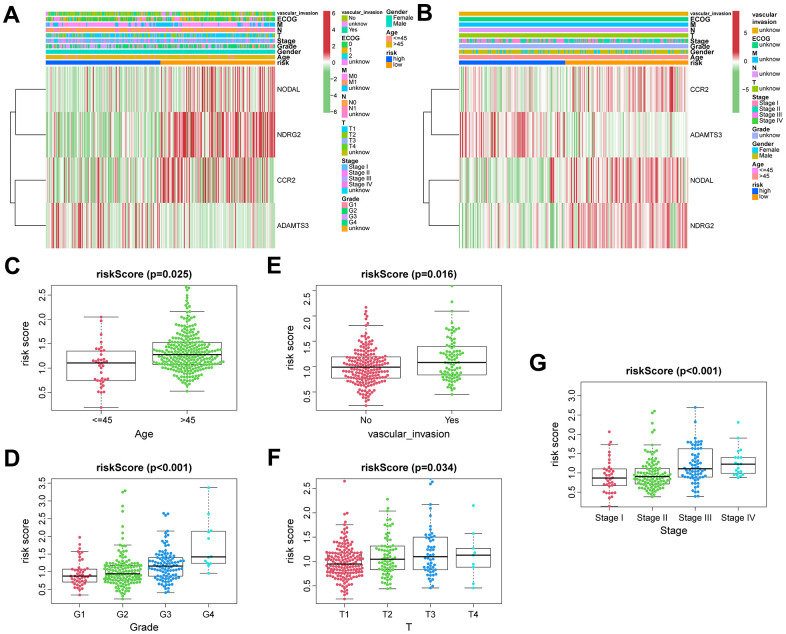
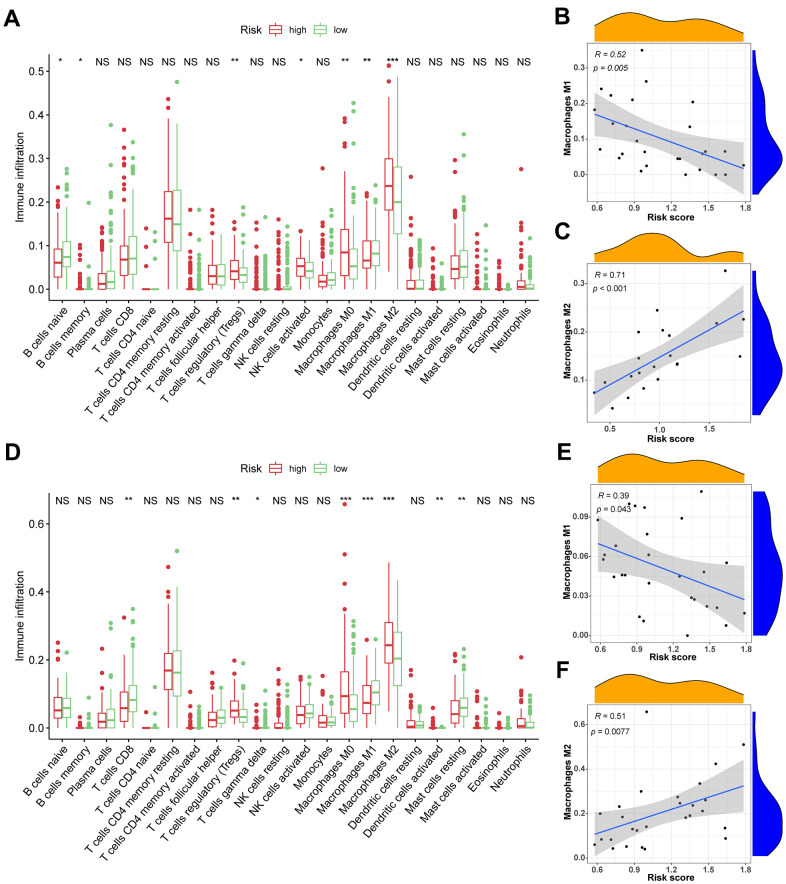
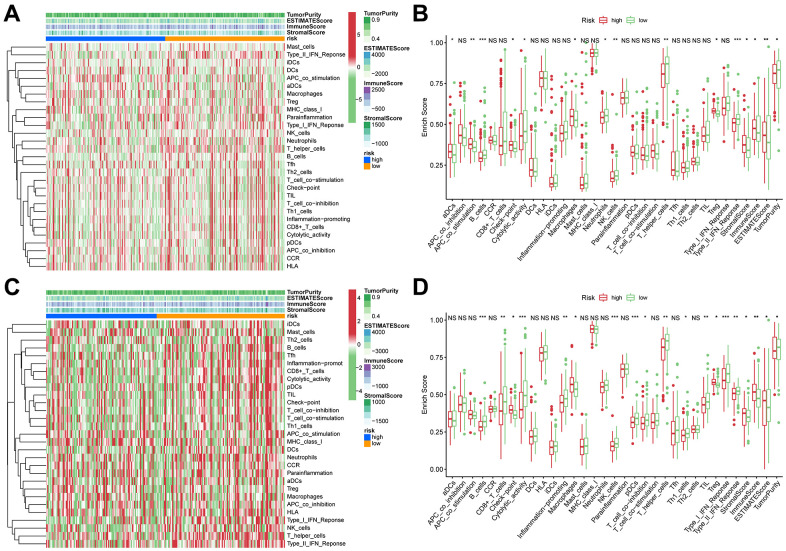
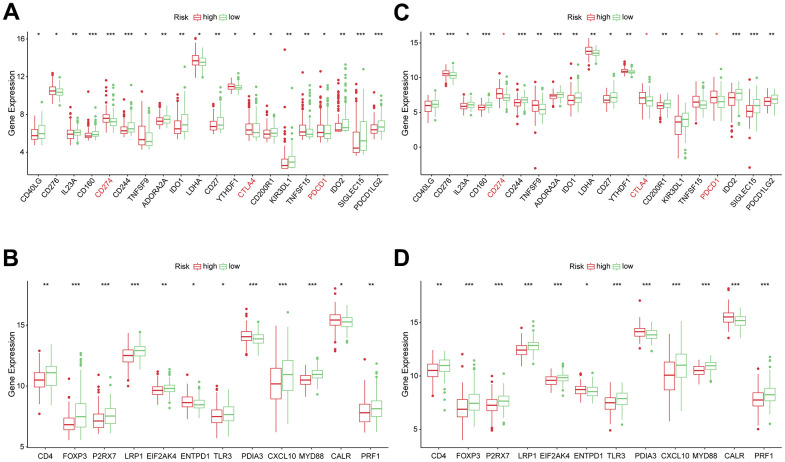
Microangiogenesis is an important prognostic factor in various cancers, including hepatocellular carcinoma (HCC). The Vascular Endothelial Growth Factor (VEGF) has been shown to contribute to tumor angiogenesis. Recently, several studies have investigated the regulation of VEGF production by a single gene, with few researchers exploring all genes that affect VEGF production. In this study, we comprehensively analyzed all genes affecting VEGF production in HCC and developed a risk model and gene-based risk score based on VEGF production. Moreover, the model's predictive capacity on prognosis of HCCs was verified using training and validation datasets. The developed model showed good prediction of the overall survival rate. Patients with a higher risk score experienced poor outcomes compared to those with a lower risk score. Furthermore, we identified the immunological causes of the poor prognosis of patients with high-risk scores comparing with those with low-risk scores.
微血管生成是各种癌症(包括肝细胞癌[HCC])的一个重要预后因素。血管内皮生长因子(VEGF)已被证明有助于肿瘤血管生成。最近,一些研究调查了单个基因对 VEGF 产生的调节作用,很少有研究人员探索所有影响 VEGF 产生的基因。在这项研究中,我们全面分析了影响 HCC 中 VEGF 产生的所有基因,并基于 VEGF 产生开发了一个风险模型和基于基因的风险评分。此外,还使用训练和验证数据集验证了模型对 HCC 预后的预测能力。所开发的模型对总生存率具有良好的预测能力。与低风险评分的患者相比,风险评分较高的患者预后较差。此外,我们通过比较高风险评分和低风险评分患者的免疫原因,确定了高风险评分患者预后不良的原因。