School of Integrative Biological and Chemical Sciences, The University of Texas Rio Grande Valley, 1201 West University Drive, Edinburg, TX 78539, USA.
Laboratorio de Biotecnología Farmacéutica, Centro de Biotecnología Genómica, Instituto Politécnico Nacional, Reynosa 88710, Mexico.
Int J Mol Sci. 2024 Jun 6;25(11):6285. doi: 10.3390/ijms25116285.
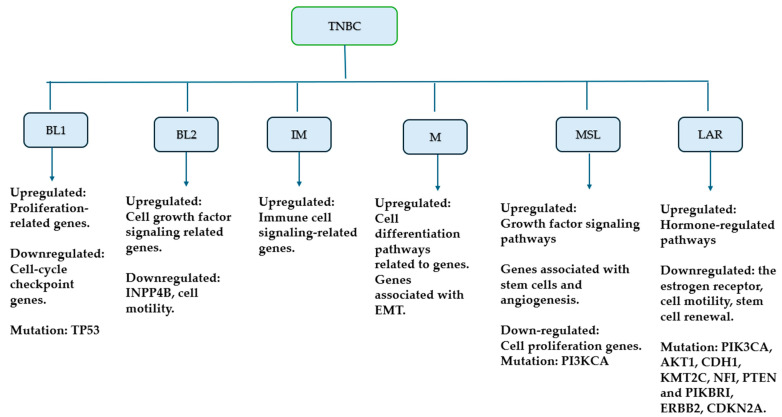
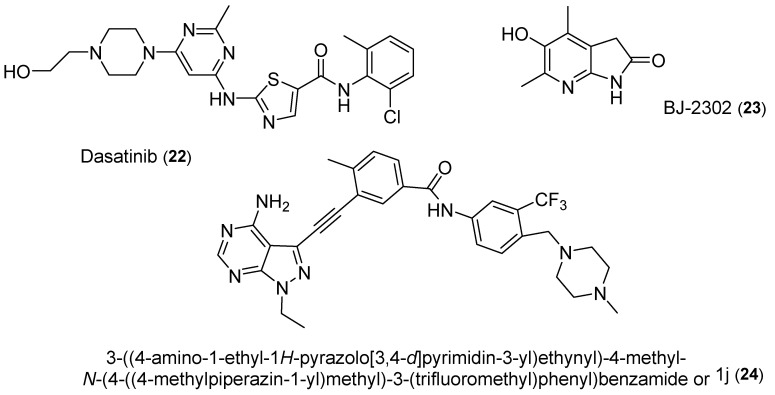
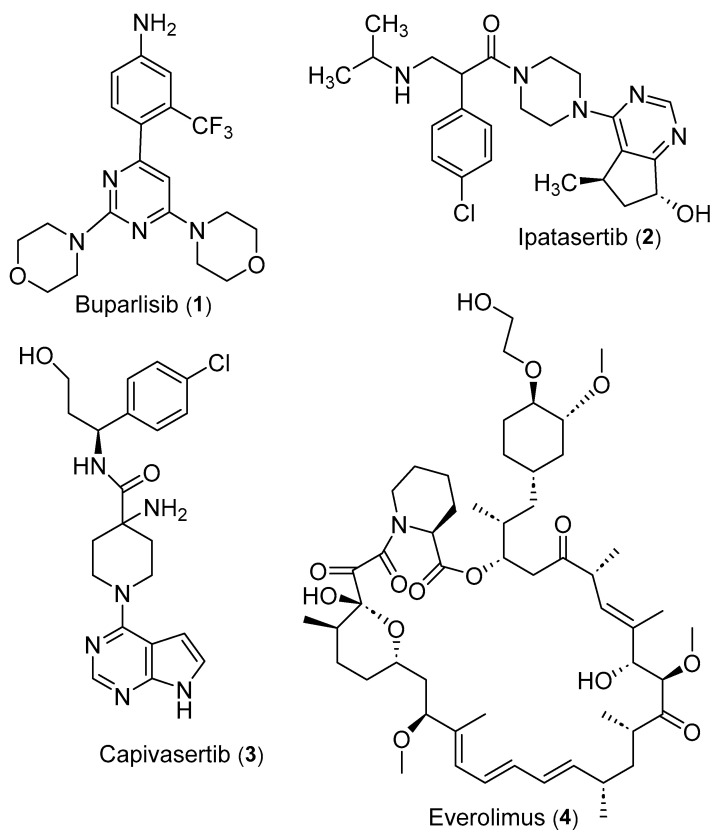
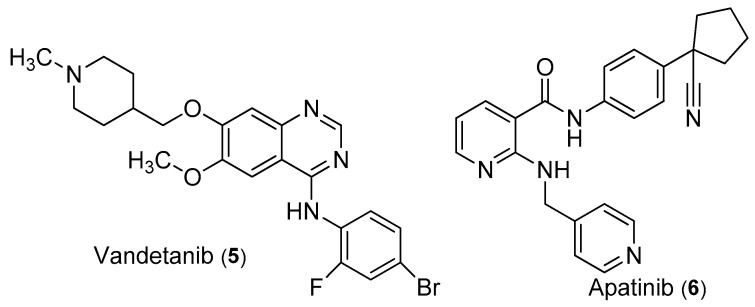
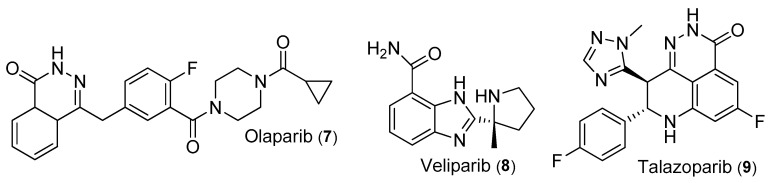
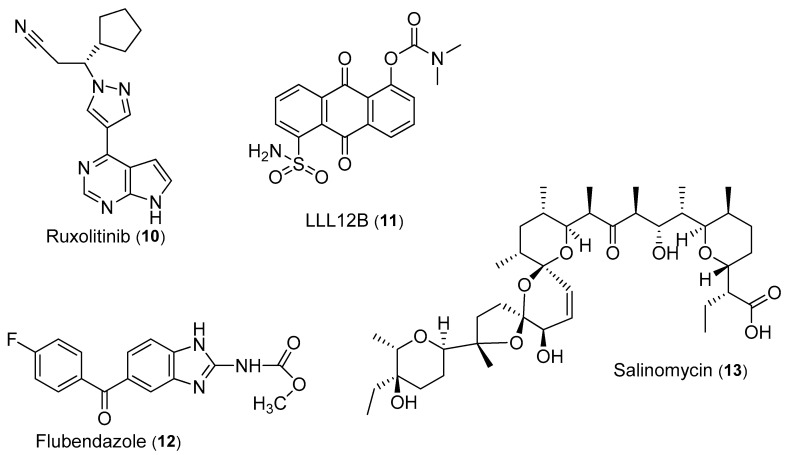
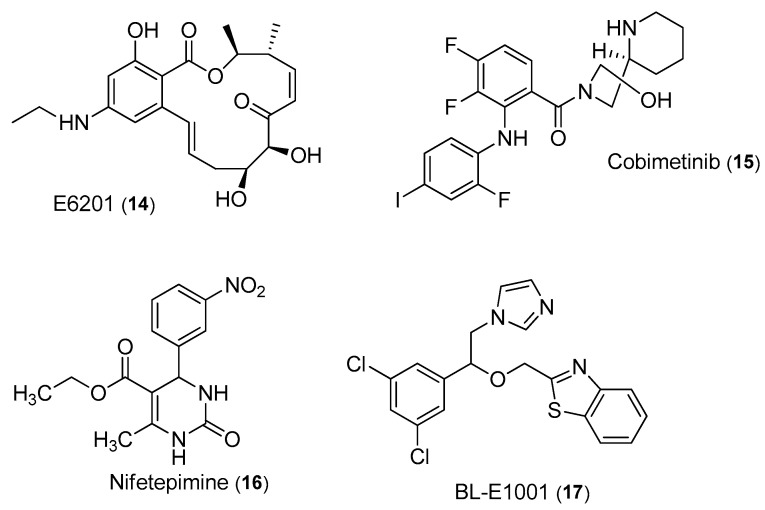
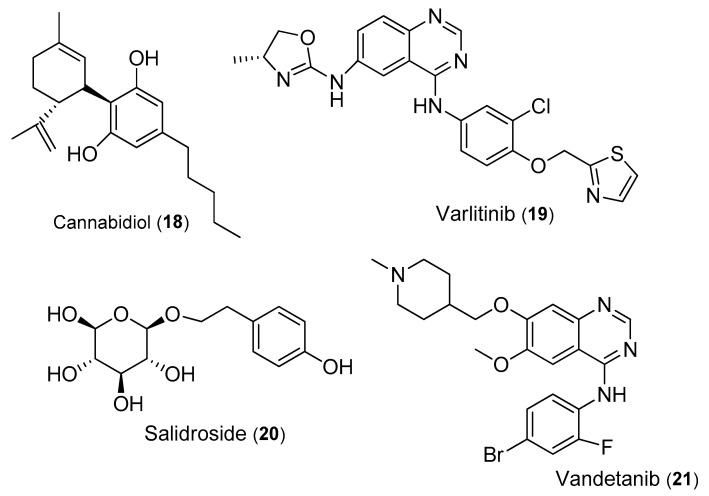
Triple-negative breast cancer (TNBC) cells are devoid of estrogen receptors (ERs), progesterone receptor (PRs), and human epidermal growth factor receptor 2 (HER2), and it (TNBC) counts for about 10-15% of all breast cancers. TNBC is highly invasive, having a faster growth rate and a higher risk of metastasis and recurrence. Still, chemotherapy is one of the widely used options for treating TNBC. This study reviewed the histological and molecular characterization of TNBC subtypes, signaling pathways that are aberrantly expressed, and small molecules targeting these pathways, as either single agents or in combination with other therapeutic agents like chemotherapeutics, immunotherapeutics, and antibody-drug conjugates; their mechanisms of action, challenges, and future perspectives were also reviewed. A detailed analytical review was carried out using the literature collected from the SciFinder, PubMed, ScienceDirect, Google Scholar, ACS, Springer, and Wiley databases. Several small molecule inhibitors were found to be therapeutics for treating TNBC. The mechanism of action and the different signaling pathways through which the small molecules exert their effects were studied, including clinical trials, if reported. These small molecule inhibitors include buparlisib, everolimus, vandetanib, apatinib, olaparib, salidroside, etc. Some of the signaling pathways involved in TNBC, including the VEGF, PARP, STAT3, MAPK, EGFR, P13K, and SRC pathways, were discussed. Due to the absence of these biomarkers, drug development for treating TNBC is challenging, with chemotherapy being the main therapeutic agent. However, chemotherapy is associated with chemoresistance and a high toxicity to healthy cells as side effects. Hence, there is a continuous demand for small-molecule inhibitors that specifically target several signaling pathways that are abnormally expressed in TNBC. We attempted to include all the recent developments in this field. Any omission is truly unintentional.
三阴性乳腺癌(TNBC)细胞缺乏雌激素受体(ERs)、孕激素受体(PRs)和人表皮生长因子受体 2(HER2),约占所有乳腺癌的 10-15%。TNBC 具有很强的侵袭性,生长速度更快,转移和复发的风险更高。尽管如此,化疗仍是治疗 TNBC 的广泛应用方法之一。本研究综述了 TNBC 亚型的组织学和分子特征、异常表达的信号通路以及针对这些通路的小分子药物,包括作为单一药物或与其他治疗药物(如化疗药物、免疫治疗药物和抗体药物偶联物)联合使用;还综述了它们的作用机制、挑战和未来展望。通过从 SciFinder、PubMed、ScienceDirect、Google Scholar、ACS、Springer 和 Wiley 数据库中收集的文献进行了详细的分析综述。发现几种小分子抑制剂可用于治疗 TNBC。研究了这些小分子的作用机制和不同的信号通路,包括已报道的临床试验。这些小分子抑制剂包括 buparlisib、everolimus、vandetanib、apatinib、olaparib、salidroside 等。讨论了一些与 TNBC 相关的信号通路,包括 VEGF、PARP、STAT3、MAPK、EGFR、P13K 和 SRC 通路。由于缺乏这些生物标志物,治疗 TNBC 的药物开发具有挑战性,化疗是主要的治疗药物。然而,化疗会导致耐药性和对健康细胞的高毒性等副作用。因此,人们一直需要针对 TNBC 中异常表达的几种信号通路的特异性小分子抑制剂。我们试图在这一领域纳入所有的最新进展。任何遗漏都是无意的。