Modrzejewska Monika, Zdanowska Oliwia
Second Chair and Department of Ophthalmology, Pomeranian Medical University in Szczecin in Poland, Al. Powstańców Wlkp. 72, 70-111 Szczecin, Poland.
K. Marcinkowski University Hospital in Zielona Góra, 65-046 Zielona Góra, Poland.
J Clin Med. 2024 May 25;13(11):3097. doi: 10.3390/jcm13113097.
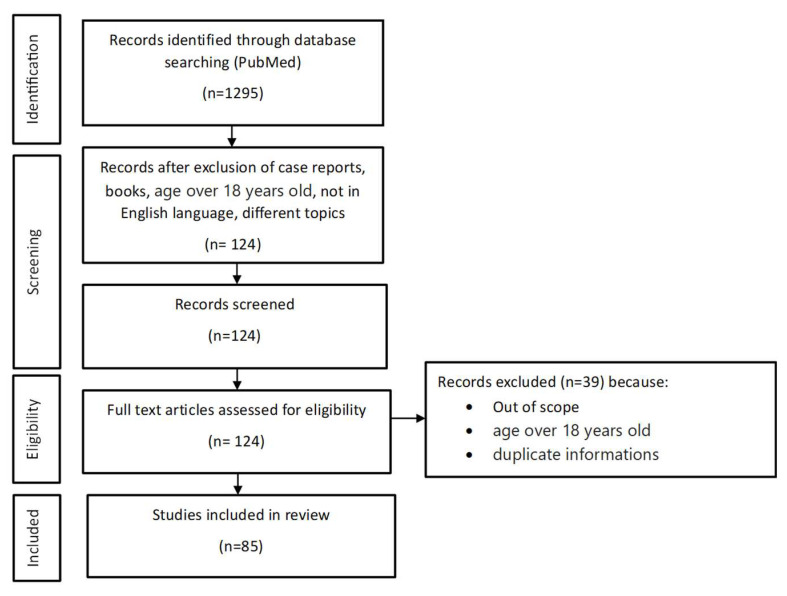
Pediatric uveitis has a low incidence. It is very diverse in its presentation and is often the first sign of a severe systemic disease. The pediatric population poses a special therapeutic and diagnostic challenge due to the potentially adverse effects of therapeutic agents on the young body and difficult cooperation with the patient during the examination, as well as the increased risk of complications that can lead to severe disability. The most commonly diagnosed type of uveitis is non-infectious, with first-line therapy consisting of systemic corticosteroids followed by disease-modifying drugs (methotrexate (MTX), mycophenolate mofetil (MMF), and cyclosporin A (CsA)). In severe, refractory cases, biologic therapy is used. The authors reviewed the current literature on the etiology, diagnostic tools, and treatment of uveitis in the pediatric population covering the years 2018-2023, presenting current methods of modern diagnosis and treatment. The reason for writing this article was the need to update the knowledge on uveitis, driven by the increasing prevalence of autoimmune uveitis in the pediatric population. This trend presents significant challenges in diagnosing and treating the disease, as well as managing its complications. Correctly identifying the pathogenetic factor of uveitis can facilitate the diagnosis of the systemic disease underlying the ocular infection and enable the timely implementation of systemic treatment. Furthermore, the emergence of new diagnostic methods necessitates a revision and update of ophthalmic knowledge, essential for both ophthalmologists and other specialists involved in the treatment of uveitis.
小儿葡萄膜炎发病率较低。其临床表现极为多样,且往往是严重全身性疾病的首发症状。由于治疗药物可能对儿童身体产生不良影响,加之检查过程中患儿难以配合,以及并发症风险增加可能导致严重残疾,因此小儿群体在治疗和诊断方面面临特殊挑战。最常诊断出的葡萄膜炎类型为非感染性,一线治疗包括全身使用糖皮质激素,随后使用改善病情的药物(甲氨蝶呤(MTX)、霉酚酸酯(MMF)和环孢素A(CsA))。在严重的难治性病例中,则使用生物疗法。作者回顾了2018年至2023年期间有关小儿葡萄膜炎病因、诊断工具和治疗的当前文献,介绍了现代诊断和治疗的当前方法。撰写本文的原因是,小儿自身免疫性葡萄膜炎患病率不断上升,需要更新有关葡萄膜炎的知识。这一趋势在疾病的诊断、治疗以及并发症管理方面带来了重大挑战。正确识别葡萄膜炎的致病因素有助于诊断眼部感染背后的全身性疾病,并能及时实施全身治疗。此外,新诊断方法的出现需要修订和更新眼科知识,这对眼科医生和参与葡萄膜炎治疗的其他专科医生而言至关重要。