Department of Molecular and Chemical Life Sciences, Graduate School of Life Sciences, Tohoku University, Sendai, 980-8577, Japan.
Forest Bio-Research Center, Forestry and Forest Products Research Institute (FFPRI), Forest Research and Management Organization (FRMO), 3809-1 Ishi, Juo, Hitachi, Ibaraki, 319-1301, Japan.
BMC Biotechnol. 2024 Jun 19;24(1):42. doi: 10.1186/s12896-024-00867-0.
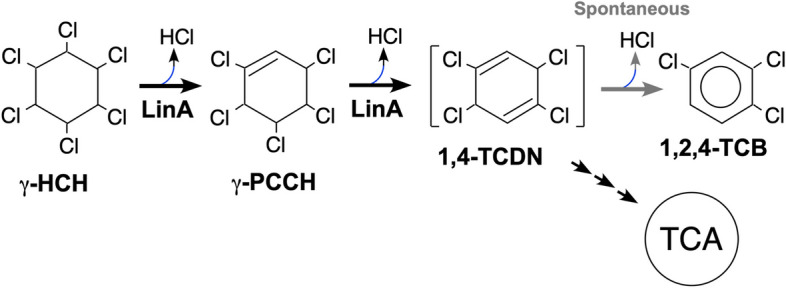
γ-Hexachlorocyclohexane (γ-HCH), an organochlorine insecticide of anthropogenic origin, is a persistent organic pollutant (POP) that causes environmental pollution concerns worldwide. Although many γ-HCH-degrading bacterial strains are available, inoculating them directly into γ-HCH-contaminated soil is ineffective because of the low survival rate of the exogenous bacteria. Another strategy for the bioremediation of γ-HCH involves the use of transgenic plants expressing bacterial enzyme for γ-HCH degradation through phytoremediation.
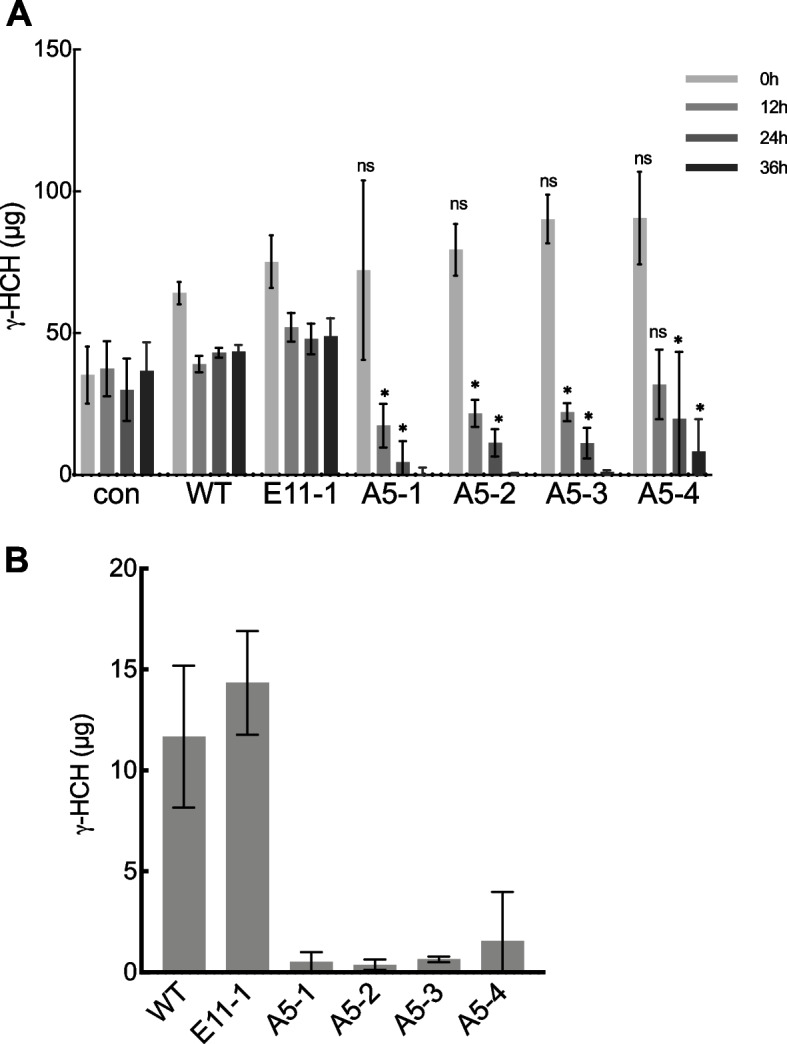
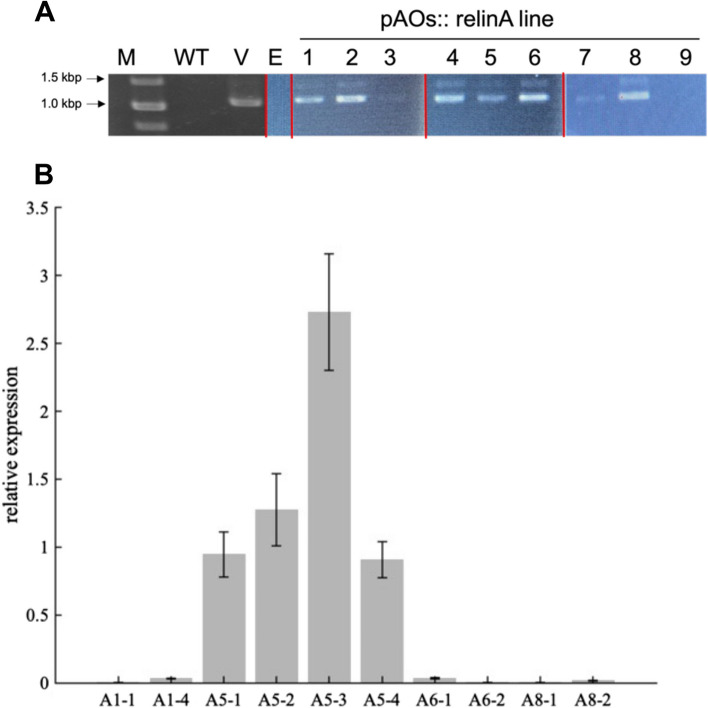
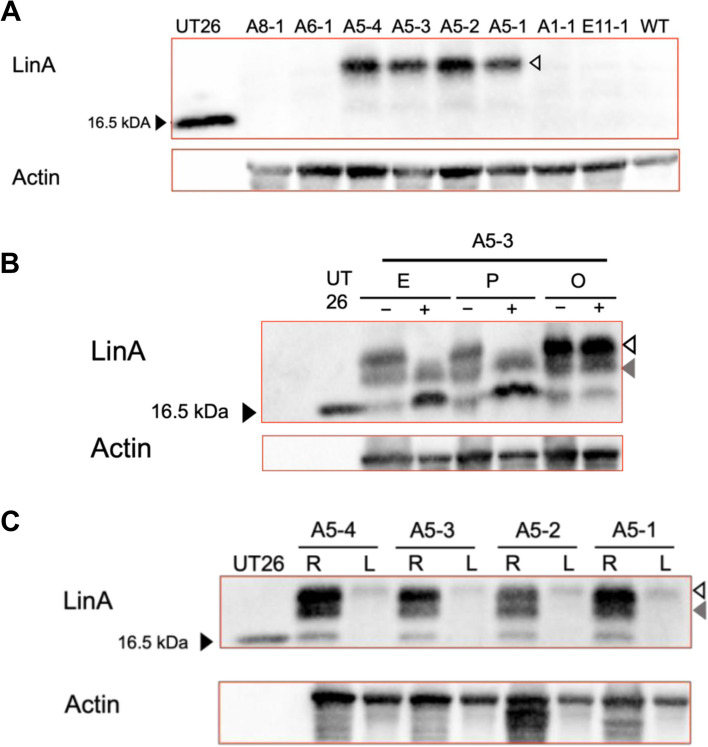
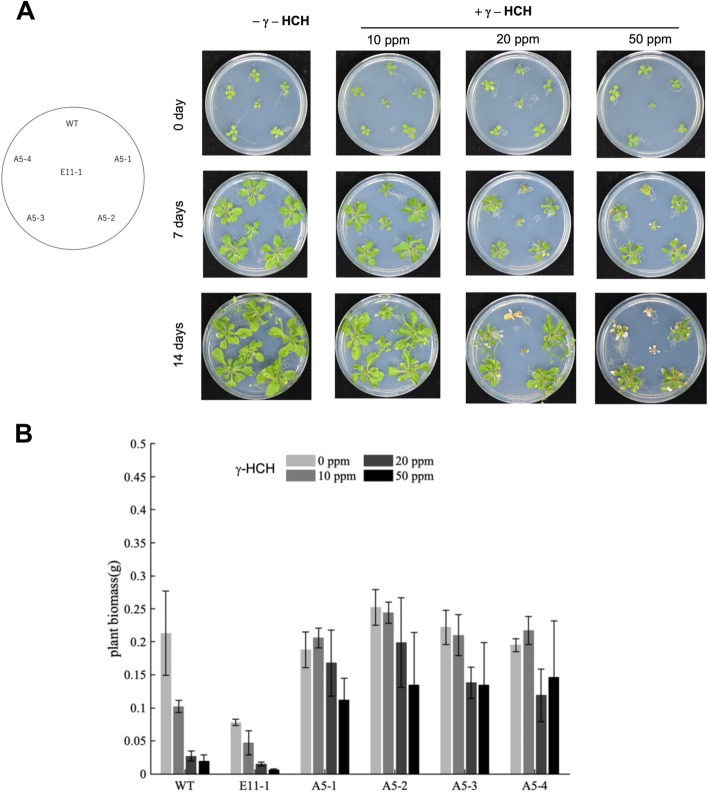
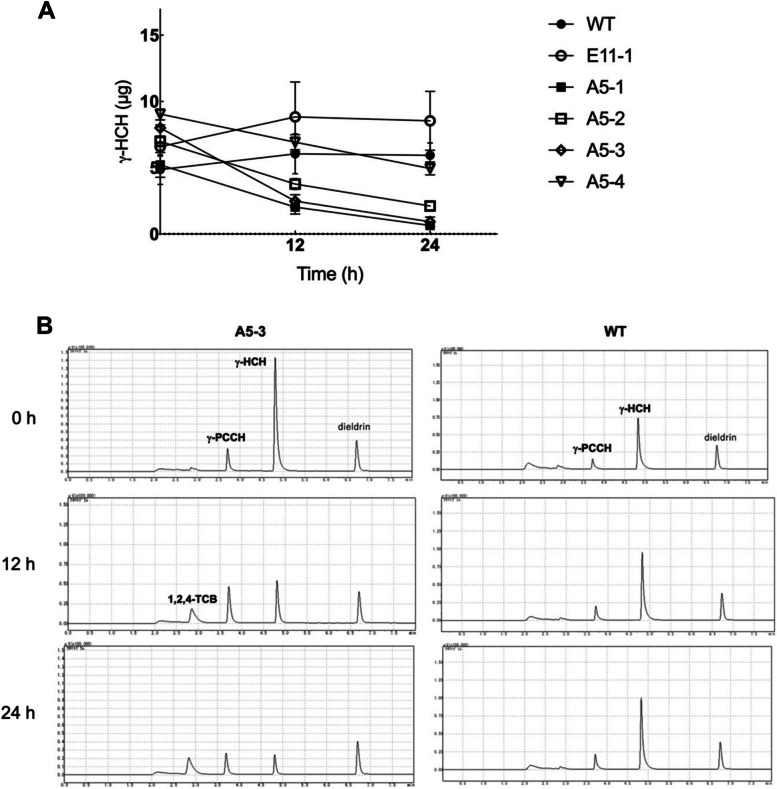
We generated transgenic Arabidopsis thaliana expressing γ-HCH dehydrochlroninase LinA from bacterium Sphingobium japonicum strain UT26. Among the transgenic Arabidopsis T2 lines, we obtained one line (A5) that expressed and accumulated LinA well. The A5-derived T3 plants showed higher tolerance to γ-HCH than the non-transformant control plants, indicating that γ-HCH is toxic for Arabidopsis thaliana and that this effect is relieved by LinA expression. The crude extract of the A5 plants showed γ-HCH degradation activity, and metabolites of γ-HCH produced by the LinA reaction were detected in the assay solution, indicating that the A5 plants accumulated the active LinA protein. In some A5 lines, the whole plant absorbed and degraded more than 99% of γ-HCH (10 ppm) in the liquid medium within 36 h.
The transgenic Arabidopsis expressing active LinA absorbed and degraded γ-HCH in the liquid medium, indicating the high potential of LinA-expressing transgenic plants for the phytoremediation of environmental γ-HCH. This study marks a crucial step toward the practical use of transgenic plants for the phytoremediation of POPs.
γ-六氯环己烷(γ-HCH)是一种人为来源的有机氯杀虫剂,是一种持久性有机污染物(POP),引起了全球范围内的环境污染问题。尽管有许多可降解γ-HCH 的细菌菌株,但由于外源性细菌的存活率低,直接将其接种到γ-HCH 污染的土壤中效果不佳。另一种用于γ-HCH 生物修复的策略是利用表达细菌酶的转基因植物通过植物修复来降解γ-HCH。
我们从细菌日本鞘氨醇单胞菌菌株 UT26 中生成了表达γ-HCH 脱氢氯代酶 LinA 的转基因拟南芥。在转基因拟南芥 T2 系中,我们获得了一条表达和积累 LinA 良好的系(A5)。A5 衍生的 T3 植物对γ-HCH 的耐受性高于非转化对照植物,表明γ-HCH 对拟南芥有毒,而这种效应通过 LinA 表达得到缓解。A5 植物的粗提物显示出 γ-HCH 降解活性,并且在测定溶液中检测到由 LinA 反应产生的γ-HCH 代谢物,表明 A5 植物积累了活性 LinA 蛋白。在一些 A5 系中,整个植物在 36 小时内吸收并降解了超过 99%的液体培养基中的γ-HCH(10ppm)。
表达活性 LinA 的转基因拟南芥在液体培养基中吸收并降解了γ-HCH,表明表达 LinA 的转基因植物在环境γ-HCH 的植物修复方面具有很高的潜力。本研究标志着利用转基因植物进行 POP 植物修复的实用化迈出了关键一步。