S Mary Vasanthi, A Haiter Lenin, Fouad Yasser, Soudagar Manzoore Elahi M
Department of Electronics and Communication Engineering, St Xavier's Catholic College of Engineering, Nagercoil, Tamilnadu, India.
School of Mechanical and Chemical Engineering, WOLLO University, Kombolcha Institute of Technology, Kombolcha, Post Box No: 208, Ethiopia.
Heliyon. 2024 May 31;10(11):e32211. doi: 10.1016/j.heliyon.2024.e32211. eCollection 2024 Jun 15.
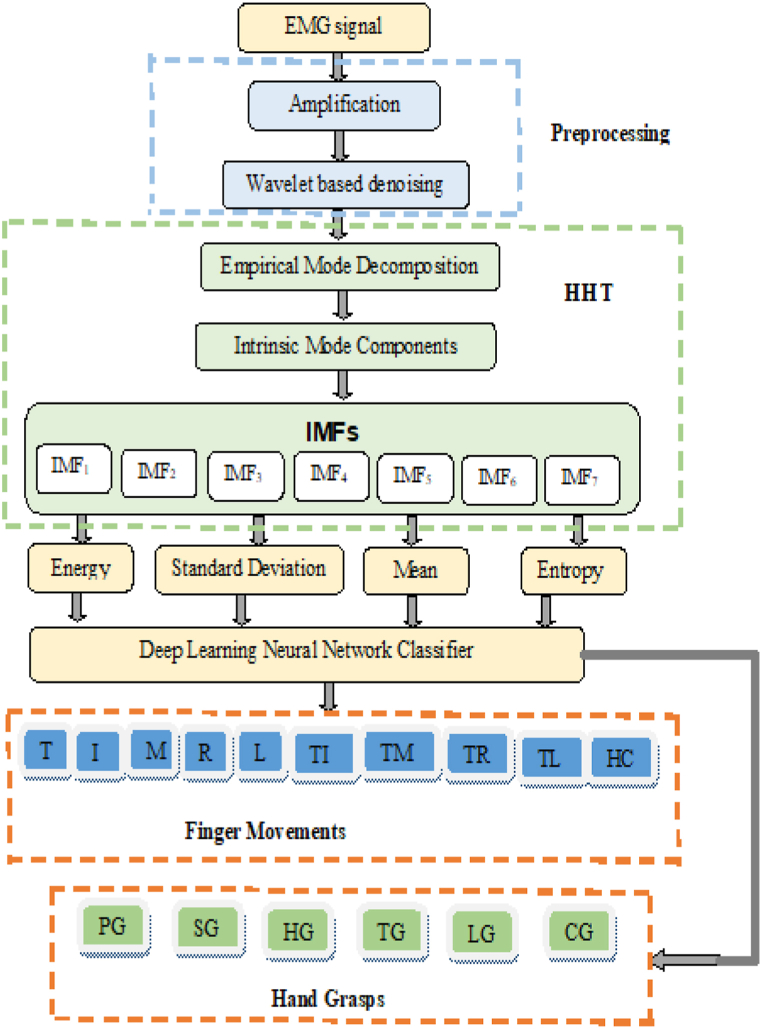
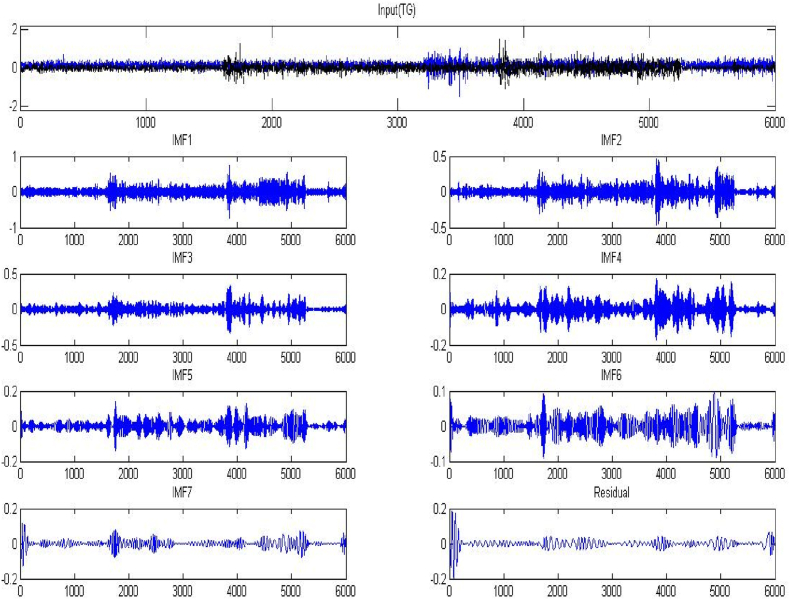
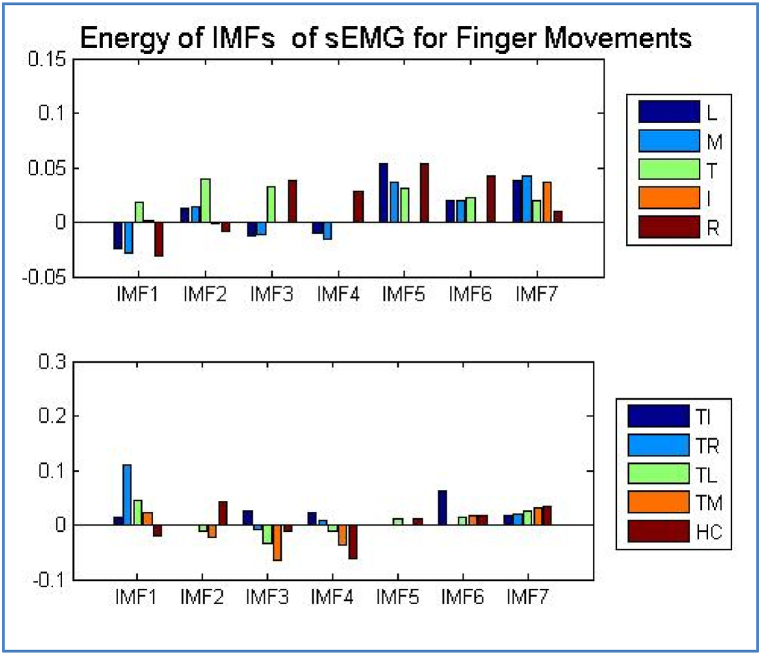
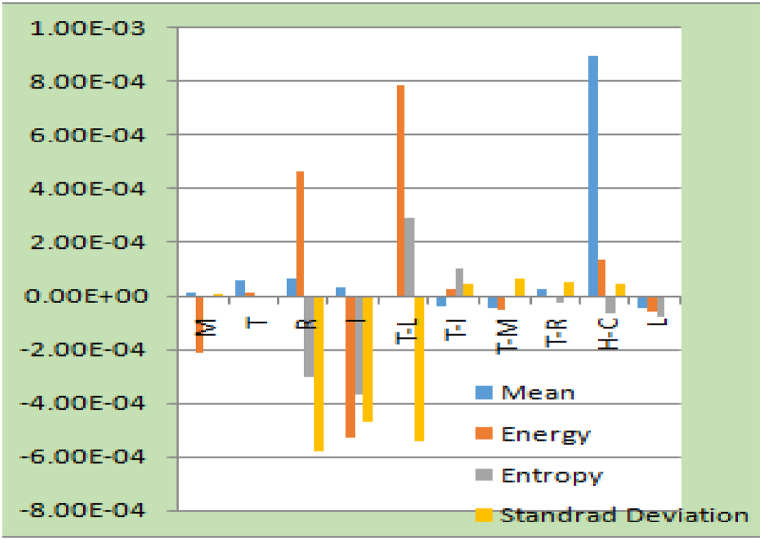
This research aims to provide the groundwork for smartly categorizing hand movements for use with prosthetic hands. The hand motions are classified using surface electromyography (sEMG) data. In reaction to a predetermined sequence of fibre activation, every single one of our muscles contracts. They could be useful in developing control protocols for bio-control systems, such human-computer interaction and upper limb prostheses. When focusing on hand gestures, data gloves and vision-based approaches are often used. The data glove technique requires tedious and unnatural user engagement, whereas the vision-based solution requires significantly more expensive sensors. This research offered a Deep Neural Network (DNN) automated hand gesticulation recognition system based on electromyography to circumvent these restrictions. This work primarily aims to augment the concert of the hand gesture recognition system via the use of an artificial classifier. To advance the recognition system's classification accuracy, this study explains how to build models of neural networks and how to use signal processing methods. By locating the Hilbert Huang Transform (HHT), one may get the essential properties of the signal. When training a DNN classifier, these characteristics are sent into it. The investigational results reveal that the suggested technique accomplishes a better categorization rate (98.5 % vs. the alternatives).
本研究旨在为智能分类手部动作以用于假肢提供基础。手部动作通过表面肌电图(sEMG)数据进行分类。我们的每一块肌肉都会根据预定的纤维激活顺序做出收缩反应。它们在开发生物控制系统的控制协议方面可能会很有用,比如人机交互和上肢假肢。在关注手势时,通常会使用数据手套和基于视觉的方法。数据手套技术需要用户进行繁琐且不自然的操作,而基于视觉的解决方案则需要成本高得多的传感器。本研究提供了一种基于肌电图的深度神经网络(DNN)自动手势识别系统,以规避这些限制。这项工作主要旨在通过使用人工分类器来增强手势识别系统的协同能力。为了提高识别系统的分类准确率,本研究解释了如何构建神经网络模型以及如何使用信号处理方法。通过定位希尔伯特黄变换(HHT),可以获得信号的基本特性。在训练DNN分类器时,将这些特征输入其中。研究结果表明,所提出的技术实现了更高的分类率(98.5%,优于其他方法)。