Tarcau Bogdan Mihai, Negru Andra, Ghitea Timea Claudia, Marian Eleonora
Doctoral School of Biological and Biomedical Sciences, University of Oradea, 410087 Oradea, Romania.
Department of Internal Medicine, Iuliu Hatieganu University of Medicine and Pharmacy, 400347 Cluj-Napoca, Romania.
Biomedicines. 2024 May 21;12(6):1135. doi: 10.3390/biomedicines12061135.
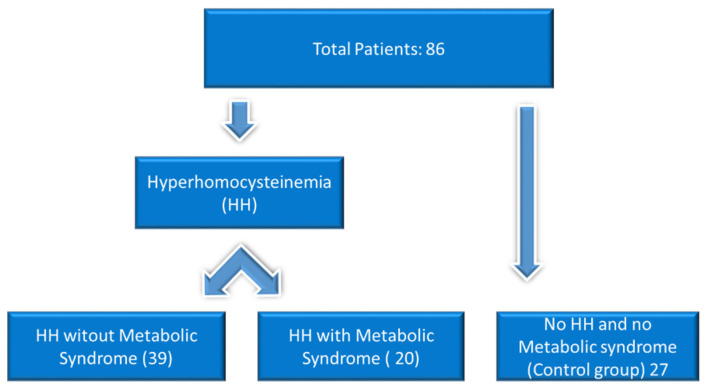
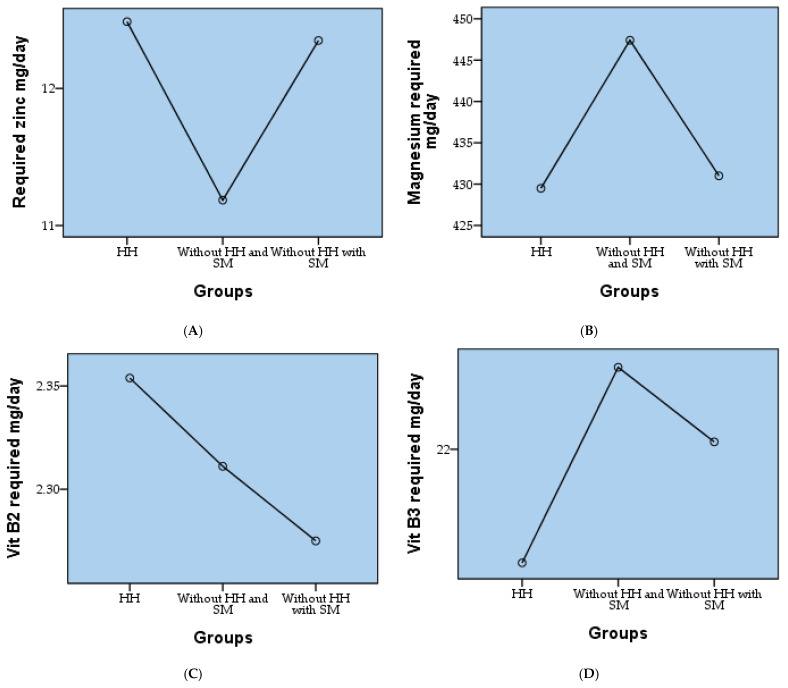
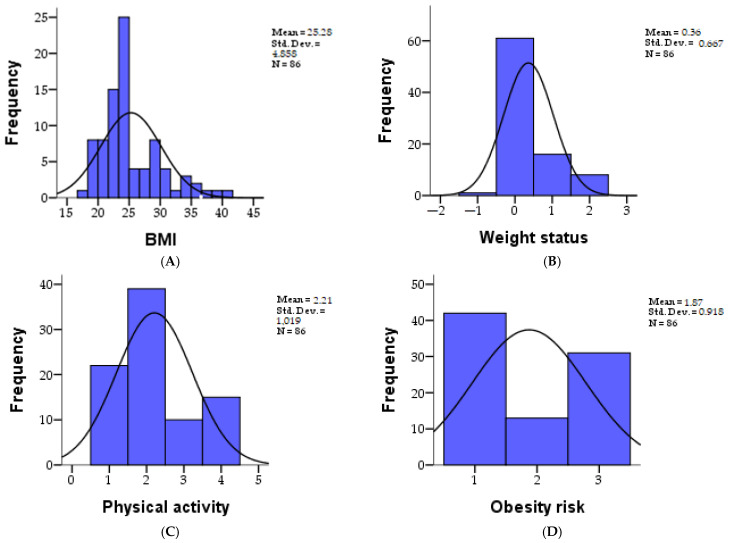
This study investigates the distribution of hyperhomocysteinemia and cardiovascular metabolic syndrome (SM) among participants, shedding light on their prevalence and co-occurrence within the study cohort. Through an analysis of demographic characteristics and health parameters, including age, gender, and body mass index (BMI), alongside nutritional data, correlations between these factors and health risks are explored. Results reveal a notable prevalence of hyperhomocysteinemia, with 45.3% of participants exhibiting this condition. Furthermore, 31.4% of the cohort does not present hyperhomocysteinemia or SM, while 23.3% shows SM without hyperhomocysteinemia. The study underscores gender-specific dietary recommendations due to significant variations in nutrient intake patterns. Additionally, inverse correlations between health risks like obesity, hypertension, and hypercholesterolemia and nutrient requirements highlight the need for tailored dietary interventions. Age-related changes in nutrient needs and the positive correlation between physical activity levels and certain nutrient demands further emphasize the importance of personalized dietary strategies. Variations in nutrient intake by gender, inverse correlations with health risks, and age-related changes underscore the need for tailored dietary strategies. These findings provide valuable insights for healthcare professionals in developing targeted nutritional interventions to mitigate disease risk and promote overall health and well-being.
本研究调查了参与者中高同型半胱氨酸血症和心血管代谢综合征(SM)的分布情况,揭示了它们在研究队列中的患病率和共现情况。通过分析人口统计学特征和健康参数,包括年龄、性别和体重指数(BMI),以及营养数据,探索了这些因素与健康风险之间的相关性。结果显示,高同型半胱氨酸血症的患病率显著,45.3%的参与者患有这种疾病。此外,31.4%的队列既没有高同型半胱氨酸血症也没有SM,而23.3%的人有SM但没有高同型半胱氨酸血症。由于营养摄入模式存在显著差异,该研究强调了针对性别的饮食建议。此外,肥胖、高血压和高胆固醇血症等健康风险与营养需求之间的负相关关系凸显了量身定制饮食干预措施的必要性。营养需求随年龄的变化以及身体活动水平与某些营养需求之间的正相关关系进一步强调了个性化饮食策略的重要性。性别间营养摄入的差异、与健康风险的负相关关系以及与年龄相关的变化都凸显了制定量身定制饮食策略的必要性。这些发现为医疗保健专业人员制定有针对性的营养干预措施以降低疾病风险、促进整体健康和福祉提供了宝贵的见解。