Department of Clinical Pathology, National Liver Institute Hospital, Menoufia Univerisity, Shebin Elkoom, Egypt.
Department of Clinical Microbiology, National Liver Institute, Menoufia University, Shibin Elkom, 32511, Egypt.
Lipids Health Dis. 2024 Jun 27;23(1):199. doi: 10.1186/s12944-024-02169-y.
The final decision to fast or not fast for routine lipid profile examination in a standard, healthy population is unclear. Whereas the United States and European protocols state that fasting for regular lipid analysis is unnecessary, the North American and Chinese guidelines still recommend fasting before routine lipid testing.
This study aimed to unravel the contradiction between the different protocols of lipid profile testing worldwide and clarify the effect of diet on lipid profile testing only in a regular, healthy population.
A literature search was conducted through May 2024. The analyses included studies performed from the date 2000 until now because the contradiction of guidelines for lipid profile testing appeared for the first time in this period. A planned internal validity evaluation was performed using the National Institute of Health (NIH) quality measurement tools for observational cohort, case‒control, controlled interventional, and cross-sectional studies. The data were synthesized according to RevMan 5.3.
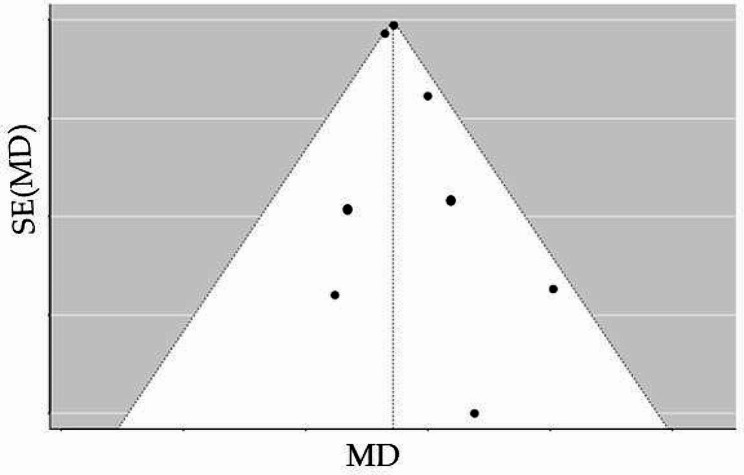
Eight studies with a total of 244,665 participants were included. The standardized mean difference in cholesterol in six studies showed significant differences in overall effect among fasting and nonfasting states (P < 0.00001), as did high-density lipoprotein cholesterol (P < 0.00001). At the same time, with respect to triglycerides and low-density lipoprotein cholesterol, there were notable variations in the overall effect between the fasted and nonfasted states (P < 0.00001 and P ≤ 0.001, respectively).
This meta-analysis concluded that fasting for lipid profile testing is preferred as a conservative model to reduce variability and increase consistency in patients' metabolic status when sampling for lipid testing.
对于常规血脂检查,标准健康人群禁食或不禁食的最终决定尚不清楚。尽管美国和欧洲的方案指出,常规血脂分析无需禁食,但北美和中国的指南仍建议在常规血脂检测前禁食。
本研究旨在阐明全球血脂检测方案之间的矛盾,并仅在标准健康人群中阐明饮食对血脂检测的影响。
通过 2024 年 5 月进行文献检索。分析包括 2000 年至今进行的研究,因为该时期首次出现了血脂检测指南的矛盾。使用 NIH 对观察性队列、病例对照、对照干预和横断面研究的质量测量工具对计划内的内部有效性进行评估。使用 RevMan 5.3 对数据进行综合分析。
纳入 8 项共 244665 名参与者的研究。6 项研究中胆固醇的标准化均数差值显示禁食和不禁食状态的总体效应存在显著差异(P<0.00001),高密度脂蛋白胆固醇也存在显著差异(P<0.00001)。同时,对于甘油三酯和低密度脂蛋白胆固醇,禁食和不禁食状态的总体效应存在明显差异(P<0.00001 和 P≤0.001)。
本荟萃分析得出结论,为了减少变异并提高患者代谢状态采样时的一致性,血脂检测时应首选禁食作为保守模型。