Molecular Medicine Branch, Eunice Kennedy Shriver National Institute of Child Health and Human Development (NICHD), National Institutes of Health (NIH), Bethesda, Maryland, USA.
Neuromuscular and Neurogenetic Disorders of Childhood Section, National Institute of Neurological Disorders and Stroke (NINDS), NIH, Bethesda, Maryland, USA.
J Clin Invest. 2024 Jun 17;134(12):e179559. doi: 10.1172/JCI179559.
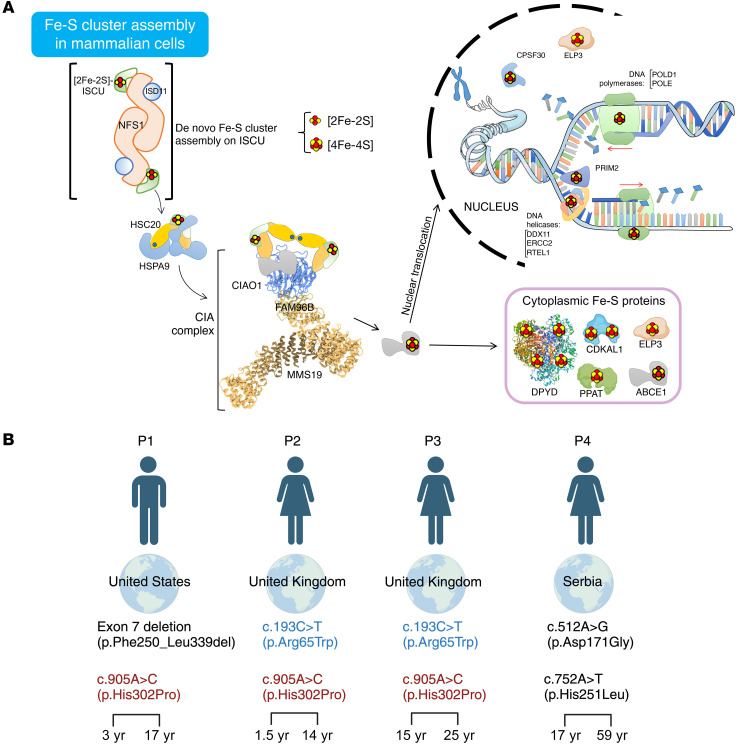
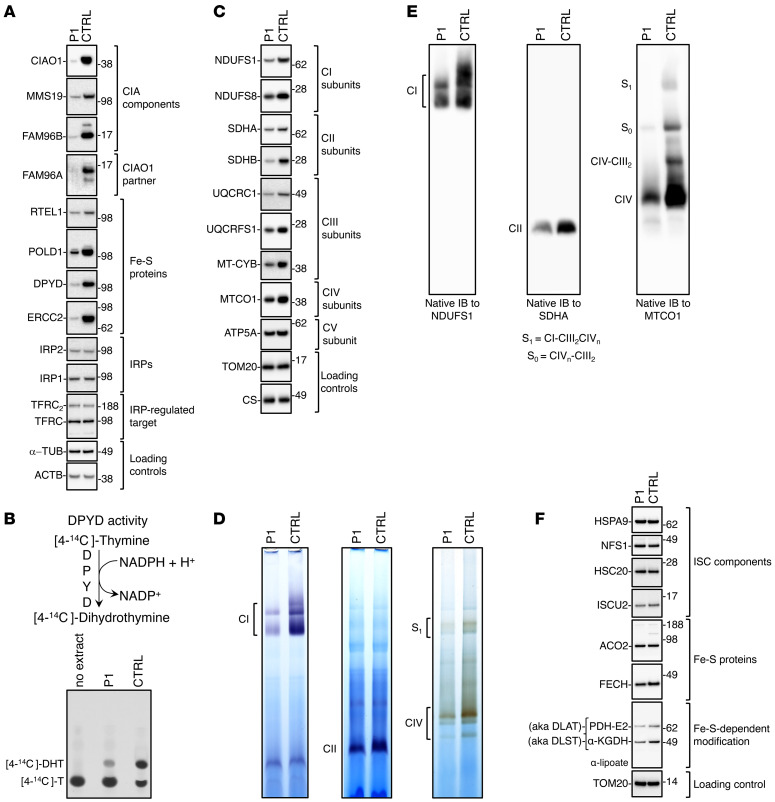
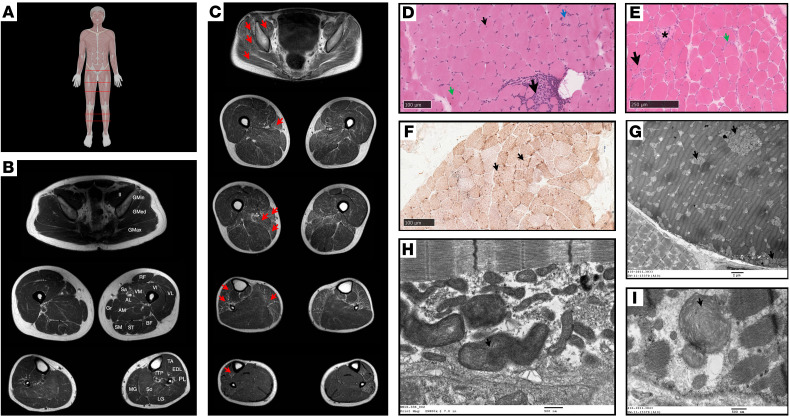
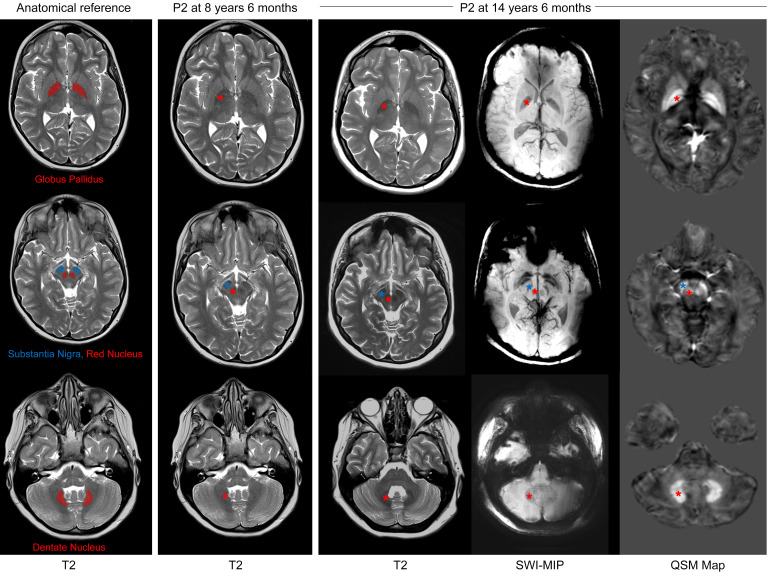
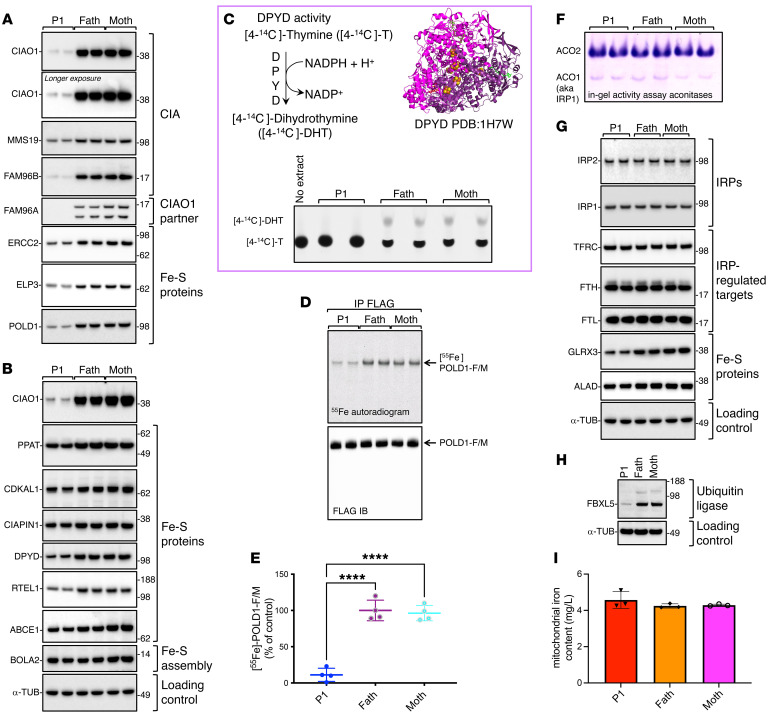
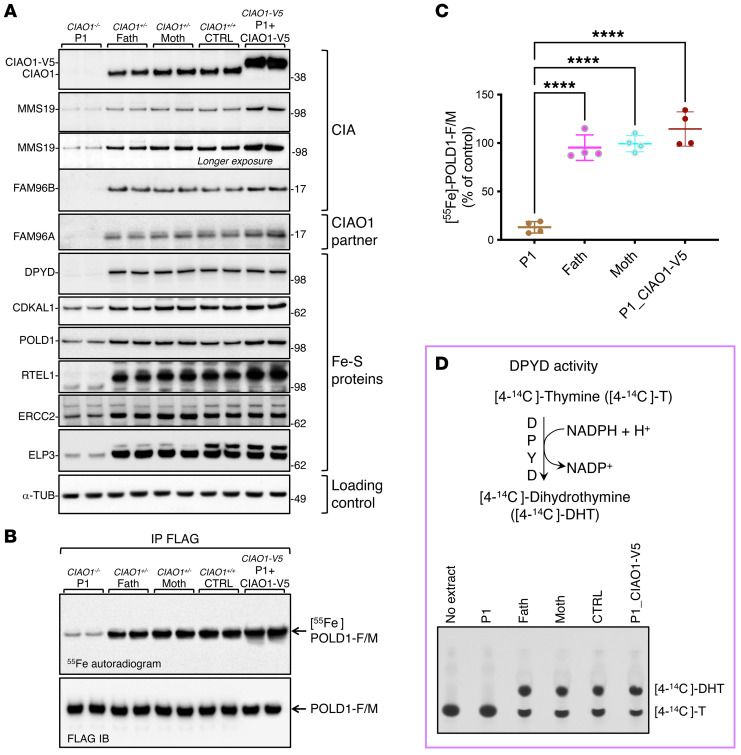
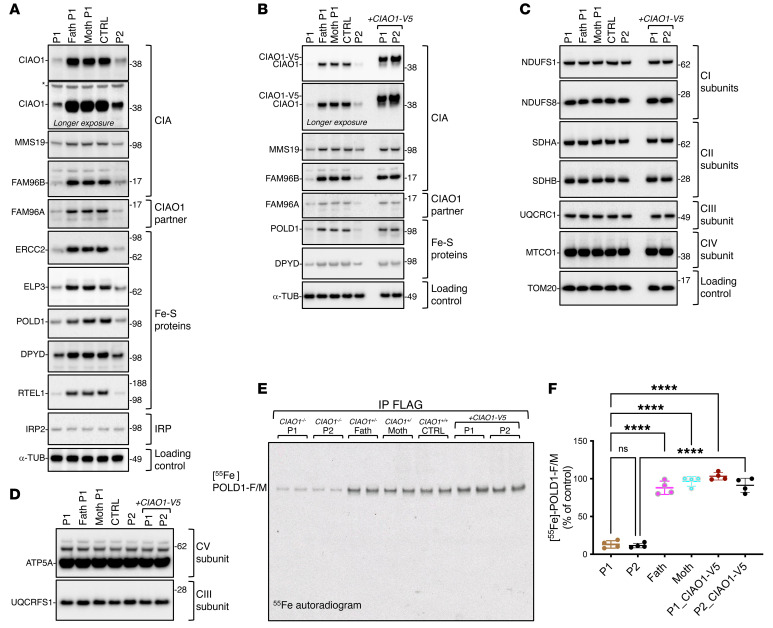
Cytoplasmic and nuclear iron-sulfur (Fe-S) enzymes that are essential for genome maintenance and replication depend on the cytoplasmic Fe-S assembly (CIA) machinery for cluster acquisition. The core of the CIA machinery consists of a complex of CIAO1, MMS19 and FAM96B. The physiological consequences of loss of function in the components of the CIA pathway have thus far remained uncharacterized. Our study revealed that patients with biallelic loss of function in CIAO1 developed proximal and axial muscle weakness, fluctuating creatine kinase elevation, and respiratory insufficiency. In addition, they presented with CNS symptoms including learning difficulties and neurobehavioral comorbidities, along with iron deposition in deep brain nuclei, mild normocytic to macrocytic anemia, and gastrointestinal symptoms. Mutational analysis revealed reduced stability of the variants compared with WT CIAO1. Functional assays demonstrated failure of the variants identified in patients to recruit Fe-S recipient proteins, resulting in compromised activities of DNA helicases, polymerases, and repair enzymes that rely on the CIA complex to acquire their Fe-S cofactors. Lentivirus-mediated restoration of CIAO1 expression reversed all patient-derived cellular abnormalities. Our study identifies CIAO1 as a human disease gene and provides insights into the broader implications of the cytosolic Fe-S assembly pathway in human health and disease.
依赖于细胞质 Fe-S 组装(CIA)机制获取簇的细胞质和核铁硫(Fe-S)酶对于基因组维护和复制是必不可少的。CIA 机制的核心由 CIAO1、MMS19 和 FAM96B 组成的复合物组成。因此,CIA 途径中各成分丧失功能的生理后果尚未被阐明。我们的研究表明,CIAO1 双等位基因功能丧失的患者会出现近端和轴向肌肉无力、肌酸激酶波动升高和呼吸功能不全。此外,他们还表现出 CNS 症状,包括学习困难和神经行为合并症,以及深部脑核中铁沉积、轻度正细胞性至大细胞性贫血和胃肠道症状。突变分析显示与 WT CIAO1 相比,变体的稳定性降低。功能分析表明,患者中鉴定的变体无法招募 Fe-S 受体蛋白,导致依赖 CIA 复合物获取其 Fe-S 辅因子的 DNA 解旋酶、聚合酶和修复酶的活性受损。慢病毒介导的 CIAO1 表达恢复逆转了所有患者来源的细胞异常。我们的研究确定 CIAO1 为人类疾病基因,并深入了解细胞质 Fe-S 组装途径在人类健康和疾病中的更广泛意义。