Department of Internal Medicine 3 - Rheumatology and Immunology, Friedrich-Alexander-University Erlangen-Nürnberg (FAU) and Universitätsklinikum Erlangen, Erlangen, Germany.
Deutsches Zentrum für Immuntherapie (DZI), Friedrich-Alexander-University Erlangen-Nürnberg (FAU) and Universitätsklinikum Erlangen, Erlangen, Germany.
Ann Rheum Dis. 2024 Nov 14;83(12):1691-1706. doi: 10.1136/ard-2023-224774.
Metabolic changes are crucially involved in osteoclast development and may contribute to bone degradation in rheumatoid arthritis (RA). The enzyme aconitate decarboxylase 1 (Acod1) is known to link the cellular function of monocyte-derived macrophages to their metabolic status. As osteoclasts derive from the monocyte lineage, we hypothesised a role for Acod1 and its metabolite itaconate in osteoclast differentiation and arthritis-associated bone loss.
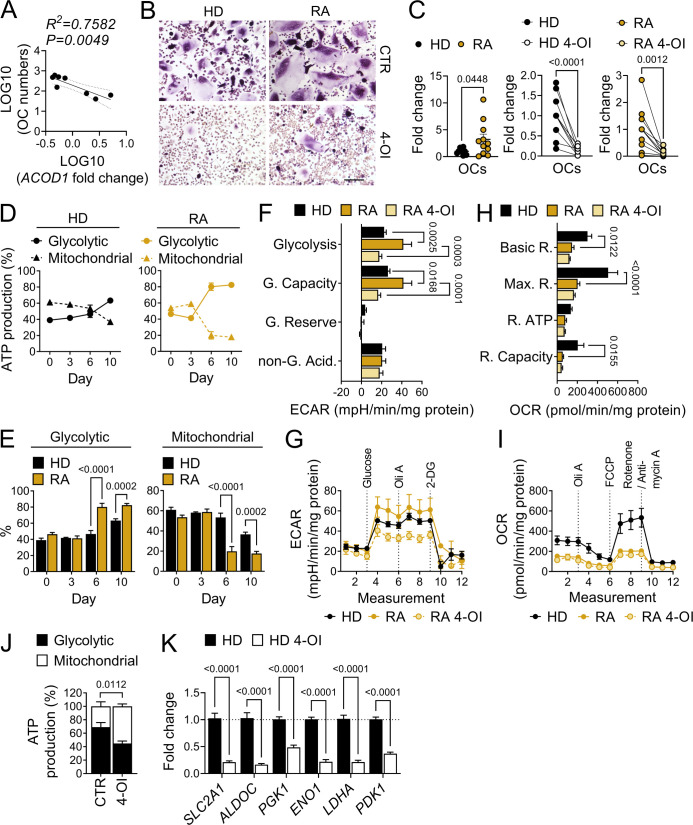
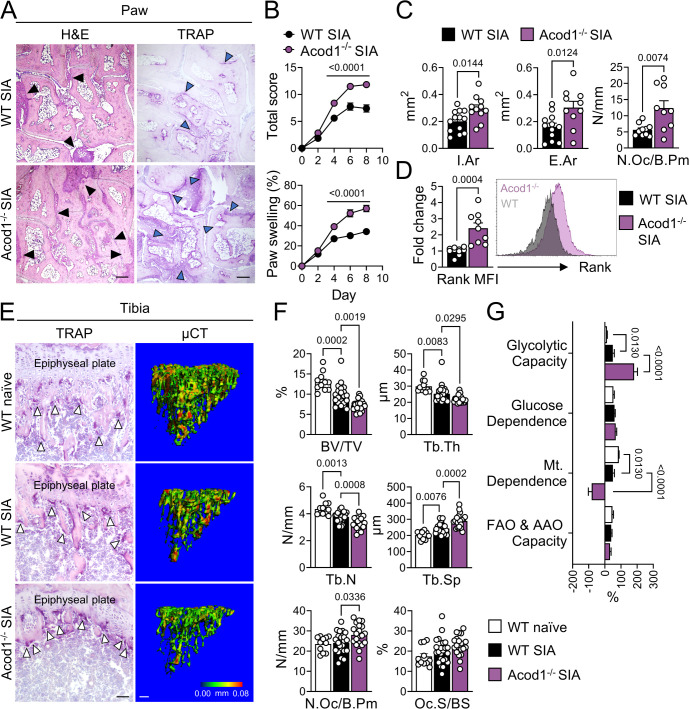
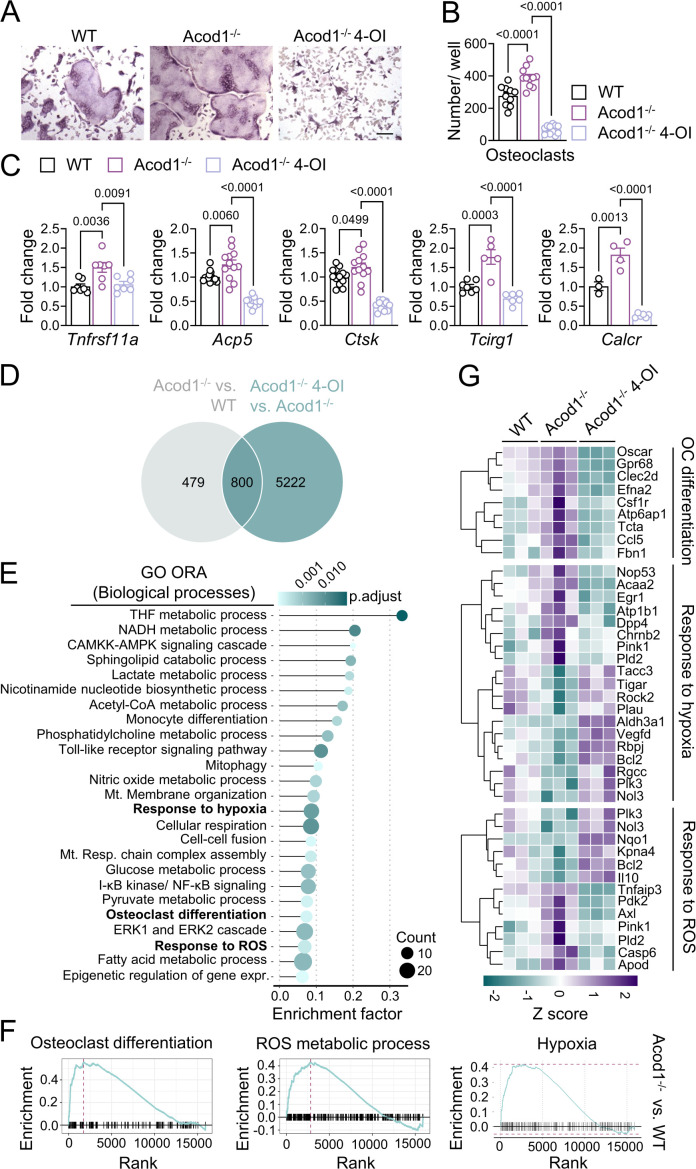
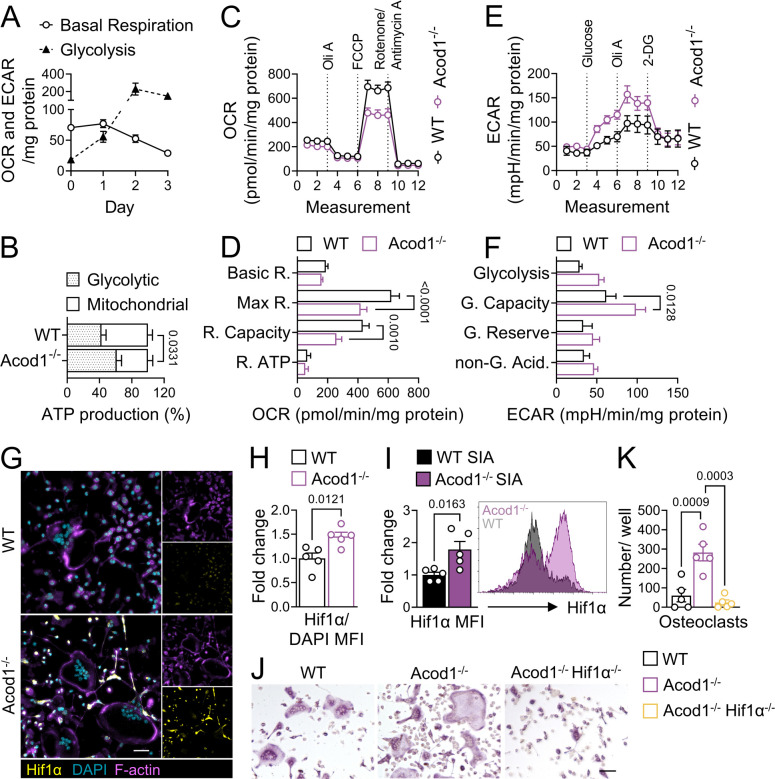
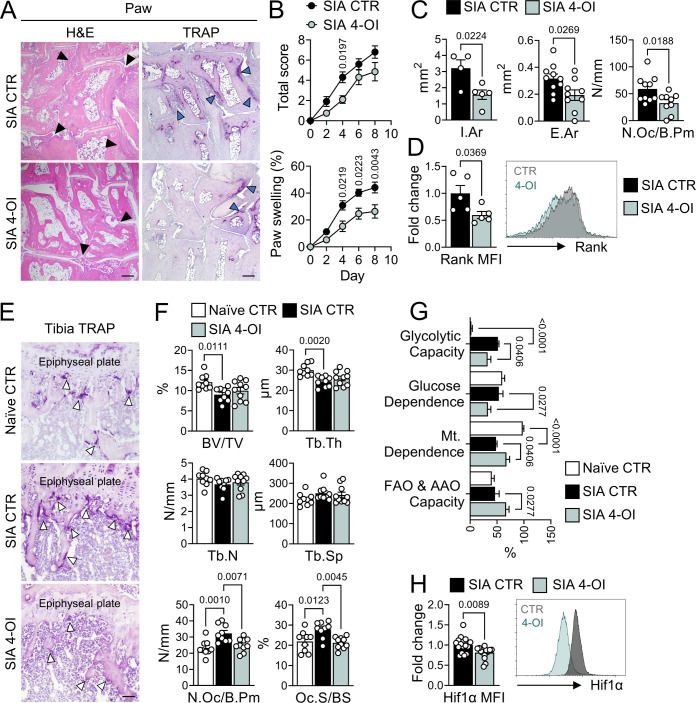
Itaconate levels were measured in human peripheral blood mononuclear cells (PBMCs) of patients with RA and healthy controls by mass spectrometry. Human and murine osteoclasts were treated with the itaconate derivative 4-octyl-itaconate (4-OI) in vitro. We examined the impact of Acod1-deficiency and 4-OI treatment on bone erosion in mice using K/BxN serum-induced arthritis and human TNF transgenic (hTNFtg) mice. SCENITH and extracellular flux analyses were used to evaluate the metabolic activity of osteoclasts and osteoclast progenitors. Acod1-dependent and itaconate-dependent changes in the osteoclast transcriptome were identified by RNA sequencing. CRISPR/Cas9 gene editing was used to investigate the role of hypoxia-inducible factor (Hif)-1α in Acod1-mediated regulation of osteoclast development.
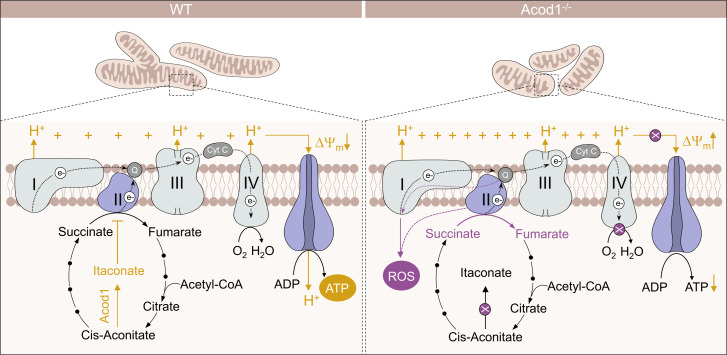
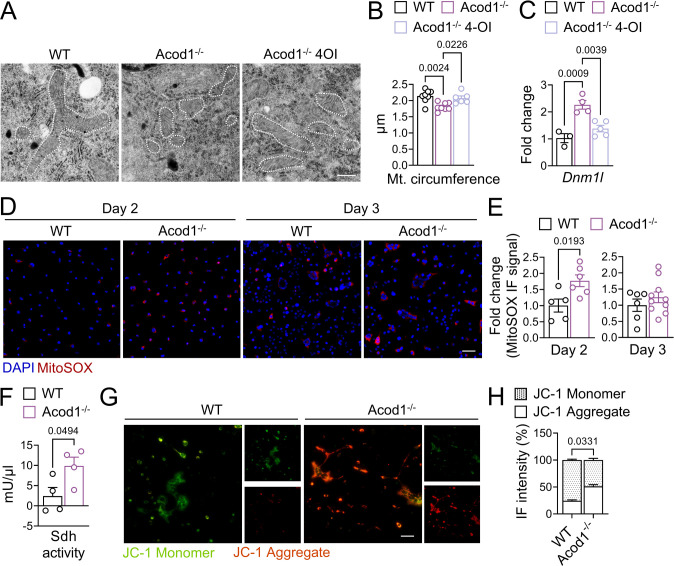
Itaconate levels in PBMCs from patients with RA were inversely correlated with disease activity. Acod1-deficient mice exhibited increased osteoclast numbers and bone erosion in experimental arthritis while 4-OI treatment alleviated inflammatory bone loss in vivo and inhibited human and murine osteoclast differentiation in vitro. Mechanistically, Acod1 suppressed osteoclast differentiation by inhibiting succinate dehydrogenase-dependent production of reactive oxygen species and Hif1α-mediated induction of aerobic glycolysis.
Acod1 and itaconate are crucial regulators of osteoclast differentiation and bone loss in inflammatory arthritis.
代谢变化在破骨细胞的发育中起着至关重要的作用,并可能导致类风湿关节炎(RA)中的骨降解。已知酶顺乌头酸脱羧酶 1(Acod1)将单核细胞衍生的巨噬细胞的细胞功能与其代谢状态联系起来。由于破骨细胞来源于单核细胞谱系,我们假设 Acod1 及其代谢物衣康酸在破骨细胞分化和关节炎相关的骨丢失中发挥作用。
通过质谱法测量 RA 患者和健康对照者外周血单核细胞(PBMC)中的衣康酸水平。体外用人和鼠破骨细胞用衣康酸衍生物 4-辛基衣康酸(4-OI)处理。我们使用 K/BxN 血清诱导的关节炎和人 TNF 转基因(hTNFtg)小鼠研究了 Acod1 缺陷和 4-OI 处理对骨侵蚀的影响。SCENITH 和细胞外通量分析用于评估破骨细胞和破骨细胞前体的代谢活性。通过 RNA 测序鉴定 Acod1 依赖性和衣康酸依赖性破骨细胞转录组变化。CRISPR/Cas9 基因编辑用于研究缺氧诱导因子(Hif)-1α在 Acod1 介导的破骨细胞发育调节中的作用。
RA 患者 PBMC 中的衣康酸水平与疾病活动度呈负相关。Acod1 缺陷小鼠在实验性关节炎中表现出破骨细胞数量增加和骨侵蚀增加,而 4-OI 治疗可减轻体内炎症性骨丢失并抑制人源和鼠源破骨细胞体外分化。在机制上,Acod1 通过抑制琥珀酸脱氢酶依赖性活性氧的产生和 Hif1α 介导的有氧糖酵解诱导来抑制破骨细胞分化。
Acod1 和衣康酸是炎症性关节炎中破骨细胞分化和骨丢失的重要调节剂。