Department of Surgery, Division of Hepato-Pancreato-Biliary Surgery and Liver Transplantation, University Medical Center Groningen, University of Groningen, Groningen, The Netherlands.
Department of Surgery, Isala Clinics, Zwolle, The Netherlands.
Support Care Cancer. 2024 Jul 5;32(7):487. doi: 10.1007/s00520-024-08683-0.
Preoperative malnutrition is associated with poor postoperative outcomes in patients with pancreatic cancer. This study evaluated the effectiveness of current practice in nutritional support for patients with pancreatic cancer.
Observational multicenter HPB network study conducted at the Isala Clinics Zwolle, Medical Spectrum Twente, Medical Center Leeuwarden, and University Medical Center Groningen between October 2021 and May 2023. Patients with a suspected pancreatic malignancy scheduled for surgery were screened for malnutrition using the Patient-Generated Subjective Global Assessment (PG-SGA) questionnaire and referred to a dedicated dietician for nutritional support comprising pancreatic enzyme replacement therapy, dietary advice, and nutritional supplements to achieve adequate caloric and protein intake. At baseline, 1 day preoperatively, and 3 months postoperatively, the nutritional status and muscle thickness were evaluated.
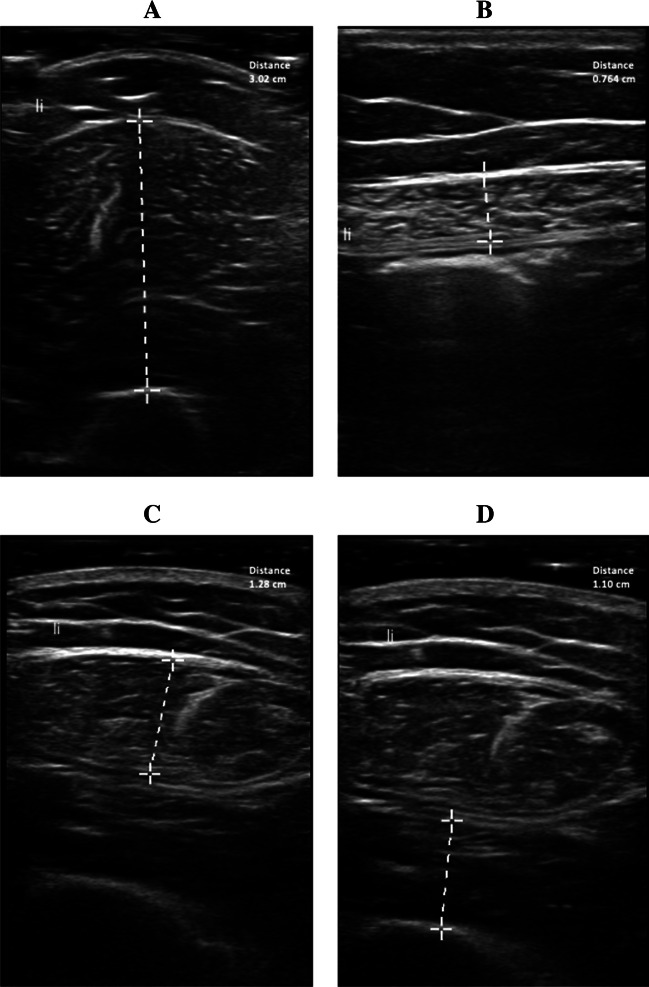
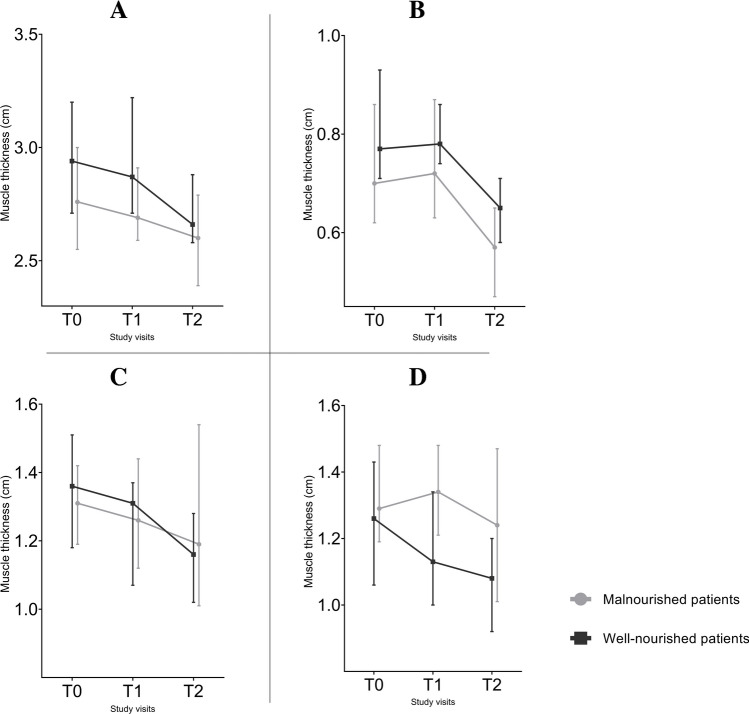
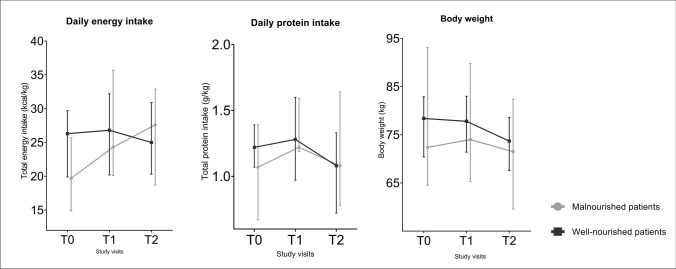
The study included 30 patients, of whom 12 (40%) classified as malnourished (PG-SGA ≥ 4) at baseline. Compared to well-nourished patients, malnourished patients were younger, were predominantly female, and had a higher body mass index, despite having lost more body weight in the past 6 months. All malnourished patients and 78% of the well-nourished patients received nutritional support. Consequently, a preoperative increase in caloric and protein intake and body weight were observed. Postoperatively, despite a further increase in caloric intake, a considerable decrease in protein intake, body weight, and muscle thickness was observed.
Malnutrition is prevalent in patients undergoing pancreatic surgery. Nutritional support by a dedicated dietician is effective in enhancing patients' preoperative nutritional status. However, postoperative monitoring of adequate nutritional intake in patients could be improved.
术前营养不良与胰腺癌患者术后不良预后相关。本研究评估了目前针对胰腺癌患者营养支持的实践效果。
在 2021 年 10 月至 2023 年 5 月期间,在 Isala 诊所兹沃勒、医疗光谱特温特、吕伐登医疗中心和格罗宁根大学医学中心进行了一项观察性多中心 HPB 网络研究。对疑似胰腺恶性肿瘤拟行手术的患者进行营养不良筛查,采用患者主观整体评估(PG-SGA)问卷,并转介至专门的营养师,提供包括胰腺酶替代疗法、饮食建议和营养补充剂在内的营养支持,以实现充足的热量和蛋白质摄入。在基线、术前 1 天和术后 3 个月评估营养状况和肌肉厚度。
研究纳入 30 例患者,其中 12 例(40%)在基线时被归类为营养不良(PG-SGA≥4)。与营养良好的患者相比,营养不良的患者更年轻,以女性为主,且 BMI 更高,尽管过去 6 个月体重减轻更多。所有营养不良的患者和 78%营养良好的患者都接受了营养支持。因此,观察到术前热量和蛋白质摄入以及体重增加。术后,尽管热量摄入进一步增加,但蛋白质摄入、体重和肌肉厚度仍显著下降。
在接受胰腺手术的患者中,营养不良很常见。专门营养师提供的营养支持可有效改善患者术前的营养状况。然而,术后对患者充足营养摄入的监测仍有待改进。