Cooper Dominic, Kaur Rajneesh, Ayeni Femi E, Eslick Guy D, Edirimanne Senarath
The University of Sydney School of Medicine, Sydney, Australia.
Nepean Institute of Academic Surgery, The University of Sydney School of Medicine, 62 Derby St, Kingswood, Sydney, NSW, 2750, Australia.
Thyroid Res. 2024 Jul 8;17(1):18. doi: 10.1186/s13044-024-00200-z.
The incidence of hypothyroidism following hemithyroidectomy and risk factors associated with its occurrence are not completely understood. This systematic review investigated the incidence and risk factors for hypothyroidism, thyroxine supplementation following hemithyroidectomy as well as the course of post-operative hypothyroidism, including the time to hypothyroidism and incidence of transient hypothyroidism.
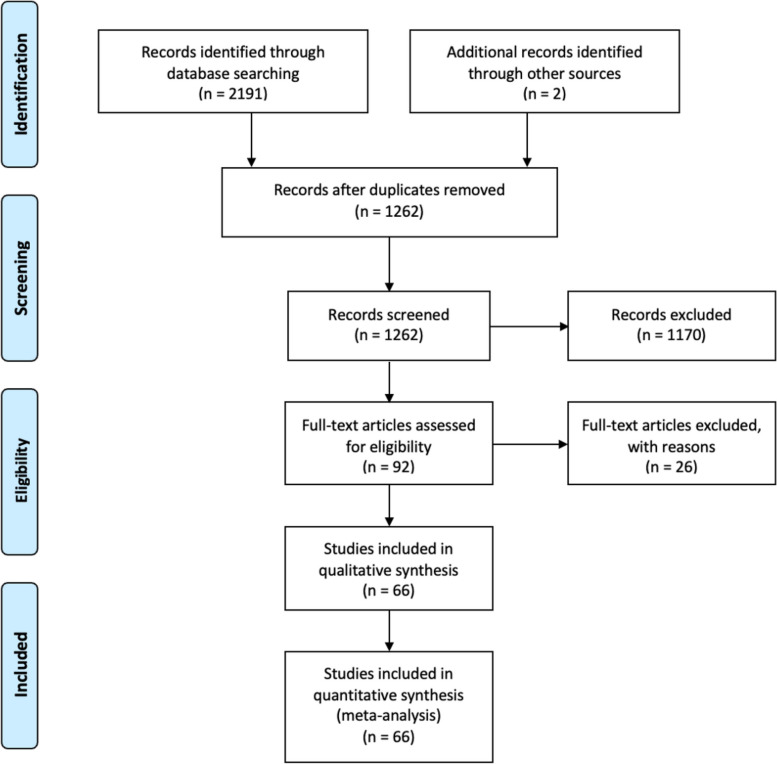
Searches were conducted in MEDLINE, EMBASE, Scopus, and Cochrane library for studies reporting the incidence of hypothyroidism or thyroxine supplementation following hemithyroidectomy.
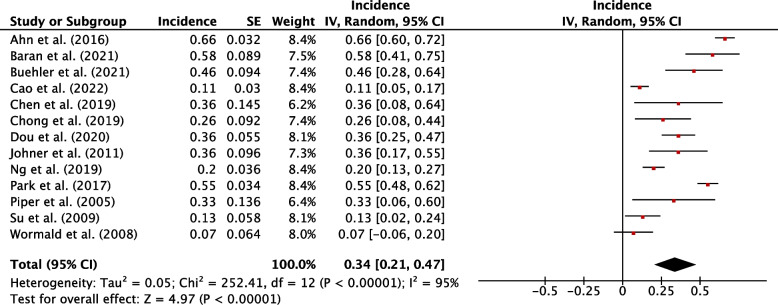
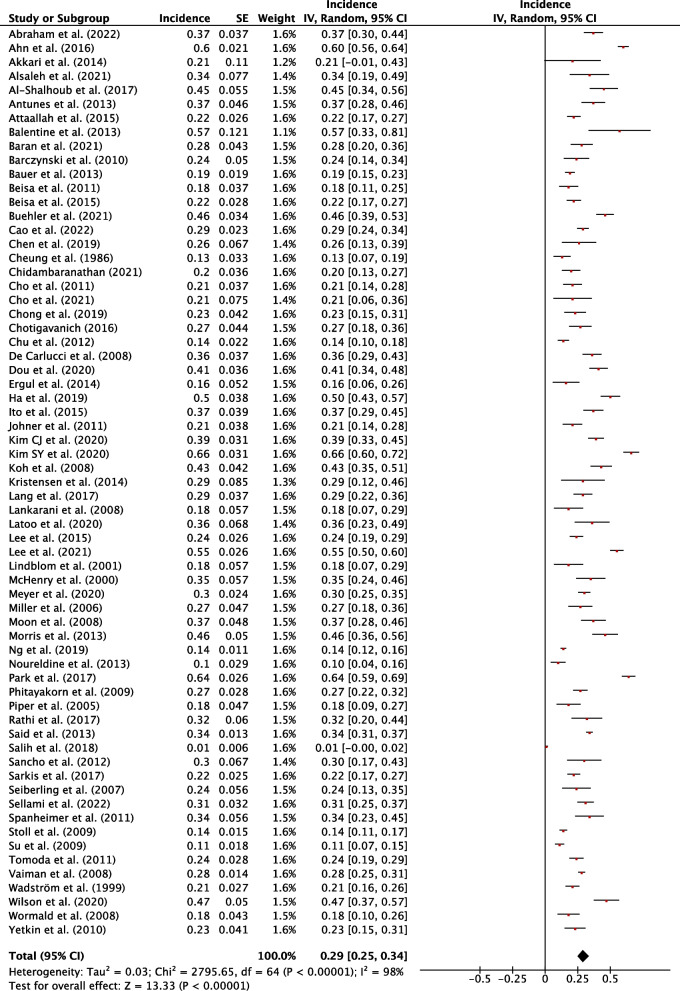
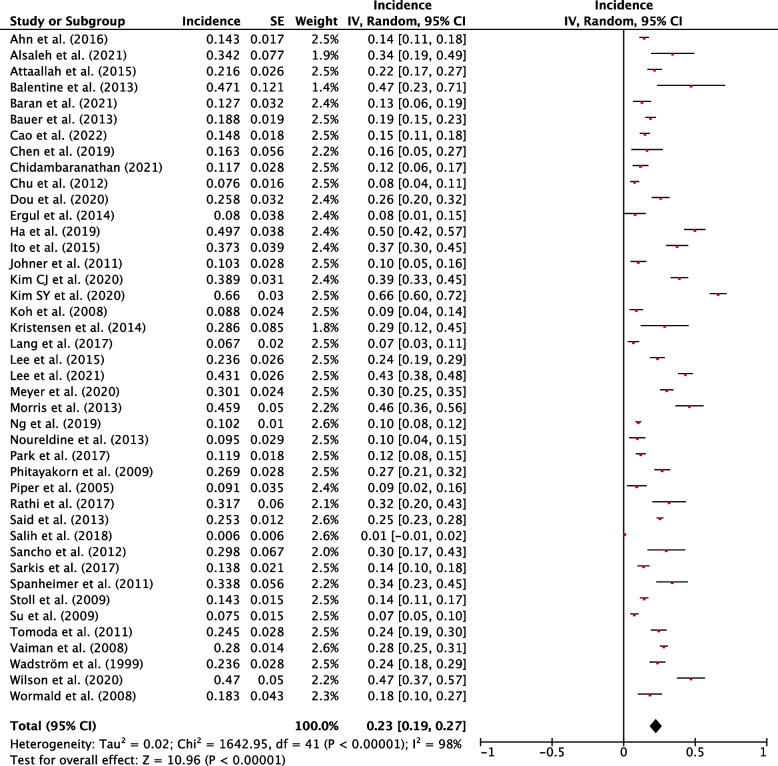
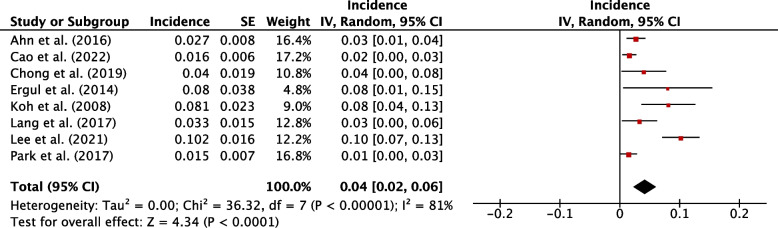
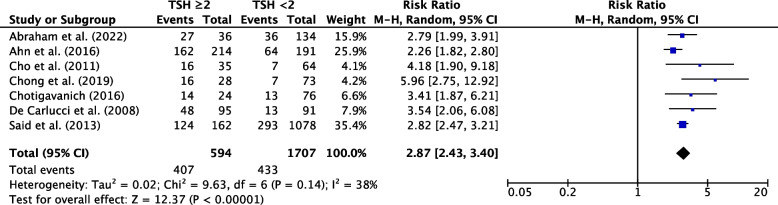
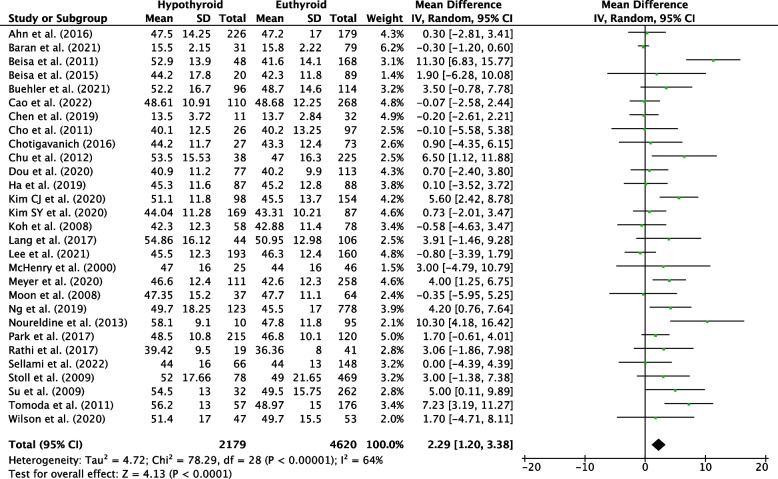
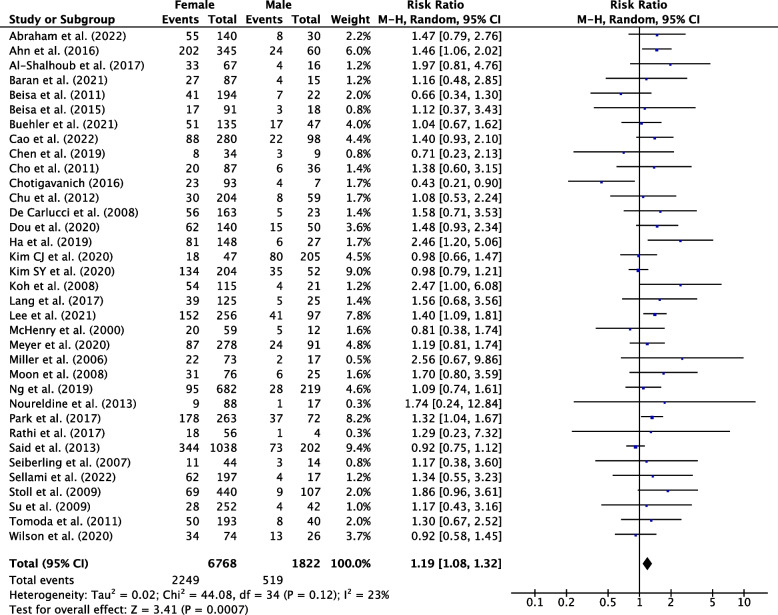
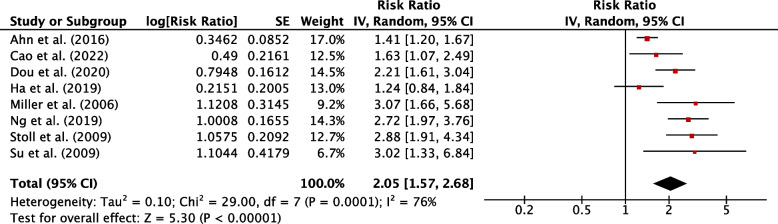
Sixty-six studies were eligible for inclusion: 36 reported risk factors, and 27 reported post-operative course of hypothyroidism. Median follow-up was 25.2 months. The pooled incidence of hypothyroidism was 29% (95% CI, 25-34%; P<0.001). Transient hypothyroidism occurred in 34% of patients (95% CI, 21-47%; P<0.001). The pooled incidence of thyroxine supplementation was 23% (95% CI, 19-27%; P<0.001), overt hypothyroidism 4% (95% CI, 2-6%, P<0.001). Risk factors for development of hypothyroidism included pre-operative thyroid stimulating hormone (TSH) (WMD, 0.87; 95% CI, 0.75-0.98; P<0.001), TSH ≥ 2 mIU/L (RR, 2.87; 95% CI, 2.43-3.40; P<0.001), female sex (RR, 1.19; 95% CI, 1.08-1.32; P=0.007), age (WMD, 2.29; 95% CI, 1.20-3.38; P<0.001), right sided hemithyroidectomy (RR, 1.35; 95% CI, 1.10-1.65, P=0.003), the presence of autoantibodies anti-TPO (RR, 1.92; 95% CI, 1.49-2.48; P<0.001), anti-Tg (RR, 1.53; 95% CI, 1.40-1.88; P<0.001), and Hashimoto's thyroiditis (RR, 2.05; 95% CI, 1.57-2.68; P=0.001).
A significant number of patients will develop hypothyroidism or require thyroxine following hemithyroidectomy. An awareness of patient risk factors and postoperative thyroid function course will assist in counselling patients on their risk profile and guiding management.
甲状腺半切术后甲状腺功能减退的发生率及其相关危险因素尚未完全明确。本系统评价旨在研究甲状腺半切术后甲状腺功能减退的发生率、危险因素、甲状腺素补充情况以及术后甲状腺功能减退的病程,包括发生甲状腺功能减退的时间和短暂性甲状腺功能减退的发生率。
检索MEDLINE、EMBASE、Scopus和Cochrane图书馆,查找报告甲状腺半切术后甲状腺功能减退发生率或甲状腺素补充情况的研究。
66项研究符合纳入标准:36项报告了危险因素,27项报告了甲状腺功能减退的术后病程。中位随访时间为25.2个月。甲状腺功能减退的合并发生率为29%(95%CI,25 - 34%;P<0.001)。34%的患者发生短暂性甲状腺功能减退(95%CI,21 - 47%;P<0.001)。甲状腺素补充的合并发生率为23%(95%CI,19 - 27%;P<0.001),显性甲状腺功能减退为4%(95%CI,2 - 6%,P<0.001)。甲状腺功能减退发生的危险因素包括术前促甲状腺激素(TSH)(加权均数差,0.87;95%CI,0.75 - 0.98;P<0.001)、TSH≥2 mIU/L(相对危险度,2.87;95%CI,2.43 - 3.40;P<0.001)、女性(相对危险度,1.19;95%CI,1.08 - 1.32;P = 0.007)、年龄(加权均数差,2.29;95%CI,1.20 - 3.38;P<0.001)、右侧甲状腺半切术(相对危险度,1.35;95%CI,1.10 - 1.65,P = 0.003)、抗甲状腺过氧化物酶自身抗体(抗-TPO)的存在(相对危险度,1.92;95%CI,1.49 - 2.48;P<0.001)、抗甲状腺球蛋白抗体(抗-Tg)(相对危险度,1.53;95%CI,1.40 - 1.88;P<0.001)以及桥本甲状腺炎(相对危险度,2.05;95%CI,1.57 - 2.68;P = 0.001)。
相当数量的患者在甲状腺半切术后会发生甲状腺功能减退或需要补充甲状腺素。了解患者的危险因素和术后甲状腺功能病程将有助于为患者提供风险评估咨询并指导管理。