Faculty of Health, School of Medicine, Institute for Mental and Physical Health and Clinical Translation (IMPACT), Deakin University, Geelong 3216, Australia.
Faculty of Science, Engineering and Built Environment, School of Life and Environmental Sciences, Deakin University, Geelong 3216, Australia.
Int J Mol Sci. 2024 Jul 5;25(13):7391. doi: 10.3390/ijms25137391.
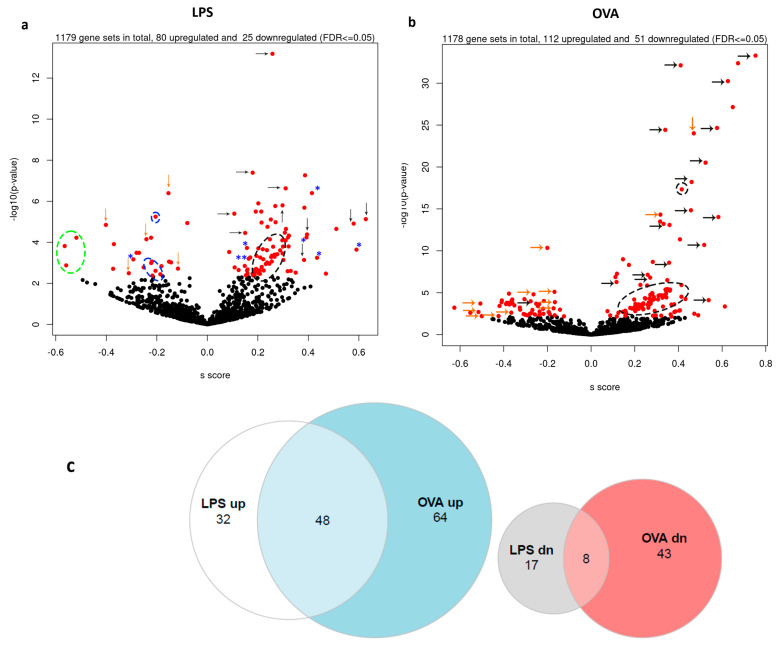
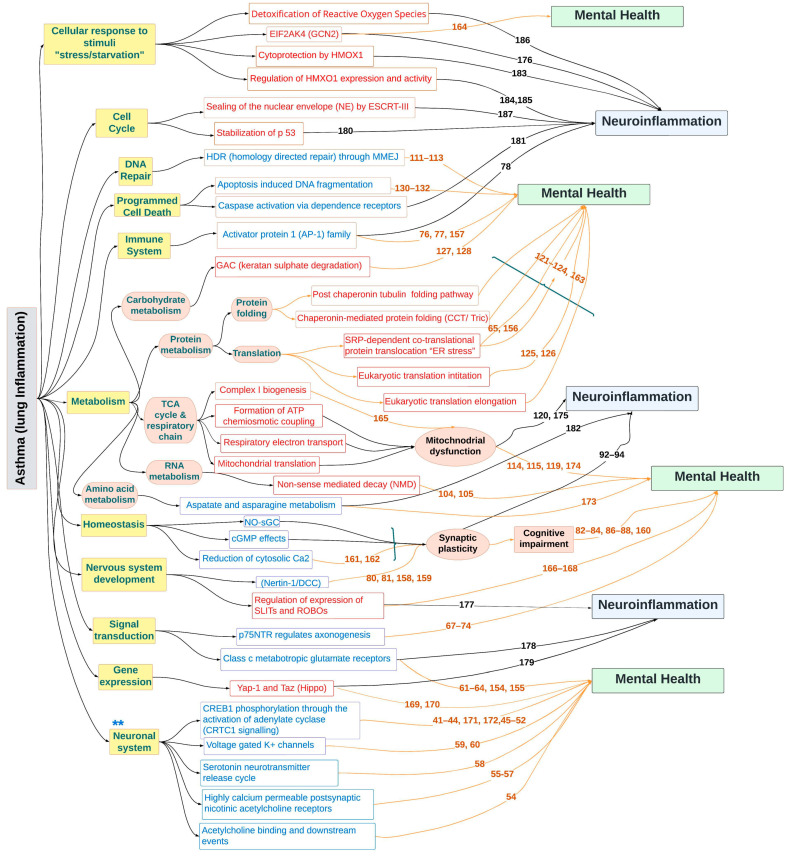
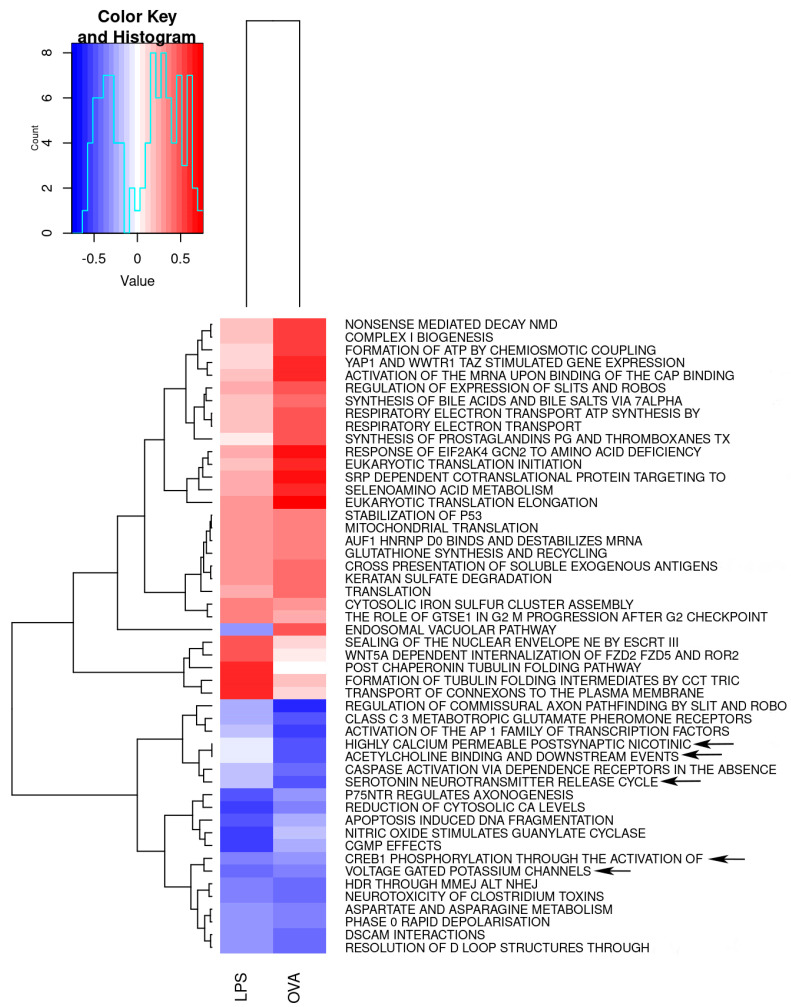
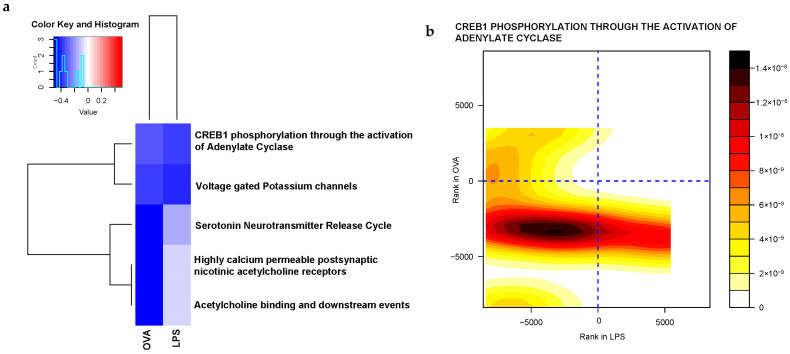
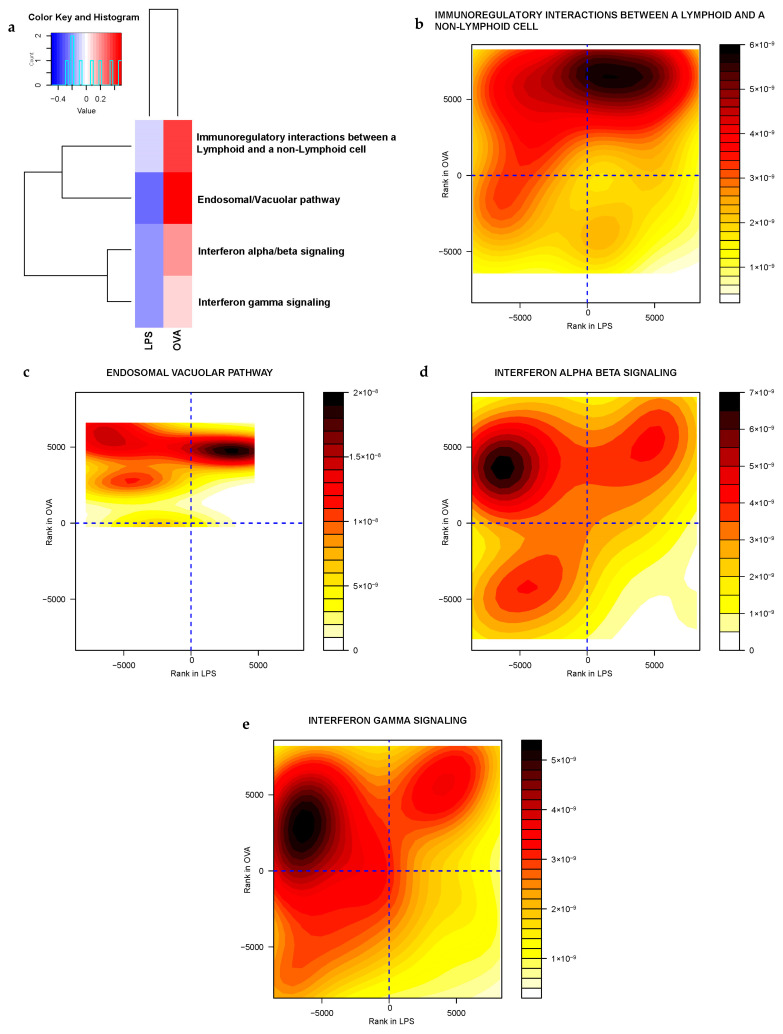
Patients with asthma experience elevated rates of mental illness. However, the molecular links underlying such lung-brain crosstalk remain ambiguous. Hypothalamic dysfunction is observed in many psychiatric disorders, particularly those with an inflammatory component due to many hypothalamic regions being unprotected by the blood-brain barrier. To gain a better insight into such neuropsychiatric sequelae, this study investigated gene expression differences in the hypothalamus following lung inflammation (asthma) induction in mice, using RNA transcriptome profiling. BALB/c mice were challenged with either bacterial lipopolysaccharide (LPS, ) or ovalbumin (OVA) allergens or saline control (n = 7 per group), and lung inflammation was confirmed via histological examination of postmortem lung tissue. The majority of the hypothalamus was micro-dissected, and total RNA was extracted for sequencing. Differential expression analysis identified 31 statistically significant single genes (false discovery rate FDR5%) altered in expression following LPS exposure compared to controls; however, none were significantly changed following OVA treatment, suggesting a milder hypothalamic response. When gene sets were examined, 48 were upregulated and 8 were downregulated in both asthma groups relative to controls. REACTOME enrichment analysis suggests these gene sets are involved in signal transduction metabolism, immune response and neuroplasticity. Interestingly, we identified five altered gene sets directly associated with neurotransmitter signaling. Intriguingly, many of these altered gene sets can influence mental health and or/neuroinflammation in humans. These findings help characterize the links between asthma-induced lung inflammation and the brain and may assist in identifying relevant pathways and therapeutic targets for future intervention.
哮喘患者的精神疾病发病率较高。然而,这种肺脑相互作用的分子联系仍不清楚。许多精神病患者存在下丘脑功能障碍,特别是那些具有炎症成分的疾病,因为许多下丘脑区域不受血脑屏障的保护。为了更好地了解这种神经精神后遗症,本研究使用 RNA 转录组谱分析,研究了小鼠肺部炎症(哮喘)诱导后下丘脑的基因表达差异。BALB/c 小鼠接受细菌脂多糖(LPS,)或卵清蛋白(OVA)过敏原或生理盐水对照(每组 n = 7)挑战,并通过死后肺组织的组织学检查确认肺部炎症。大部分下丘脑进行了微解剖,提取总 RNA 进行测序。差异表达分析确定了 31 个统计学上显著的单基因(错误发现率 FDR5%)在 LPS 暴露后与对照组相比表达发生改变;然而,OVA 治疗后没有明显改变,表明下丘脑反应较轻。当检查基因集时,与对照组相比,两组哮喘患者的 48 个基因集上调,8 个基因集下调。REACTOME 富集分析表明这些基因集参与信号转导代谢、免疫反应和神经可塑性。有趣的是,我们确定了五个与神经递质信号直接相关的改变基因集。有趣的是,许多这些改变的基因集可以影响人类的心理健康和/或神经炎症。这些发现有助于描述哮喘引起的肺部炎症与大脑之间的联系,并可能有助于确定未来干预的相关途径和治疗靶点。