• 文献检索
  • 文档翻译
  • 深度研究
  • 学术资讯
  • Suppr Zotero 插件Zotero 插件
  • 邀请有礼
  • 套餐&价格
  • 历史记录
应用&插件
Suppr Zotero 插件Zotero 插件浏览器插件Mac 客户端Windows 客户端微信小程序
定价
高级版会员购买积分包购买API积分包
服务
文献检索文档翻译深度研究API 文档MCP 服务
关于我们
关于 Suppr公司介绍联系我们用户协议隐私条款
关注我们

Suppr 超能文献

核心技术专利:CN118964589B侵权必究
粤ICP备2023148730 号-1Suppr @ 2026

文献检索

告别复杂PubMed语法,用中文像聊天一样搜索,搜遍4000万医学文献。AI智能推荐,让科研检索更轻松。

立即免费搜索

文件翻译

保留排版,准确专业,支持PDF/Word/PPT等文件格式,支持 12+语言互译。

免费翻译文档

深度研究

AI帮你快速写综述,25分钟生成高质量综述,智能提取关键信息,辅助科研写作。

立即免费体验

通过双组分微粉注射成型制备的氧化钇稳定氧化锆/双峰不锈钢316L双材料的脱脂

Debinding of Yttria-Stabilised Zirconia/Bimodal Stainless Steel 316L Bi-Materials Produced through Two-Component Micro-Powder Injection Moulding.

作者信息

Basir Al, Sulong Abu Bakar, Muhamad Norhamidi, Juri Afifah Z, Jamadon Nashrah Hani, Foudzi Farhana Mohd, Radzuan Nabilah Afiqah Mohd

机构信息

Department of Mechanical and Manufacturing Engineering, Faculty of Engineering and Built Environment, Universiti Kebangsaan Malaysia, Bangi 43600, Selangor, Malaysia.

出版信息

Polymers (Basel). 2024 Jun 27;16(13):1831. doi: 10.3390/polym16131831.

DOI:10.3390/polym16131831
PMID:39000685
原文链接:https://pmc.ncbi.nlm.nih.gov/articles/PMC11244041/
Abstract

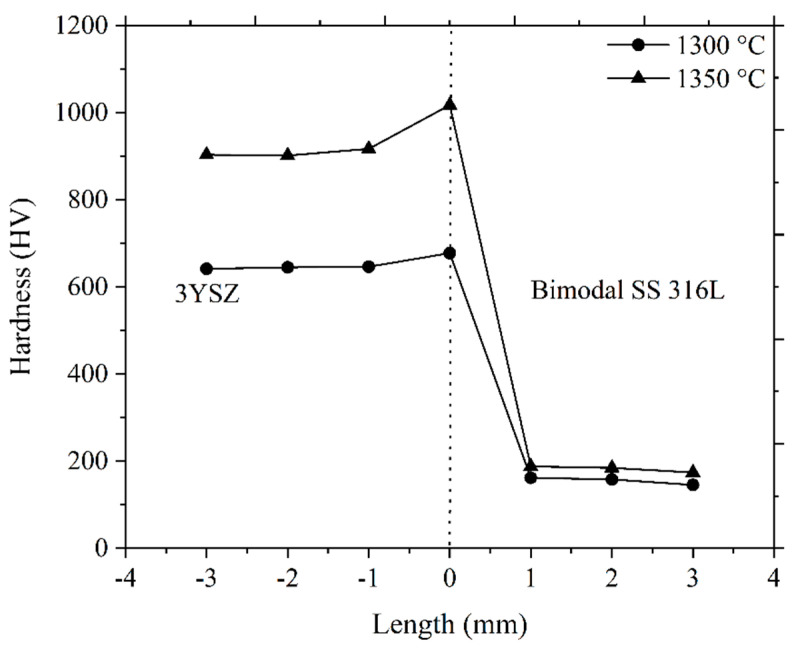
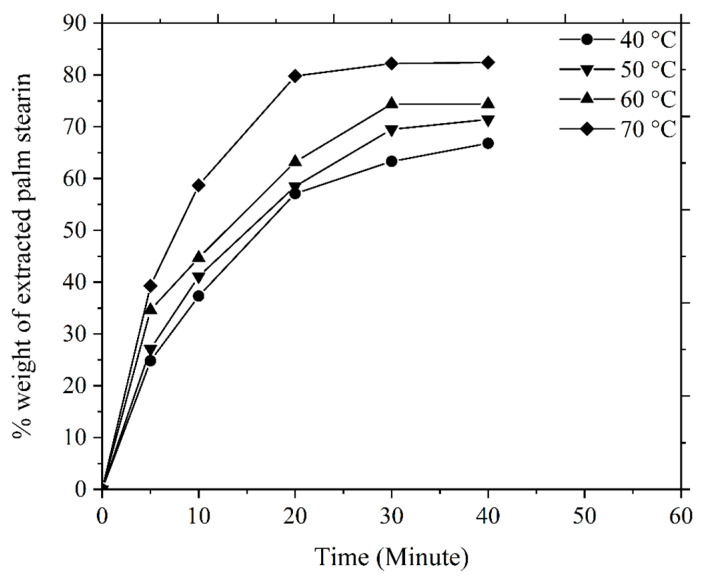
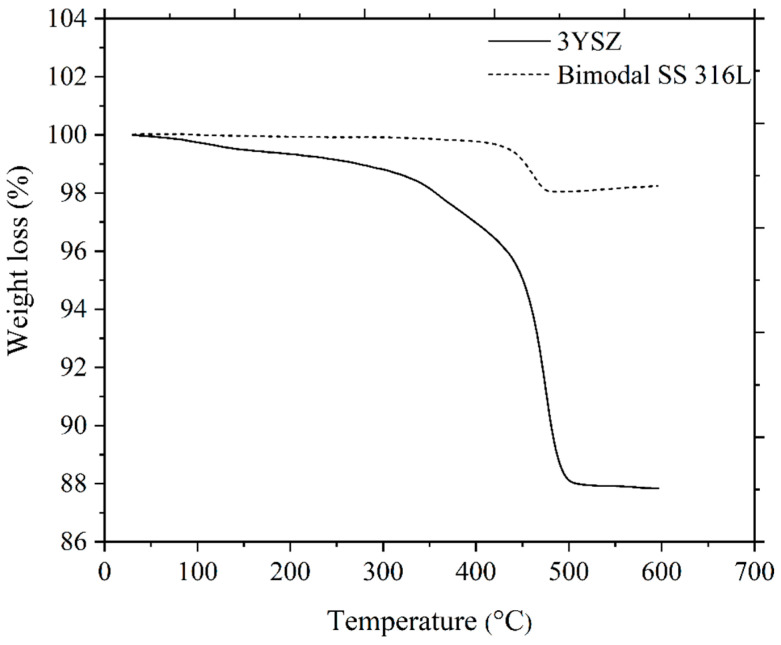
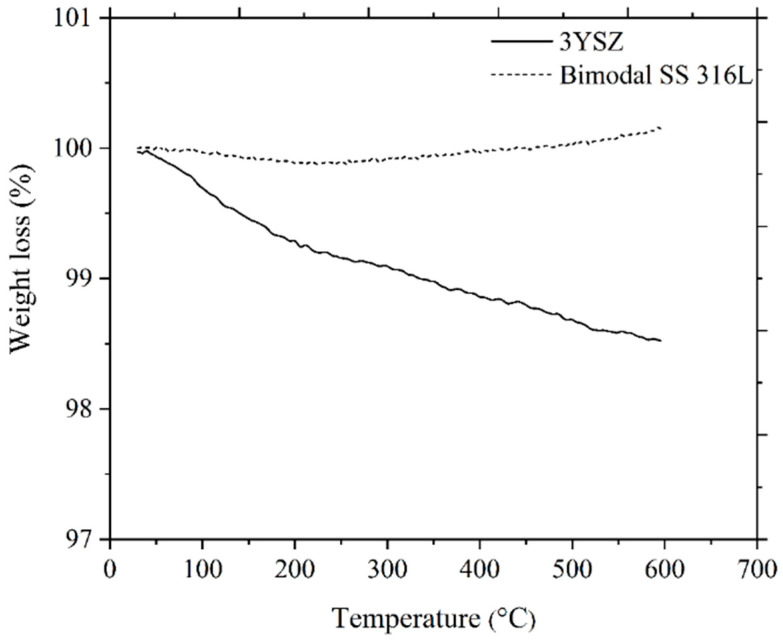
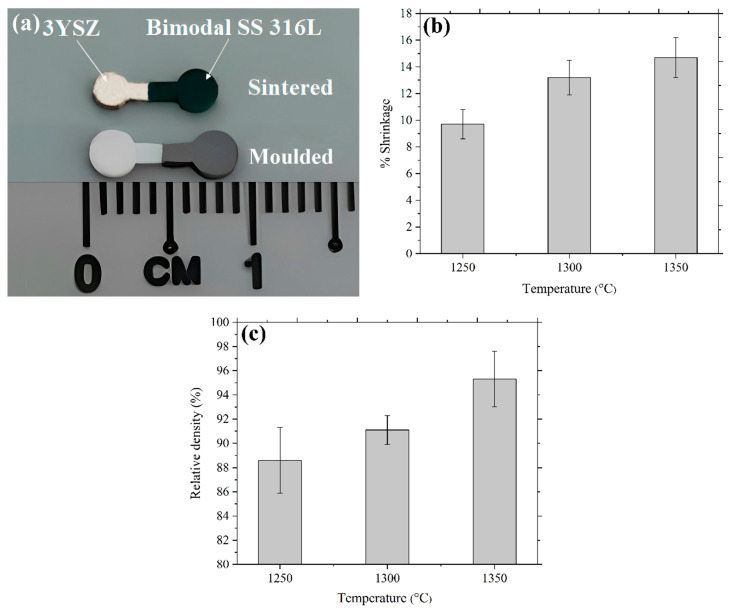
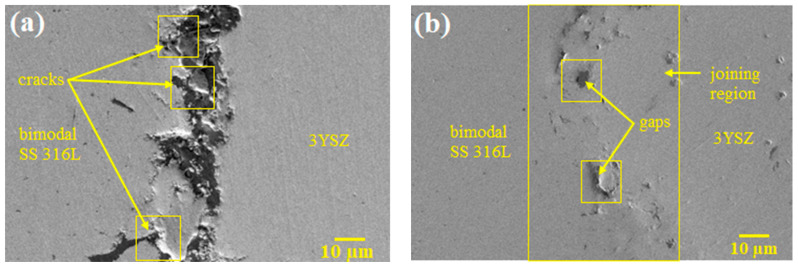
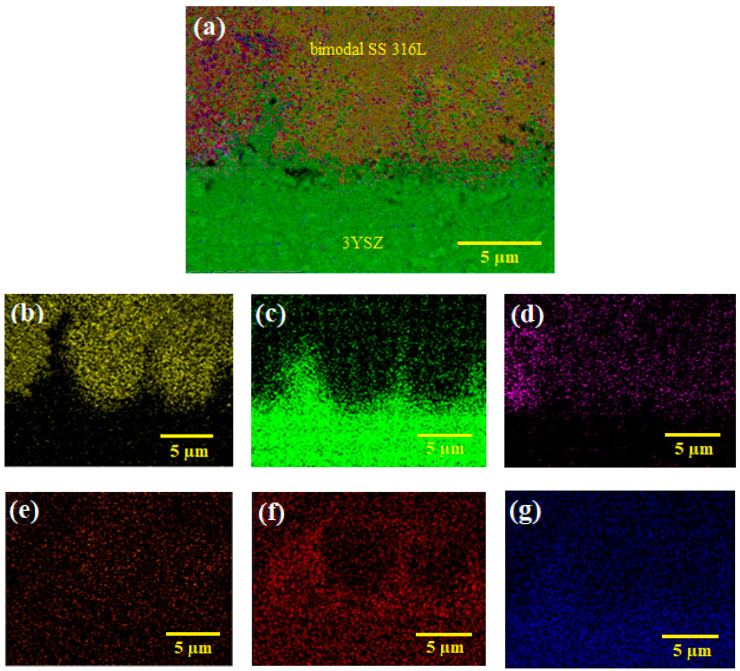
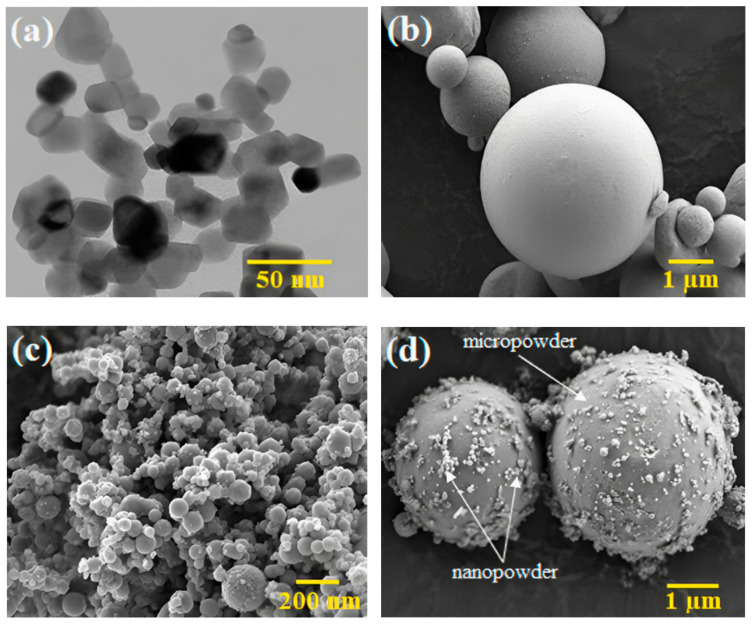
The fabrication of bi-material micro-components via two-component micro-powder injection moulding (2C-µPIM) from 3 mol% yttria-stabilised zirconia (3YSZ) and micro/nano bimodal stainless steel 316L (SS 316L) powders has received insufficient attention. Apart from this, retaining the bonding between ceramic and metal at different processing stages of 2C-µPIM is challenging. This study investigated the solvent and thermal debinding mechanisms of green bi-material micro-parts of 3YSZ and bimodal SS 316L without collapsing the ceramic/metal joining. In this research, feedstocks were prepared by integrating the powders individually with palm stearin and low-density polyethylene binders. The results demonstrated that during the solvent debinding process, the palm stearin removal rate in the bi-materials composed of 3YSZ and bimodally configured SS 316L feedstocks intensified with an increase in temperature. The establishment of interconnected pores in the solvent-debound components facilitated the thermal debinding process, which removed 99% of the binder system. Following sintering, the debound bi-materials exhibited a relative density of 95.3%. According to a study of the microstructures using field emission scanning electron microscopy, an adequate bond between 3YSZ and bimodal SS 316L was established in the micro-part after sintering. The bi-material sintered at 1350 °C had the highest hardness of 1017.4 HV along the joining region.

摘要

通过双组分微粉注射成型(2C-µPIM)由3摩尔%氧化钇稳定氧化锆(3YSZ)和微米/纳米双峰不锈钢316L(SS 316L)粉末制造双材料微部件受到的关注不足。除此之外,在2C-µPIM的不同加工阶段保持陶瓷与金属之间的结合具有挑战性。本研究调查了3YSZ和双峰SS 316L绿色双材料微部件的溶剂脱脂和热脱脂机制,同时不破坏陶瓷/金属结合。在本研究中,通过将粉末分别与棕榈硬脂和低密度聚乙烯粘结剂混合来制备原料。结果表明,在溶剂脱脂过程中,由3YSZ和双峰配置的SS 316L原料组成的双材料中棕榈硬脂的去除率随着温度的升高而增强。溶剂脱脂部件中相互连通的孔隙的形成促进了热脱脂过程,该过程去除了99%的粘结剂体系。烧结后,脱脂双材料的相对密度为95.3%。根据用场发射扫描电子显微镜对微观结构的研究,烧结后的微部件中3YSZ和双峰SS 316L之间建立了充分的结合。在1350℃烧结的双材料在结合区域的硬度最高,为1017.4 HV。
https://cdn.ncbi.nlm.nih.gov/pmc/blobs/e506/11244041/e4c16c96027e/polymers-16-01831-g018.jpg
https://cdn.ncbi.nlm.nih.gov/pmc/blobs/e506/11244041/cdd08b98747f/polymers-16-01831-g001.jpg
https://cdn.ncbi.nlm.nih.gov/pmc/blobs/e506/11244041/dd509e8acd33/polymers-16-01831-g002.jpg
https://cdn.ncbi.nlm.nih.gov/pmc/blobs/e506/11244041/0f05de28083d/polymers-16-01831-g003.jpg
https://cdn.ncbi.nlm.nih.gov/pmc/blobs/e506/11244041/7727dc3d6f94/polymers-16-01831-g004.jpg
https://cdn.ncbi.nlm.nih.gov/pmc/blobs/e506/11244041/426a08405f8d/polymers-16-01831-g005.jpg
https://cdn.ncbi.nlm.nih.gov/pmc/blobs/e506/11244041/04f77837d2e0/polymers-16-01831-g006.jpg
https://cdn.ncbi.nlm.nih.gov/pmc/blobs/e506/11244041/8e50f8c04bb0/polymers-16-01831-g007.jpg
https://cdn.ncbi.nlm.nih.gov/pmc/blobs/e506/11244041/6cd3301072aa/polymers-16-01831-g008.jpg
https://cdn.ncbi.nlm.nih.gov/pmc/blobs/e506/11244041/6d5df2fa1601/polymers-16-01831-g009.jpg
https://cdn.ncbi.nlm.nih.gov/pmc/blobs/e506/11244041/64ebea46353f/polymers-16-01831-g010.jpg
https://cdn.ncbi.nlm.nih.gov/pmc/blobs/e506/11244041/a01a40b236d3/polymers-16-01831-g011.jpg
https://cdn.ncbi.nlm.nih.gov/pmc/blobs/e506/11244041/428c364d03e4/polymers-16-01831-g012.jpg
https://cdn.ncbi.nlm.nih.gov/pmc/blobs/e506/11244041/50b3967287f7/polymers-16-01831-g013.jpg
https://cdn.ncbi.nlm.nih.gov/pmc/blobs/e506/11244041/bf751a178509/polymers-16-01831-g014.jpg
https://cdn.ncbi.nlm.nih.gov/pmc/blobs/e506/11244041/b202be7a5e2a/polymers-16-01831-g015.jpg
https://cdn.ncbi.nlm.nih.gov/pmc/blobs/e506/11244041/f3e2f2807442/polymers-16-01831-g016.jpg
https://cdn.ncbi.nlm.nih.gov/pmc/blobs/e506/11244041/76c54e3721bb/polymers-16-01831-g017.jpg
https://cdn.ncbi.nlm.nih.gov/pmc/blobs/e506/11244041/e4c16c96027e/polymers-16-01831-g018.jpg
https://cdn.ncbi.nlm.nih.gov/pmc/blobs/e506/11244041/cdd08b98747f/polymers-16-01831-g001.jpg
https://cdn.ncbi.nlm.nih.gov/pmc/blobs/e506/11244041/dd509e8acd33/polymers-16-01831-g002.jpg
https://cdn.ncbi.nlm.nih.gov/pmc/blobs/e506/11244041/0f05de28083d/polymers-16-01831-g003.jpg
https://cdn.ncbi.nlm.nih.gov/pmc/blobs/e506/11244041/7727dc3d6f94/polymers-16-01831-g004.jpg
https://cdn.ncbi.nlm.nih.gov/pmc/blobs/e506/11244041/426a08405f8d/polymers-16-01831-g005.jpg
https://cdn.ncbi.nlm.nih.gov/pmc/blobs/e506/11244041/04f77837d2e0/polymers-16-01831-g006.jpg
https://cdn.ncbi.nlm.nih.gov/pmc/blobs/e506/11244041/8e50f8c04bb0/polymers-16-01831-g007.jpg
https://cdn.ncbi.nlm.nih.gov/pmc/blobs/e506/11244041/6cd3301072aa/polymers-16-01831-g008.jpg
https://cdn.ncbi.nlm.nih.gov/pmc/blobs/e506/11244041/6d5df2fa1601/polymers-16-01831-g009.jpg
https://cdn.ncbi.nlm.nih.gov/pmc/blobs/e506/11244041/64ebea46353f/polymers-16-01831-g010.jpg
https://cdn.ncbi.nlm.nih.gov/pmc/blobs/e506/11244041/a01a40b236d3/polymers-16-01831-g011.jpg
https://cdn.ncbi.nlm.nih.gov/pmc/blobs/e506/11244041/428c364d03e4/polymers-16-01831-g012.jpg
https://cdn.ncbi.nlm.nih.gov/pmc/blobs/e506/11244041/50b3967287f7/polymers-16-01831-g013.jpg
https://cdn.ncbi.nlm.nih.gov/pmc/blobs/e506/11244041/bf751a178509/polymers-16-01831-g014.jpg
https://cdn.ncbi.nlm.nih.gov/pmc/blobs/e506/11244041/b202be7a5e2a/polymers-16-01831-g015.jpg
https://cdn.ncbi.nlm.nih.gov/pmc/blobs/e506/11244041/f3e2f2807442/polymers-16-01831-g016.jpg
https://cdn.ncbi.nlm.nih.gov/pmc/blobs/e506/11244041/76c54e3721bb/polymers-16-01831-g017.jpg
https://cdn.ncbi.nlm.nih.gov/pmc/blobs/e506/11244041/e4c16c96027e/polymers-16-01831-g018.jpg

相似文献

1
Debinding of Yttria-Stabilised Zirconia/Bimodal Stainless Steel 316L Bi-Materials Produced through Two-Component Micro-Powder Injection Moulding.通过双组分微粉注射成型制备的氧化钇稳定氧化锆/双峰不锈钢316L双材料的脱脂
Polymers (Basel). 2024 Jun 27;16(13):1831. doi: 10.3390/polym16131831.
2
Micro-Injection Molding and Debinding Behavior of Hydroxyapatite/Zirconia Bi-Materials Fabricated by Two-Component Micro-Powder Injection Molding Process.基于双组分微粉注射成型工艺制备的羟基磷灰石/氧化锆生物材料的微注射成型及脱脂行为
Materials (Basel). 2023 Sep 24;16(19):6375. doi: 10.3390/ma16196375.
3
Sintering Behavior of Bi-Material Micro-Component of 17-4PH Stainless Steel and Yttria-Stabilized Zirconia Produced by Two-Component Micro-Powder Injection Molding Process.双组分微粉注射成型工艺制备的17-4PH不锈钢与氧化钇稳定氧化锆双材料微构件的烧结行为
Materials (Basel). 2022 Mar 10;15(6):2059. doi: 10.3390/ma15062059.
4
Debinding and Sintering of an Injection-Moulded Hypereutectic Al⁻Si Alloy.注射成型过共晶铝硅合金的脱脂与烧结
Materials (Basel). 2018 May 16;11(5):807. doi: 10.3390/ma11050807.
5
Environmentally Efficient 316L Stainless Steel Feedstocks for Powder Injection Molding.用于粉末注射成型的环境高效型316L不锈钢原料
Polymers (Basel). 2020 Jun 5;12(6):1296. doi: 10.3390/polym12061296.
6
Effect of boron addition on injection molded 316L stainless steel: mechanical, corrosion properties and in vitro bioactivity.硼添加对注塑成型316L不锈钢的影响:力学性能、耐腐蚀性能及体外生物活性
Biomed Mater Eng. 2012;22(6):333-49. doi: 10.3233/BME-2012-0723.
7
Printing, Debinding and Sintering of 15-5PH Stainless Steel Components by Fused Deposition Modeling Additive Manufacturing.基于熔融沉积成型增材制造的15-5PH不锈钢部件的打印、脱脂和烧结
Materials (Basel). 2023 Sep 23;16(19):6372. doi: 10.3390/ma16196372.
8
Effect of sintering parameters on physical and mechanical properties of powder injection moulded stainless steel-hydroxyapatite composite.烧结参数对粉末注射成型不锈钢-羟基磷灰石复合材料物理力学性能的影响。
PLoS One. 2018 Oct 25;13(10):e0206247. doi: 10.1371/journal.pone.0206247. eCollection 2018.
9
Effect of Zr, Nb and Ti addition on injection molded 316L stainless steel for bio-applications: Mechanical, electrochemical and biocompatibility properties.添加Zr、Nb和Ti对用于生物应用的注射成型316L不锈钢的影响:力学性能、电化学性能和生物相容性
J Mech Behav Biomed Mater. 2015 Nov;51:215-24. doi: 10.1016/j.jmbbm.2015.07.016. Epub 2015 Jul 26.
10
Comparison between Micro-Powder Injection Molding and Material Extrusion Additive Manufacturing of Metal Powders for the Fabrication of Sintered Components.用于制造烧结部件的金属粉末微粉注射成型与材料挤出增材制造的比较。
Materials (Basel). 2023 Nov 22;16(23):7268. doi: 10.3390/ma16237268.