Wright Donald W, Koziel Jacek A, Kuhrt Fred W, Iwasinska Anna, Eaton David K, Wahe Landon
Don Wright & Associates, LLC, Georgetown, Texas 78628, United States.
USDA-ARS, Conservation and Production Research Laboratory, Bushland, Texas 79012, United States.
ACS Omega. 2024 Jun 27;9(27):29290-29299. doi: 10.1021/acsomega.4c00531. eCollection 2024 Jul 9.
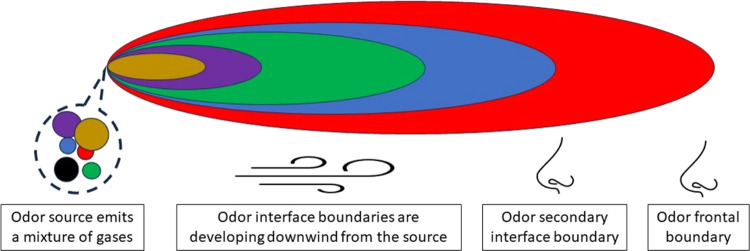
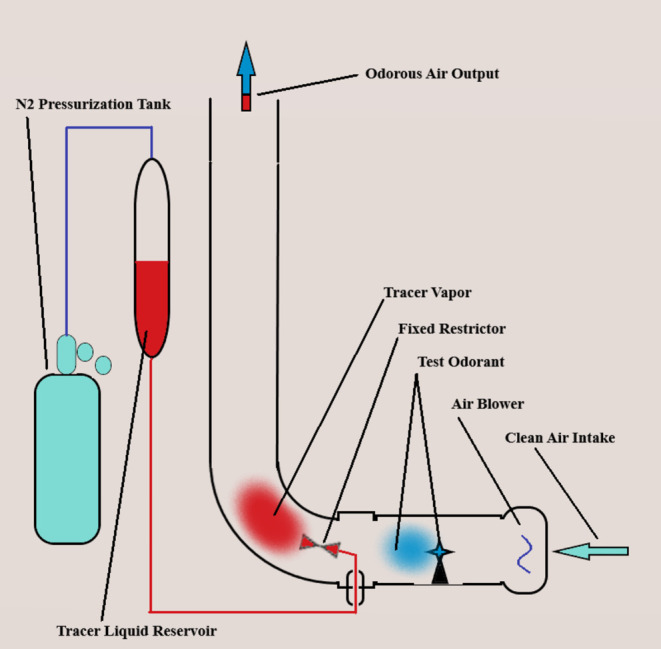
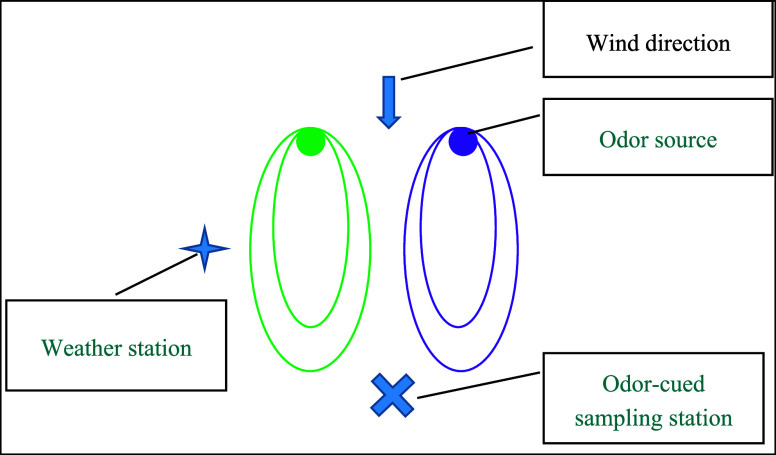
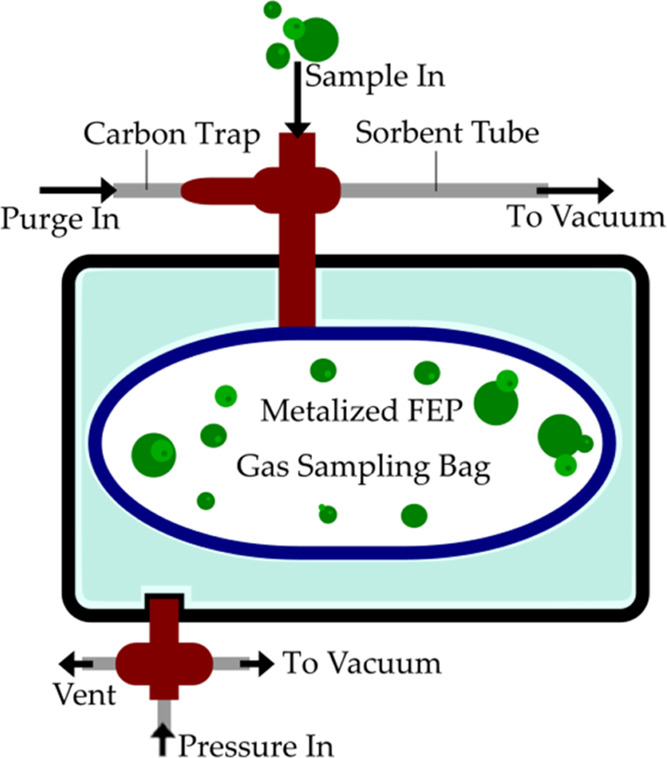
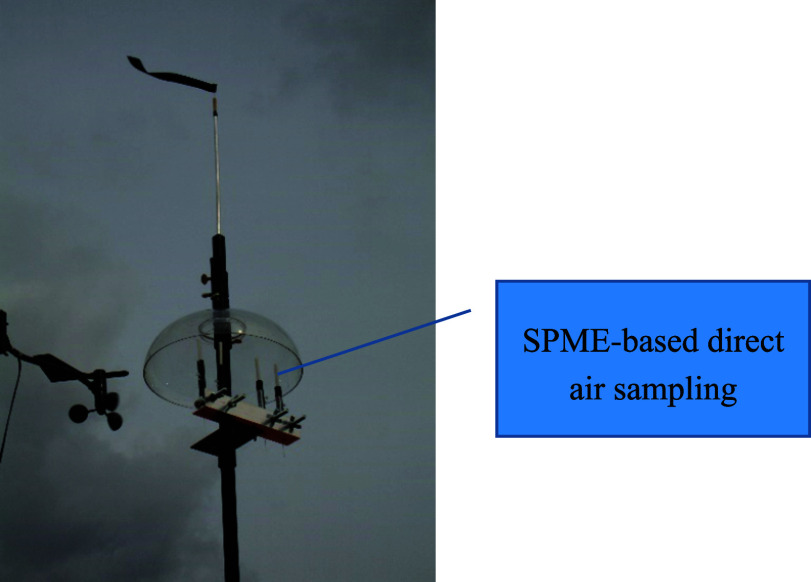
A critical prelude to any community odor assessment should be the prioritization of specific chemical odorants that are most responsible for targeted downwind odors. Unfortunately, and historically, this is a step that has often been bypassed or overlooked. However, correct understanding of the specific impactful volatile organic compounds (VOCs) can inform the follow-on sampling, analytical, and remediation strategies that are most appropriate and efficient, based upon the chemistry behind the issue. With this understanding, the techniques and sampling strategies presented herein should be viewed as a qualitative prelude rather than an addendum to a follow-up routine, automated downwind odor monitoring. Downwind odor characteristics can vary depending upon the size of the upwind source, interim topography, and wind conditions. At one extreme, the downwind odor plume from a relatively large source located on a flat open plain and under stable, near-straight line wind conditions can be rather broad, sustained, and predictable. In contrast, the plume from a small point source (e.g., a roof vent stack) located on irregular topography and under rapidly shifting wind conditions can be intermittent and fleeting ("spikes" or "bursts"). These transient odor events can be surprisingly intense and offensive, despite their fleeting occurrence and perception. This work reports on improving and optimizing an environmental sampling strategy for odorant prioritization from such transient downwind odor conditions. This optimization addresses the challenges of (1) sampling of transient odor "spikes" and (2) prioritizing odors/odorants from multiple, closely colocated point sources under transient event conditions. Prioritizing is defined as identifying the key impactful odorants downwind. Grab air sampling protocol refinement has emerged from actual community environmental odor assessment projects. The challenge of assessing transient odor events has been mitigated by utilizing (a) rapid, odor-cued whole-air grab sampling (i.e., activated by and synchronous with the perceived sensory spikes) into metalized fluorinated ethylene polymer (m-FEP) gas sampling bags; (b) immediate transfer from bags onto solid-phase microextraction (SPME) fibers or sorbent tubes; and (c) maintaining refrigerated storage and shipment conditions between field collection and in-laboratory analysis. Results demonstrated approximately 11-fold increases in target odorant yields for 900 mL air sample capture on sorbent tube transfers from 2 to 3 s "burst" odor event bag captures compared to equivalent direct collections (with sorbent tubes) at the same downwind receptor location but during perceived (stable) odor "lull" periods. An application targeting general odor sampling and point-source differentiation utilizing tracer gases is also presented.
任何社区气味评估的关键前奏都应该是对导致下风向目标气味的特定化学气味剂进行优先级排序。不幸的是,从历史上看,这一步骤常常被忽略或忽视。然而,正确理解特定的有影响的挥发性有机化合物(VOCs),可以根据问题背后的化学原理,为后续最恰当、高效的采样、分析和修复策略提供依据。基于这种理解,本文介绍的技术和采样策略应被视为一种定性的前奏,而不是后续常规的、自动化的下风向气味监测的附录。下风向的气味特征会因上风向源的大小、中间地形和风力条件而有所不同。在一种极端情况下,位于平坦开阔平原上、处于稳定的近直线风况下的相对较大源产生的下风向气味羽流可能相当宽广、持续且可预测。相比之下,位于不规则地形上、处于快速变化风况下的小的点源(如屋顶通风口烟囱)产生的羽流可能是间歇性的且转瞬即逝(“尖峰”或“突发”)。尽管这些短暂的气味事件出现和被感知的时间很短暂,但它们可能会出奇地强烈且令人不快。这项工作报告了针对此类下风向短暂气味条件下提高和优化气味剂优先级排序的环境采样策略。这种优化解决了以下挑战:(1)对短暂气味“尖峰”进行采样,以及(2)在短暂事件条件下对来自多个紧密相邻点源的气味/气味剂进行优先级排序。优先级排序的定义是确定下风向关键的有影响的气味剂。实际的社区环境气味评估项目促成了对抓取空气采样方案的改进。通过利用以下方法减轻了评估短暂气味事件的挑战:(a)快速的、基于气味提示的全空气抓取采样(即由感知到的感官尖峰触发并与之同步),采集到金属化氟化乙烯聚合物(m-FEP)气体采样袋中;(b)立即从袋子转移到固相微萃取(SPME)纤维或吸附管上;以及(c)在现场采集和实验室分析之间保持冷藏储存和运输条件。结果表明,与在相同下风向受体位置但在感知到的(稳定)气味“平静”期使用吸附管进行的等效直接采集相比,对于从2至3秒“突发”气味事件袋采集的样品,通过吸附管转移采集900毫升空气样品时,目标气味剂产量提高了约11倍。本文还介绍了一种利用示踪气体进行一般气味采样和点源区分的应用。