INSERM UMR-S 1329, Strasbourg Translational Neuroscience and Psychiatry, University of Strasbourg, Strasbourg, France.
EMOI-TC Service, Clémenceau University Institute of Rehabilitation, UGECAM Alsace, Strasbourg, France.
NeuroRehabilitation. 2024;55(1):77-94. doi: 10.3233/NRE-230383.
Challenging behaviours and emotional dysregulation are common sequelae of acquired brain injury (ABI), but treatment remain underdeveloped. Dialectical behaviour therapy is an evidence-based therapy for emotional dysregulation.
To explore the feasibility and preliminary efficacy of dialectical behaviour therapy for ABI.
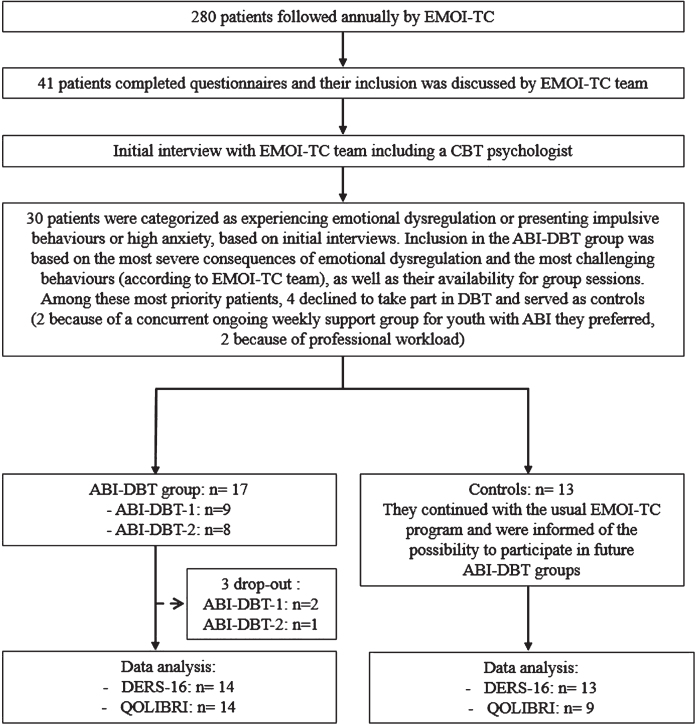
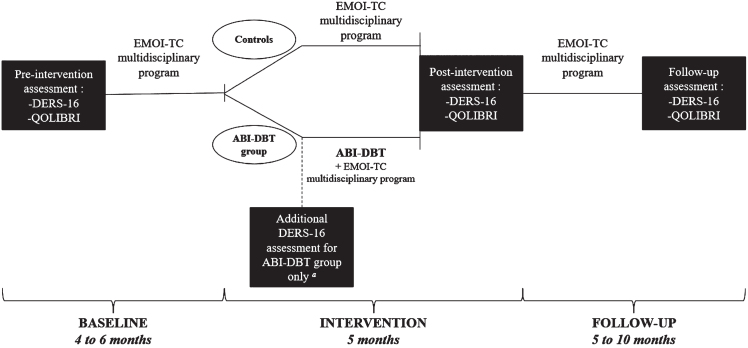
An exploratory longitudinal study that compared thirty adults with brain injury presenting persistent emotion dysregulation or challenging behaviours. Control group received a personalized multidisciplinary program only (n = 13). The dialectical behaviour therapy group received five months of emotion regulation skills learning as an add-on (n = 17). Preliminary efficacy was measured on Difficulties in Emotion Regulation Scale-16 and Quality of Life after Brain Injury total score and emotion subscore.
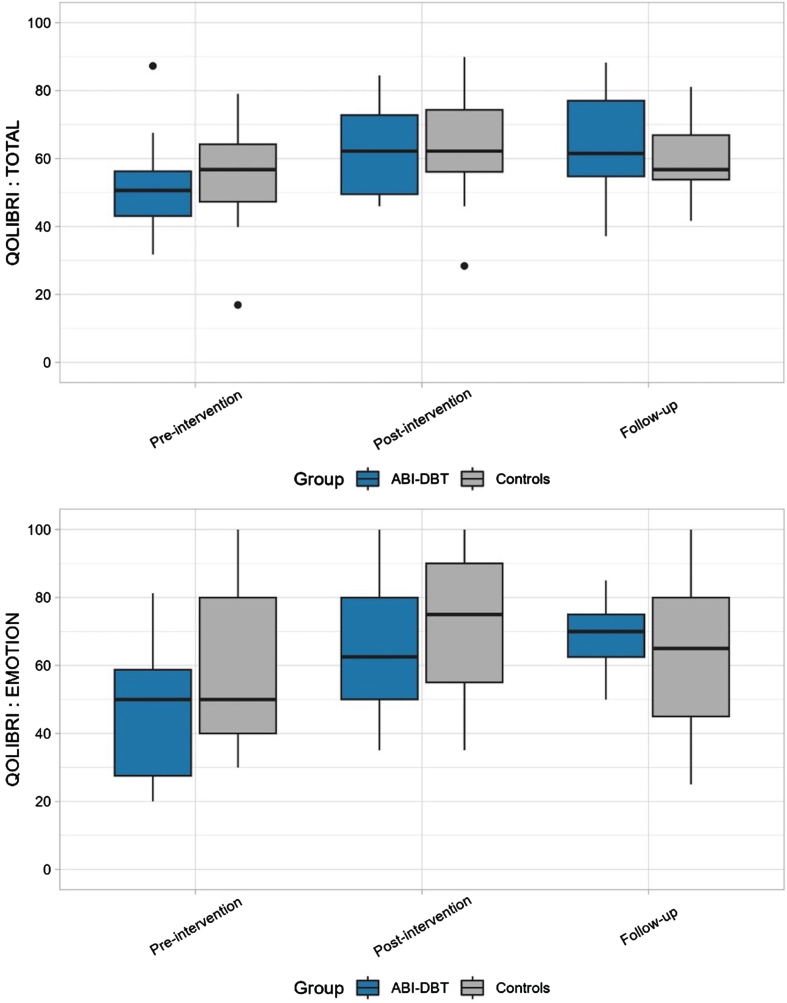
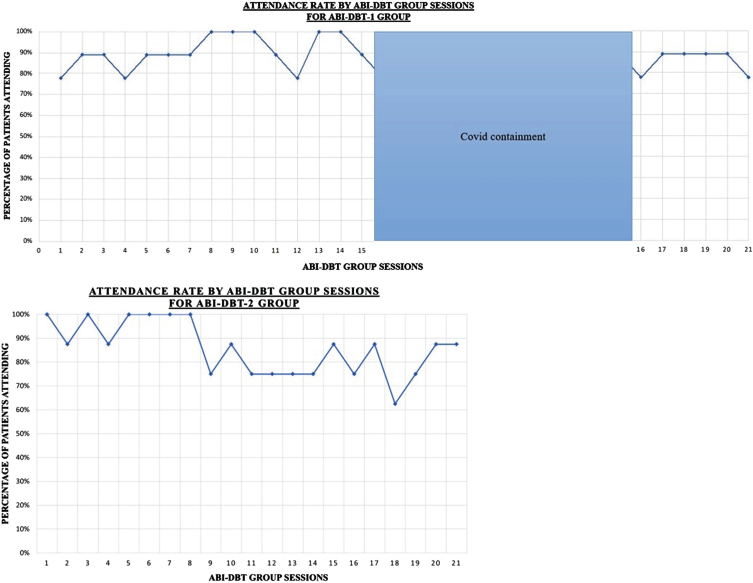
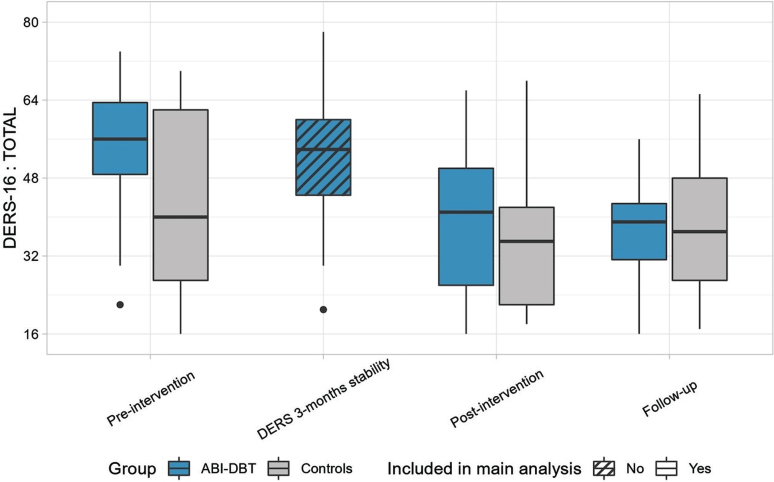
Fourteen participants completed the dialectical behaviour therapy. This study provided preliminary evidence for the feasibility and acceptability of dialectical behaviour therapy. Repeated measures revealed improvement on the Difficulties in Emotion Regulation Scale-16 (-7.6 [-17.3; 1.7]; Pr = 0.95) and on the Quality Of Life emotion subscore (13.5 [-3.8; 30.9]; Pr = 0.94).
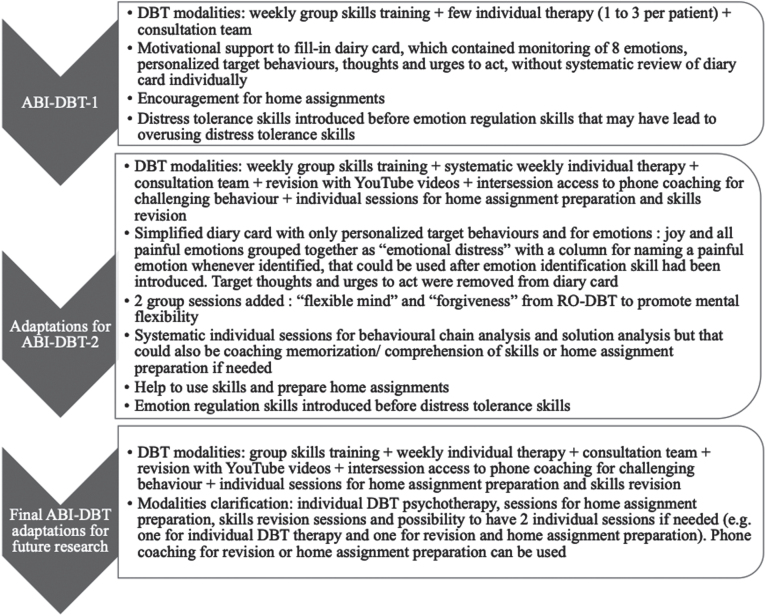
This study raises important questions regarding the type of patients who can benefit from this intervention, necessary adaptations of dialectical behaviour therapy and the way it can help post-traumatic growth and identity reconstruction after ABI.
后天性脑损伤(ABI)后常见的后遗症包括挑战性行为和情绪失调,但治疗方法仍有待发展。辩证行为疗法是一种针对情绪失调的循证疗法。
探索辩证行为疗法治疗 ABI 的可行性和初步疗效。
一项探索性纵向研究,比较了 30 名有持续情绪失调或挑战性行为的脑损伤患者。对照组仅接受个性化的多学科方案(n = 13)。辩证行为疗法组在 5 个月内接受情绪调节技能学习作为附加治疗(n = 17)。初步疗效通过困难情绪调节量表 16 项和脑损伤后生活质量总分和情绪分量表来衡量。
14 名参与者完成了辩证行为疗法。本研究为辩证行为疗法的可行性和可接受性提供了初步证据。重复测量显示,困难情绪调节量表 16 项评分(-7.6 [−17.3; 1.7];Pr = 0.95)和生活质量情绪分量表评分(13.5 [−3.8; 30.9];Pr = 0.94)均有改善。
本研究提出了一些重要问题,即哪些类型的患者可以从这种干预中受益,辩证行为疗法需要进行哪些调整,以及它如何帮助 ABI 后的创伤后成长和身份重建。