Ludwig Claudia McLaughlin, Howsmon Rebecca A, Stromholt Shelley, Valenzuela Jacob J, Calder Rachel, Baliga Nitin S
Institute for Systems Biology, Seattle, WA, USA.
Ballard High School, Seattle Public Schools, Seattle, WA, USA.
Humanit Soc Sci Commun. 2024;11(1). doi: 10.1057/s41599-024-02797-w. Epub 2024 Mar 2.
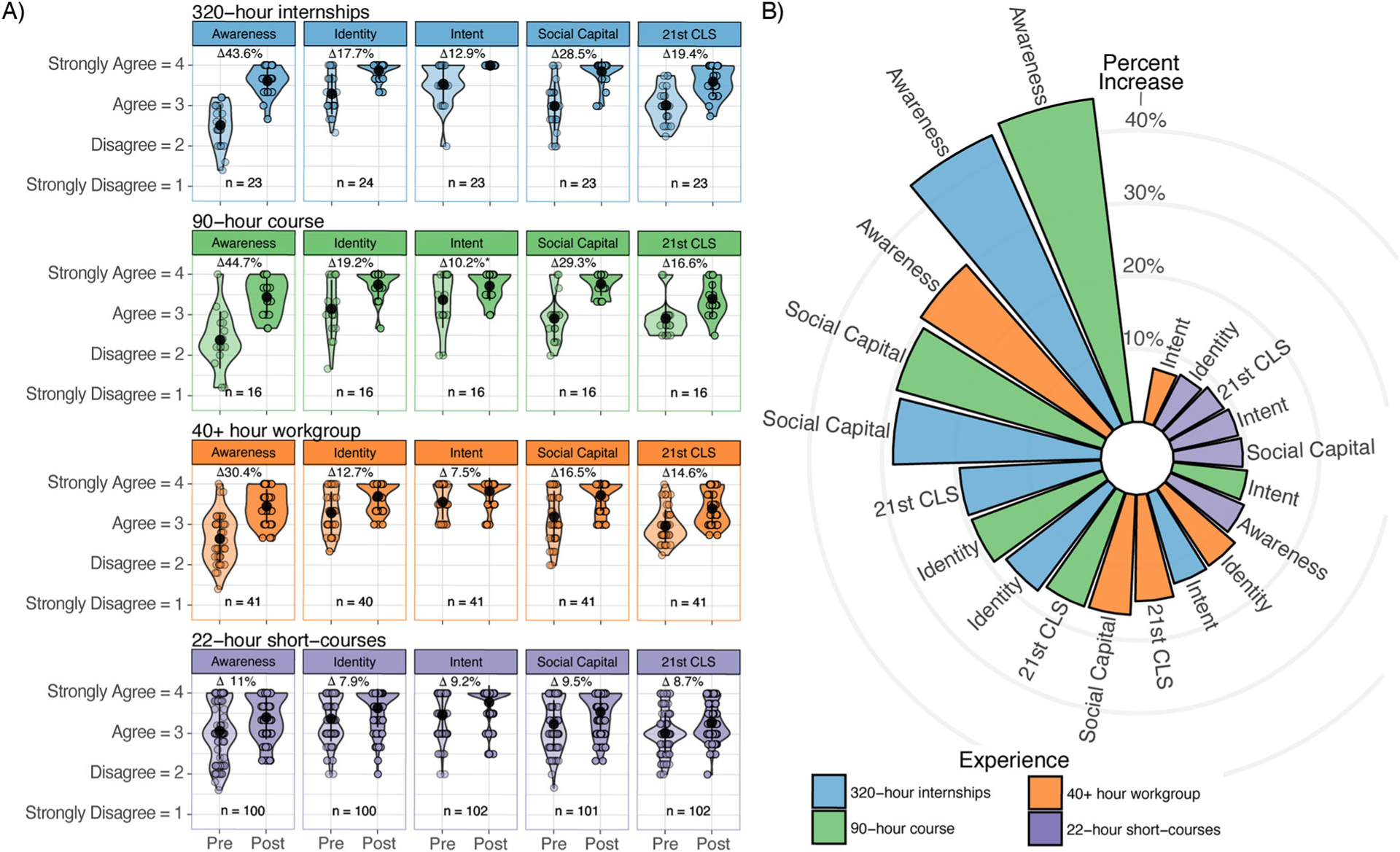
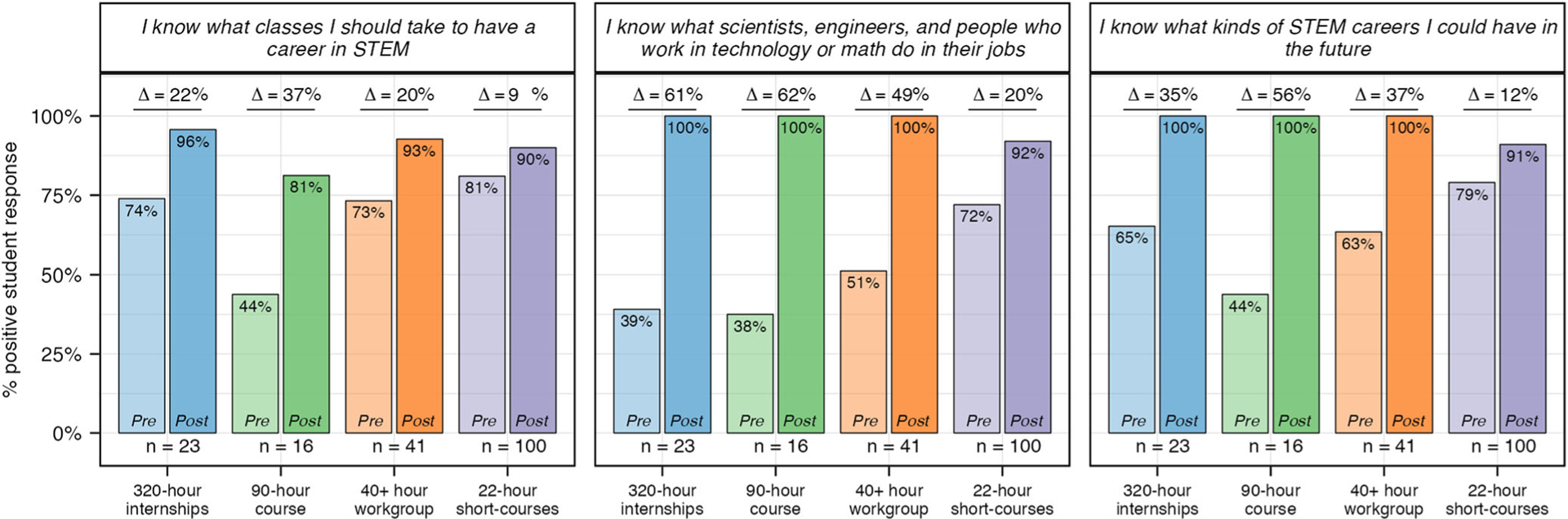
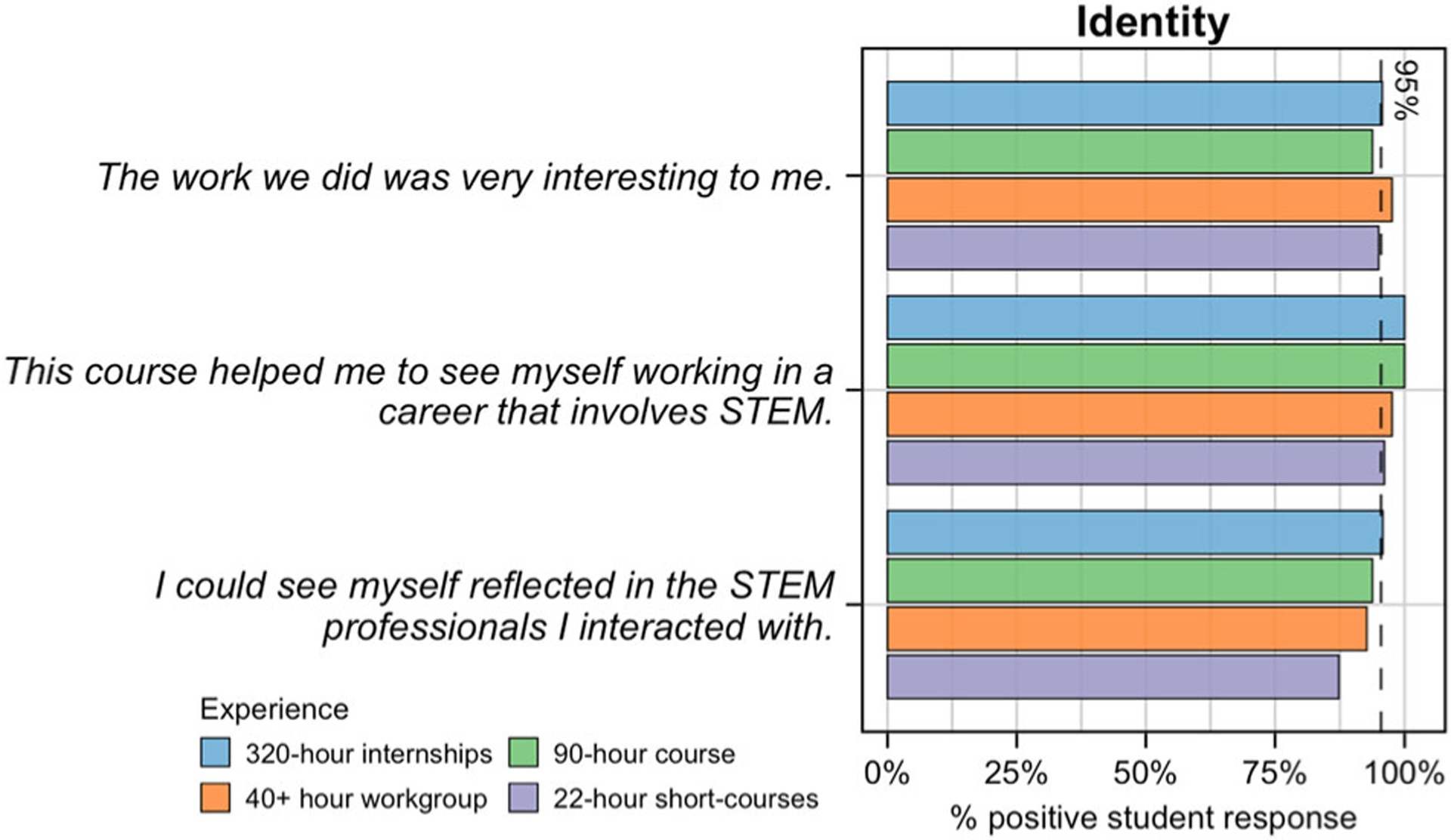
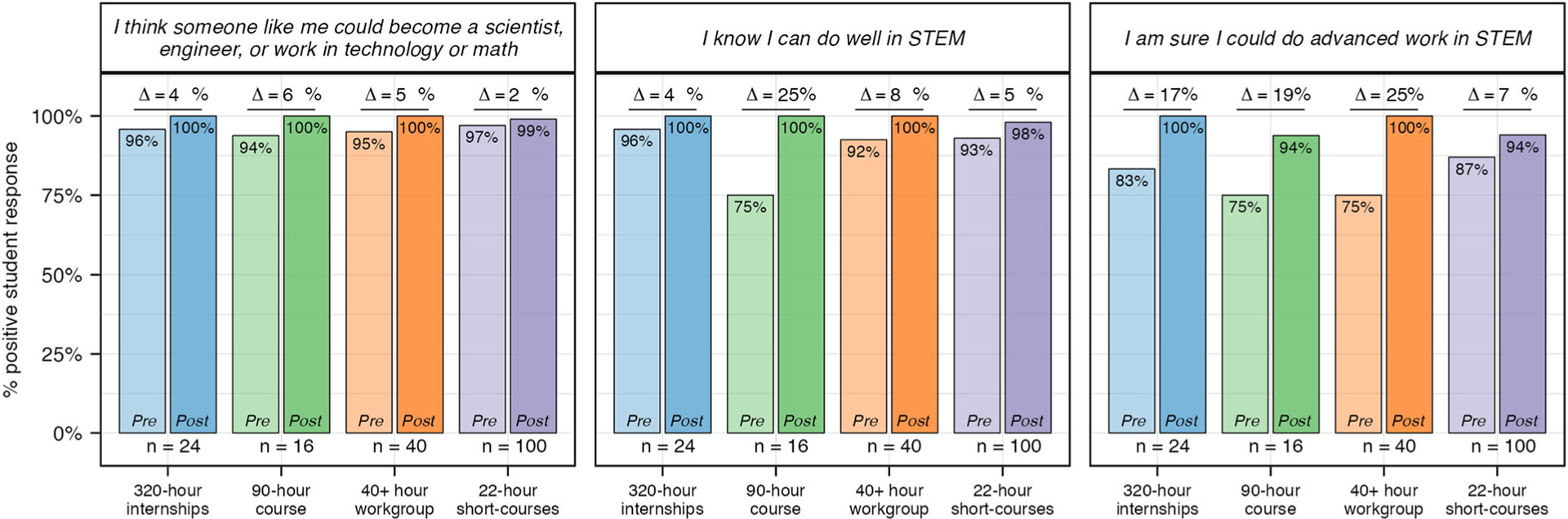
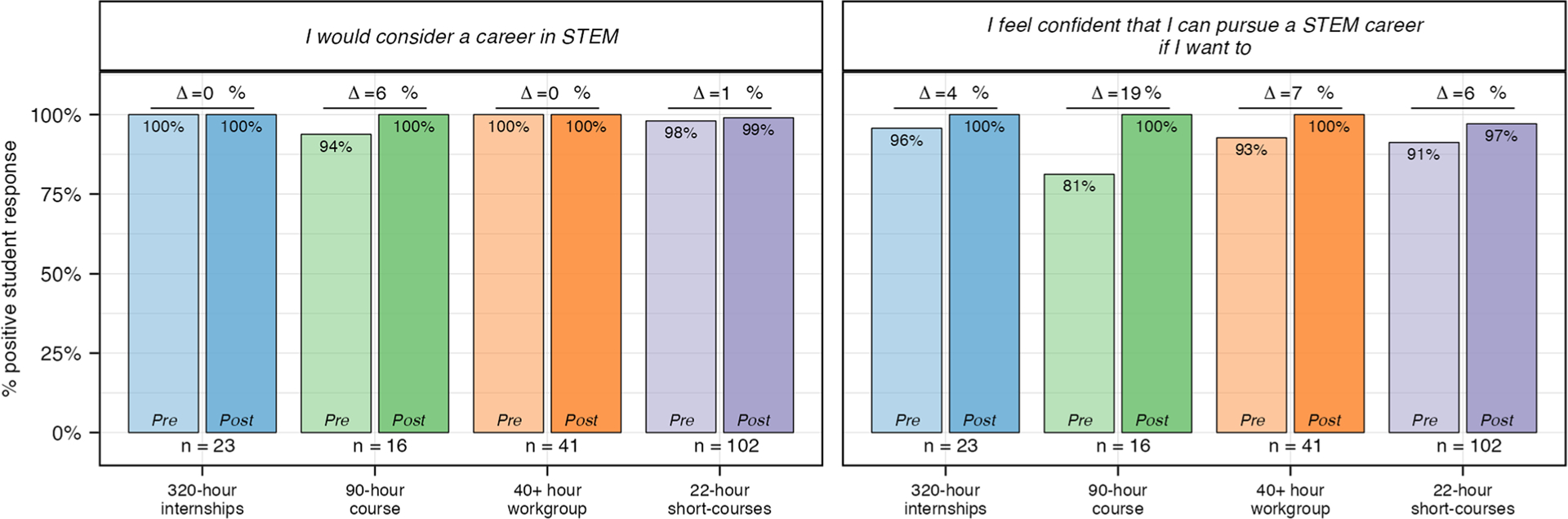
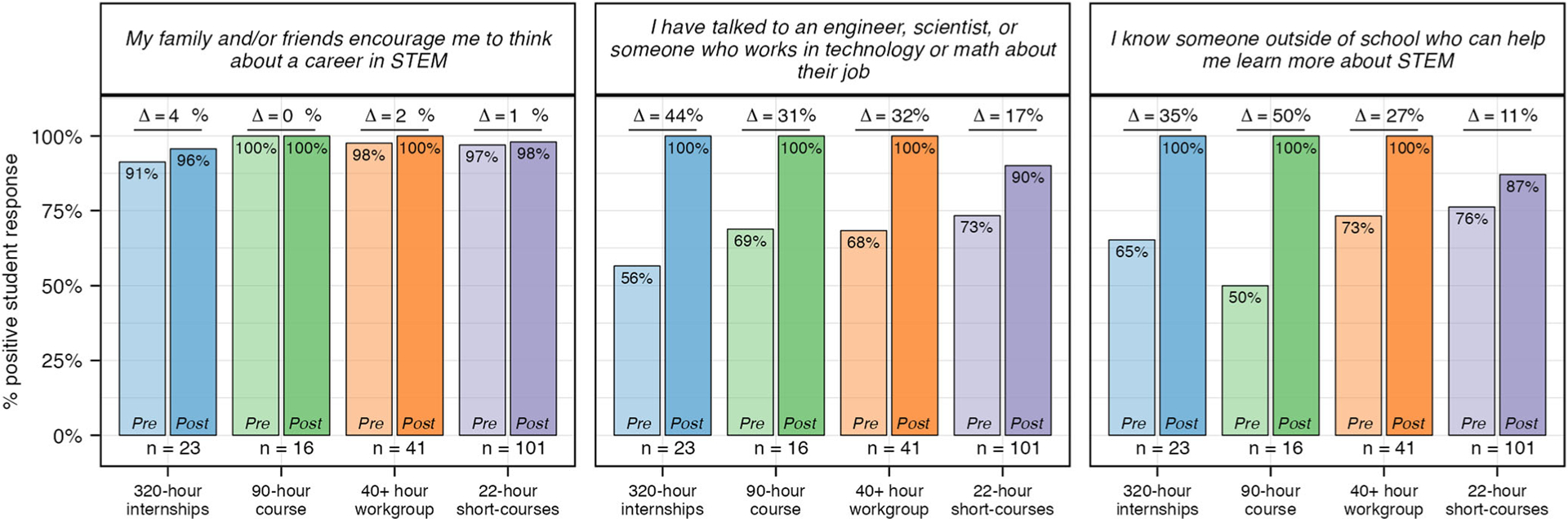
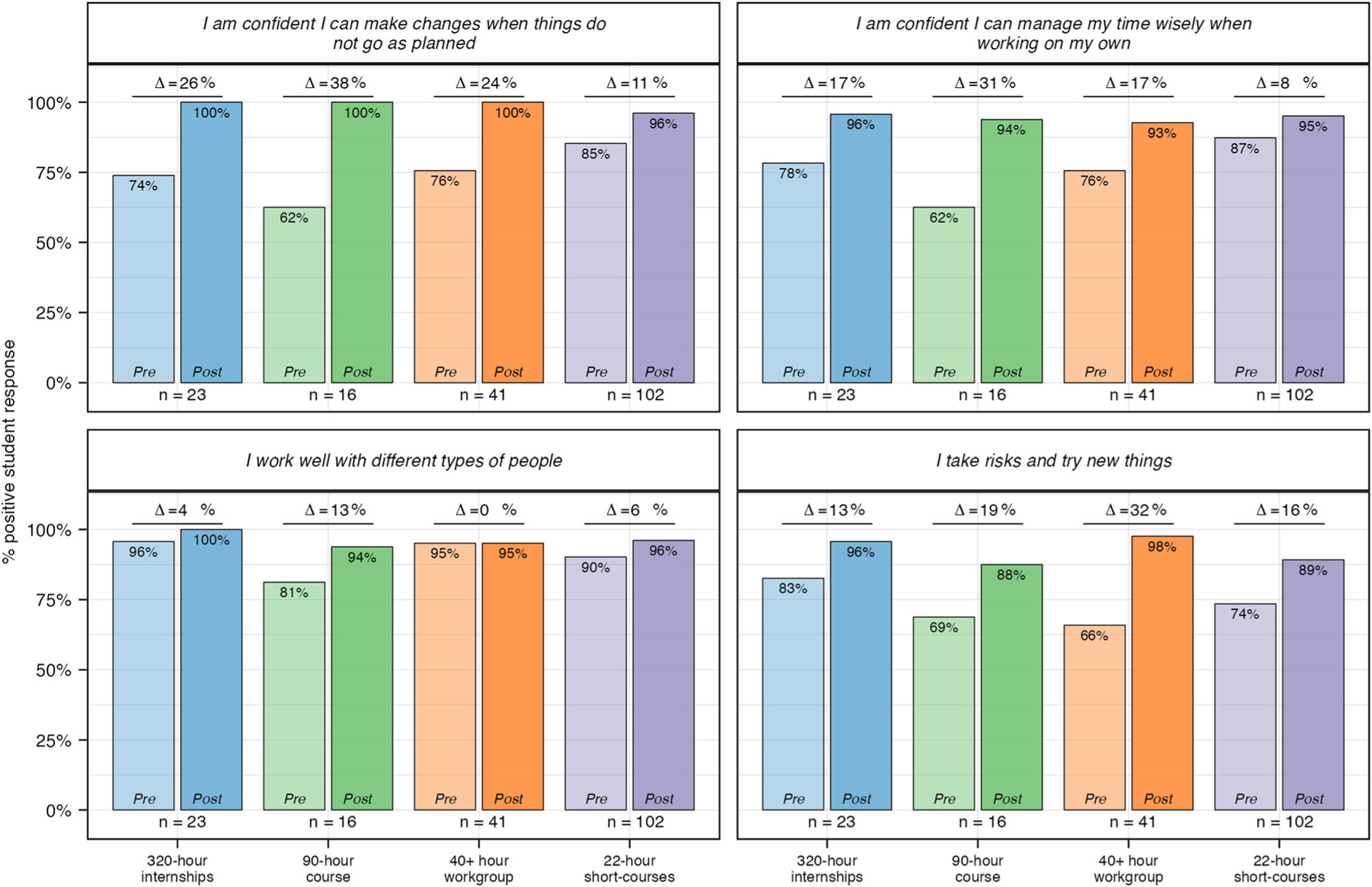
Consequential STEM experiences in informal settings can address issues of equity by fully engaging historically marginalized high school students in complex socio-scientific issues. However, inclusive and effective programs are in high demand, and there is little research on what specific aspects, context, and timeframes are most important when scaling these experiences. Using a mixed method approach, this study demonstrates that students make significant gains, in the short and long term, through in-person and remote informal programs ranging between 22-h and 320-h. Progress across STEM learning constructs is attributed to authentic research experiences, students' connections to STEM professionals, direct hands-on participation in projects, and group work. Relative to formal education settings, research-based informal STEM programs can be implemented with minimal resources, can maintain effectiveness while scaling, and work towards addressing the societal challenge of improving STEM learning and outcomes for high school students from historically marginalized communities.
在非正式环境中开展的后续性科学、技术、工程和数学(STEM)体验活动,可以通过让历来被边缘化的高中生全面参与复杂的社会科学问题来解决公平问题。然而,对包容性强且有效的项目需求很大,而对于扩大这些体验活动规模时哪些具体方面、背景和时间框架最为重要,相关研究却很少。本研究采用混合方法,证明学生通过参加时长在22小时至320小时之间的线下和线上非正式项目,在短期和长期内都取得了显著进步。STEM学习结构方面的进展归因于真实的研究体验、学生与STEM专业人士的联系、直接亲自动手参与项目以及小组合作。相对于正规教育环境,基于研究的非正式STEM项目可以用最少的资源实施,在扩大规模时能保持有效性,并致力于应对一项社会挑战,即改善来自历来被边缘化社区的高中生的STEM学习情况和学习成果。