Roudaut Meryl, Caillaud Amandine, Souguir Zied, Bray Lise, Girardeau Aurore, Rimbert Antoine, Croyal Mikaël, Lambert Gilles, Patitucci Murielle, Delpouve Gaspard, Vandenhaute Élodie, Le May Cédric, Maubon Nathalie, Cariou Bertrand, Si-Tayeb Karim
Nantes Université, CHU Nantes, CNRS, Inserm, l'institut du thorax Nantes France.
HCS Pharma Lille France.
Bioeng Transl Med. 2024 Mar 16;9(4):e10659. doi: 10.1002/btm2.10659. eCollection 2024 Jul.
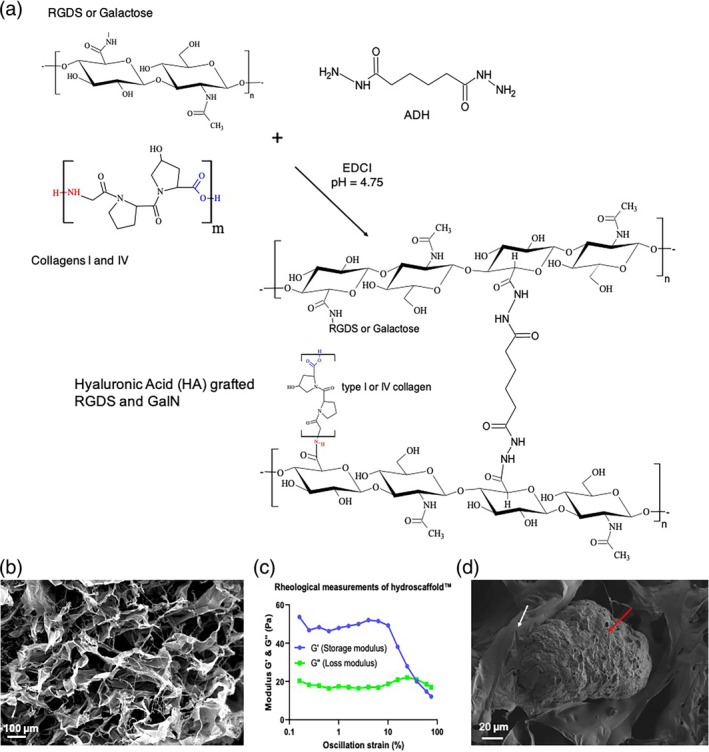
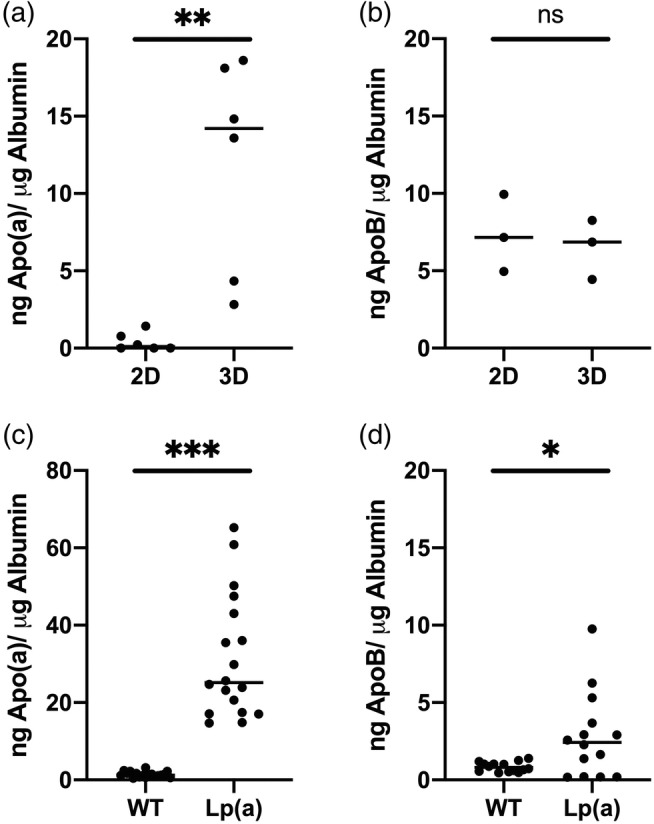
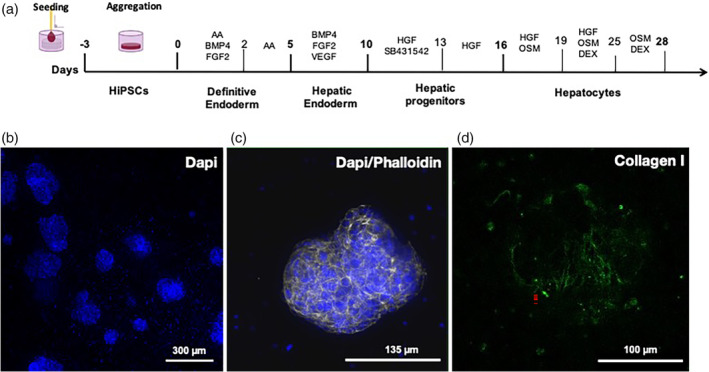
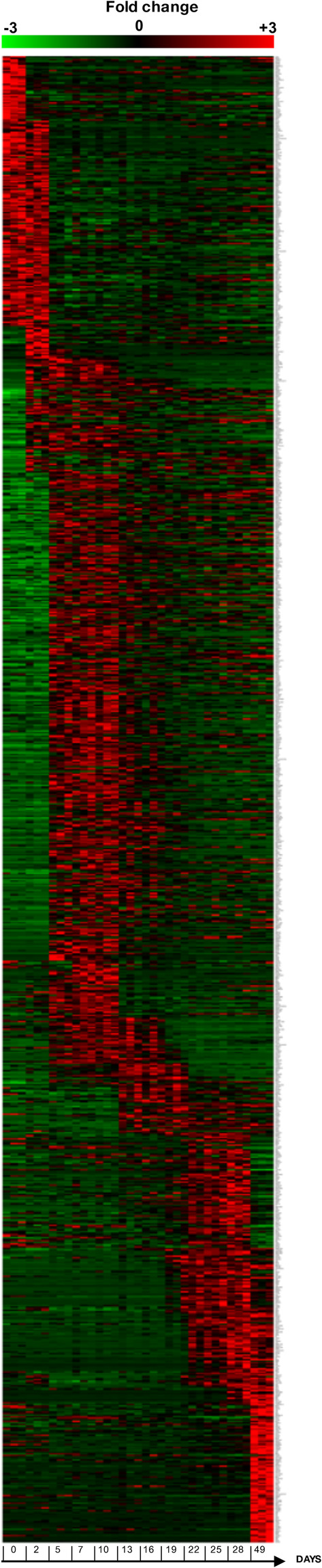
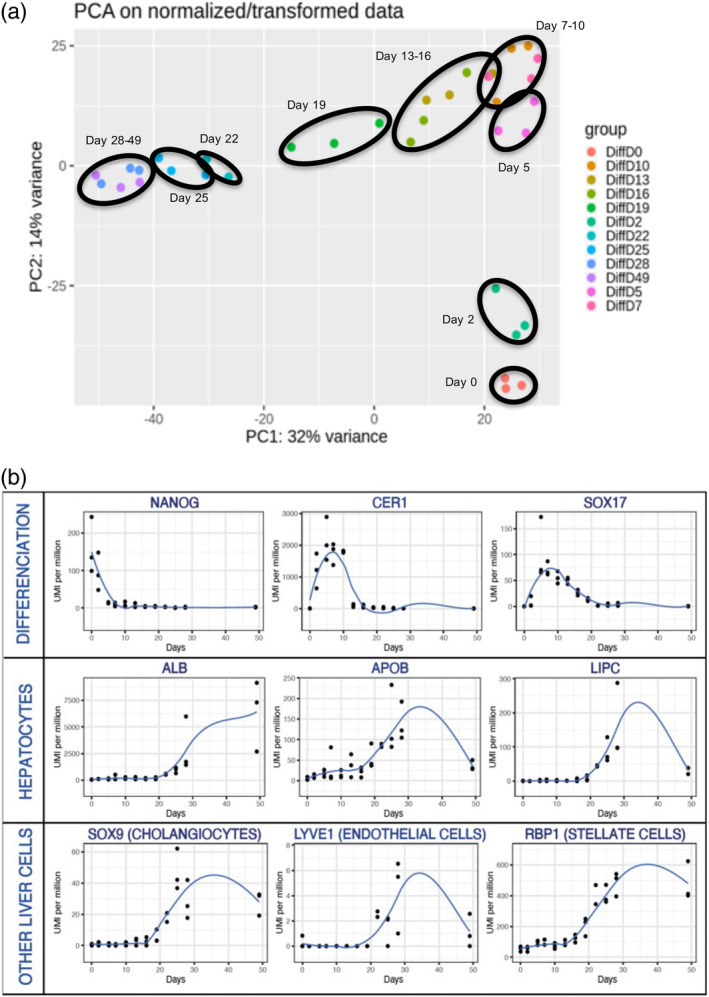
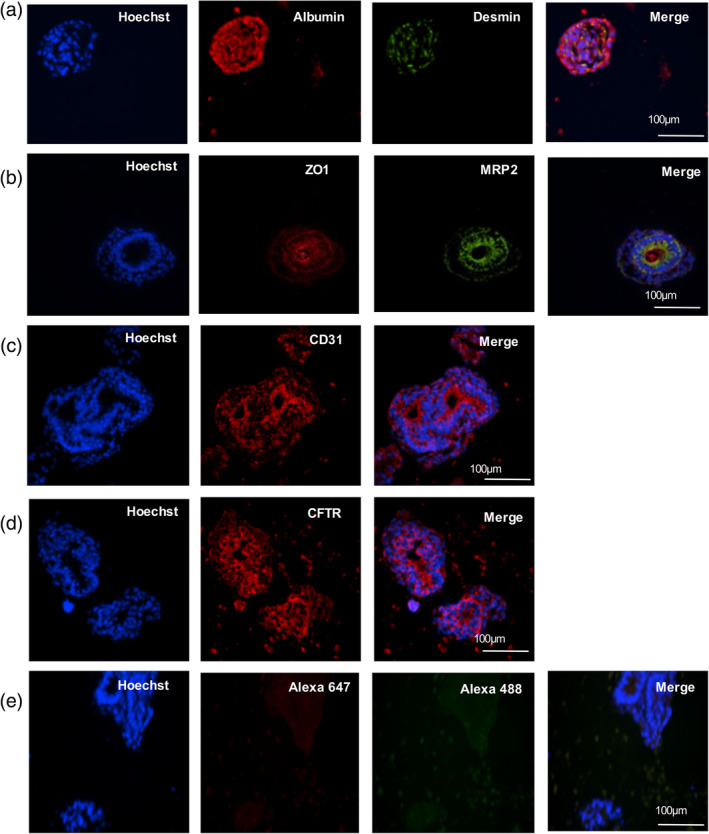
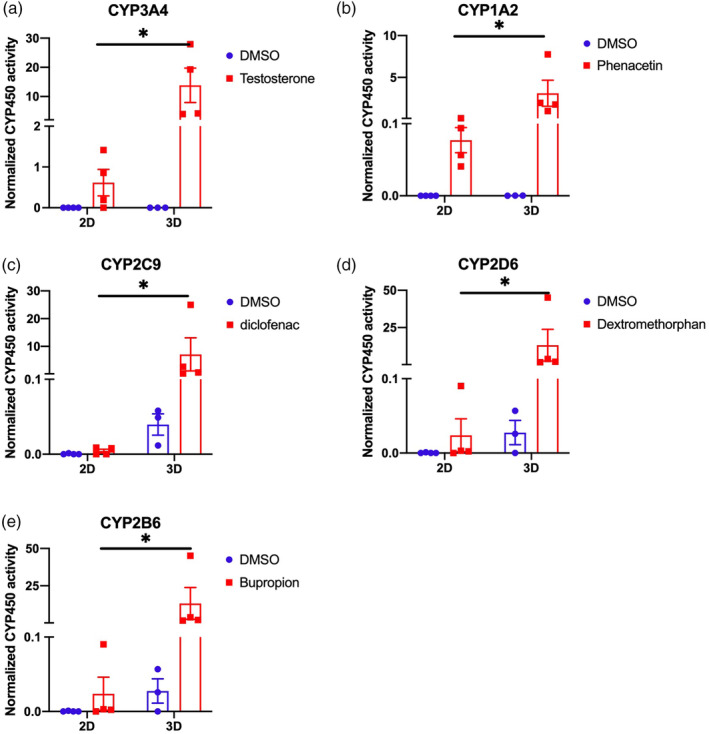
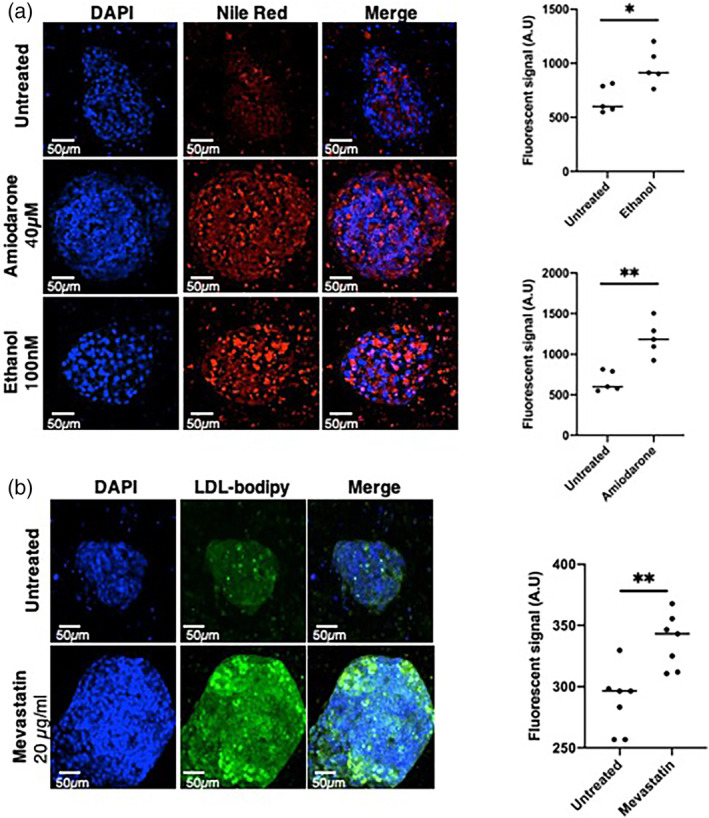
The liver plays a key role in the metabolism of lipoproteins, controlling both production and catabolism. To accelerate the development of new lipid-lowering therapies in humans, it is essential to have a relevant in vitro study model available. The current hepatocyte-like cells (HLCs) models derived from hiPSC can be used to model many genetically driven diseases but require further improvement to better recapitulate the complexity of liver functions. Here, we aimed to improve the maturation of HLCs using a three-dimensional (3D) approach using Biomimesys®, a hyaluronic acid-based hydroscaffold in which hiPSCs may directly form aggregates and differentiate toward a functional liver organoid model. After a 28-day differentiation 3D protocol, we showed that many hepatic genes were upregulated in the 3D model (liver organoids) in comparison with the 2D model (HLCs). Liver organoids, grown on Biomimesys®, exhibited an autonomous cell organization, were composed of different cell types and displayed enhanced cytochromes P450 activities compared to HLCs. Regarding the functional capacities of these organoids, we showed that they were able to accumulate lipids (hepatic steatosis), internalize low-density lipoprotein and secrete apolipoprotein B. Interestingly, we showed for the first time that this model was also able to produce apolipoprotein (a), the apolipoprotein (a) specific of Lp(a). This innovative hiPSC-derived liver organoid model may serve as a relevant model for studying human lipopoprotein metabolism, including Lp(a).
肝脏在脂蛋白代谢中起关键作用,控制着其产生和分解代谢。为了加速人类新型降脂疗法的开发,拥有一个相关的体外研究模型至关重要。目前源自人诱导多能干细胞(hiPSC)的类肝细胞(HLC)模型可用于模拟许多遗传驱动的疾病,但需要进一步改进以更好地重现肝脏功能的复杂性。在这里,我们旨在使用Biomimesys®采用三维(3D)方法来改善HLC的成熟度,Biomimesys®是一种基于透明质酸的水凝胶支架,hiPSC可在其中直接形成聚集体并分化为功能性肝类器官模型。经过28天的3D分化方案后,我们发现与二维模型(HLC)相比,三维模型(肝类器官)中有许多肝脏基因上调。在Biomimesys®上生长的肝类器官表现出自主的细胞组织,由不同的细胞类型组成,并且与HLC相比,细胞色素P450活性增强。关于这些类器官的功能能力,我们发现它们能够积累脂质(肝脂肪变性)、内化低密度脂蛋白并分泌载脂蛋白B。有趣的是,我们首次表明该模型还能够产生载脂蛋白(a),即Lp(a)特有的载脂蛋白(a)。这种创新的源自hiPSC的肝类器官模型可作为研究人类脂蛋白代谢(包括Lp(a))的相关模型。