Department of Psychology, University of Virginia, Charlottesville, VA, USA.
Brain Struct Funct. 2024 Sep;229(7):1737-1756. doi: 10.1007/s00429-024-02832-1. Epub 2024 Jul 23.
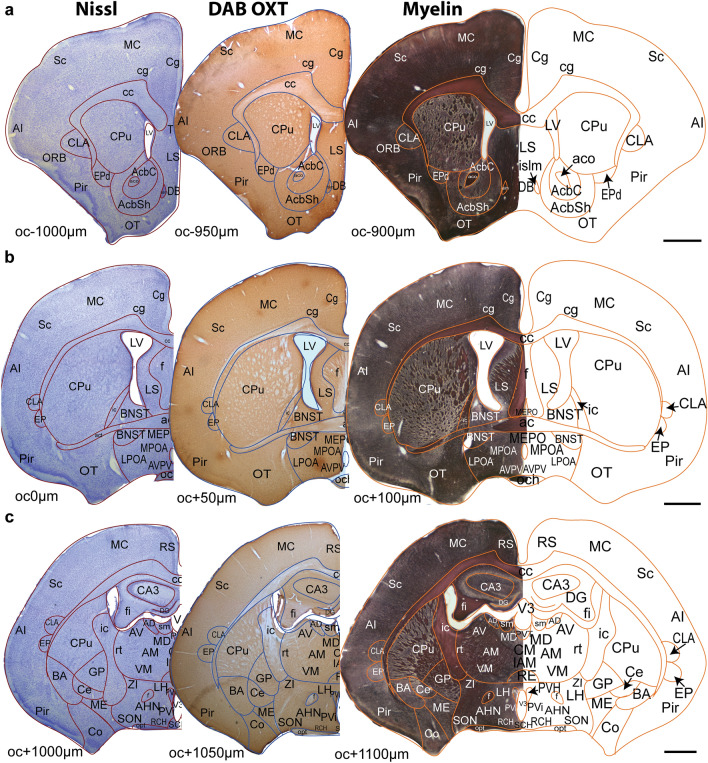
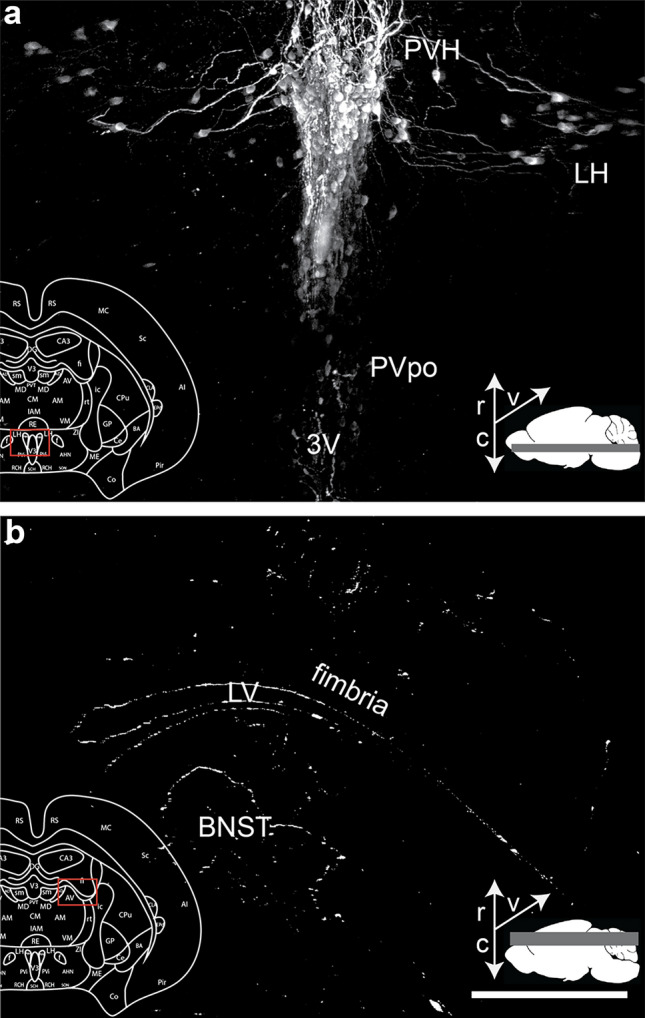
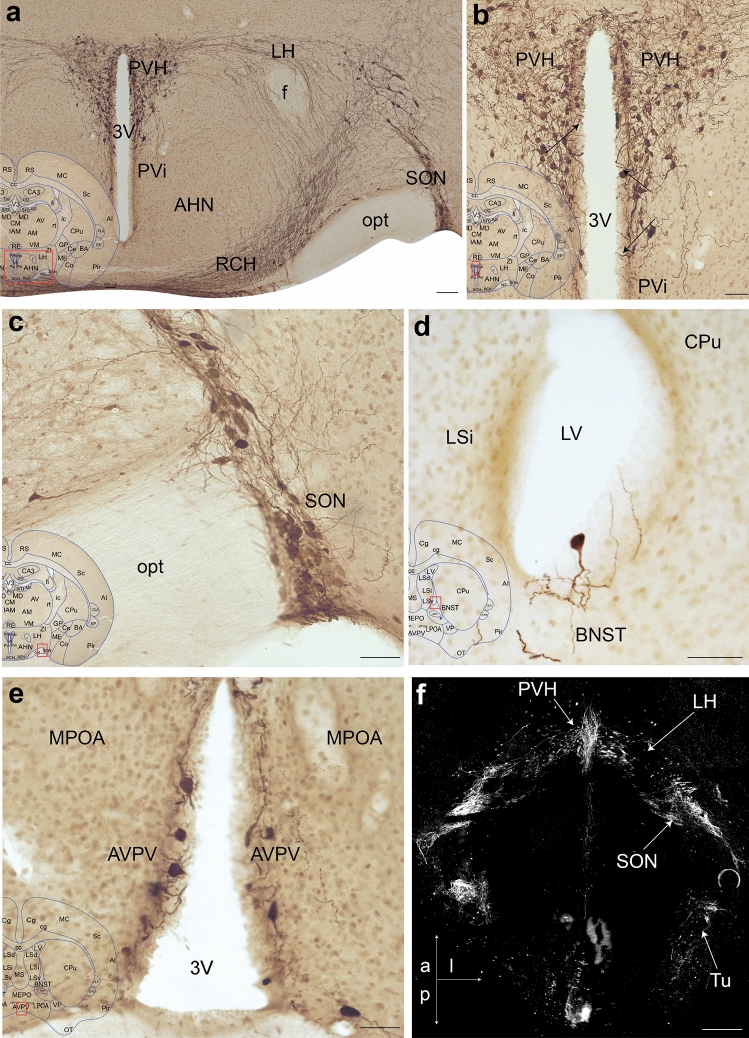
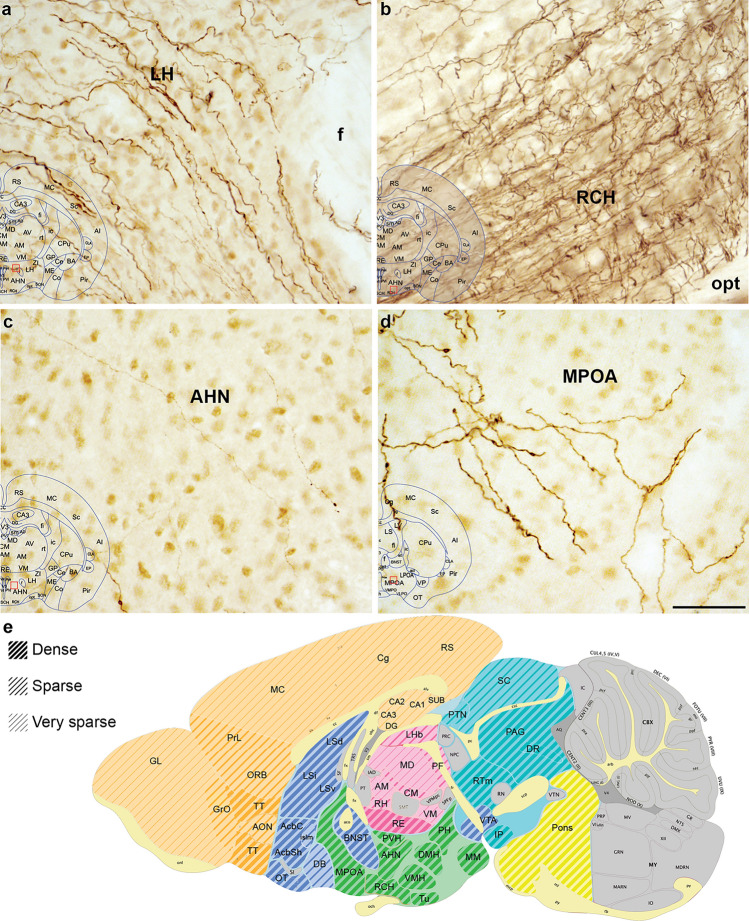
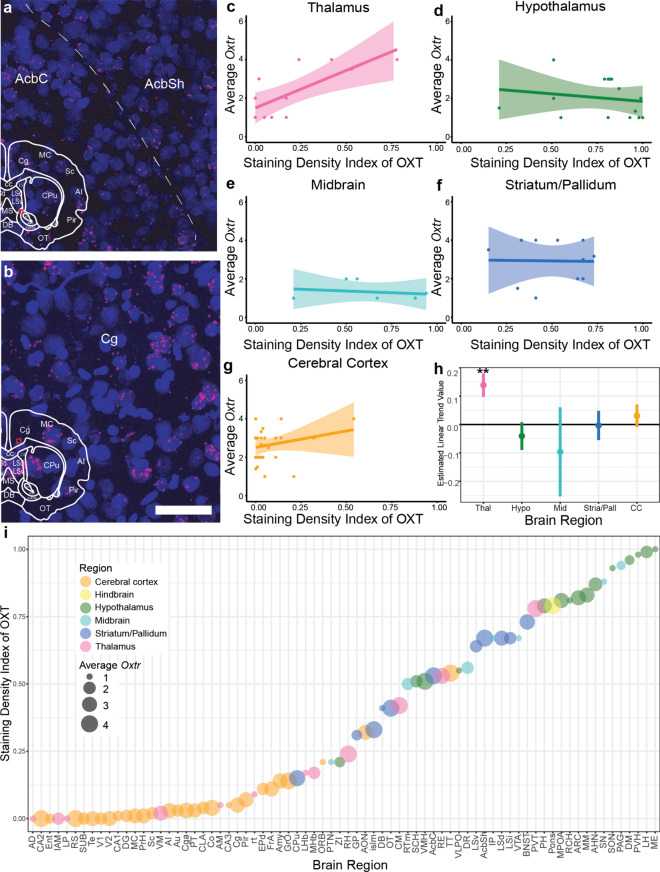
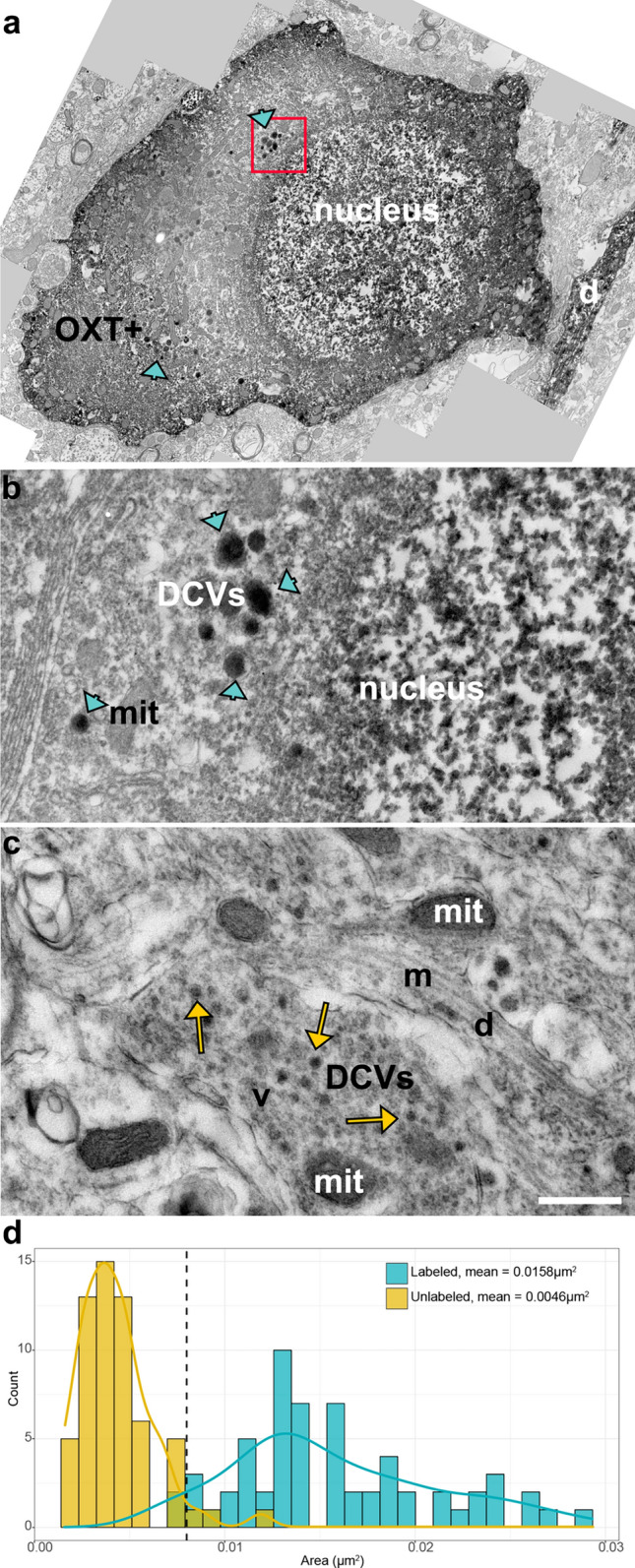
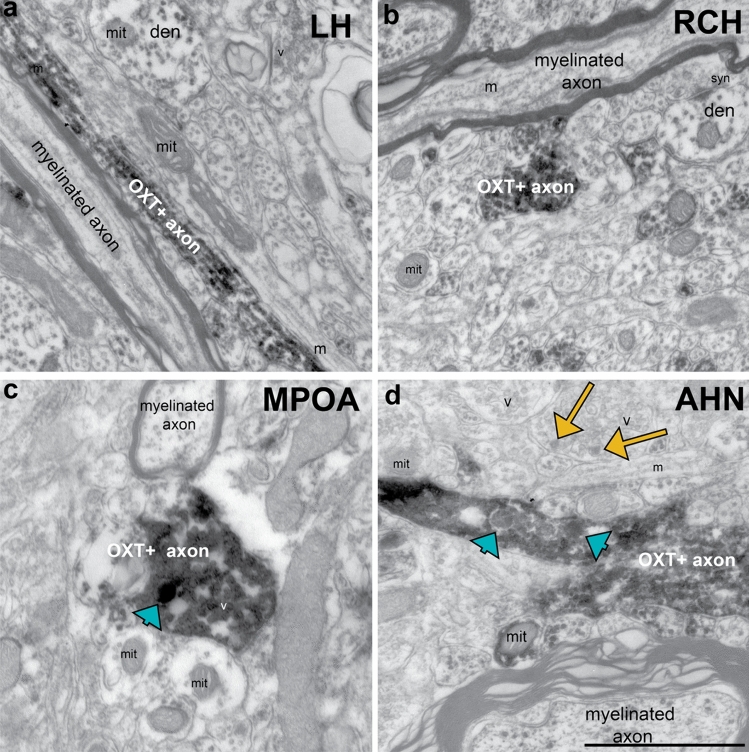
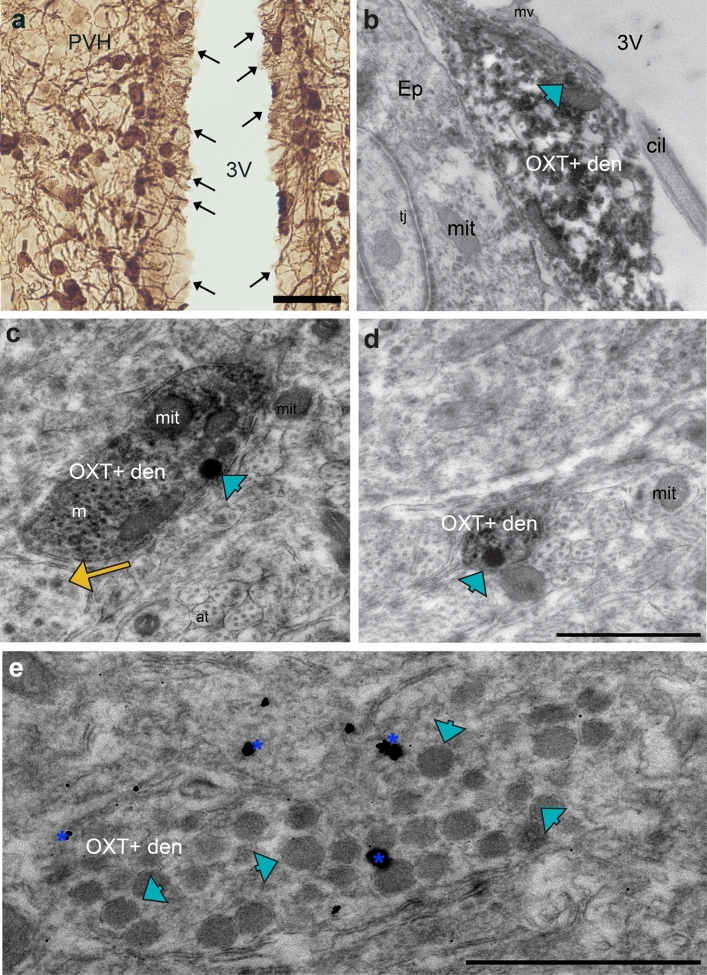
Oxytocin (OXT) is a peptide hormone and a neuropeptide that regulates various peripheral physiological processes and modulates behavioral responses in the central nervous system. While the humoral release occurs from the axons arriving at the median eminence, the neuropeptide is also released from oxytocinergic cell axons in various brain structures that contain its receptor, and from their dendrites in hypothalamic nuclei and potentially into the cerebrospinal fluid (CSF). Understanding oxytocin's complex functions requires the knowledge on patterns of oxytocinergic projections in relationship to its receptor (OXTR). This study provides the first comprehensive examination of the oxytocinergic system in the prairie vole (Microtus ochrogaster), an animal exhibiting social behaviors that mirror human social behaviors linked to oxytocinergic functioning. Using light and electron microscopy, we characterized the neuroanatomy of the oxytocinergic system in this species. OXT+ cell bodies were found primarily in the hypothalamus, and axons were densest in subcortical regions. Examination of the OXT+ fibers and their relationship to oxytocin receptor transcripts (Oxtr) revealed that except for some subcortical structures, the presence of axons was not correlated with the amount of Oxtr across the brain. Of particular interest, the cerebral cortex that had high expression of Oxtr transcripts contained little to no fibers. Electron microscopy is used to quantify dense cored vesicles (DCV) in OXT+ axons and to identify potential axonal release sites. The ependymal cells that line the ventricles were frequently permissive of DCV-containing OXT+ dendrites reaching the third ventricle. Our results highlight a mechanism in which oxytocin is released directly into the ventricles and circulates throughout the ventricular system, may serve as the primary source for oxytocin that binds to OXTR in the cerebral cortex.
催产素(OXT)是一种调节各种外周生理过程的肽类激素和神经肽,并调节中枢神经系统中的行为反应。虽然轴突在到达正中隆起时发生体液释放,但神经肽也从含有其受体的各种脑结构中的催产素能细胞轴突以及从下丘脑核中的催产素能细胞轴突的树突中释放出来,并潜在地释放到脑脊液(CSF)中。理解催产素的复杂功能需要了解催产素能投射与受体(OXTR)的关系模式。这项研究首次全面检查了草原田鼠(Microtus ochrogaster)中的催产素能系统,该动物表现出与催产素能功能相关的镜像人类社会行为的社会行为。使用光和电子显微镜,我们描述了该物种中的催产素能系统的神经解剖结构。OXT+细胞体主要存在于下丘脑,轴突在皮质下区域最密集。对 OXT+纤维及其与催产素受体转录本(Oxtr)的关系的检查表明,除了一些皮质下结构外,轴突的存在与大脑中 Oxtr 的数量无关。特别有趣的是,含有高表达 Oxtr 转录本的大脑皮层几乎没有纤维。电子显微镜用于定量 OXT+轴突中的致密核心囊泡(DCV),并鉴定潜在的轴突释放部位。排列在脑室中的室管膜细胞经常允许含有 DCV 的 OXT+树突到达第三脑室。我们的结果强调了一种机制,其中催产素直接释放到脑室中并在整个脑室系统中循环,可能作为与大脑皮层中的 OXTR 结合的催产素的主要来源。