
探索坦桑尼亚中部地区艾滋病毒、糖尿病和高血压护理的首选整合方法以及相关障碍和促进因素:一项探索性定性研究。
Exploring the preferred integration approach for HIV, diabetes and hypertension care and associated barriers and facilitators in Central Tanzania: An exploratory qualitative study.
作者信息
Gooden Tiffany E, Mkhoi Mkhoi L, Mwalukunga Lusajo J, Mdoe Mwajuma, Senkoro Elizabeth, Kibusi Stephen M, Thomas G Neil, Nirantharakumar Krishnarajah, Manaseki-Holland Semira, Greenfield Sheila
机构信息
Institute of Applied Health Research, University of Birmingham, Birmingham, United Kingdom.
Department of Microbiology and Parasitology, University of Dodoma, Dodoma, Tanzania.
出版信息
PLOS Glob Public Health. 2024 Jul 24;4(7):e0003510. doi: 10.1371/journal.pgph.0003510. eCollection 2024.
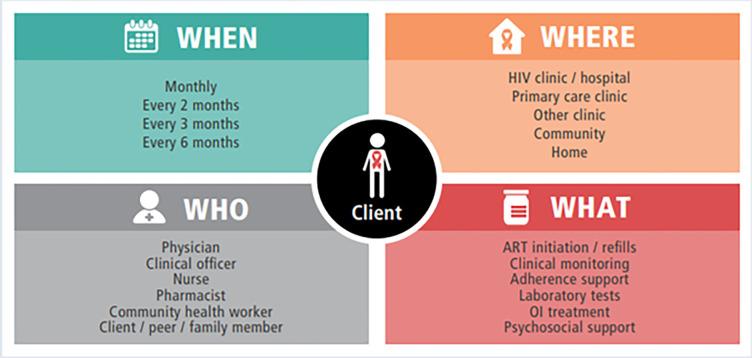
Timely diagnosis and management of diabetes and hypertension among people living with HIV (PLWH) is imperative; however, many barriers exist within the current model of care for these comorbidities. We aimed to understand how HIV, diabetes, and hypertension care should be delivered and the associated barriers and facilitators for the preferred delivery approach. We conducted semi-structured interviews with 16 PLWH with comorbidities of diabetes and/or hypertension (referred to hereafter as non-communicable diseases [NCDs]), 10 healthcare professionals (HCPs) that provide care for NCDs, and 10 HCPs that provide care for HIV. Participants were recruited from two healthcare facilities in Dodoma, Tanzania and interviewed in Swahili. Interviews were audio recorded, transcribed verbatim and translated into English. We used the differentiated service delivery building blocks as a framework to determine where, who, what and when care should be provided. We applied the Theoretical Domains Framework (TDF) to HCP transcripts to determine barriers and facilitators for the preferred integration approach. There was a consensus among participants that all care for NCDs should be provided for PLWH at HIV clinics (known as care and treatment centres [CTCs]) by either CTC doctors or NCD specialists. Participants preferred flexible follow-up care for NCDs and for it to be aligned with HIV follow-up appointments. The main barriers were mapped to the TDF domains of environmental context and resources, and social influences; the former included the lack of NCD medications, NCD diagnostic equipment, space, staff and guidelines whereas the latter included negative influences from peers and traditional healers. Several facilitators were mentioned regarding CTC HCPs' knowledge, skills, optimism and beliefs regarding their capabilities to care for PLWH with NCDs. The preferred integration approach should be tested, utilising the enabling factors described. The barriers described must be addressed with or without integration to achieve optimal care for PLWH with NCDs.
及时诊断和管理艾滋病毒感染者(PLWH)中的糖尿病和高血压势在必行;然而,目前针对这些合并症的护理模式存在许多障碍。我们旨在了解应如何提供艾滋病毒、糖尿病和高血压护理,以及首选提供方式的相关障碍和促进因素。我们对16名患有糖尿病和/或高血压合并症(以下简称非传染性疾病[NCDs])的艾滋病毒感染者、10名提供非传染性疾病护理的医疗保健专业人员(HCPs)以及10名提供艾滋病毒护理的医疗保健专业人员进行了半结构化访谈。参与者从坦桑尼亚多多马的两个医疗机构招募,并以斯瓦希里语进行访谈。访谈进行了录音,逐字转录并翻译成英语。我们使用差异化服务提供模块作为框架来确定护理应在何处、由谁、提供什么以及何时提供。我们将理论领域框架(TDF)应用于医疗保健专业人员的访谈记录,以确定首选整合方法的障碍和促进因素。参与者一致认为,应由护理和治疗中心(CTCs)的医生或非传染性疾病专家在艾滋病毒诊所(即护理和治疗中心[CTCs])为艾滋病毒感染者提供所有非传染性疾病护理。参与者更喜欢针对非传染性疾病的灵活随访护理,并使其与艾滋病毒随访预约保持一致。主要障碍被映射到TDF的环境背景和资源以及社会影响领域;前者包括缺乏非传染性疾病药物、非传染性疾病诊断设备、空间、工作人员和指南,而后者包括来自同伴和传统治疗师的负面影响。关于护理和治疗中心医疗保健专业人员在护理患有非传染性疾病的艾滋病毒感染者方面的知识、技能、乐观态度和信念,提到了几个促进因素。应利用所述的促成因素对首选的整合方法进行测试。无论是否进行整合,都必须解决所述的障碍,以实现对患有非传染性疾病的艾滋病毒感染者的最佳护理。

 Zotero 插件