Robert Bosch Center for Tumor Diseases, Stuttgart, Germany.
Cluster of Excellence SimTech, University of Stuttgart, Stuttgart, Germany.
EMBO Rep. 2024 Sep;25(9):3896-3924. doi: 10.1038/s44319-024-00206-6. Epub 2024 Jul 24.
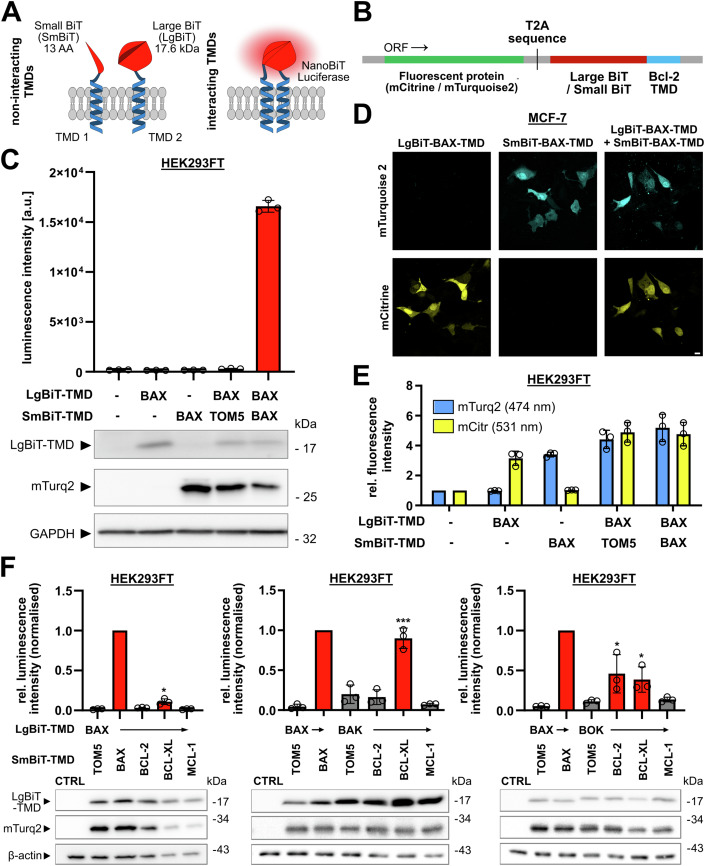
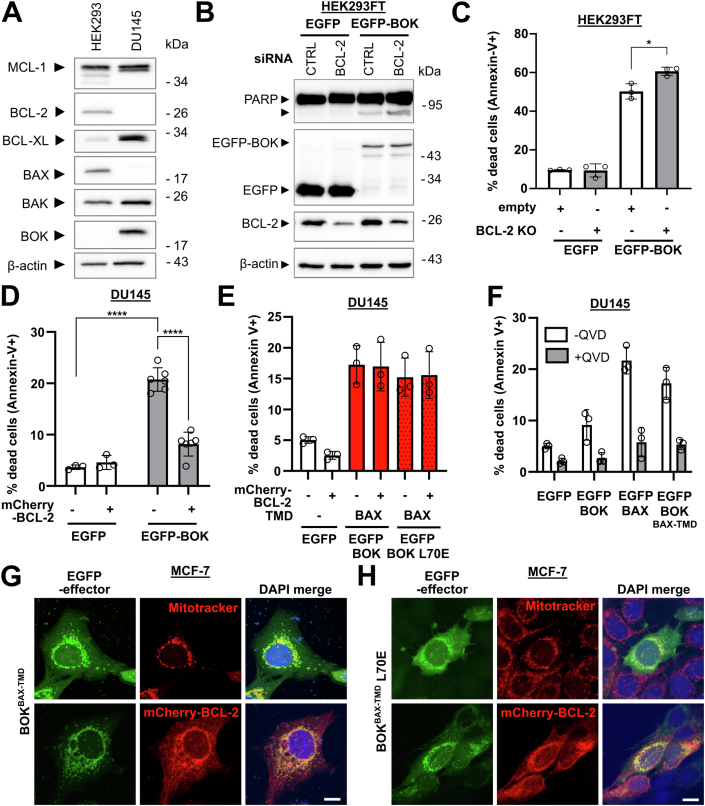
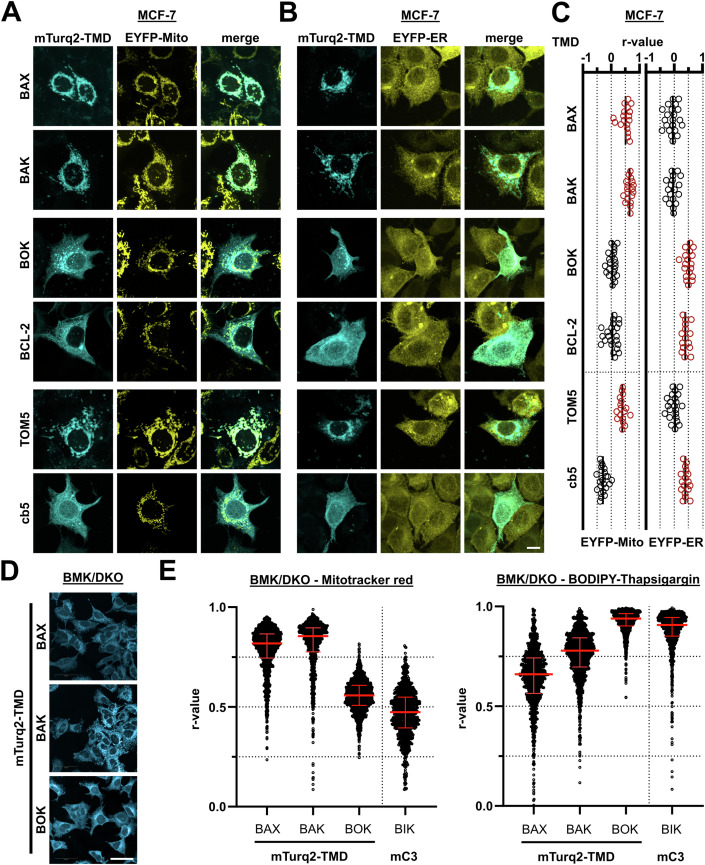
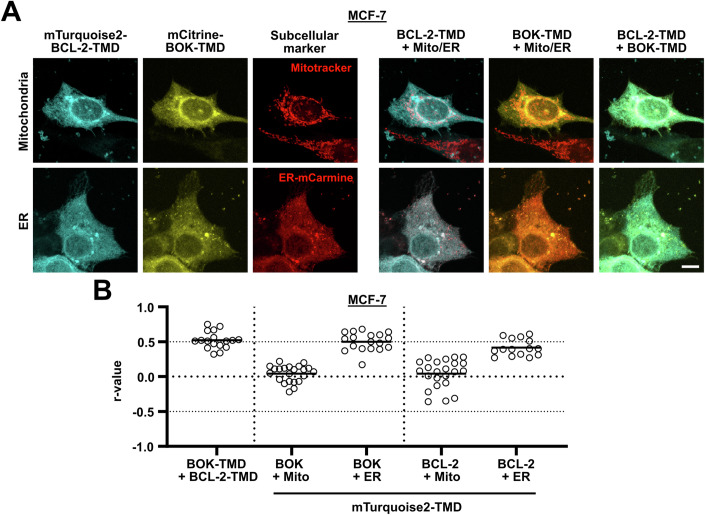
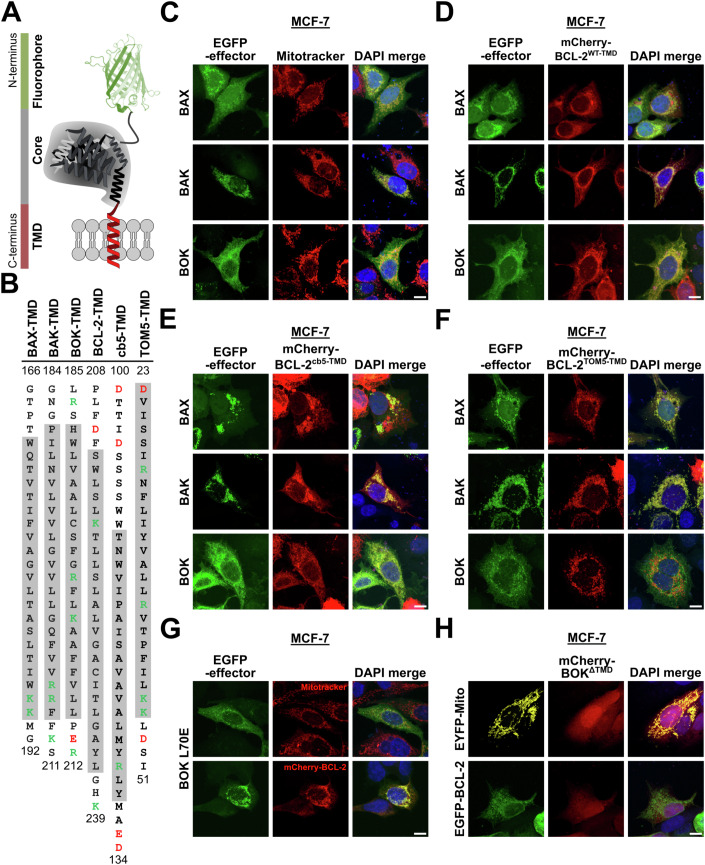
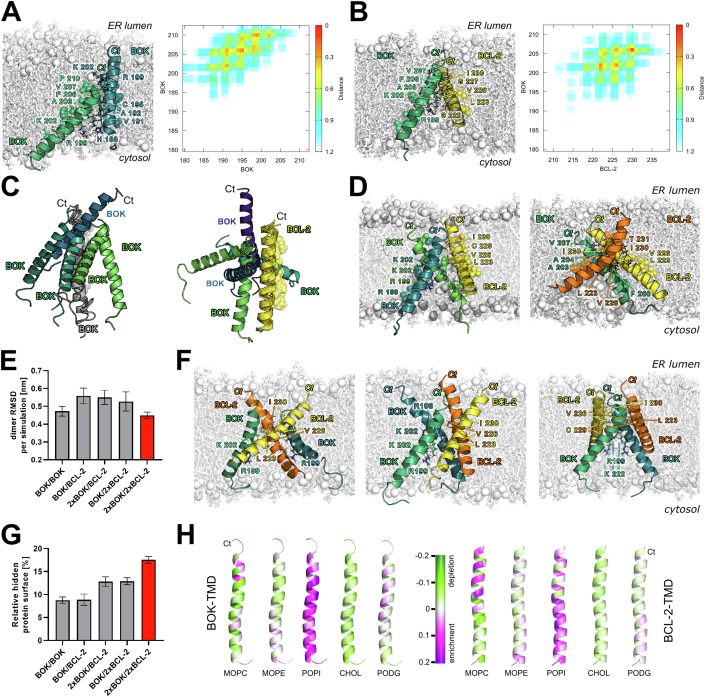
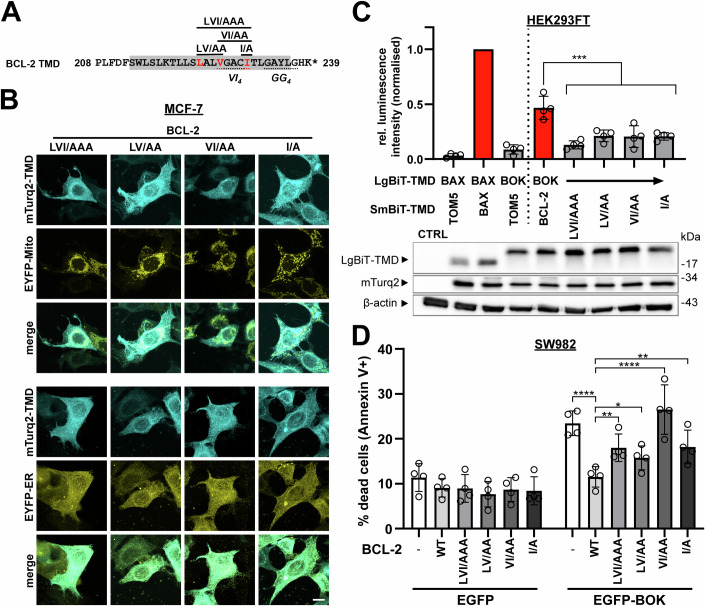
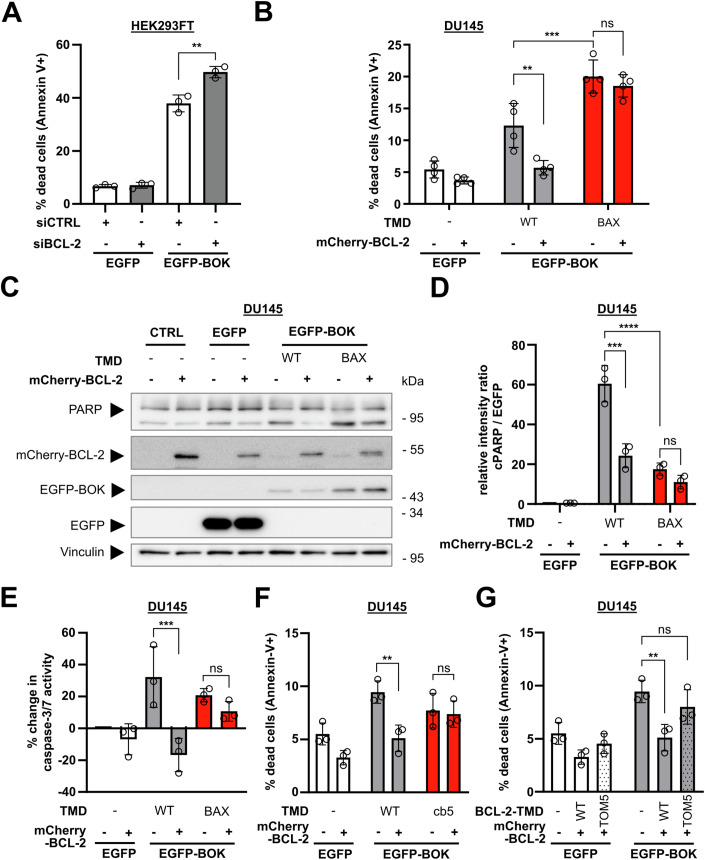
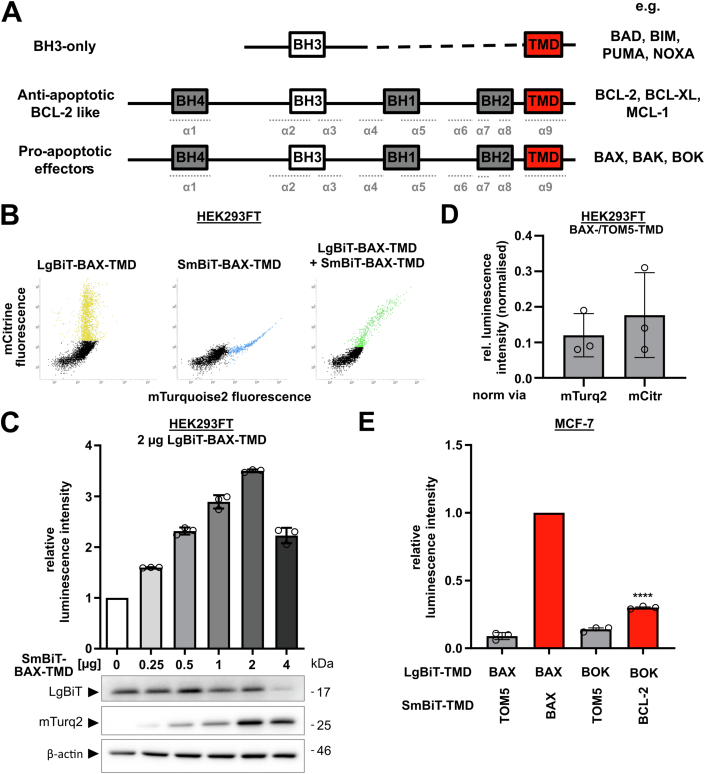
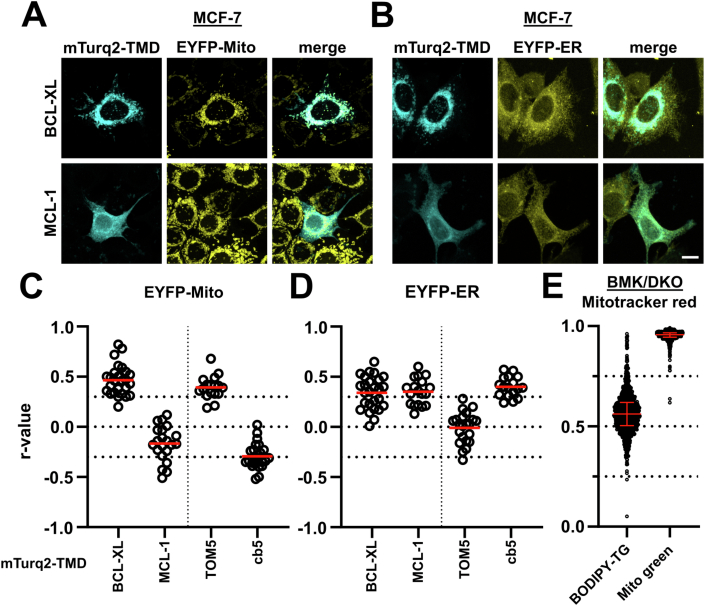
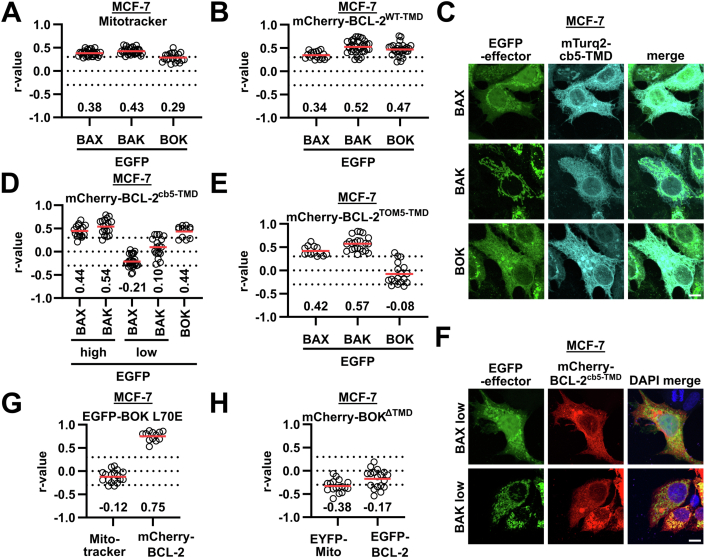
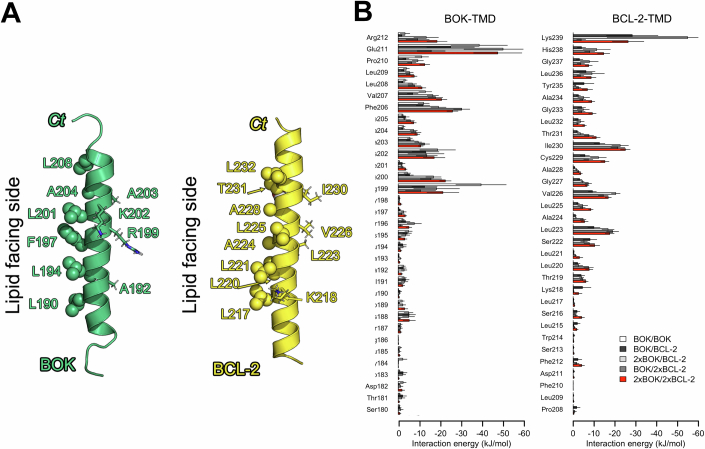
The Bcl-2 family controls apoptosis by direct interactions of pro- and anti-apoptotic proteins. The principle mechanism is binding of the BH3 domain of pro-apoptotic proteins to the hydrophobic groove of anti-apoptotic siblings, which is therapeutically exploited by approved BH3-mimetic anti-cancer drugs. Evidence suggests that also the transmembrane domain (TMD) of Bcl-2 proteins can mediate Bcl-2 interactions. We developed a highly-specific split luciferase assay enabling the analysis of TMD interactions of pore-forming apoptosis effectors BAX, BAK, and BOK with anti-apoptotic Bcl-2 proteins in living cells. We confirm homotypic interaction of the BAX-TMD, but also newly identify interaction of the TMD of anti-apoptotic BCL-2 with the TMD of BOK, a peculiar pro-apoptotic Bcl-2 protein. BOK-TMD and BCL-2-TMD interact at the endoplasmic reticulum. Molecular dynamics simulations confirm dynamic BOK-TMD and BCL-2-TMD dimers and stable heterotetramers. Mutation of BCL-2-TMD at predicted key residues abolishes interaction with BOK-TMD. Also, inhibition of BOK-induced apoptosis by BCL-2 depends specifically on their TMDs. Thus, TMDs of Bcl-2 proteins are a relevant interaction interface for apoptosis regulation and provide a novel potential drug target.
Bcl-2 家族通过促凋亡蛋白和抗凋亡蛋白的直接相互作用来控制细胞凋亡。其主要机制是促凋亡蛋白的 BH3 结构域与抗凋亡蛋白的疏水凹槽结合,这一机制被已批准的 BH3 模拟抗癌药物所利用。有证据表明,Bcl-2 蛋白的跨膜结构域(TMD)也可以介导 Bcl-2 相互作用。我们开发了一种高度特异性的裂萤光素酶测定法,能够在活细胞中分析形成孔的凋亡效应蛋白 BAX、BAK 和 BOK 与抗凋亡 Bcl-2 蛋白的 TMD 相互作用。我们证实了 BAX-TMD 的同源相互作用,同时还新发现了抗凋亡 BCL-2 蛋白的 TMD 与促凋亡 Bcl-2 蛋白 BOK 的 TMD 相互作用。BOK-TMD 和 BCL-2-TMD 在内质网上相互作用。分子动力学模拟证实了 BOK-TMD 和 BCL-2-TMD 二聚体的动态性和稳定的异四聚体。预测关键残基的 BCL-2-TMD 突变会破坏与 BOK-TMD 的相互作用。此外,BCL-2 抑制 BOK 诱导的凋亡也特异性地依赖于它们的 TMD。因此,Bcl-2 蛋白的 TMD 是凋亡调节的一个相关相互作用界面,并为新型潜在药物靶点提供了依据。