
非酒精性脂肪性肝炎中极低密度脂蛋白代谢功能障碍
Dysfunctional VLDL metabolism in MASLD.
作者信息
Marigorta Urko M, Millet Oscar, Lu Shelly C, Mato José M
机构信息
Integrative Genomics Lab, CIC bioGUNE, Basque Research and Technology Alliance (BRTA), 48160 Derio, Spain.
Ikerbasque, Basque Foundation for Science, 48013 Bilbao, Spain.
出版信息
NPJ Metab Health Dis. 2024;2(1):16. doi: 10.1038/s44324-024-00018-1. Epub 2024 Jul 22.
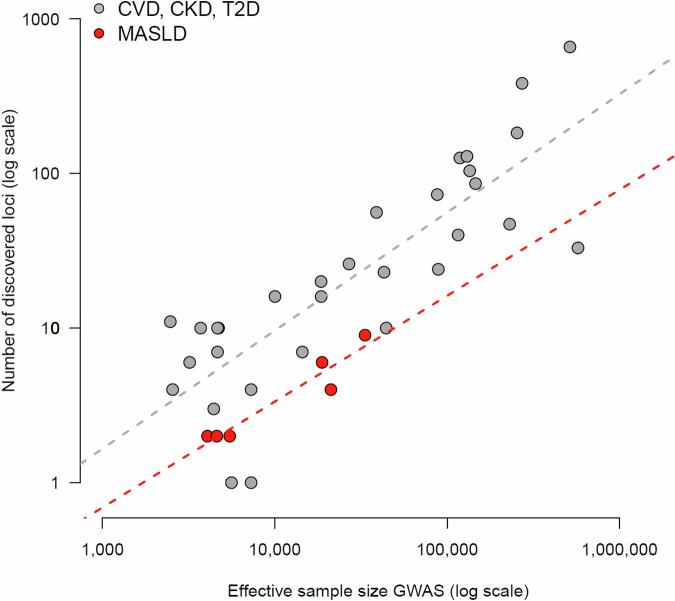
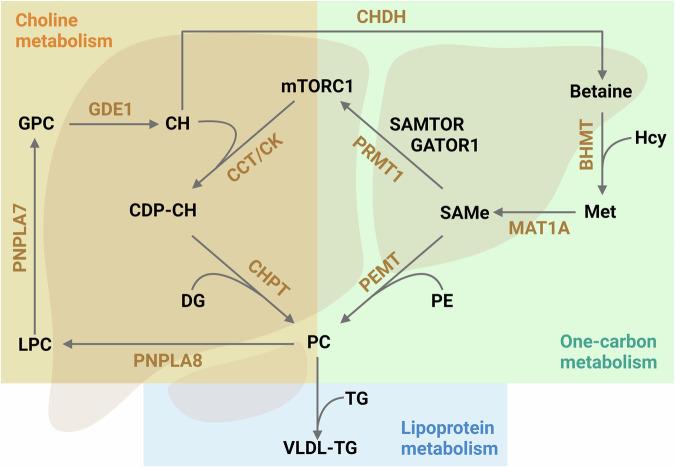
Lipidomics has unveiled the intricate human lipidome, emphasizing the extensive diversity within lipid classes in mammalian tissues critical for cellular functions. This diversity poses a challenge in maintaining a delicate balance between adaptability to recurring physiological changes and overall stability. Metabolic Dysfunction-Associated Steatotic Liver Disease (MASLD), linked to factors such as obesity and diabetes, stems from a compromise in the structural and functional stability of the liver within the complexities of lipid metabolism. This compromise inaccurately senses an increase in energy status, such as during fasting-feeding cycles or an upsurge in lipogenesis. Serum lipidomic studies have delineated three distinct metabolic phenotypes, or "metabotypes" in MASLD. MASLD-A is characterized by lower very low-density lipoprotein (VLDL) secretion and triglyceride (TG) levels, associated with a reduced risk of cardiovascular disease (CVD). In contrast, MASLD-C exhibits increased VLDL secretion and TG levels, correlating with elevated CVD risk. An intermediate subtype, with a blend of features, is designated as the MASLD-B metabotype. In this perspective, we examine into recent findings that show the multifaceted regulation of VLDL secretion by S-adenosylmethionine, the primary cellular methyl donor. Furthermore, we explore the differential CVD and hepatic cancer risk across MASLD metabotypes and discuss the context and potential paths forward to gear the findings from genetic studies towards a better understanding of the observed heterogeneity in MASLD.
脂质组学揭示了复杂的人类脂质组,强调了哺乳动物组织中脂质类别内的广泛多样性,这些脂质对细胞功能至关重要。这种多样性给维持对反复出现的生理变化的适应性与整体稳定性之间的微妙平衡带来了挑战。代谢功能障碍相关脂肪性肝病(MASLD)与肥胖和糖尿病等因素有关,源于肝脏在脂质代谢复杂性中的结构和功能稳定性受损。这种受损会错误地感知能量状态的增加,比如在禁食-进食周期或脂肪生成激增期间。血清脂质组学研究已经在MASLD中描绘出三种不同代谢表型,即“代谢型”。MASLD-A的特征是极低密度脂蛋白(VLDL)分泌和甘油三酯(TG)水平较低,与心血管疾病(CVD)风险降低相关。相比之下,MASLD-C表现出VLDL分泌和TG水平升高,与CVD风险升高相关。一种具有混合特征的中间亚型被指定为MASLD-B代谢型。从这个角度来看,我们研究了近期的发现,这些发现显示了主要细胞甲基供体S-腺苷甲硫氨酸对VLDL分泌的多方面调节。此外,我们探讨了MASLD各代谢型之间CVD和肝癌风险的差异,并讨论了背景以及未来的潜在方向,以便将遗传学研究的结果用于更好地理解MASLD中观察到的异质性。

 Zotero 插件